

When you’re getting ready to haul your car, one question often comes up: how wide is a car trailer between fenders? Knowing this exact measurement is crucial for your safety and convenience.
It affects how easily your car fits, how you load it, and even how you drive on the road. If you’ve ever felt unsure about whether your vehicle will fit or worried about damaging your car, this guide is for you.
Keep reading, and you’ll discover everything you need to know to make your next trip smooth and stress-free.
Standard Widths Of Car Trailers
Car trailers come in different sizes, but most have a standard width between the fenders. This width affects how wide your vehicle sits on the trailer. Knowing these measurements helps with safe loading and transport. It also ensures your car fits well without risk of damage.
Most trailers follow common widths for better compatibility with various vehicles. These standard sizes make it easier to choose a trailer that fits your car’s width properly. Let’s explore the typical measurements found between trailer fenders and how they change by trailer type.
Typical Measurements Between Fenders
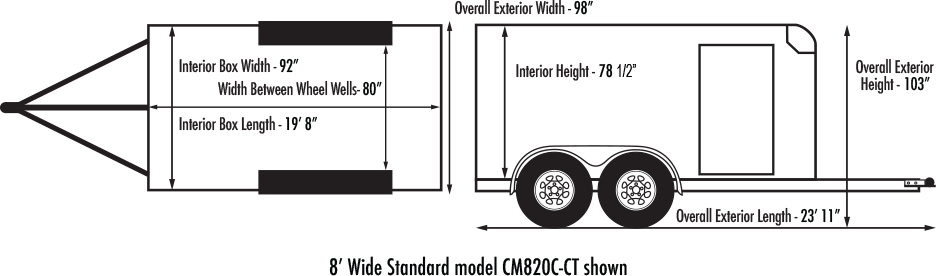
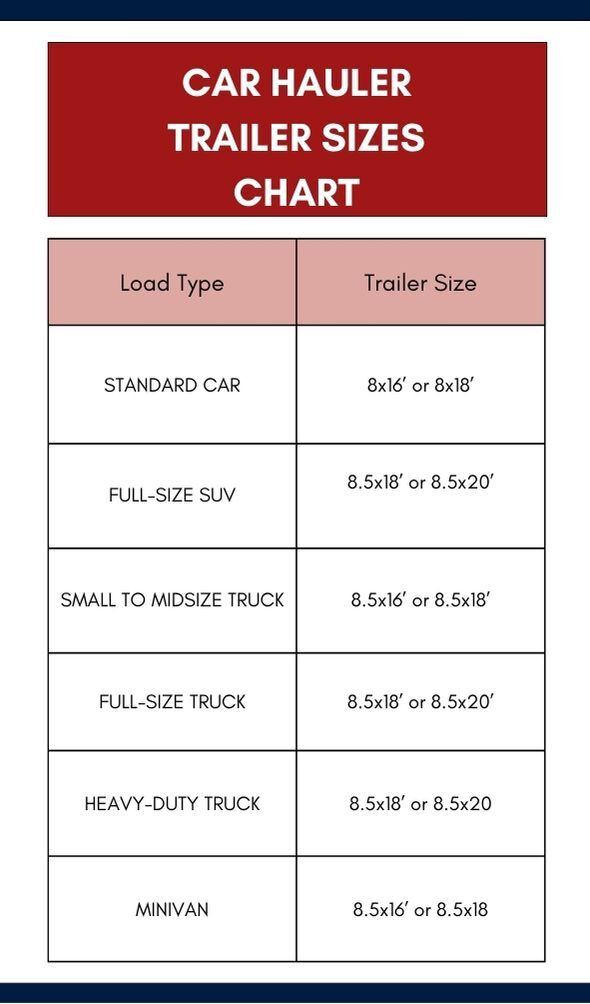
The space between the fenders usually ranges from 60 to 72 inches. Most car trailers have a width around 65 inches. This size fits most passenger cars and small trucks comfortably. Some trailers offer a narrower width near 60 inches. Wider trailers can go up to 72 inches or more. This extra space suits bigger vehicles and SUVs. Understanding these widths helps you match your car to the right trailer.
Variations By Trailer Type
Different trailers serve different purposes, so their widths vary. Utility trailers often have narrower spaces between fenders. These trailers typically measure about 60 to 65 inches wide. Enclosed trailers usually provide wider widths, around 70 to 72 inches. This gives more room for larger cars or extra gear. Flatbed trailers can have even wider fender spacing. They adjust to carry wider loads safely. Choose the trailer type that fits your vehicle size best.
Credit: carmate-trailers.com
Factors Affecting Trailer Width
The width of a car trailer between fenders depends on several key factors. These factors determine the overall space and clearance needed. Understanding these helps choose or design the right trailer for your needs.
Different trailers have different widths based on their parts. These parts include tires, wheels, suspension, and axles. Each affects how wide the trailer must be to work safely and effectively.
Tire And Wheel Size
Tire and wheel size directly affect the trailer’s width. Larger tires need more space between fenders. This space prevents rubbing against the fenders during movement.
Wider tires also provide better stability but increase the trailer width. Smaller tires reduce width but may affect load capacity. The choice depends on the trailer’s purpose and load.
Suspension And Axle Design
Suspension type impacts how axles are positioned. Some suspensions require wider spacing between axles. This spacing increases the width between fenders.
Axle design also plays a role in overall width. Certain axles are built wider for strength or stability. Compact axles help keep the trailer narrow but may limit load size.
Measuring Your Trailer Between Fenders
Measuring the width of a car trailer between fenders is important. This helps ensure your vehicle fits safely and correctly on the trailer. The measurement also assists in knowing the trailer’s capacity and compatibility with different cars. Accurate measurements prevent damage and improve safety during transport.
To measure correctly, follow a simple process. Use the right tools and take clear steps. This section guides you through measuring your trailer between the fenders with ease.
Tools Needed For Accurate Measurement
A tape measure is the best tool for this task. It should be at least 12 feet long for most trailers. A level can help keep the tape straight. A helper can make the job easier and more accurate. Use a notepad or phone to record the measurement.
Step-by-step Measurement Process
Start by parking the trailer on a flat surface. Make sure the trailer is empty for the best result. Measure the distance between the inside edges of the fenders. Place the tape measure at the inner edge of one fender. Stretch it straight across to the inner edge of the other fender. Keep the tape level and tight. Read the number where the tape meets the second fender. Write down the measurement to avoid mistakes.
Impact Of Width On Trailer Performance
The width of a car trailer between the fenders plays a key role in how the trailer performs. This width affects many parts of the trailer’s behavior on the road. It influences how stable the trailer stays and how well it handles turns and bumps. It also affects how much load the trailer can safely carry. Understanding these impacts helps choose the right trailer width for your needs.
Stability And Handling
A wider trailer between fenders usually means better stability. It lowers the risk of tipping over during sharp turns. Wider trailers spread the weight more evenly across the tires. This makes handling smoother and safer on uneven roads. Narrow trailers can feel shaky and harder to control. Proper width helps keep the trailer steady at higher speeds.
Load Capacity Considerations
The width also affects how much weight the trailer can carry. A wider trailer can support heavier and larger loads. It provides more space for the car or cargo inside. Narrow trailers limit load size and may overload tires. Overloading causes faster wear and safety problems. Choosing the right width ensures the trailer handles the load safely and lasts longer.
Legal Regulations On Trailer Width
Knowing the legal rules about trailer width helps you stay safe and avoid fines. The space between the fenders of a car trailer must meet certain limits. These rules protect other drivers and ensure smooth road use. Different places have different laws. You must follow both federal and state regulations. Understanding these can save time and trouble during transport.
Federal And State Limits
The federal government sets a maximum trailer width. Usually, this limit is 102 inches. This size includes the distance between fenders. States may have their own rules. Some states allow less width than the federal limit. Others may permit slightly more in special cases. Always check the rules in the states you travel through. Staying within limits keeps your trailer legal on all roads.
Permits For Oversized Trailers
If your trailer is wider than allowed, you need a special permit. These permits let you drive wider trailers legally. They come with conditions like travel times and routes. You may need to pay fees for the permit. Applying early helps avoid delays. Driving without a permit can lead to fines or towing. Always get the right permit before moving an oversized trailer.
Credit: www.fourwindstrailers.com
Customizing Trailer Width
Customizing the width of a car trailer between the fenders can improve its function and fit. Changing this width helps carry wider vehicles safely. It also affects how the trailer handles on the road. Adjusting the space between fenders can be simple or complex, depending on the trailer type.
Widening Between Fenders
Widening the space between fenders allows larger cars to fit comfortably. This change can reduce the risk of damage during transport. It often involves moving or replacing the fenders. Some trailers need frame adjustments for extra width. Always measure carefully before making changes.
Aftermarket Options And Modifications
Many aftermarket parts help customize trailer width. These include wider fenders and adjustable axle kits. Some kits let you change width without cutting metal. Choosing quality parts ensures safety and durability. Professional help is recommended for complex modifications.
Choosing The Right Trailer Width
Choosing the correct trailer width between the fenders is key for safe towing. The width affects how well the trailer fits your vehicle and carries your load. A trailer that is too wide or too narrow can cause problems on the road.
Understanding the right width helps in avoiding damage and improving stability. It also makes loading and unloading easier and safer. This section explains how to select the best trailer width for your needs.
Matching Trailer To Vehicle Size
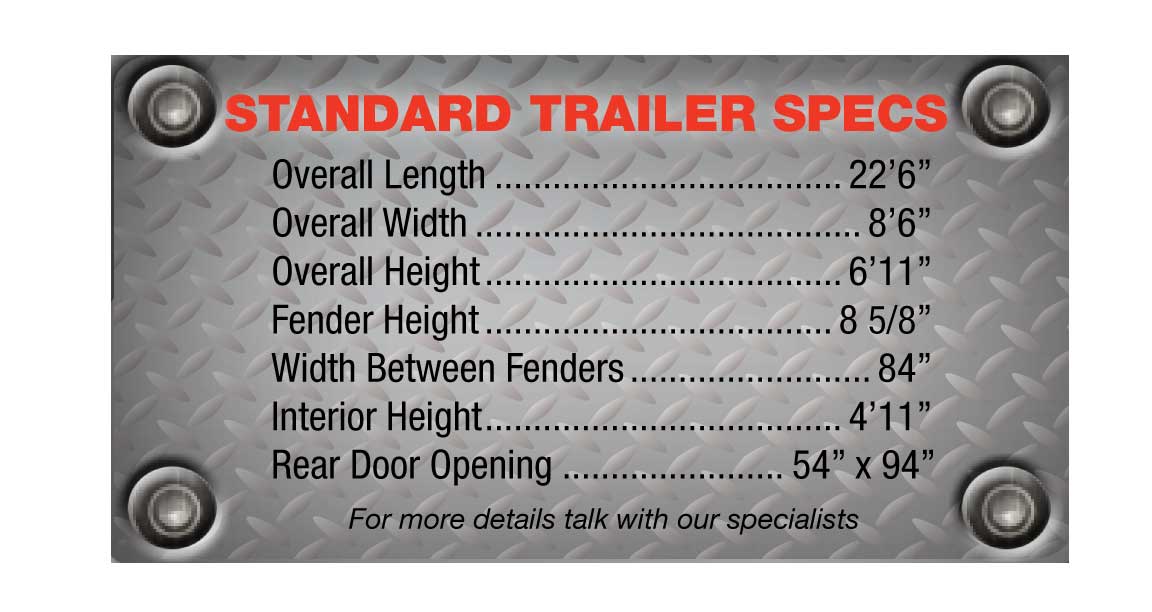
Match the trailer width to your vehicle’s size. A small car needs a narrower trailer for balance and control. Larger trucks or SUVs can handle wider trailers without issues.
Check your vehicle’s manual for towing capacity and recommended trailer sizes. Ensure the trailer width fits between your vehicle’s fenders comfortably. This prevents tire rubbing and improves driving safety.
Purpose-based Width Selection
Choose trailer width based on what you will carry. Wider trailers suit large or wide cargo like ATVs or equipment. Narrow trailers work better for smaller loads or tight spaces.
Think about how you will use the trailer most often. A wider trailer offers more space but may reduce fuel efficiency. A narrower trailer is easier to maneuver and park.
Credit: www.trailex.com
Frequently Asked Questions
How Wide Is A Typical Car Trailer Between Fenders?
A typical car trailer width between fenders ranges from 60 to 72 inches. This measurement fits most passenger vehicles comfortably. It ensures stability and safe transport of cars on highways. Always check your trailer’s specifications for exact width.
Why Is Trailer Width Between Fenders Important?
Trailer width between fenders affects vehicle stability and load security. Proper width prevents cars from swinging or shifting during transit. It also ensures compliance with road safety regulations. Choosing the right width enhances towing safety and protects your vehicle.
Can I Customize The Width Between Trailer Fenders?
Yes, many trailers allow customization of fender width. This option suits different vehicle sizes and transport needs. Custom widths help accommodate wider or narrower cars safely. Consult a trailer manufacturer for options and compliance with legal limits.
Does Trailer Width Affect Towing Vehicle Choice?
Yes, trailer width impacts towing vehicle suitability. Wider trailers require stronger, more stable tow vehicles. Matching trailer width with towing capacity prevents accidents. Always check your vehicle’s towing specifications before selecting a trailer width.
Conclusion
Car trailer width between fenders varies by model and size. Most trailers measure about 60 to 80 inches wide in this space. Knowing this helps when loading or parking your vehicle. Always check your trailer’s specs before use. This ensures safety and avoids damage.
Proper width also fits roads and parking spots better. Keep these points in mind for smooth trailer handling. Understanding your trailer’s width makes towing easier and safer.


