

Have you ever wondered what toilet seat covers are really made of? You use them to protect yourself and keep things clean, but do you know what’s behind that simple layer?
Understanding the materials can help you choose the best option for your comfort and hygiene. Keep reading, and you’ll discover surprising facts that might change how you see this everyday item—and make your bathroom experience better than ever.
Credit: www.walmart.com
Common Toilet Seat Cover Materials
Toilet seat covers come in various materials. Each type offers different comfort and hygiene levels. Understanding these materials helps in choosing the right cover for your needs. Here are the common materials used for toilet seat covers.
Paper And Its Varieties
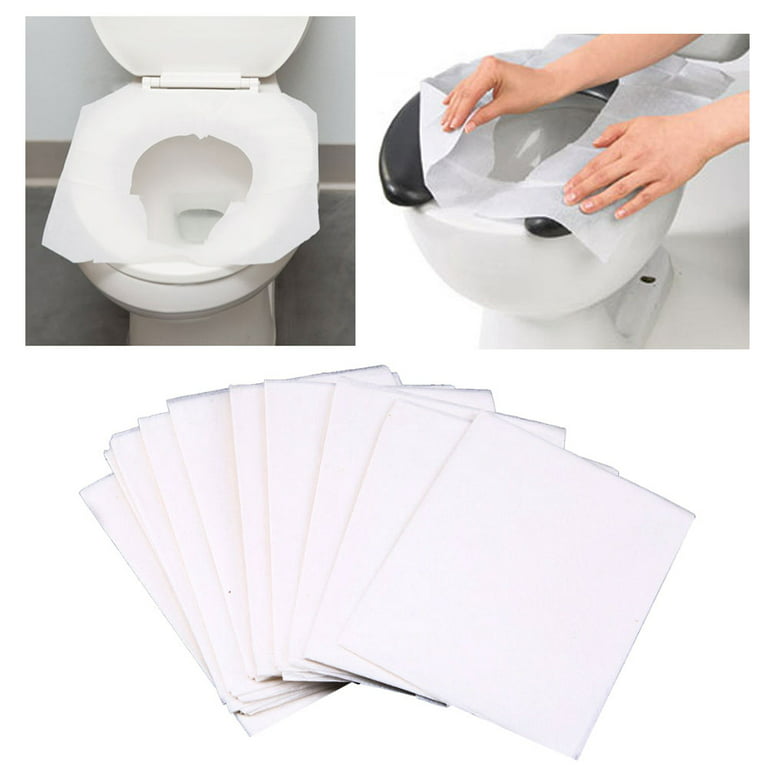
Paper toilet seat covers are the most common choice. They are thin, disposable, and easy to use. Most covers are made from recycled paper or tissue. Some have a single layer, while others have multiple layers for added strength. These covers provide a clean surface and are flushable in many cases.
Plastic Covers
Plastic covers are reusable and easy to clean. They are made from materials like polypropylene or vinyl. These covers offer durability and water resistance. Plastic covers are often used in public restrooms. They help prevent direct contact with the seat, reducing germs.
Foam And Padded Types
Foam or padded toilet seat covers add extra comfort. They use soft materials like foam or cushioned fabric. These covers are usually thicker and warmer. People prefer them at home for longer sitting times. Foam covers are often covered with a waterproof layer to keep them clean.
Eco-friendly Alternatives
Eco-friendly toilet seat covers offer a green choice for personal hygiene. They reduce waste and use natural or recycled materials. These covers help protect the environment while staying clean and safe. Many options fit different needs and preferences.
Bamboo And Plant-based Covers
Bamboo is strong and grows fast. It makes soft, natural covers that break down easily. Plant-based covers use fibers from trees or other plants. These covers feel good on the skin and avoid plastic waste.
Recycled Materials
Some covers come from recycled paper or plastic. They use old materials to make new covers. This process saves resources and cuts down trash. Recycled covers still stay clean and reliable for use.
Compostable Options
Compostable covers break down into natural parts quickly. They return nutrients to the soil without leaving harmful waste. These covers are made from organic materials like cornstarch. Compostable options offer a simple, earth-friendly choice.
Unexpected Materials Used
Toilet seat covers are not always made from the usual paper or plastic. Some use unexpected materials that bring unique benefits. These materials can offer comfort, eco-friendliness, or fun designs. They show how everyday items can be made in creative ways.
Fabric And Cloth Covers
Fabric toilet seat covers provide a soft, comfortable feel. They are often made from cotton, polyester, or fleece. These covers can be washable and reusable. People like them for home bathrooms because they add warmth. They come in many colors and patterns, making bathrooms look cozy. Fabric covers are less common in public places because they need regular cleaning.
Biodegradable Films
Biodegradable films are a newer choice for toilet seat covers. They break down naturally after use, causing less harm to the environment. These films often use materials like cornstarch or plant fibers. They still act as a barrier to germs but disappear faster than plastic. Biodegradable covers are good for those who want to reduce waste. They combine hygiene with care for nature.
Novelty And Decorative Covers
Novelty toilet seat covers add fun or style to bathrooms. They can have bright colors, cartoon characters, or holiday themes. Some even have 3D textures or funny shapes. These covers make bathroom visits more enjoyable, especially for children. They are mostly made from fabric or plastic. People use them to brighten up spaces and show personality.

Credit: www.amazon.com
Material Properties And Hygiene
Toilet seat covers play a key role in public and home bathrooms. Their material must balance comfort, durability, and hygiene. Different materials offer varied properties that affect user experience and safety.
Absorbency And Comfort
Most toilet seat covers use soft paper or thin tissue. These materials absorb moisture quickly. Absorbency helps keep the seat dry and comfortable. Soft textures reduce skin irritation. Comfort is important for user satisfaction and hygiene.
Durability And Strength
Durable toilet seat covers resist tearing and breaking. They stay intact during use. Strong materials prevent germs from spreading. Some covers add a thin plastic layer for extra strength. This layer helps the cover hold its shape and resist moisture.
Sanitization And Safety
Sanitization is vital for toilet seat covers. Many covers use antibacterial treatments or coatings. These reduce the risk of germs and bacteria. Single-use covers lower the chance of cross-contamination. Safe materials avoid harmful chemicals and skin reactions.
Choosing The Right Toilet Seat Cover
Choosing the right toilet seat cover matters. It affects comfort, hygiene, and bathroom style. Different materials suit different needs. Some are soft and warm. Others are sturdy and easy to clean. Knowing what to consider helps you pick the best option for your home or office.
Factors To Consider
Think about comfort first. Soft covers feel better on the skin. Next, consider durability. Covers should last through daily use. Check how easy they are to clean. Some materials need special care. Size and fit matter too. Covers that fit well stay in place. Design and color can match your bathroom decor.
Environmental Impact
Many toilet seat covers are made from plastic or paper. Plastic ones may not break down quickly. Paper covers often use recycled materials. Some are biodegradable and eco-friendly. Choosing covers with less waste helps the planet. Look for products labeled as recycled or compostable. Small choices make a big difference over time.
Cost And Availability
Prices vary depending on material and brand. Paper covers usually cost less but are single-use. Plastic or cushioned covers cost more but last longer. Availability depends on your location and store. Some covers are easy to find online. Others might require a special order. Balance your budget with quality and convenience.
Credit: www.lowes.com
Frequently Asked Questions
What Materials Are Commonly Used For Toilet Seat Covers?
Toilet seat covers are often made from paper, plastic, or biodegradable materials. Paper covers are disposable and hygienic. Plastic covers are reusable and easy to clean. Biodegradable options reduce environmental impact and offer a sustainable choice for users.
Are Toilet Seat Covers Environmentally Friendly?
Some toilet seat covers are eco-friendly, especially those made from recycled paper or biodegradable materials. These options break down quickly and minimize landfill waste. Avoid plastic covers if you want to reduce your environmental footprint.
Why Are Toilet Seat Covers Made Of Paper?
Paper toilet seat covers are popular because they are disposable, hygienic, and convenient. They provide a barrier between the user and the seat. Being lightweight and inexpensive makes paper covers ideal for public restrooms.
Can Toilet Seat Covers Prevent Germs Effectively?
Yes, toilet seat covers create a physical barrier that reduces direct contact with germs on the seat. However, they do not eliminate germs completely. Hand washing after use remains essential for hygiene.
Conclusion
Toilet seat covers come in different materials like paper, plastic, and foam. Each type serves a purpose and offers comfort or hygiene. Paper covers are disposable and easy to use. Plastic ones are durable and reusable. Foam covers add extra softness for comfort.
Knowing what covers are made of helps you choose wisely. Cleanliness and comfort go hand in hand with the right cover. Choose what fits your needs and stay comfortable every time. Simple steps make bathroom visits more pleasant and hygienic.


