
Have you ever wondered how to keep your car seats protected without sacrificing safety? A built-in seat belt for seat covers might be the solution you didn’t know you needed.
It’s a clever feature designed to blend comfort, style, and security into one simple upgrade. If you want to make sure your seat covers fit perfectly without interfering with your seat belts, understanding this feature is key. Keep reading, and you’ll discover exactly what a built-in seat belt for seat covers is—and why it could change the way you protect your car’s interior.
Built-in Seat Belt Basics
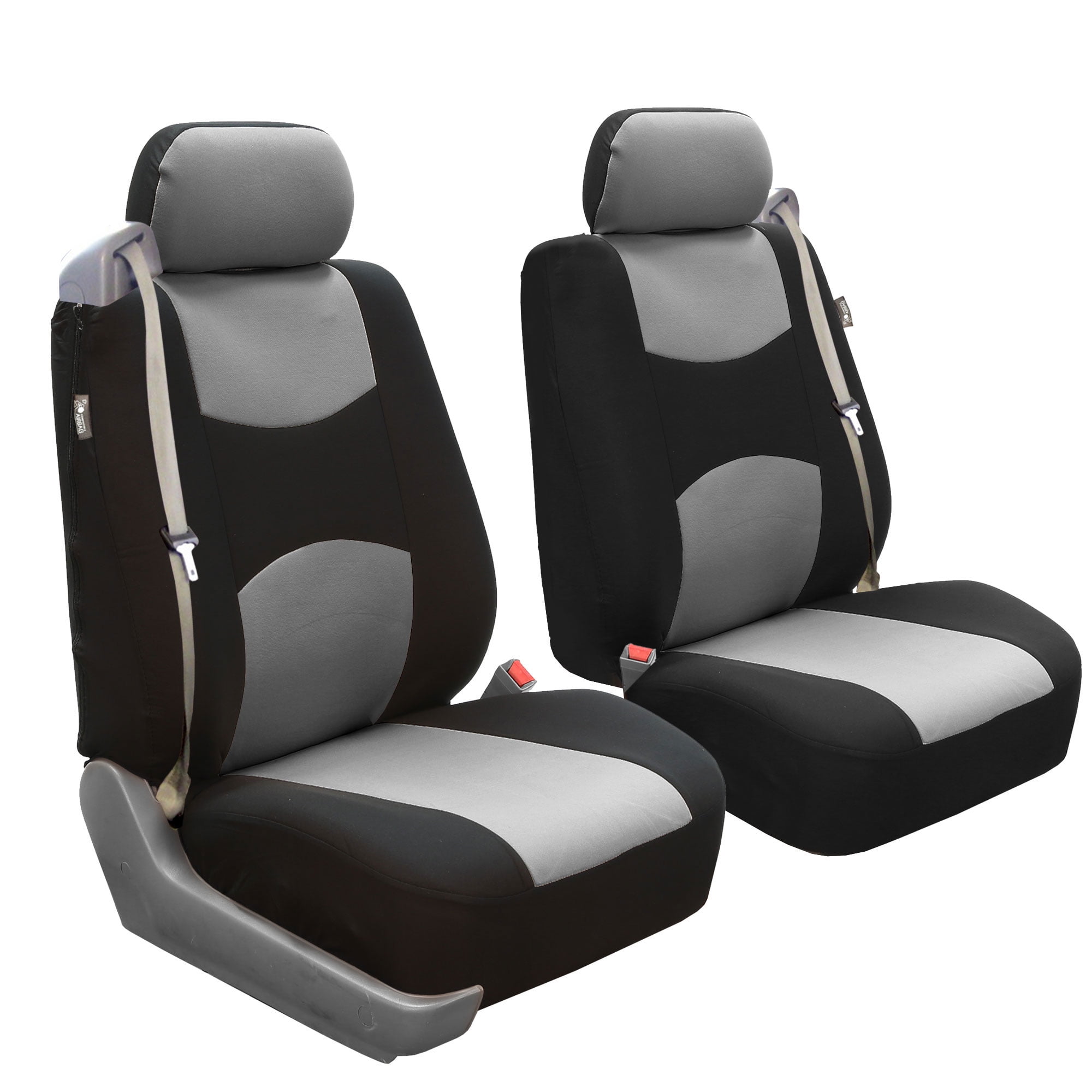
Built-in seat belts are a new option for car seat covers. They add safety and comfort. These seat belts come attached to the seat cover itself. This design helps keep the belt in the right place. It also makes the seat look neat and tidy.
Understanding the basics of built-in seat belts helps you choose the right seat cover. It also shows how these seat belts work differently from regular ones.
What Are Built-in Seat Belts?
Built-in seat belts are part of the seat cover. They are stitched or attached directly to the cover. This means you do not need to use the car’s original seat belt alone. The belt moves with the seat cover. It fits snugly around the passenger. This setup can increase safety and comfort during travel.
How They Differ From Standard Seat Belts
Standard seat belts are fixed to the car frame. They stay in one place no matter the seat cover. Built-in seat belts move with the seat cover. This helps keep the belt in the correct position. It also reduces belt twisting or slipping. Built-in belts offer a more secure fit for some passengers. They can make buckling up faster and easier too.

Credit: www.fhgroupauto.com
Benefits Of Built-in Seat Belts
Built-in seat belts in seat covers offer several key benefits. They improve safety by keeping passengers secure. These seat belts also add comfort and make using the seat easier. Plus, they work with many types of vehicles. Understanding these benefits helps choose the right seat covers for your car.
Enhanced Safety Features
Built-in seat belts provide extra protection during travel. They hold passengers firmly in place. This reduces the chance of injury in accidents. These seat belts meet safety standards for better reliability. They also prevent seat belts from slipping or twisting.
Improved Comfort And Convenience
Seat covers with built-in belts offer more comfort. They fit snugly and avoid loose straps. This design stops seat belts from digging into skin. Users can buckle up faster and easier. The belts stay aligned, reducing frustration during rides.
Compatibility With Various Vehicles
Built-in seat belts fit many vehicle models. They work well with cars, trucks, and SUVs. These seat covers adjust to different seat shapes. Installation is simple and does not need extra tools. This flexibility suits families and drivers alike.
Types Of Seat Covers With Built-in Belts
Seat covers with built-in seat belts offer safety and style together. They protect your car seats and keep seat belts easy to use. Different types suit various needs and car models. Understanding these types helps you pick the best fit.
Each type has unique features. Some fit many cars, while others are made for specific models. The materials also vary, affecting comfort and durability.
Universal Fit Covers
Universal fit covers work with most cars. They have built-in seat belt slots that fit many seat shapes. These covers are easy to install and remove. They offer a practical solution for many drivers. Perfect for those who want quick upgrades.
Custom Fit Covers
Custom fit covers match your car’s exact seat shape. They have built-in belts designed for your vehicle’s model. These covers provide a snug fit and better comfort. They keep seat belts in the right place without extra adjustment. Ideal for long-term use and style.
Materials Used
Seat covers come in various materials. Common options include leather, neoprene, and fabric. Leather offers a premium look and easy cleaning. Neoprene is water-resistant and durable. Fabric covers are soft and breathable. Each material affects seat belt integration and user comfort.
Installation Tips
Installing a built-in seat belt for seat covers can improve safety and comfort. It requires careful attention to ensure the seat belt works correctly. Follow these installation tips to make the process easier and safer.
Step-by-step Installation Guide
Start by removing the old seat cover carefully. Do not pull hard to avoid damage. Position the new seat cover with the built-in seat belt in place. Align the seat belt openings exactly with the car’s seat belt slots. Secure the cover from the back, using the provided straps or hooks. Test the seat belt to check it moves freely and locks properly. Adjust the cover if the belt feels tight or stuck.
Common Installation Mistakes To Avoid
Do not ignore the seat belt path when placing the cover. Avoid covering the seat belt buckle or latch. Make sure the seat belt is not twisted or pinched. Do not use extra tools that can damage the seat cover. Skip rushing through the installation; take your time for accuracy. Check for loose straps or parts before finishing.
Tools Needed
You will need a flathead screwdriver to remove old covers. Use a pair of scissors for trimming any excess fabric. A set of pliers helps to tighten hooks or straps. A flashlight can aid visibility in dark areas of the car. A clean cloth is useful to wipe down seats before installation.
Maintenance And Care
Maintaining built-in seat belt covers helps keep them safe and looking good. Proper care ensures they last long and work well. Neglect can cause damage or reduce comfort. Follow simple steps to clean, check, and replace seat belt covers on time.
Cleaning Built-in Seat Belt Covers
Use a soft cloth or sponge with mild soap and water. Gently wipe the cover to remove dirt and stains. Avoid harsh chemicals that can damage fabric or plastic parts. Let the cover air dry completely before use. Regular cleaning keeps covers fresh and hygienic.
Inspecting For Wear And Tear
Check seat belt covers every few weeks for signs of wear. Look for tears, fraying, or loose stitching. Make sure the cover does not block the seat belt buckle or latch. Early detection helps prevent bigger problems later. Replace or repair covers that show damage.
When To Replace
Replace covers if they become torn, faded, or hard to clean. Any damage that affects safety or comfort means it’s time to change. Also, replace covers that no longer fit the seat belt properly. Using good condition covers ensures safe and comfortable rides.
Legal And Safety Considerations
Understanding legal and safety considerations is crucial for built-in seat belts in seat covers. These features must meet strict rules to protect passengers. Safety cannot be compromised for style or comfort. Seat belts save lives and reduce injury risks. Knowing the laws helps choose the right seat cover with built-in belts. This section explains key points about regulations, compliance, and testing.
Regulations On Seat Belts In Seat Covers
Seat belts in seat covers must follow government safety rules. These rules vary by country and region. The seat belt system should not weaken the original safety design. Modifications that affect seat belt performance are usually not allowed. Legal approval is often needed before selling these products. Non-compliant covers can lead to fines or vehicle inspection failure.
Ensuring Compliance With Safety Standards
Manufacturers must ensure seat covers meet specific safety standards. This includes material strength and proper belt integration. The seat belt must lock correctly during sudden stops. Seat covers should not interfere with airbags or seat adjustments. Compliance shows the product is safe for everyday use. Buyers should check for labels or certificates proving safety compliance.
Testing And Certification
Testing confirms that built-in seat belts work as intended. Tests simulate crashes and sudden stops to check belt strength. Certified products go through rigorous quality checks. Certification from recognized bodies ensures trust and reliability. Always choose seat covers with verified safety certifications. This reduces risks and increases peace of mind on the road.
Choosing The Right Built-in Seat Belt Cover
Choosing the right built-in seat belt cover is important for comfort and safety. Seat belt covers protect your body from hard straps. They also add style to your car seats. Picking the best one means thinking about many factors. Quality, brand, and price all matter. This guide helps you find the perfect fit for your needs.
Factors To Consider
Start with material type. Soft fabrics like neoprene or foam offer good comfort. Check the size to fit your seat belt properly. Some covers are thick, while others are slim. Choose a cover that matches your car’s interior. Easy cleaning is important too. Look for covers that you can wash or wipe down. Safety certifications can also be a good sign of quality.
Top Brands And Models
Trusted brands often provide durable and safe seat belt covers. Look for brands with positive reviews and good customer service. Popular models include ones with extra padding for long trips. Some covers have added features like pockets or adjustable straps. Select a model with features that suit your lifestyle. Brand reputation helps ensure you get value for your money.
Price Vs. Quality
Cheaper covers may save money but wear out fast. Higher-priced covers usually offer better materials and durability. Balance cost with how often you use your car. Investing in a quality cover improves comfort and lasts longer. Avoid the lowest prices; they may lack proper padding or stitching. Choose a seat belt cover that fits your budget and meets safety needs.

Credit: www.ebay.com
Credit: www.esseg.eu
Frequently Asked Questions
What Is A Built-in Seat Belt For Seat Covers?
A built-in seat belt is integrated into the seat cover. It allows easy access and secure fastening without removing the cover. This design enhances safety while maintaining comfort and style in your vehicle’s interior.
How Do Built-in Seat Belts Improve Car Safety?
Built-in seat belts provide consistent positioning and reduce slack. They ensure the belt fits snugly over passengers. This integration helps prevent injuries by offering reliable restraint during sudden stops or collisions.
Are Built-in Seat Belts Compatible With All Car Models?
Most built-in seat belts are designed to fit standard car seats. However, compatibility varies by vehicle make and model. Always check product specifications and your car’s seat belt configuration before purchase.
Can Built-in Seat Belts Damage Seat Covers?
No, built-in seat belts are designed to work seamlessly with seat covers. They avoid wear and tear by incorporating reinforced stitching and materials. This keeps both the seat cover and belt durable over time.
Conclusion
A built-in seat belt for seat covers adds safety and comfort. It keeps the seat belt in the right place. This makes riding safer for everyone. These seat covers fit well and do not block the belt. They protect your car seats from wear and tear.
Choosing the right seat cover with a built-in belt is smart. It helps keep passengers secure without extra hassle. Simple, safe, and practical—this feature suits many drivers and families.


