Are you wondering what the correct PSI for a pressure washer should be when cleaning your car? Using too much pressure can damage your vehicle’s paint, while too little might leave dirt and grime behind.
Finding the right balance is key to keeping your car spotless and safe. You’ll discover exactly how much pressure is ideal for washing your car effectively without causing harm. Keep reading to learn the simple tips that will make your car cleaning routine easier and more efficient than ever.
Pressure Washer Basics
Pressure washers help clean cars fast and well. They use high-pressure water to remove dirt, grime, and mud. Knowing the basics about pressure washers can help you choose the right one for your car. This guide explains key points about pressure washers and their pressure levels.
Understanding these basics is important. It helps avoid damage to your car’s paint and parts. Also, it makes cleaning easier and more effective.
What Psi Means
PSI stands for pounds per square inch. It shows how much pressure the water has when it leaves the washer. Higher PSI means stronger water force. This force helps blast away tough dirt and stains from your car’s surface.
Choosing the right PSI is important. Too high can damage your car’s paint. Too low may not clean well. Most car cleaning needs a PSI between 1200 and 1900.
How Psi Affects Cleaning
PSI affects how well the washer cleans. Higher PSI removes hard dirt and grease easily. Lower PSI is gentle and good for delicate parts. It helps clean without causing scratches or damage.
Using the right PSI saves time and effort. It also protects your car’s finish. Always test on a small area first to check the effect of the pressure.
Types Of Pressure Washers
Pressure washers come in electric and gas models. Electric washers are quieter and lighter. They are best for small to medium jobs like car washing.
Gas washers have more power. They are good for heavy cleaning tasks but can be too strong for cars. Choose a washer that matches your cleaning needs and skill level.
Ideal Psi For Cars
Choosing the right PSI for your car’s pressure washer is important. Too much pressure can harm your car’s paint and delicate parts. Too little pressure may not clean well. Finding the right balance helps keep your car clean and safe.
Pressure washers come with different PSI settings. You need to pick one that cleans dirt without causing damage. Understanding the ideal PSI range for cars helps you make a good choice.
Recommended Psi Range
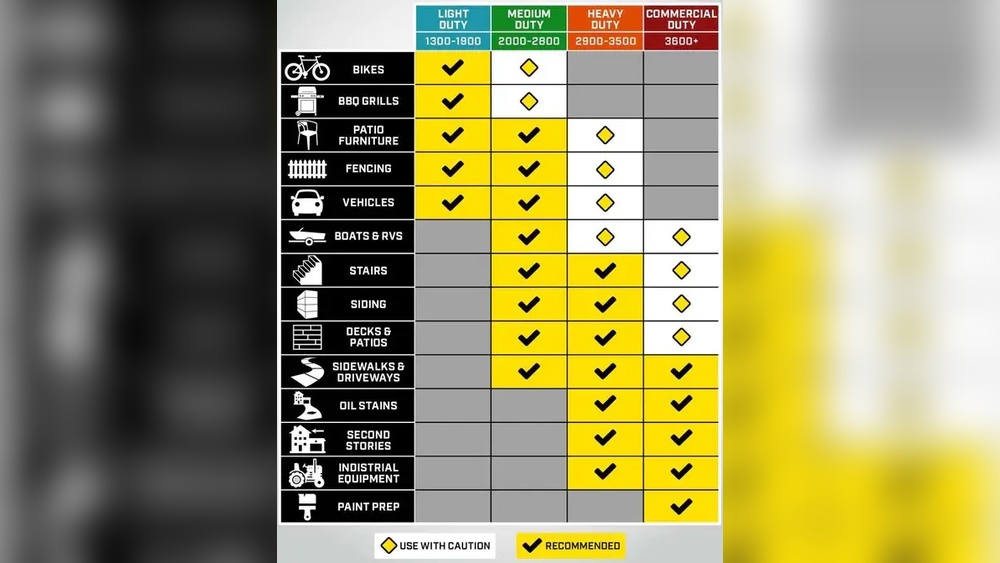
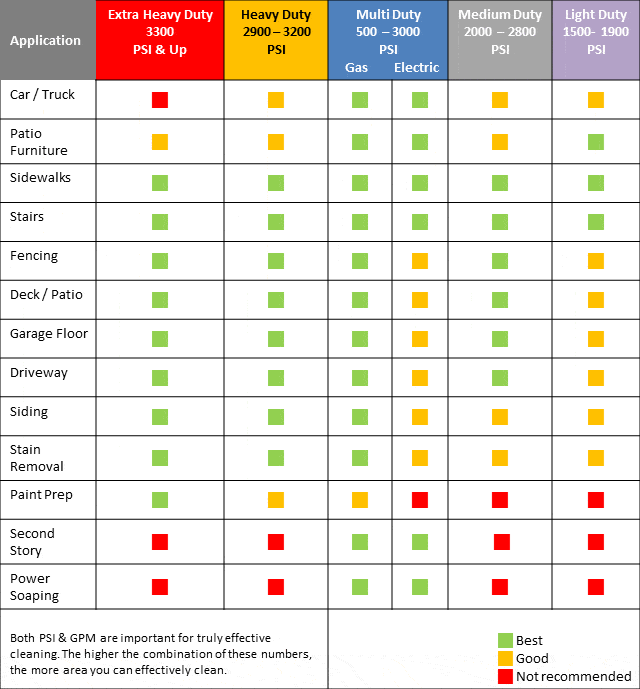
The best PSI for washing cars usually falls between 1200 and 1900 PSI. This range cleans dirt and grime effectively. It is strong enough for most car surfaces. Pressure washers with PSI above 2000 can be too harsh. They might chip paint or damage trim.
Factors Influencing Psi Choice
Car type affects the PSI you should use. Older cars with fragile paint need lower pressure. Newer cars with strong paint can handle higher PSI. The type of dirt also matters. Light dust needs less pressure than mud or bird droppings. Distance from the car surface changes impact. Holding the nozzle farther reduces pressure on paint.
Avoiding Paint Damage
Always test a small area first. Keep the nozzle at least 12 inches from the car. Use a wide spray pattern to spread pressure. Avoid using high PSI on delicate areas like mirrors or decals. Use soap and water to loosen dirt before spraying. These steps protect paint and finish.
Water Pressure And Nozzle Tips
Water pressure and nozzle tips play a big role in cleaning your car safely. The right pressure cleans dirt without harming the paint. Nozzle tips control the water flow and spray pattern. Choosing the correct combination keeps your car looking great.
Choosing The Right Nozzle
Nozzle tips come in different shapes and sizes. Each tip changes the spray angle and pressure. A 25-degree nozzle is good for general cleaning. Use a 40-degree nozzle for delicate surfaces. Avoid narrow tips like 0 or 15 degrees on car paint. They can cause damage by focusing too much pressure.
Impact Of Spray Angle
The spray angle affects cleaning power and safety. A wide spray covers more area with less force. This reduces the risk of paint damage. Narrow sprays focus water in a small spot. This increases cleaning power but can harm the car’s surface. Choose a spray angle that balances pressure and coverage.
Water Flow Rate (gpm)
GPM means gallons per minute. It shows how much water flows from the washer. Higher GPM means more water to rinse dirt away. Too high GPM can waste water and waste power. For cars, 1.2 to 1.6 GPM is usually enough. This flow rate cleans well without using too much water.

Credit: pbcpressurecleaning.com
Using Pressure Washers Safely On Cars
Using a pressure washer on your car can make cleaning quick and easy. It removes dirt and grime fast. But using too much pressure or standing too close can damage the paint or parts of your car. Knowing how to use a pressure washer safely keeps your car looking good and avoids costly repairs.
Safe Distance Guidelines
Keep the pressure washer nozzle at least 12 inches from the car’s surface. Too close can chip paint or dent panels. Move the nozzle side to side, not up and down. This spreads the pressure evenly. Avoid spraying directly at delicate parts like mirrors or windows.
Pre-washing Preparation
Rinse the car with water to remove loose dirt first. This stops the pressure washer from pushing dirt into the paint. Check the pressure washer settings. Use low pressure, around 1200 to 1900 PSI, for most cars. Use a wide spray nozzle to reduce force.
Common Mistakes To Avoid
Do not use high pressure settings over 2000 PSI. It can harm your car’s finish. Avoid spraying the same spot for too long. It can cause paint damage. Never point the pressure washer at tires or seals directly. These parts can crack or leak from high pressure.
Alternatives To High Psi
High PSI pressure washers can damage car paint and delicate parts. Using alternatives helps clean your car safely without high pressure. These methods remove dirt gently and keep the paint intact. They also use less water and energy. Here are some options to consider for effective car cleaning.
Foam Cannons And Soap
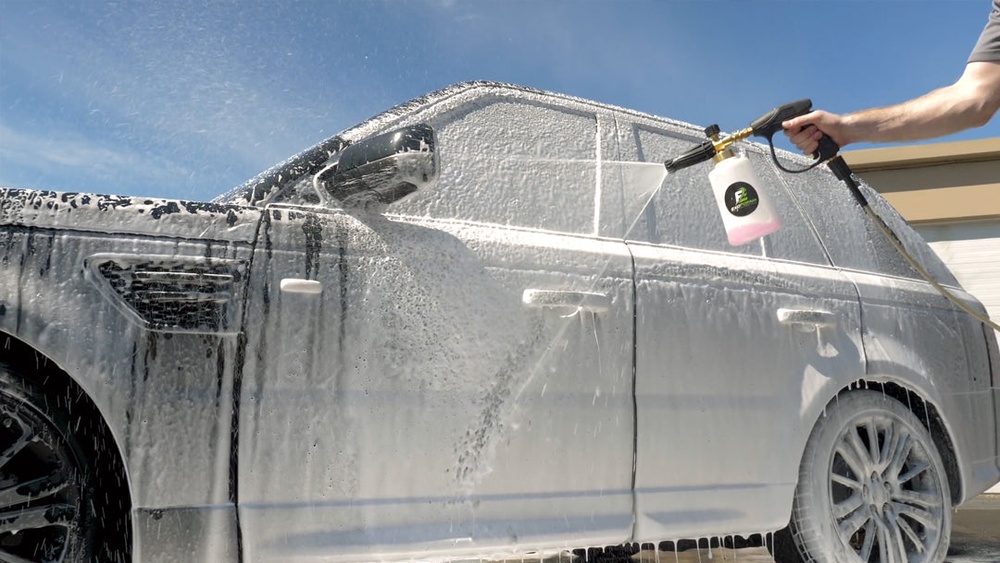
Foam cannons create thick foam that sticks to the car surface. This foam loosens dirt and grime before rinsing. Soap in foam helps break down tough stains gently. Using foam reduces the need for strong water pressure. It covers the car evenly and reaches hard spots. Foam cannons work well with low PSI washers.
Hand Washing Techniques
Hand washing lets you control pressure and cleaning carefully. Use a soft sponge or microfiber cloth to avoid scratches. Start from the top and move down to prevent dirt spread. Use two buckets—one for soapy water, one for rinsing. This method cleans thoroughly without force. It also helps spot damage early.
Spot Cleaning Tips
Spot cleaning targets areas with heavy dirt or stains. Use a soft brush or cloth with mild soap. Gently scrub the spot without high water pressure. Rinse carefully to remove soap and dirt. Spot cleaning saves water and prevents paint damage. It works well between full washes to keep cars fresh.

Credit: www.youtube.com
Maintaining Your Pressure Washer
Maintaining your pressure washer is key to keeping it in good shape. Regular care helps it work well and last longer. Simple steps protect your machine from damage and costly repairs. A well-maintained pressure washer saves time and money.
Routine Maintenance Tips
Check oil levels before each use. Clean the water filter regularly. Remove dirt and debris from nozzles. Store the machine in a dry place. Use fresh water to avoid clogs. Follow the manufacturer’s maintenance schedule strictly.
Troubleshooting Common Issues
Low pressure? Check for clogged nozzles. Engine won’t start? Inspect the fuel and spark plug. Water leaks? Tighten all hose connections. Strange noises? Look for loose parts or damaged components. Regular checks help spot problems early.
Extending Machine Lifespan
Use the correct psi for your car. Avoid running the machine dry. Change oil and filters on time. Keep the machine clean after every use. Use only recommended parts and accessories. Proper care extends the life of your pressure washer.
Credit: pressurewashr.com
Frequently Asked Questions
What Is The Ideal Psi For Washing Cars?
The ideal PSI for washing cars is between 1200 and 1900. This range effectively cleans dirt without damaging the paint or delicate parts. Higher PSI may cause damage, so it’s best to stay within this range for safe and efficient car washing.
Can Too Much Psi Damage My Car’s Paint?
Yes, too much PSI can damage your car’s paint. Pressures above 2000 PSI may strip off paint or cause scratches. Always use a lower PSI setting and keep the nozzle at a safe distance to protect your car’s finish while cleaning.
How Do I Adjust Psi On A Pressure Washer?
You can adjust PSI by using the washer’s pressure control knob or selecting the correct nozzle. Some models have adjustable pressure settings. Always start with low PSI and increase gradually to avoid damage while ensuring effective cleaning.
Is A Lower Psi Better For Delicate Car Parts?
Yes, lower PSI is better for delicate parts like mirrors and trim. Using 1200 to 1500 PSI prevents water damage and avoids loosening or breaking fragile components. Always use a gentle setting for sensitive areas on your car.
Conclusion
Choosing the right PSI for your car’s pressure washer protects the paint. Too high pressure can cause damage. Too low pressure may not clean well. Most cars do well with 1200 to 1900 PSI. Always check the manufacturer’s guide before washing.
Use a wide spray nozzle for safety. Keep the nozzle moving to avoid spots. Proper pressure keeps your car clean and safe. Simple steps make a big difference. Take care, and your car will shine longer.