
Have you ever wondered why toilet seat covers are even there? You might think they’re just a small, simple thing, but they actually serve an important purpose for your health and comfort.
Understanding why these covers exist can change the way you feel about using public restrooms or even your own bathroom. Keep reading to discover how toilet seat covers protect you and why they’re worth paying attention to every time you go.
Toilet Seat Covers And Hygiene
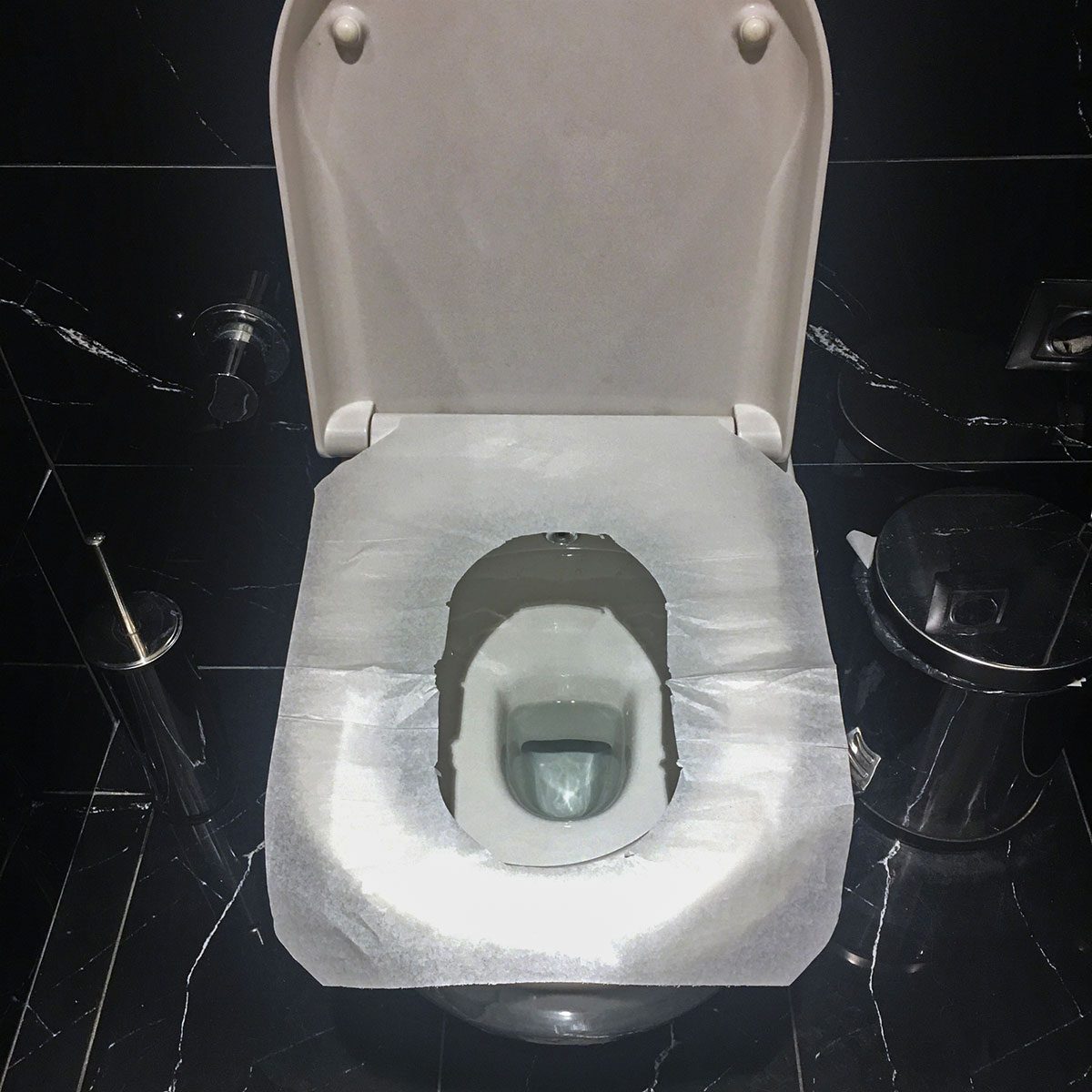
Toilet seat covers play an important role in maintaining hygiene in public and shared restrooms. They create a clean layer between the skin and the toilet seat. This helps lower the chances of coming into contact with dirt and germs. Using seat covers adds a simple but effective step toward better bathroom hygiene.
Preventing Direct Contact
Toilet seat covers stop direct skin contact with the seat. This is crucial in places where many people use the same toilet. The cover acts as a physical barrier that protects your skin from germs and bacteria left behind by others. It also prevents discomfort from cold or wet seats.
Barrier Against Germs
Germs live on toilet seats and can spread infections. Seat covers block these germs from touching your skin. They reduce the risk of picking up bacteria, viruses, and fungi. This simple barrier helps keep you safer from illnesses.
Reducing Cross-contamination
Cross-contamination happens when germs transfer from one surface to another. Toilet seat covers lower this risk by keeping germs contained on the cover itself. After use, the cover is flushed away, removing the germs from the environment. This helps maintain cleaner restroom surfaces for everyone.

Credit: www.wikihow.com
Materials And Types
Toilet seat covers come in different materials and types. Each type serves a specific purpose and suits various needs. Choosing the right cover depends on comfort, hygiene, and environmental impact.
Disposable Paper Covers
Disposable paper covers are thin and easy to use. They provide a fresh layer for every use. These covers help prevent contact with germs on toilet seats. They are common in public restrooms for quick protection.
After use, they can be thrown away. This keeps the toilet area clean. Paper covers are lightweight and cheap to produce. They offer convenience for short-term use.
Reusable Plastic Covers
Reusable plastic covers are made from durable materials. They can be cleaned and used many times. These covers offer long-term protection and reduce waste. They are often found in homes or offices.
Plastic covers are easy to wipe clean. They provide a smooth surface for comfort. These covers last longer than paper ones but require regular cleaning to stay hygienic.
Eco-friendly Options
Eco-friendly covers use sustainable materials like bamboo or recycled paper. They break down faster in nature. These covers reduce harm to the environment. Many people choose them to support green living.
Some eco options are compostable after use. They offer protection without adding plastic waste. Eco-friendly covers balance hygiene and care for the planet.
Public Restrooms And Safety
Public restrooms serve many people every day. They are places where germs spread easily. Toilet seat covers help make these spaces safer. They reduce contact with germs on toilet seats. This lowers the chance of infections and illness.
Common Germ Hotspots
Toilet seats are not the only germ hotspots. Door handles, faucets, and flush buttons also carry germs. These areas often have bacteria and viruses from many users. Toilet seat covers create a barrier on the seat surface. They stop germs from touching your skin directly.
Role In Public Health
Toilet seat covers help protect public health. They reduce the spread of diseases in crowded places. Using covers lowers the risk of catching infections. They also encourage better hygiene habits. Public restrooms become safer with widespread use of covers.
User Awareness And Practices
Many people do not know about toilet seat covers. Some avoid using them due to lack of knowledge. Awareness can increase use and improve safety. Users should always check for covers before sitting. Proper disposal after use keeps restrooms clean and safe.
Credit: www.rd.com
Environmental Considerations
Toilet seat covers serve a clear purpose in public restrooms. They offer a layer of protection and hygiene. Yet, their use raises important environmental questions. Understanding these concerns helps us make better choices.
Waste Management Challenges
Many toilet seat covers are single-use and made from paper or plastic. This leads to large amounts of waste every day. Managing this waste is difficult for cities and businesses. Most covers end up in landfills where they take a long time to break down. Some covers also clog plumbing systems, causing extra problems.
Biodegradable Alternatives
Some companies now produce biodegradable toilet seat covers. These break down faster in the environment. They use natural materials like bamboo or recycled paper. Such covers reduce pollution and landfill overflow. Using these options helps protect the planet while maintaining hygiene.
Balancing Hygiene And Sustainability
Hygiene is the main reason for using seat covers. But environmental impact cannot be ignored. Choosing covers made from eco-friendly materials is a good start. Reducing use in low-risk areas also helps. Businesses and individuals must think about both health and the earth.
Best Practices For Use
Using toilet seat covers properly helps keep bathrooms cleaner and safer. Following best practices improves hygiene and comfort. It also protects the environment and reduces waste. Understanding how to use and dispose of covers is important for everyone.
Proper Disposal Methods
Toilet seat covers should be thrown in the trash bin only. Do not flush them down the toilet. Flushing can cause clogs and damage pipes. Dispose of covers right after use to keep bathrooms tidy. Use bins with lids to control odors and germs.
Complementary Hygiene Habits
Wash your hands after using the toilet seat cover. Using soap and water removes germs and dirt. Keep hand sanitizer nearby for extra cleanliness. Avoid touching your face before washing hands. These habits help stop the spread of bacteria.
When To Avoid Using Covers
Do not use toilet seat covers if the seat is very dirty. Covers may tear and not protect well. Also, avoid covers in public restrooms that do not provide trash bins. Using a clean tissue or wiping the seat with sanitizer works better.

Credit: www.amazon.com
Frequently Asked Questions
What Is The Main Purpose Of Toilet Seat Covers?
Toilet seat covers provide a hygienic barrier between the user and the toilet seat. They reduce direct contact with germs and bacteria, enhancing cleanliness and comfort during use.
Are Toilet Seat Covers Effective In Preventing Infections?
Yes, toilet seat covers help reduce the risk of infections. They block germs and bacteria from touching the skin, promoting better public restroom hygiene.
How Do Toilet Seat Covers Improve Restroom Hygiene?
Toilet seat covers prevent direct contact with potentially contaminated surfaces. This simple step minimizes germ transfer and supports a cleaner restroom environment.
Can Toilet Seat Covers Be Eco-friendly?
Yes, many toilet seat covers are made from biodegradable or recycled materials. Choosing eco-friendly options helps reduce environmental impact while maintaining hygiene.
Conclusion
Toilet seat covers help keep toilets clean and germs away. They protect you from direct contact with bacteria. Using covers can make public restrooms feel safer. They also show care for hygiene and comfort. Small actions like this improve health every day.
Next time you use a restroom, consider a seat cover. It’s a simple step for better cleanliness. Clean habits make a big difference for everyone.


