When it comes to protecting your boat seats, choosing the right material can make all the difference. You want something durable, comfortable, and resistant to water and sun damage.
But have you ever wondered what kind of plastic is actually used to cover those seats? Understanding this can help you make smarter choices for your boat’s upkeep and comfort. Keep reading to discover the types of plastics that keep your boat seats looking great and lasting longer, so you can enjoy every moment on the water without worry.
Credit: www.ebay.com
Types Of Plastics For Boat Seats
Boat seats need strong and water-resistant plastic covers. Different plastics offer various benefits. Choosing the right plastic helps keep seats safe and comfortable.
Here are common types of plastics used for boat seat covers. Each type has unique features for marine use.
Vinyl
Vinyl is soft and flexible. It resists water and sun damage well. This plastic is easy to clean and maintain. It also offers good comfort for long rides.
Polyethylene
Polyethylene is tough and durable. It handles harsh weather and saltwater. This plastic does not crack or fade easily. It works well for outdoor use on boats.
Polypropylene
Polypropylene is lightweight and strong. It resists chemicals and moisture. This plastic dries quickly and stays fresh. It is a good choice for boat seats.
Pvc
PVC is widely used in marine applications. It is waterproof and UV-resistant. This plastic is easy to shape and sew. PVC covers protect seats from wear and tear.
Key Features Of Boat Seat Plastics
Boat seat plastics must have special qualities. These qualities keep the seats safe and comfortable on water. Understanding these key features helps you know why certain plastics are chosen for boat seats.
The plastic should resist water, block UV rays, last long, and feel good. These features ensure the seats perform well and stay attractive for years.
Water Resistance
Boat seats face water all the time. Plastics used must stop water from soaking in. This helps prevent damage and mold growth. Water-resistant plastics keep the seats dry and strong, even in wet conditions.
Uv Protection
Sunlight can harm plastic seats. UV rays cause fading and cracking over time. Plastics with UV protection keep colors bright and the material flexible. This extends the life of boat seats under the sun.
Durability
Boat seats need to handle rough use and changing weather. Durable plastics resist tears, scratches, and wear. Strong materials keep seats safe and looking good through many seasons.
Comfort
Comfort matters on long trips. Plastics should feel smooth and soft to the touch. Good seat plastics also allow some air flow. This keeps the seats cool and pleasant to sit on.
Comparing Plastic Materials
Choosing the right plastic for boat seat covers matters a lot. Different plastics offer various benefits and challenges. Comparing these materials helps you pick the best option for your needs. Cost, maintenance, and environmental effects are key points to consider. Each factor affects your boat experience and the planet.
Cost Differences
Vinyl is the most common plastic for boat seats. It is affordable and easy to find. PVC is another option but costs slightly more. Polyurethane offers better comfort but comes with a higher price. Costs also depend on thickness and quality. Choosing the right balance saves money and lasts longer.
Maintenance Needs
Vinyl covers clean easily with soap and water. They resist stains and dry quickly. Polyurethane feels softer but needs more care to avoid cracking. PVC is strong but can fade under sun exposure. Regular cleaning extends the life of all plastics. Protecting seats with covers or sprays helps too.
Environmental Impact
Vinyl and PVC are made from non-renewable resources. They take a long time to break down in nature. Polyurethane is slightly better but still causes pollution. Recycling options for these plastics are limited. Choosing eco-friendly covers or reducing plastic use helps protect water bodies.
Choosing The Right Plastic Covering
Choosing the right plastic covering for boat seats is important. The plastic must protect the seats and last a long time. Different plastics work better in different situations. Understanding your needs helps pick the best material.
Think about where and how you use your boat. Also, consider your budget. These factors guide your choice of plastic covering.
Climate Considerations
Climate affects the type of plastic you should use. Hot, sunny weather can cause some plastics to fade or crack. UV resistant plastics help protect seats from sun damage. Cold climates need plastics that stay flexible and do not become brittle. Choose plastic that fits your local weather conditions.
Boat Usage Frequency
How often you use your boat matters. Daily use demands durable plastic that handles wear and tear. Occasional use allows for less heavy-duty materials. Consider how much time you spend on the water. This affects the plastic’s strength and thickness needs.
Budget Factors
Plastic coverings come in different price ranges. High-quality plastics cost more but last longer. Cheaper options may save money now but wear out fast. Decide how much you want to spend. Balance cost with durability for the best value.
Caring For Plastic Boat Seats
Plastic boat seats need care to stay strong and look good. These seats face sun, salt, and water daily. Proper care helps them last longer and stay comfortable. Simple steps keep plastic seats clean and damage-free.
Cleaning Tips
Use mild soap and warm water to clean seats. Avoid harsh chemicals that can weaken the plastic. Gently scrub with a soft brush or cloth. Rinse well to remove all soap residue. Dry seats with a clean towel to prevent water spots.
Preventing Damage
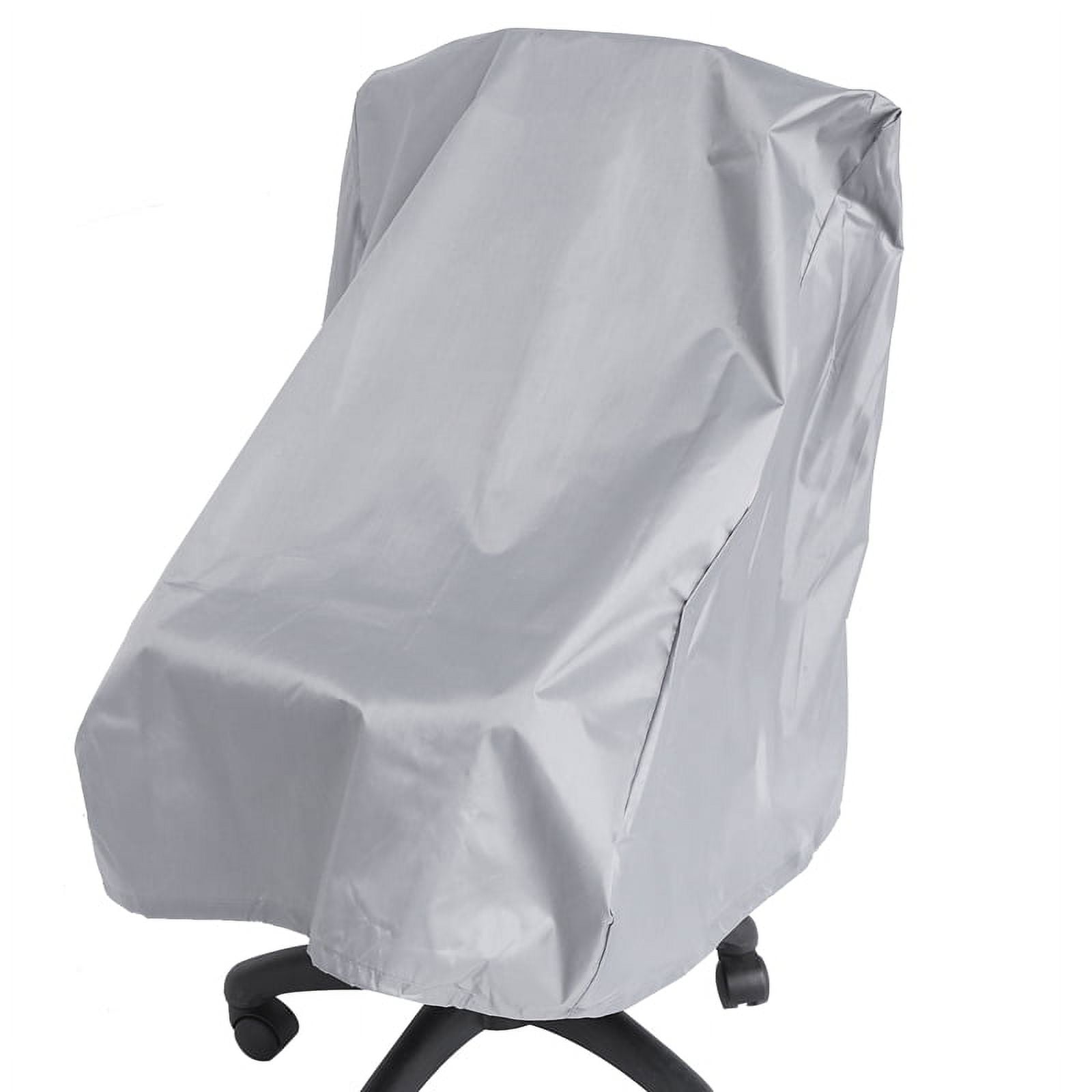
Cover seats when the boat is not in use. This blocks sun rays and reduces fading. Avoid sharp objects that can scratch or puncture the plastic. Keep seats away from extreme heat sources. Regularly check for small cracks or weak spots.
Repair Options
Small scratches can be buffed with fine sandpaper. Use plastic repair kits for cracks or holes. Follow kit instructions carefully for best results. Replace seats if damage is severe or safety is at risk. Timely repairs save money and extend seat life.
Credit: www.g-locbrakes.com

Credit: www.amazon.com
Frequently Asked Questions
What Plastic Is Commonly Used For Boat Seat Covers?
Marine vinyl is the most common plastic used for boat seat covers. It is durable, water-resistant, and UV-protected, making it ideal for marine environments. This plastic provides comfort and long-lasting performance against harsh weather and saltwater exposure.
Why Is Marine Vinyl Preferred For Boat Seats?
Marine vinyl resists water, mildew, and UV damage effectively. It offers excellent durability and easy maintenance. This plastic keeps boat seats looking new and comfortable, ensuring longevity even under constant sun and moisture exposure.
Can Boat Seat Covers Be Made From Pvc Plastic?
Yes, PVC plastic is often used for boat seat covers. It is affordable, waterproof, and flexible. PVC vinyl can withstand outdoor conditions but may not be as breathable as marine-grade vinyl, which is specially formulated for boats.
How Does Plastic Type Affect Boat Seat Durability?
The right plastic enhances boat seat durability by resisting water, UV rays, and wear. Marine-grade vinyl and PVC provide strong protection, reducing cracks and fading. Choosing quality plastic extends seat life and maintains aesthetic appeal.
Conclusion
Boat seat covers use strong, water-resistant plastics like vinyl and PVC. These materials last long and handle sun and water well. They keep seats dry and easy to clean. Choosing the right plastic helps protect your boat’s comfort and look.
Now you know what makes boat seat covers durable and practical. This knowledge can help you pick the best cover for your boat. Protect your seats, enjoy your time on water. Simple materials make a big difference.