

When it comes to washing your car, you want it to look spotless without causing any damage. But have you ever wondered what pressure is safe to wash your car?
Using too much pressure can harm your paint, while too little might leave dirt behind. You’ll discover the ideal pressure to clean your car effectively and safely. Keep reading to protect your vehicle and get that perfect shine every time.
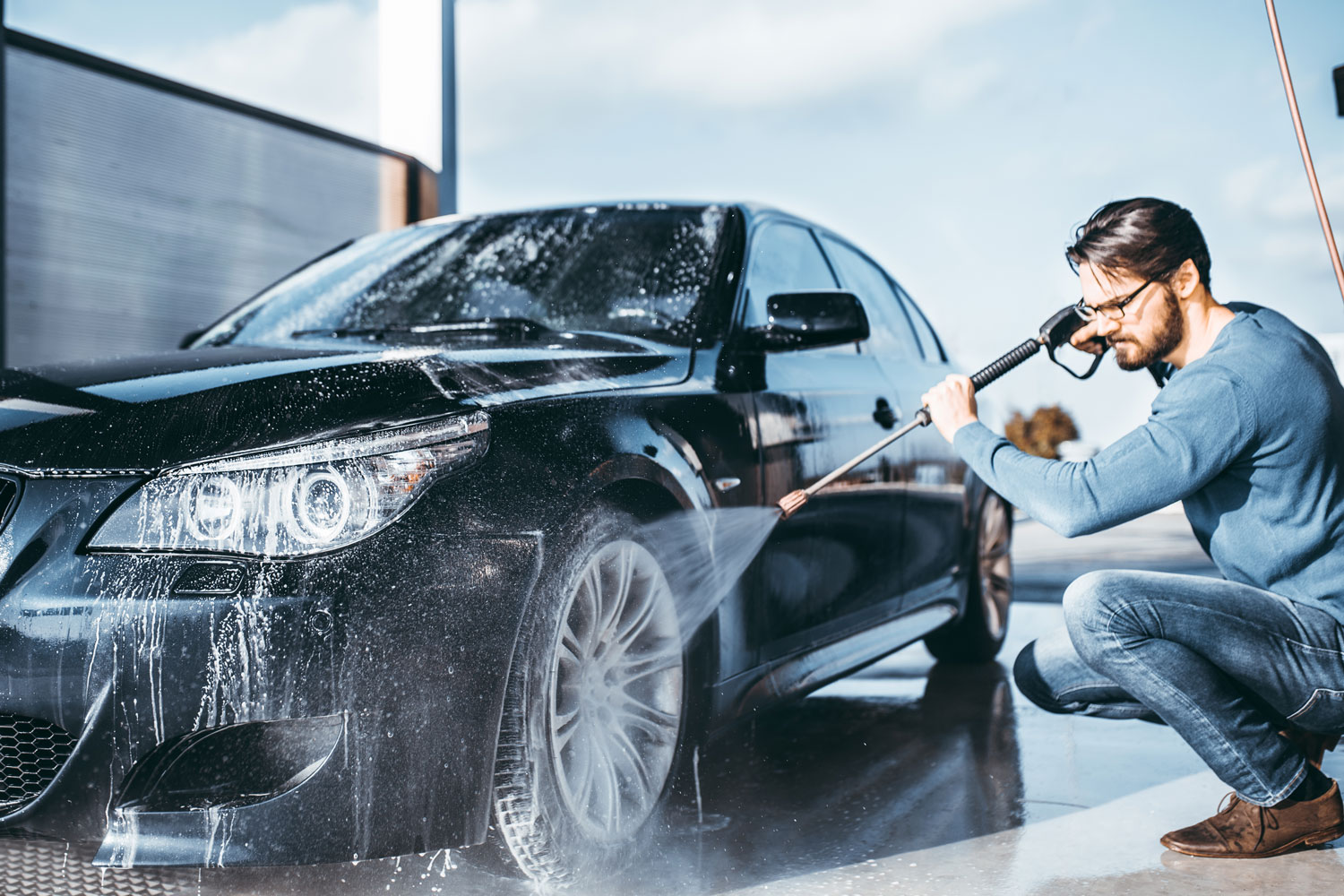
Credit: www.capitalone.com
Ideal Pressure Range
Choosing the right pressure to wash your car is key to keeping its paint safe. Too much pressure can damage the surface. Too little may not clean well. The ideal pressure range balances cleaning power and safety.
Recommended Psi For Cars
For most cars, a pressure between 1200 and 1900 PSI works best. This range cleans dirt and grime without harming the paint. Pressure washers above 2000 PSI risk stripping paint or causing scratches. Use a wide spray nozzle to reduce pressure intensity.
Pressure Differences For Vehicle Parts
Different parts of a car need different pressure levels. Tires and wheels can handle higher pressure, around 2000 PSI, to remove brake dust and mud. Paint and glass require gentler pressure under 1900 PSI to avoid damage. Avoid spraying seals and decals directly with high pressure.
Risks Of High Pressure
Using too much pressure to wash your car can cause serious problems. High pressure might seem like a quick fix to clean dirt fast. It can hurt your car’s surface and parts instead. Knowing the risks helps you protect your vehicle better.
Potential Paint Damage
Strong water pressure can chip or scratch car paint. Paint is thin and not made to handle harsh sprays. High pressure may remove wax and clear coat layers. This damage makes the paint dull and weak. Once paint peels, rust can start to form. Gentle pressure keeps paint safe and shiny.
Effect On Seals And Trim
Car seals and trim are sensitive to strong water jets. High pressure can push water inside doors and windows. It may loosen rubber seals and cause leaks. Trim pieces can break or bend under force. This leads to costly repairs and poor car protection.
Low Pressure Benefits
Using low pressure to wash your car offers many benefits. It cleans without causing damage. This method suits delicate surfaces and detailed areas.
Low pressure reduces the risk of scratches and paint wear. It gently removes dirt and grime. Your car looks clean and well-maintained after each wash.
Gentle Cleaning Options
Low pressure allows the use of soft brushes and cloths safely. It helps clean fragile parts like mirrors and trim. Dirt lifts easily without harsh force. This method avoids stripping wax or sealant from the surface. It works well for regular, light cleaning tasks.
Preserving Vehicle Finish
High pressure can harm your car’s paint and clear coat. Low pressure protects these finishes better. It prevents chips, scratches, and fading. Your car stays shiny and smooth longer. This care preserves the vehicle’s value and look.
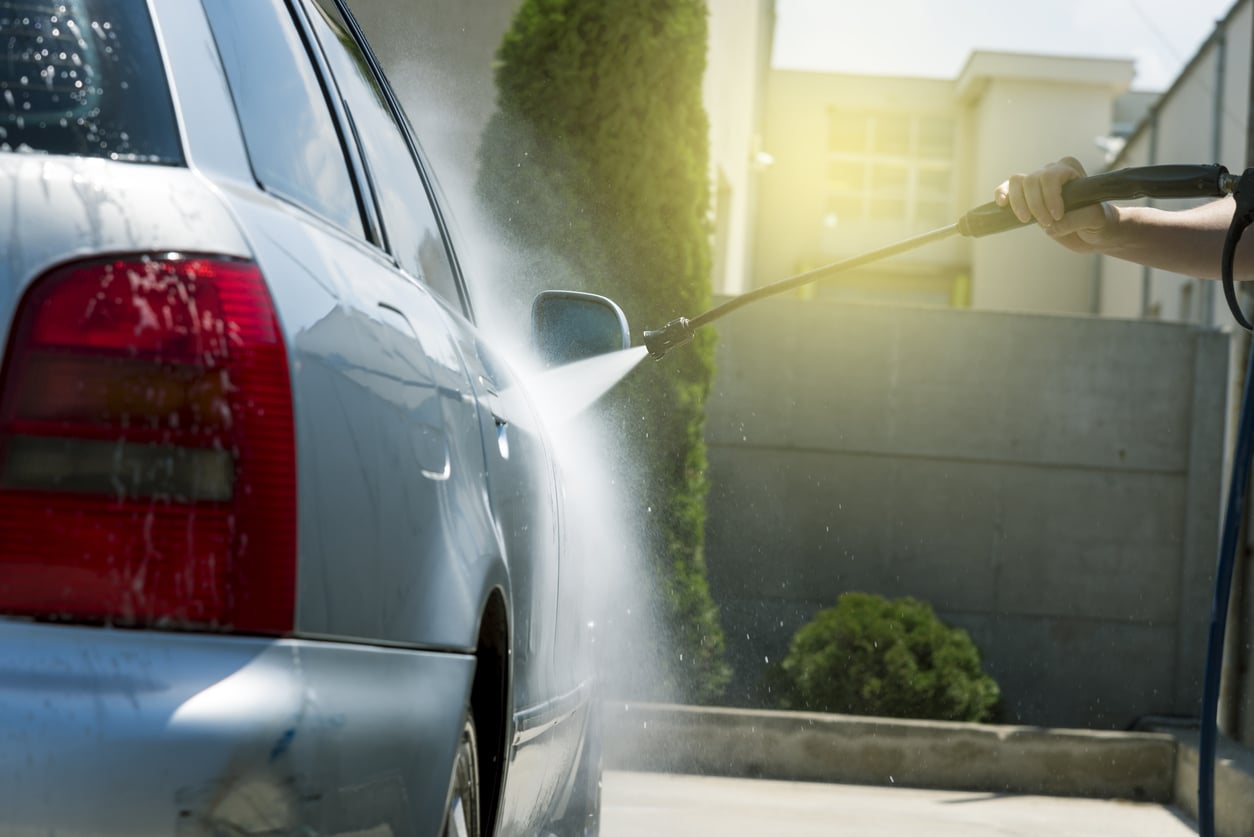
Credit: www.simoniz.uk
Choosing The Right Washer
Choosing the right washer is key to protecting your car’s paint and finish. Using too much pressure can cause damage. Too little pressure may not clean well. Picking the right washer helps clean safely and effectively.
Types Of Pressure Washers
Pressure washers come in electric and gas models. Electric washers offer lower pressure and are quieter. They suit light cleaning tasks like washing cars. Gas washers provide higher pressure and more power. They work well for heavy-duty cleaning but may be too strong for cars.
Look for washers with pressure between 1200 and 1900 PSI for cars. This range cleans dirt without harming paint. Avoid washers above 2000 PSI for car washing. High pressure can chip or scratch the surface.
Nozzle Selection Tips
Nozzles control the spray angle and pressure. Wide angles reduce the impact on your car’s surface. Use nozzles with 25° or 40° spray angles for washing cars. Narrow angles create a focused spray and increase pressure.
A 0° nozzle is too strong and can damage paint. A 15° nozzle may be okay for stubborn grime but use carefully. Always keep the nozzle moving to avoid pressure spots. Start with a wide-angle nozzle and test on a small area first.
Step-by-step Washing Tips
Washing your car with the right pressure is key to keeping it clean and safe. Follow these simple steps to protect your paint and details. Each step helps avoid damage and gives your car a fresh look.
Pre-wash Preparation
Start by rinsing the car with low pressure water. This removes loose dirt and dust. Use a soft brush or mitt for stubborn spots. Check your pressure washer settings. Use 1200 to 1900 PSI for safe washing. Avoid using high pressure on delicate parts.
Safe Distance Guidelines
Keep the nozzle 12 to 18 inches from the car surface. This distance protects the paint from peeling. Move the spray evenly across the car. Don’t focus on one spot for too long. Adjust the angle slightly to avoid damage on edges.
Post-wash Care
Dry your car with a clean microfiber towel. This prevents water spots and streaks. Check for areas that need extra cleaning. Apply wax or sealant to protect the paint. Store your equipment properly to keep it ready for next use.

Credit: stonercarcare.com
Common Mistakes To Avoid
Washing your car with the right pressure keeps it safe and clean. Many people make mistakes that harm their car’s paint and parts. Avoiding these errors helps your car look great longer. Here are common mistakes to watch out for.
Using Too Much Pressure
High pressure can damage your car’s paint and surface. Strong water jets may cause scratches and remove protective layers. Keep pressure below 1200 PSI for safe washing. Use a wide spray nozzle to spread water evenly. Test pressure on a small spot first.
Ignoring Sensitive Areas
Some car parts are delicate. Avoid spraying directly on brakes, electrical parts, and air vents. Water can cause rust or electrical issues. Use low pressure or clean these areas by hand. Always be gentle near decals and trim to prevent peeling or damage.
Expert Recommendations
Experts agree that using the right pressure is key to safe car washing. Too much pressure can damage paint and trim. Too little pressure may not clean well. Following expert advice helps protect your car’s look and finish.
Understanding professional tips and proper maintenance can extend your car’s beauty. This section shares important insights from professionals and care strategies for long-lasting results.
Professional Washing Advice
Experts suggest using a pressure washer with 1200 to 1900 PSI for cars. This range cleans dirt without harming paint. Use a wide spray nozzle to spread water evenly.
Keep the nozzle at least 12 inches from the car surface. Avoid direct spraying on delicate areas like mirrors and seals. Use soap designed for car washing to protect the paint.
Maintenance For Long-term Care
Regular washing with safe pressure helps avoid buildup and damage. Rinse the car before washing to remove loose dirt. Dry the car with a soft cloth to prevent water spots.
Check your car for chips or scratches often. Fix small damages quickly to stop rust. Follow expert cleaning tips to keep your car looking new longer.
Frequently Asked Questions
What Pressure Is Safe For Washing A Car?
A safe pressure for washing a car is between 1200 and 1900 PSI. This range effectively cleans without damaging paint or seals. Always use a wide spray nozzle to reduce pressure concentration and avoid surface harm.
Can High Pressure Damage Car Paint?
Yes, high pressure above 2000 PSI can damage car paint. It may cause chipping, scratches, or strip protective wax. Using moderate pressure and proper distance helps prevent paint damage while cleaning effectively.
Is A Pressure Washer Better Than A Garden Hose?
A pressure washer cleans faster and removes tough grime better than a garden hose. However, it must be used carefully at safe pressures to avoid damage. For regular light cleaning, a garden hose is gentler on the car surface.
What Nozzle Is Best For Car Washing Pressure?
A 25-degree or wider spray nozzle is best for car washing. It disperses water evenly, reducing pressure impact on paint. Narrower nozzles increase pressure and risk damaging the car’s surface.
Conclusion
Safe pressure keeps your car clean without damage. Use a pressure below 2000 PSI for washing. Higher pressure can harm paint and seals. Always keep the nozzle at least a foot away. Gentle sprays work best on delicate parts. Regular washing protects your car’s look and value.
Choose the right pressure for a safe, effective wash. Simple care helps your car stay beautiful longer. Remember, safety first to avoid costly repairs.


