

If you have heated seats in your car, you know how comforting they can be on cold mornings. But did you ever wonder if your seat covers are stopping that warmth from reaching you?
Choosing the right seat covers can make a big difference in how well your heated seats work. You’ll discover which seat covers let the heat through and which ones block it completely. By the end, you’ll know exactly what to look for to keep your ride cozy without sacrificing style or protection.
Keep reading to find the perfect match for your heated seats!
Compatibility With Heated Seats
Choosing the right seat covers is important for cars with heated seats. Not all seat covers work well with heating elements under the seat. Some materials block heat, making the seat warmer less effective. Others allow heat to pass through easily and keep you warm. Understanding compatibility helps you pick covers that keep you comfortable and safe.
Materials That Conduct Heat
Seat covers made from thin fabrics usually conduct heat well. Cotton and leather allow heat to pass through easily. These materials do not block the warmth from the heated seat. Thin polyester can also work but check for heat resistance. Avoid very thick or insulated covers that trap the heat below.
Avoiding Heat Blockers
Foam padding or thick quilted covers can stop heat from reaching you. Covers with heavy rubber or plastic layers block heat too. These heat blockers reduce the seat heater’s effect. Avoid memory foam or gel pads on heated seats. Look for covers labeled as compatible with heated seats to avoid problems.
Safety Considerations
Using the wrong seat cover may cause overheating. Overheating can damage the heating element or the seat itself. Choose covers made for heated seats for safe use. Always check the manufacturer’s instructions before installing covers. Proper airflow is crucial to prevent heat build-up and risks.

Credit: www.seatcoversolutions.com
Top Seat Cover Materials
Choosing the right seat cover for heated seats means picking the right material. Some materials work better than others with heat. The best seat covers let heat pass through easily. They keep you warm without damaging the seat or cover. Here are the top materials that fit well with heated seats.
Leather And Faux Leather
Leather and faux leather are popular for their style and durability. They allow heat to pass through, warming the seat quickly. These materials are easy to clean and resist stains. Faux leather offers a budget-friendly, animal-friendly choice. Both types do not block the heat, making them good for heated seats.
Neoprene Covers
Neoprene is a thick, rubber-like material. It is water-resistant and durable. It protects the seat from spills and wear. Neoprene lets heat pass through but may take longer to warm up. It works well in cold weather and keeps the seat cozy. This material is a practical choice for heated seats.
Mesh And Breathable Fabrics
Mesh and breathable fabrics allow air and heat to flow freely. These covers prevent sweat and keep you cool in warm weather. They warm up quickly with heated seats. These materials are soft and comfortable for long drives. They are ideal if you want a cover that adapts to all seasons.
Features For Comfort
Choosing seat covers that feel good is important for heated seats. Comfort features make long drives nicer. Good covers fit well, support your body, and handle moisture. These features keep you warm without losing comfort.
Comfort is more than softness. It means the cover works with your seat’s heat and fits your shape. Covers with the right features protect the seat and keep you cozy.
Adjustable Fit
Seat covers with adjustable straps or elastic edges fit tightly. A snug fit stops slipping and bunching. Covers that adjust fit many seat types and shapes. This keeps the heat from your seat evenly spread. Loose covers can block heat or feel uncomfortable.
Cushioning And Support
Cushioned seat covers add softness without blocking heat. Thin padding supports your back and bottom. Good support reduces tiredness on long rides. Choose covers with foam or gel layers that allow heat to pass through. Thick cushions can trap heat and reduce warmth.
Moisture-wicking Properties
Moisture-wicking fabrics pull sweat away from your skin. This keeps you dry and comfortable. Covers made with breathable materials help air flow. Breathability prevents overheating and sweat build-up. Look for covers labeled as moisture-wicking or breathable for best comfort.
Popular Brands And Models
Choosing seat covers for heated seats requires care. Not all covers allow heat to pass through well. Some brands design covers that work perfectly with heated seats. These covers keep you warm and protect your car seats.
Popular brands offer a variety of options. They range from budget-friendly to premium and custom-fit models. Each type has features that suit different needs and budgets.
Budget-friendly Options
Many brands offer affordable seat covers that work with heated seats. These covers use thin materials that let heat pass easily. They protect your seats without blocking the heater. Brands like FH Group and BDK offer budget covers. These covers are easy to install and clean. They suit everyday drivers who want basic protection.
Premium Seat Covers
Premium seat covers use high-quality materials like leather or soft microfiber. They feel comfortable and look stylish. These covers are designed to work with heated seats without damage. Brands like Coverking and CalTrend create durable, heat-friendly covers. Premium covers often have extra padding and better stitching. They last longer and add a touch of luxury to your car.
Custom Fit Covers
Custom fit covers match your car seat shape exactly. They fit tightly and look like original upholstery. Many custom covers are made to allow heated seats to work properly. Brands such as Wet Okole and Katzkin offer custom options. These covers use heat-safe materials and precise designs. They provide the best protection and maintain seat comfort perfectly.
Installation Tips
Installing seat covers on heated seats needs care and attention. Proper steps help keep the heating system safe and working well. Follow clear tips to make installation smooth and effective.
Removing Existing Covers
Start by removing old seat covers carefully. Pull gently to avoid damage to the seat or heating wires. Check for clips or fasteners and undo them slowly. Keep the area clean and free from dust before adding new covers.
Ensuring Proper Fit With Heated Seats
Choose seat covers made for heated seats. They have special materials that do not block heat. Make sure the cover fits tightly but does not press on wires. Align holes or openings with seat controls and sensors. Test the heating function before fully securing the cover.
Maintenance And Cleaning
Clean seat covers regularly to keep them fresh. Use gentle cleaners that won’t harm heating elements. Avoid soaking the covers or using harsh chemicals. Remove covers carefully for washing and let them dry completely before reinstalling. Check heating functions after each cleaning session.
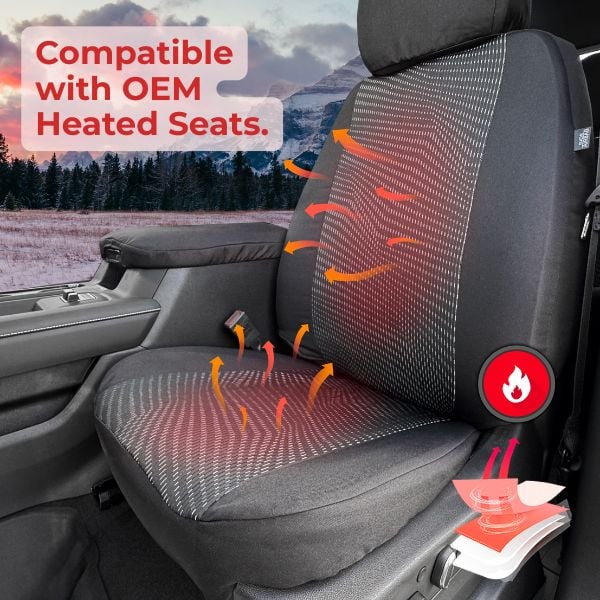
Credit: www.nwseatcovers.com
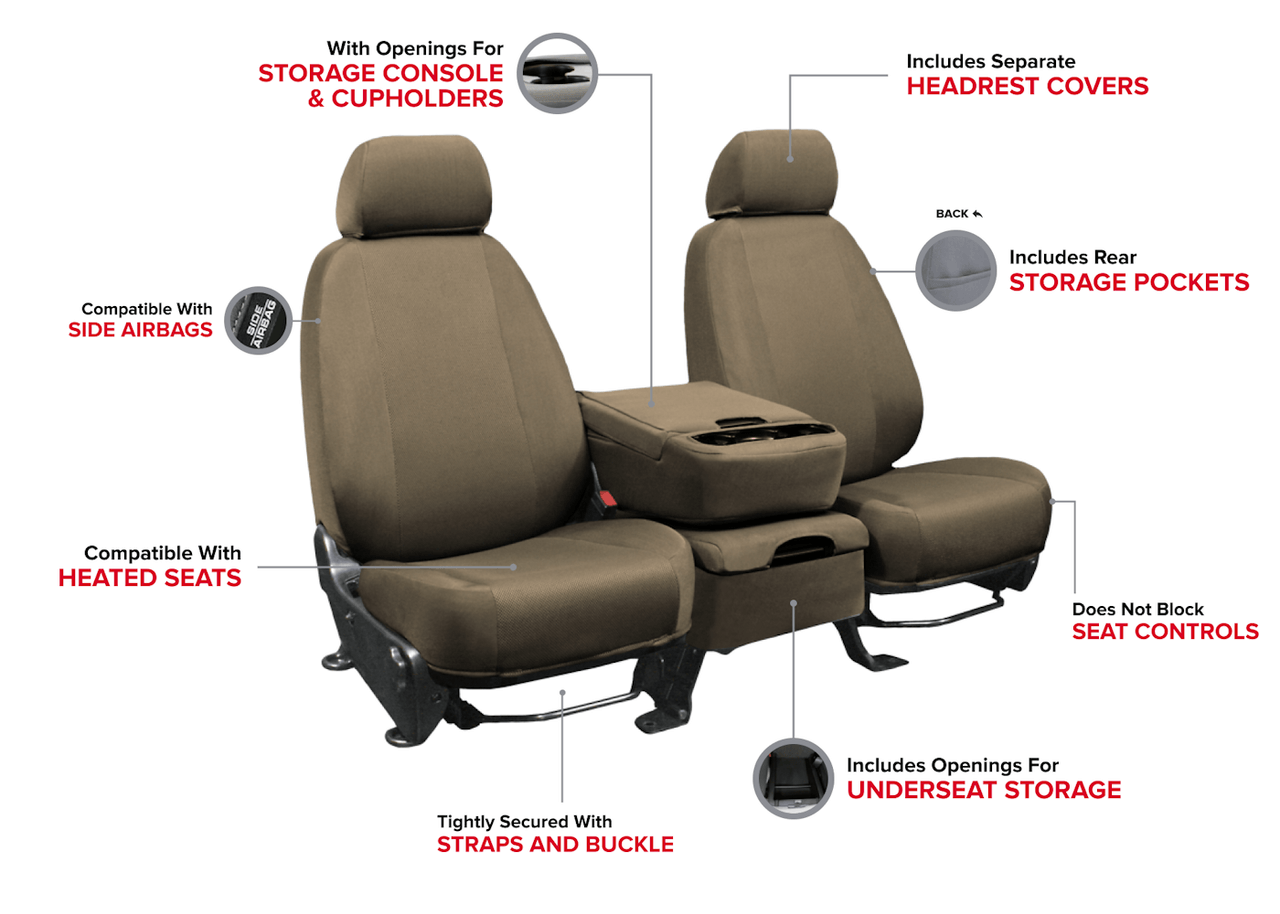
Credit: www.shearcomfort.com
Frequently Asked Questions
Which Seat Covers Are Compatible With Heated Seats?
Fabric and thin leather seat covers generally work best with heated seats. Avoid thick or insulated covers, as they block heat transfer. Look for covers explicitly labeled as “heated seat compatible” to ensure safe and effective use.
Can Heated Seats Damage All Types Of Seat Covers?
Heated seats usually do not damage covers made from breathable materials. However, thick or poorly ventilated covers may trap heat, causing wear or discomfort. Always choose covers designed to handle heat to maintain both seat cover and heating element integrity.
Do Leather Seat Covers Work Well With Heated Seats?
Thin, genuine leather seat covers are suitable for heated seats. They allow heat to penetrate efficiently without damage. However, thick or synthetic leather covers may reduce heating efficiency and cause uneven warmth distribution.
How To Maintain Seat Covers With Heated Seats?
Regular cleaning and using breathable materials help maintain seat covers on heated seats. Avoid using harsh chemicals or thick padding. Proper care extends both cover and seat heater lifespan while ensuring maximum comfort and safety.
Conclusion
Choosing the right seat covers keeps your heated seats working well. Thin, breathable fabrics let heat pass through easily. Avoid thick or insulated covers that block warmth. Look for covers made from materials like neoprene or mesh. These help maintain comfort and safety during cold days.
Proper seat covers protect your seats and keep you cozy. Remember, simple covers often work best with heated seats. Keep these tips in mind for a warm and comfortable ride every time.


