

Are you wondering which pressure washer tip is best for cleaning your car without causing damage? Choosing the right tip can make all the difference between a sparkling finish and unwanted scratches.
You’ll discover exactly which nozzle to use to get your car looking its best while keeping the paint safe. Keep reading to find out how to protect your investment and make your car shine like new every time you pressure wash.
Choosing The Right Pressure Washer Tip
Choosing the right pressure washer tip is key to cleaning your car safely and effectively. The tip controls the water flow and pressure. Using the wrong tip can damage your car’s paint or leave dirt behind. Knowing about different tips helps you make the best choice for your car wash.
Types Of Pressure Washer Tips
Pressure washer tips come in several types. Each type has a specific spray pattern and pressure level. Some tips focus water in a narrow stream. Others spray water in a wider fan shape. A narrow stream cleans tough dirt but may harm paint. A wide fan is gentler and covers more area. Choose a tip that balances cleaning power and care for your car’s surface.
How Nozzle Angles Affect Cleaning
Nozzle angles change how water hits your car. A 0-degree nozzle sprays water straight in a tight line. This is strong but risky for paint. Angles like 15, 25, and 40 degrees spread water wider. The wider the angle, the softer the spray. For cars, a 25 or 40-degree nozzle usually works best. It cleans well without causing damage.
Color Codes And Their Meanings
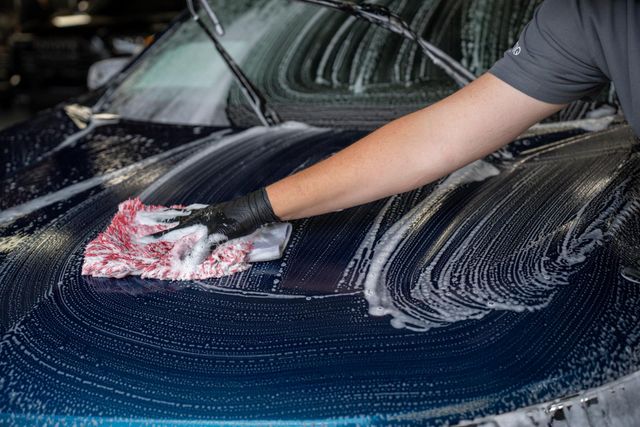
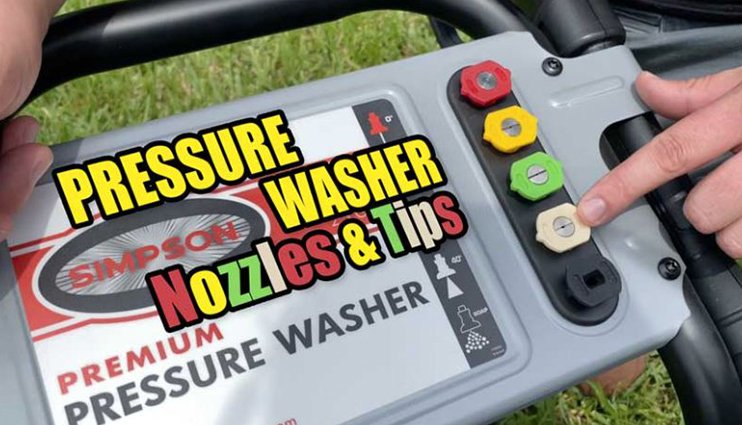
Pressure washer tips use colors to show their angles and power. Red means 0 degrees, very strong and narrow. Yellow is 15 degrees, still powerful but less risky. Green is 25 degrees, a good balance for cars. White is 40 degrees, gentle and wide. Black is low pressure, ideal for delicate surfaces. Use these colors to pick the safest tip for your car wash.
Credit: www.shinedetailingllc.com
Recommended Tips For Car Washing
Pressure washing a car needs care and the right tools. Using the correct tip on your pressure washer protects your paint and details. This section shares simple tips to help you clean your car safely and well.
Choosing the right nozzle and angle keeps your car looking great. Different materials on your car also need different handling. Follow these tips to avoid damage and get a fresh, clean shine.
Best Nozzle Angles For Car Surfaces
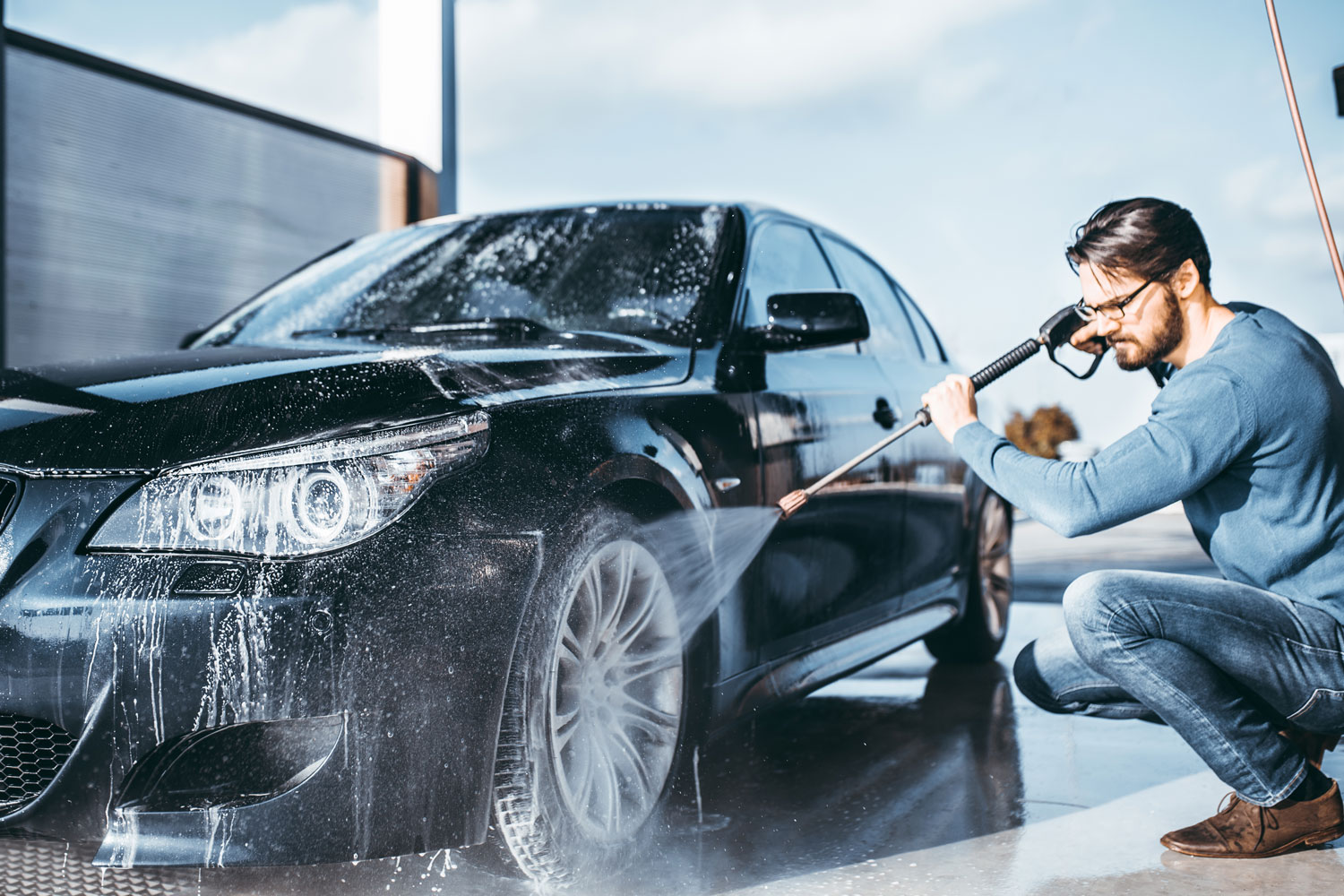
Hold the nozzle at a 45-degree angle to the car surface. This angle removes dirt without pushing water under parts. Avoid pointing the nozzle straight on to protect the paint. Keep the distance between 12 to 18 inches for safe cleaning.
Avoiding Damage With Gentle Tips
Use a nozzle with a wide spray pattern, such as 25 or 40 degrees. These tips spread water evenly and reduce pressure on the paint. Never use the 0-degree tip on your car. It can cause scratches and damage the finish.
Tips For Different Car Materials
Painted surfaces need the gentlest approach with wide nozzles. Glass can handle a little more pressure but keep the angle shallow. Tires and wheels may need a stronger spray but avoid metal parts to stop corrosion. Always test a small hidden area first before cleaning the whole car.
Pressure Settings And Distance
Choosing the right pressure settings and distance is key to cleaning your car safely. Too much pressure or being too close can damage the paint. Too little pressure or being too far might not clean well. Balancing these factors helps protect your car’s surface and gives a good clean.
Ideal Pressure Levels For Cars
Use a pressure level between 1200 and 1900 PSI. This range cleans dirt without harming the paint. Avoid pressures over 2000 PSI. High pressure can strip wax and scratch the surface. Start at a lower pressure and increase only if needed.
Maintaining Safe Distance While Washing
Keep the nozzle 12 to 18 inches from your car. Closer distances increase the pressure on paint. This can cause chips or scratches. Holding the nozzle too far reduces cleaning power. Find the right distance to clean well and protect the paint.
Adjusting Pressure Based On Dirt Levels
Light dirt needs low pressure and more distance. Tough dirt or mud may require higher pressure and closer spray. Use short bursts rather than a constant stream. Check the surface often to avoid damage. Adjust pressure and distance as you clean different areas.
Credit: simpsoncleaning.com
Additional Tools And Accessories
Pressure washing your car is easier with the right tools. Basic tips and nozzles help, but extra accessories improve cleaning. These tools save time and protect your car’s paint. They also make the job safer and more effective.
Foam Cannons And Soap Applicators
Foam cannons spray thick soap foam on your car. This foam sticks to dirt and grime. It softens tough spots for easier washing. Soap applicators help apply cleaning solutions evenly. Using these tools reduces scrubbing and protects paint. They also help cover large areas quickly.
Using Brushes And Mitts With Pressure Washers
Soft brushes and wash mitts remove dirt safely. Use them with low-pressure water to avoid damage. Brushes reach tight spots like wheels and grills. Mitts hold soap and offer gentle scrubbing. These tools help clean without scratching the surface.
Protective Gear And Safety Tips
Wear goggles to protect your eyes from splashes. Gloves keep your hands safe from chemicals and water. Use ear protection if the pressure washer is loud. Avoid pointing the spray at people or pets. Stand at a safe distance to prevent injury.
Common Mistakes To Avoid
Pressure washing your car is a great way to keep it clean. Avoid mistakes that can damage your paint or waste water. Knowing common errors helps you protect your vehicle and get the best results. Here are key mistakes to avoid for safe and effective pressure washing.
Using Too High Pressure
High pressure can harm your car’s paint and windows. Use a pressure washer with 1200 to 1900 PSI. This range cleans well without causing damage. Avoid pressure settings above 2000 PSI to protect your car’s surface.
Incorrect Nozzle Selection
Nozzles control spray angle and force. A 25-degree nozzle is best for washing cars. It offers good cleaning without being too strong. Avoid narrow nozzles like 0 or 15 degrees. They can scratch or strip paint easily.
Skipping Pre-rinse Or Post-wash Rinse
Pre-rinse loosens dirt before washing. Skipping it can cause scratches during cleaning. Post-wash rinse removes soap and residue. Missing this step leaves streaks and spots on your car. Both rinses improve cleaning and protect the finish.
Credit: www.capitalone.com
Frequently Asked Questions
What Pressure Washer Tip Is Best For Cars?
Use a 25-degree or 40-degree nozzle for cars. These tips provide a wide spray that cleans without damaging paint or trim. Avoid narrow tips as they can be too harsh on the car’s surface.
Can I Use A High-pressure Tip On My Car?
No, high-pressure tips can damage your car’s paint and decals. Stick to medium or wide spray tips to safely remove dirt without causing harm.
How Far Should I Hold The Pressure Washer From My Car?
Maintain a distance of 12 to 18 inches between the nozzle and your car. This prevents paint damage while effectively cleaning dirt and grime.
Is A Foam Cannon Tip Suitable For Car Washing?
Yes, a foam cannon tip works great with soap. It creates thick foam that loosens dirt gently, making rinsing easier and safer for the car’s surface.
Conclusion
Choosing the right pressure washer tip keeps your car safe and clean. A 25-degree tip works best for most areas. Use a lower pressure tip for delicate parts. Always start with the gentlest setting to avoid damage. Keep some distance between the nozzle and the car surface.
Cleaning your car becomes easier and faster with the right tip. Remember, gentle pressure protects the paint and finish. This simple step makes a big difference in your car wash routine.


