
Have you ever wondered what makes Wet Okole seat covers so special? If you’re looking for durable, comfortable, and long-lasting protection for your car seats, knowing the type of rubber used is key.
Understanding this can help you decide if Wet Okole is the right choice for your vehicle. You’ll discover exactly what type of rubber these seat covers are made from and why it matters for your comfort and car’s interior. Keep reading to learn what sets Wet Okole apart and how it can benefit you every time you hit the road.

Credit: desertcraft-us.3dcartstores.com
Material Composition
Wet Okole seat covers are popular for their comfort and durability. Their material composition plays a big role in these qualities. Understanding what type of rubber they use helps explain why they feel soft and last long. The rubber in Wet Okole covers is carefully chosen to balance strength and flexibility.
These seat covers combine rubber with other materials to create a smooth, water-resistant surface. The choice between natural and synthetic rubber affects how the cover performs in different conditions. Let’s explore the types of rubber used and the key ingredients in Wet Okole seat covers.
Natural Vs Synthetic Rubber
Natural rubber comes from rubber trees. It is soft and elastic, making it very comfortable. It also resists wear and tear well. Synthetic rubber is made from chemicals in factories. It can be designed to resist heat, oil, and chemicals better than natural rubber.
Wet Okole seat covers often use a mix of both types. This mix gives a good balance of comfort and durability. The natural rubber helps the cover stay soft. The synthetic rubber makes it strong and water-resistant.
Key Ingredients In Wet Okole Covers
Besides rubber, Wet Okole covers include other materials. These help improve texture and durability. Some key ingredients are polyurethane and neoprene. Polyurethane adds softness and stretch. Neoprene makes the cover waterproof and durable.
The rubber blend is also treated with special additives. These additives protect the cover from sun damage and fading. They keep the colors bright and the material flexible. This careful mix of ingredients creates the unique feel and strength of Wet Okole seat covers.

Credit: www.wetokole.com
Properties Of Wet Okole Rubber
Wet Okole seat covers are made from a special type of rubber. This rubber has unique properties that make it ideal for seat covers. It protects seats well and lasts a long time. The rubber’s nature also helps keep the environment safe.
Water Resistance
Wet Okole rubber does not absorb water. It repels moisture, keeping the seat dry. This property prevents mold and mildew growth. It also helps maintain comfort during rainy weather. The water-resistant nature makes cleaning easy and fast.
Durability And Flexibility
This rubber is tough and lasts through wear and tear. It can bend and stretch without breaking. The flexibility allows it to fit seat shapes perfectly. It resists cracking even in hot or cold weather. This makes Wet Okole covers reliable for daily use.
Environmental Impact
Wet Okole rubber is eco-friendly. It uses natural materials that break down safely over time. The production process creates less pollution than synthetic rubbers. Choosing Wet Okole helps reduce waste and protect nature. It is a smart choice for green living.
Manufacturing Process
The manufacturing process of Wet Okole seat covers uses specific types of rubber designed for durability and comfort. This process ensures each cover fits well and lasts long. Understanding the steps helps appreciate the quality behind these seat covers.
Sourcing Raw Materials
The rubber used in Wet Okole seat covers starts as natural latex or synthetic rubber. Suppliers provide high-quality rubber that meets strict standards. This raw material forms the base of the seat covers. Quality control checks the rubber to ensure it is free from defects and impurities.
Molding And Shaping Techniques
The raw rubber is heated and softened for molding. It is then pressed into molds shaped like seat covers. This step creates the perfect fit for different vehicle models. The rubber hardens in the mold, keeping its shape and flexibility. Skilled workers monitor the process to maintain consistency and strength.
Finishing Touches
After molding, the covers undergo trimming to remove excess rubber. Edges are smoothed for comfort and safety. The surface may receive treatments to improve water resistance and durability. Final quality checks ensure the covers meet all specifications before packaging.
Credit: comunisostenibili.eu
Benefits Of Wet Okole Rubber
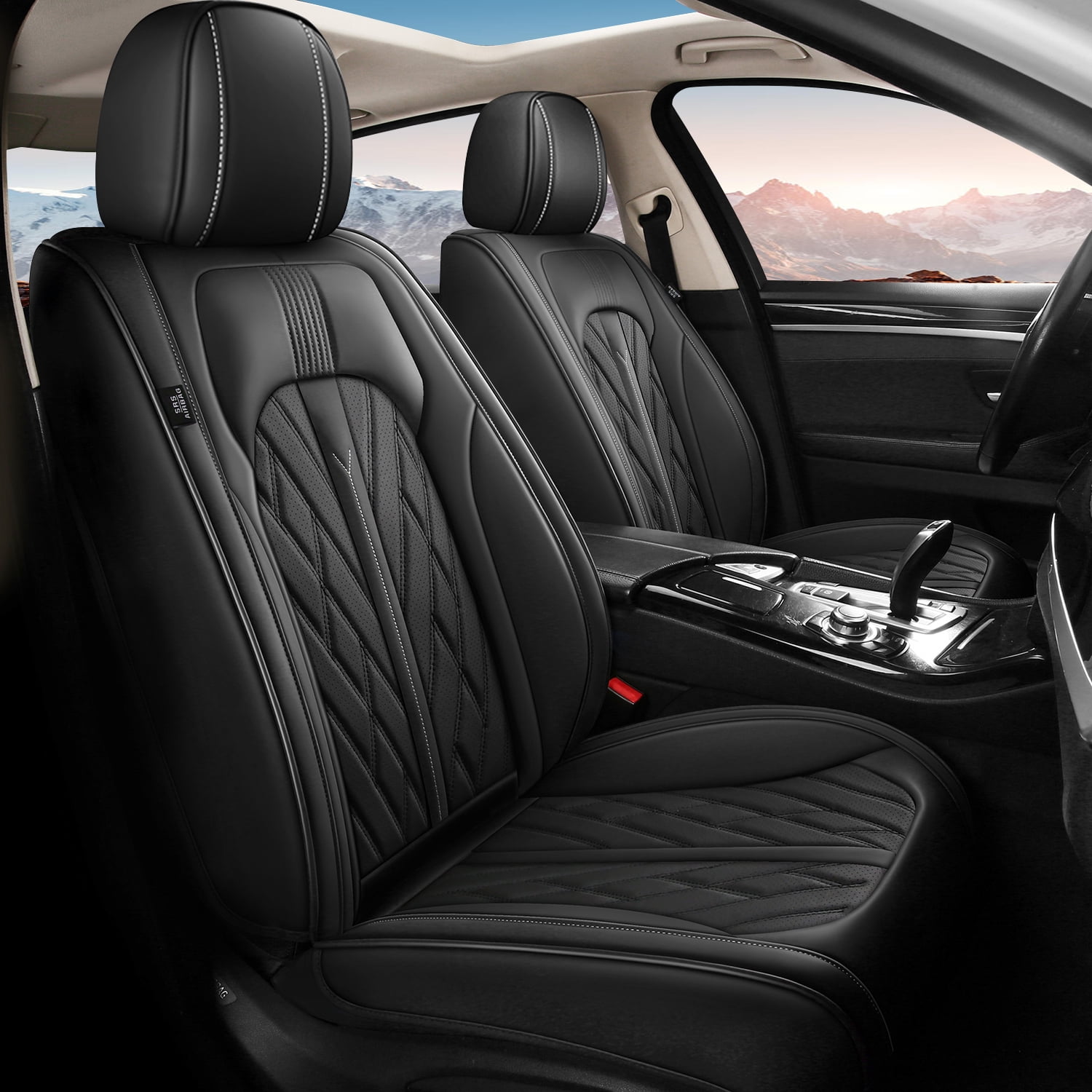
Wet Okole seat covers use a special type of rubber that offers many benefits. This rubber is soft but strong, giving a great balance for car seats. Drivers and passengers enjoy the comfort and protection these covers provide. The material also lasts a long time, making it a smart choice for regular use. Cleaning and caring for Wet Okole rubber is simple, saving time and effort.
Comfort And Fit
Wet Okole rubber is flexible and molds to the shape of the seat. This ensures a snug fit that feels natural. The softness adds comfort during long drives. It also reduces slipping, keeping you safe and secure. The material breathes well, helping to avoid heat build-up. This makes every ride more pleasant and cozy.
Longevity
The rubber used in Wet Okole covers resists wear and tear. It stands up well against sunlight and heat without cracking. The strong material also handles spills and stains easily. This durability means covers stay looking good for years. Choosing Wet Okole means fewer replacements and less waste.
Maintenance Ease
Wet Okole rubber is easy to clean with just water and mild soap. It dries quickly and does not absorb odors. The material resists stains and dirt, keeping seats fresh. Regular wiping keeps the covers looking new. This low maintenance saves time and keeps your car neat.
Comparison With Other Seat Cover Materials
Wet Okole seat covers are made from a special type of rubber that offers unique benefits. Comparing this rubber to other common seat cover materials helps to see why many choose Wet Okole. Each material has its strengths and suits different needs. Understanding these differences can guide you in picking the right seat covers for your vehicle.
Leather Vs Rubber
Leather seat covers look stylish and feel soft. They add a touch of luxury to any car. But leather can get hot in the sun and cold in winter. It can also wear out quickly with heavy use. Wet Okole rubber covers resist heat and cold better. They do not crack or fade like leather. Rubber covers are easier to clean and maintain. They offer a durable and practical option for everyday use.
Fabric Vs Rubber
Fabric seat covers come in many colors and patterns. They feel comfortable and breathe well. Still, fabric can stain easily and absorb odors. It can also be hard to clean. Rubber covers like Wet Okole do not absorb spills or smells. They wipe clean in seconds. Rubber is waterproof and protects seats from dirt and moisture. This makes Wet Okole ideal for active people and families with kids or pets.
Cost And Value
Leather seat covers tend to be expensive. High-quality fabric covers vary in price but usually cost less than leather. Wet Okole rubber covers fall between these options. They offer strong value because of their long life and easy care. You spend less time and money on cleaning or replacing them. The durability of rubber covers often saves money over time. Choosing Wet Okole means investing in comfort and protection that lasts.
Care Tips For Rubber Seat Covers
Taking care of Wet Okole rubber seat covers helps keep them looking good. Proper care extends their life and keeps the rubber soft and flexible. Simple steps can protect your seat covers from wear and damage. Follow these tips to maintain your rubber seat covers in top shape.
Cleaning Methods
Use mild soap and water to clean the covers. Avoid strong chemicals that can break down the rubber. Gently wipe the surface with a soft cloth or sponge. Rinse with clean water to remove soap residue. Let the covers air dry fully before use.
Storage Advice
Store seat covers in a cool, dry place away from sunlight. Avoid folding them tightly to prevent creases. Roll them loosely or hang if possible. Keep covers away from heat sources like radiators or heaters. Proper storage stops the rubber from cracking or becoming stiff.
Avoiding Damage
Do not use sharp objects near the covers. Avoid exposure to oils, solvents, and gasoline. These substances can weaken the rubber material. Limit direct sunlight exposure to prevent fading and drying out. Check covers regularly for signs of wear or cracks.
Frequently Asked Questions
What Type Of Rubber Is Used In Wet Okole Seat Covers?
Wet Okole seat covers are made from neoprene rubber. Neoprene is durable, flexible, and water-resistant, ideal for protecting seats. It offers excellent cushioning and resists oil, UV rays, and weathering, making it perfect for automotive and outdoor use.
Why Choose Neoprene Rubber For Wet Okole Covers?
Neoprene rubber provides superior durability and comfort. It resists water, UV rays, and temperature changes. This makes Wet Okole covers long-lasting and ideal for harsh environments. The material also offers excellent grip and cushioning for seats.
How Does Wet Okole Rubber Protect Car Seats?
Wet Okole’s neoprene rubber creates a waterproof barrier that repels spills and stains. It cushions seats against wear and tear. The material prevents fading and cracking from sun exposure, maintaining seat appearance and comfort.
Is Neoprene Rubber Eco-friendly In Wet Okole Covers?
Neoprene is partially recyclable but not fully biodegradable. Wet Okole emphasizes sustainable practices in manufacturing. Using neoprene helps extend seat life, reducing waste from frequent replacements, which supports environmental responsibility.
Conclusion
Wet Okole seat covers use durable, soft rubber that feels comfortable. This rubber resists water and wear, making it great for seats. It also stretches well, fitting seats tightly and smoothly. The material lasts long, even in tough weather. Choosing Wet Okole means getting strong, flexible rubber for your car.
It keeps seats dry and protected every day. This type of rubber suits many drivers who want comfort and quality. Simple, effective, and reliable—Wet Okole rubber works well.


