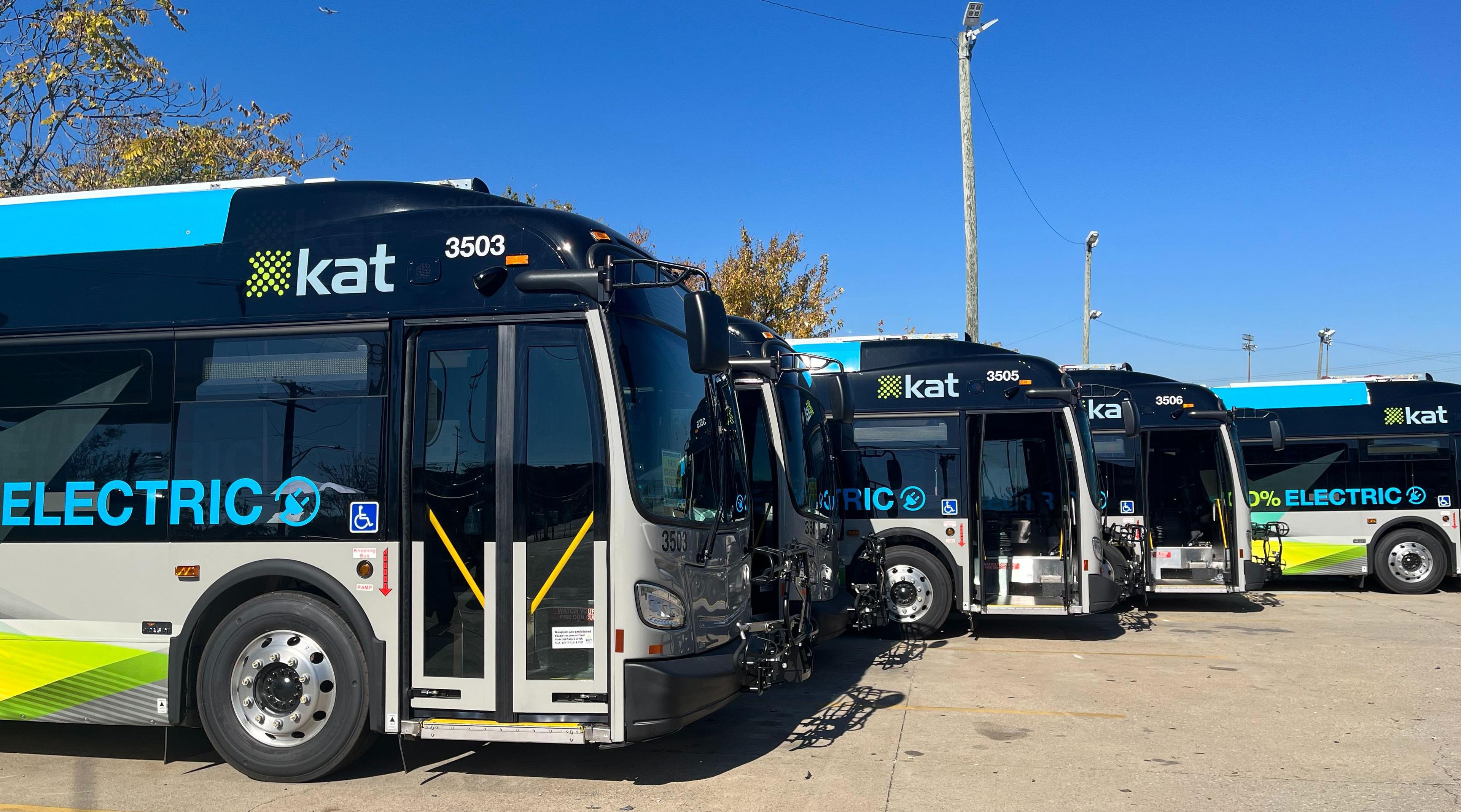
Have you ever noticed those shiny covers on the wheels of transit buses and wondered why they’re there? You might think they’re just for looks, but there’s more to wheel covers than meets the eye.
Understanding the real reason behind these covers can change the way you see public transportation. You’ll discover how wheel covers impact safety, efficiency, and even the environment. Keep reading—you’ll find out why these simple additions play a big role in your daily commute.
Purpose Of Wheel Covers
Wheel covers on transit buses serve important roles beyond just appearance. They help keep the wheels safe and the bus running smoothly. These covers protect the wheels from damage and improve safety for passengers and pedestrians.
Protection Against Debris
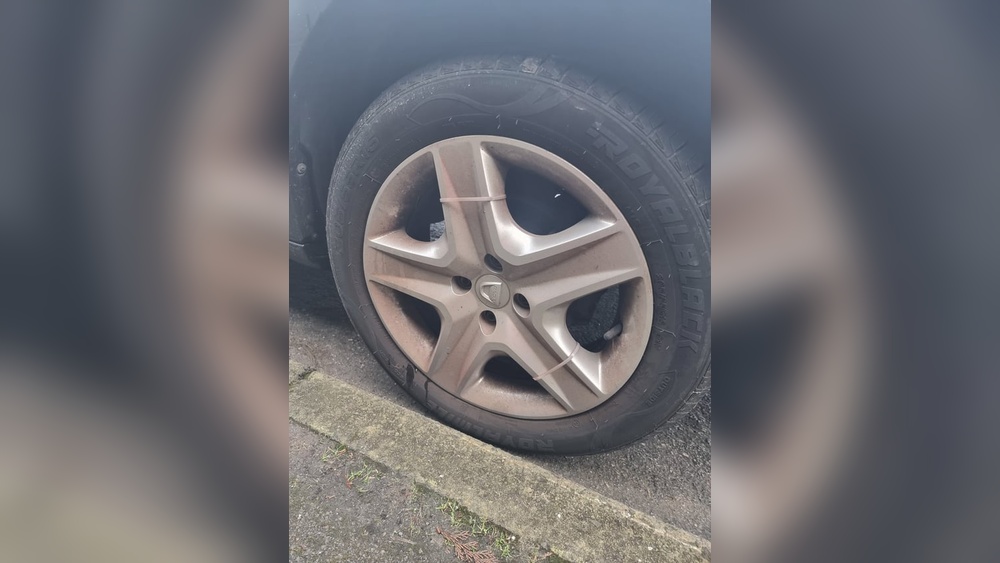
Wheel covers shield wheels from dirt, stones, and road debris. This prevents damage to the tires and rims. Less dirt buildup means fewer maintenance problems. Clean wheels also help the bus run more efficiently. Covers reduce the risk of punctures and wear.
Enhanced Safety Measures
Wheel covers reduce the chance of accidents caused by loose objects. They keep debris from flying off the wheels and hitting pedestrians or other vehicles. Covers also improve visibility of the bus’s moving parts. This helps drivers and people nearby stay alert. Safety on the road increases with these covers in place.

Credit: www.carpenterbusparts.com
Aesthetic Improvements
Wheel covers on transit buses improve their look. They help the bus look neat and modern. This makes the bus more pleasant to see on city streets. Clean and smooth wheels catch the eye of passengers and passersby.
Sleek Appearance
Wheel covers hide ugly bolts and mechanical parts. They create a smooth, clean surface on the wheels. This smooth look adds style to the bus. It makes the bus seem faster and more polished. A neat wheel design improves the overall bus image.
Branding Opportunities
Wheel covers offer space for logos and colors. Transit companies use this space to show their brand. It helps people recognize the bus quickly. Custom designs on wheel covers support brand identity. This small detail builds trust and familiarity with riders.
Fuel Efficiency Benefits
Wheel covers on transit buses help improve fuel efficiency by lowering air resistance. This small change can lead to noticeable savings in fuel over time. Transit buses run many hours daily, so even slight improvements matter.
These covers smooth out the airflow around wheels. This reduces drag and helps the bus use less energy to move forward. The result is less fuel burned and lower costs for transit agencies.
Reduced Air Drag
Wheel covers create a smoother surface around the wheels. Open wheels cause air to swirl and create drag. Covers stop this swirling air by closing gaps and smoothing edges.
Less drag means the engine does not work as hard. The bus moves more easily through the air. This reduces fuel consumption, especially at higher speeds.
Impact On Transit Operations
Lower fuel use means transit agencies save money on fuel bills. These savings can be used for better services or new buses. Fuel-efficient buses also produce fewer emissions, helping cities meet clean air goals.
Wheel covers require little maintenance and can be added to existing buses. This makes them a cost-effective way to boost fuel efficiency without major changes.
Credit: www.mobilityhouse.com
Maintenance Advantages
Wheel covers on transit buses offer clear maintenance advantages. They help keep the wheels cleaner and protect them from damage. This lowers repair costs and saves time on upkeep. Maintenance teams find it easier to work with covered wheels.
These covers reduce dirt and grime buildup. They also shield the wheels from harsh road conditions. This makes bus maintenance simpler and more efficient.
Easier Cleaning
Wheel covers block mud, dust, and road debris from sticking to wheels. This means less scrubbing and washing for maintenance crews. Cleaning buses is quicker with covers in place. The smooth surface of covers lets water rinse off dirt easily.
Regular cleaning keeps wheels in good shape. It also helps spot issues like cracks or rust early. Wheel covers reduce the effort needed to maintain a clean, safe bus fleet.
Damage Prevention
Wheel covers act as a shield against stones, salt, and other road hazards. They protect the metal parts from scratches and corrosion. This extends the life of the wheels and rims.
Covers prevent small dents and chips that can lead to bigger problems. They reduce wear and tear caused by weather and rough roads. Overall, wheel covers lower repair bills and downtime for buses.
Noise Reduction Effects
Wheel covers on transit buses do more than just improve looks. They play a key role in reducing noise. Noise reduction helps create a quieter environment inside and outside the bus. This makes travel more pleasant for passengers and people nearby.
The design and material of wheel covers help block sound from the tires and road. They act like a shield, stopping noise from spreading far. This is especially helpful in busy city streets.
How Wheel Covers Block Road Noise
Road noise comes from tires rolling on pavement. Wheel covers help by covering the gaps around wheels. This limits the space where noise can escape. The covers absorb some sound waves, making the noise softer.
Reducing Air Turbulence Noise
Air moving around spinning wheels creates extra noise. Wheel covers smooth the airflow around wheels. This reduces the sound caused by air turbulence. Less turbulence means less loud wind noise during travel.
Benefits For Passengers And Surroundings
Lower noise makes rides more comfortable for passengers. It helps drivers hear important sounds better. Quieter buses also reduce noise pollution in cities. This improves life for people living near bus routes.
Environmental Impact
Wheel covers on transit buses have a key role in reducing environmental harm. These covers help improve the bus’s overall efficiency. This leads to less fuel use and fewer emissions. Environmental concerns drive many cities to adopt such eco-friendly solutions.
Transit buses run daily in busy areas. Cutting down their emissions benefits air quality. Cleaner air means healthier people and a better planet. Wheel covers contribute quietly but effectively to this change.
Lower Emissions
Wheel covers reduce air resistance around the tires. This makes the bus use less energy to move. Less energy means the engine burns less fuel. Burning less fuel produces fewer harmful gases. These include carbon dioxide and nitrogen oxides. Lower emissions help fight climate change. They also reduce smog and improve city air quality.
Sustainability Considerations
Using wheel covers supports sustainable transport goals. They are often made from recyclable or durable materials. This reduces waste and the need for frequent replacements. Transit agencies can lower their environmental impact over time. Sustainable choices in bus design help cities meet green targets. Small changes like wheel covers add up to big benefits.
Cost Implications
Cost plays a big role in choosing wheel covers for transit buses. These covers affect the budget in two main ways: the initial investment and the long-term savings. Understanding these helps transit agencies make smart decisions.
Initial Investment
Buying wheel covers means extra upfront costs. These costs include buying the covers and installing them on the bus wheels. Some covers cost more because they use strong materials or special designs. Transit agencies need to plan their budget to cover these costs.
Still, the price varies by brand and quality. Cheaper covers may save money at first but might not last long. Stronger covers often cost more but protect the wheels better.
Long-term Savings
Wheel covers help protect wheels from dirt, damage, and weather. This protection cuts down on repair and replacement costs. Fewer repairs mean less money spent on fixing wheels over time.
Also, covers can improve fuel efficiency by reducing air drag. This means buses use less fuel, saving money every day. Savings add up fast for fleets running many buses.
Investing in quality wheel covers helps keep transit costs lower in the long run.

Credit: www.reddit.com
Frequently Asked Questions
Why Do Transit Buses Have Wheel Covers?
Wheel covers protect transit bus wheels from dirt and damage. They also improve aerodynamics, reducing fuel consumption and noise. Additionally, covers enhance the bus’s appearance, making it look clean and professional.
How Do Wheel Covers Improve Bus Fuel Efficiency?
Wheel covers streamline airflow around the wheels. This reduces drag and lowers wind resistance. As a result, buses use less fuel, saving energy and cutting operational costs over time.
Do Wheel Covers Protect Bus Wheels From Damage?
Yes, wheel covers shield wheels from dirt, debris, and road salt. This protection helps prevent corrosion and wear, extending the lifespan of tires and rims. It also reduces maintenance and repair needs.
Are Wheel Covers On Transit Buses Mandatory?
Wheel covers are not always mandatory but highly recommended. Transit authorities use them to improve safety, efficiency, and aesthetics. Their benefits often outweigh the cost of installation and upkeep.
Conclusion
Wheel covers on transit buses serve important purposes. They protect wheels from dirt and damage. Covers also improve the bus’s look and make cleaning easier. They help reduce air drag, saving fuel. Safety improves as covers keep parts secure. Understanding these reasons shows why covers are common.
Next time you see a bus, notice its wheel covers. They are small but useful parts of transit buses.