

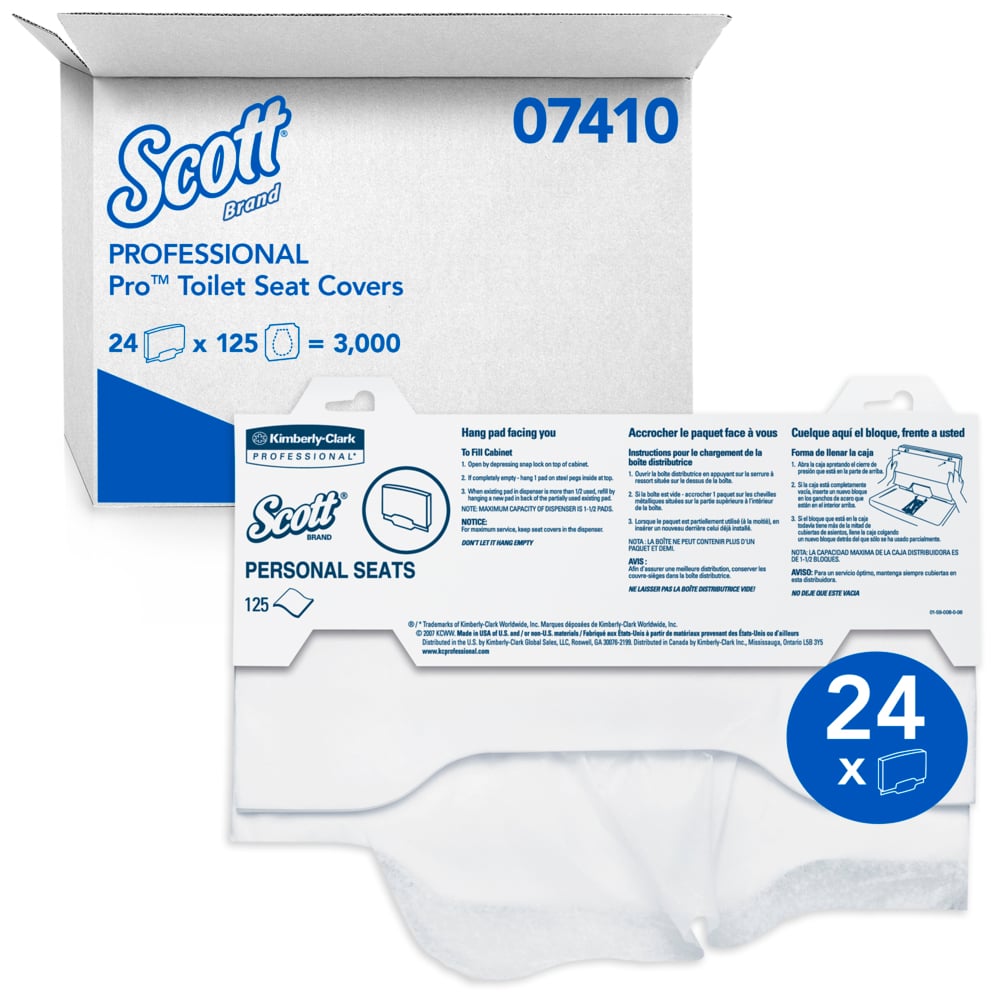
Have you ever walked into a public restroom in Canada and noticed something missing? No toilet seat covers.
It might seem odd, especially if you’re used to seeing them elsewhere. You might wonder why Canada doesn’t provide these simple hygiene products like other countries do. This little detail could change the way you think about cleanliness and public restrooms in Canada.
Keep reading, and you’ll discover the surprising reasons behind this, and what it means for you the next time you visit a Canadian bathroom.
Credit: www.kcprofessional.com
Public Restroom Hygiene Norms
Public restroom hygiene norms shape how facilities are maintained and used. These norms reflect cultural habits, health standards, and public expectations. They decide what users find in restrooms and how clean those spaces feel.
In Canada, public restrooms follow specific hygiene practices that differ from many other countries. These practices influence the absence of toilet seat covers. Understanding these norms helps explain why Canadians manage restroom hygiene the way they do.
Common Practices In Canada
Canadian public restrooms focus on cleanliness through regular cleaning. Most places use strong disinfectants and sanitize seats frequently. Users rely on paper towels or hand dryers to keep hands clean.
Many restrooms offer toilet paper but not disposable seat covers. Canadians often trust the cleaning routines over seat covers. Using a quick wipe with toilet paper before sitting is common. This habit reduces the need for seat covers.
Comparison With Other Countries
Some countries provide toilet seat covers in public restrooms as a hygiene measure. For example, in the United States, seat covers are common in many public places. They give users a barrier between skin and seat.
In contrast, Canada prioritizes frequent cleaning over disposable covers. Many Europeans also avoid seat covers, like Canadians. Instead, they rely on cleaning and personal hygiene habits.
This difference shows that hygiene norms vary by culture and expectations. Seat covers are one way to keep restrooms clean, but not the only way.
Cultural Attitudes Toward Cleanliness
Different countries have unique habits about cleanliness. In Canada, people trust regular cleaning over seat covers. Many believe toilet seats stay clean enough without extra covers.
Canadian Views On Public Hygiene
Canadians take cleanliness seriously in public spaces. They believe in keeping things tidy and safe for everyone. This belief shapes how they view public hygiene, including bathrooms. People expect facilities to be clean without extra protections like toilet seat covers. They trust regular cleaning and personal habits to maintain hygiene. The idea of using seat covers seems less necessary in their culture.
Impact On Toilet Facilities
Public restrooms in Canada often focus on cleanliness through maintenance and design. Many bathrooms use materials that are easy to clean and resist germs. This reduces the need for disposable seat covers. Signs encourage users to practice good hygiene, such as washing hands. The design and upkeep reflect the cultural trust in cleanliness standards. This approach keeps public toilets simple and efficient.
Environmental Considerations
Environmental concerns shape many choices in public spaces across Canada. Toilet seat covers are often left out due to their environmental impact. Using fewer disposable products helps reduce waste and protect nature.
Waste Reduction Efforts
Toilet seat covers add a lot of paper waste. Many public restrooms choose not to provide them to cut down trash. This decision helps lessen the burden on landfills and reduces the need for constant restocking. It also lowers the energy used in making and transporting these covers.
Sustainability In Restroom Design
Restrooms in Canada often focus on lasting solutions. Designs include easy-to-clean surfaces and strong materials. This reduces the need for disposable items like seat covers. Sustainable choices like these save resources and create cleaner bathrooms over time.
Health And Safety Regulations
Health and safety regulations shape many public practices in Canada. These rules focus on preventing disease and promoting cleanliness. Toilet seat covers are not common here, partly due to these standards. Authorities trust other methods to keep public restrooms safe and clean.
Government Guidelines
Canadian health officials provide clear rules for restroom hygiene. They emphasize cleaning and disinfecting surfaces regularly. The guidelines do not require toilet seat covers. Instead, they recommend using strong cleaning products and frequent maintenance. These rules help reduce the spread of germs effectively.
Effectiveness Of Alternative Measures
Many believe toilet seat covers protect users from germs. Studies show that thorough cleaning works better. Public washrooms use disinfectants that kill most bacteria and viruses. Air drying and hand washing also play key roles. These steps help maintain hygiene without needing seat covers.
Alternative Hygiene Solutions
Canada often skips toilet seat covers in public restrooms. Instead, many places use other ways to keep restrooms clean and safe. These alternative hygiene solutions help reduce germs and keep users comfortable.
People trust these methods more than seat covers. They focus on cleaning hands and reducing touch points. This helps stop the spread of bacteria and viruses in busy restrooms.
Use Of Hand Sanitizers
Hand sanitizers are common in Canadian restrooms. They kill germs quickly and are easy to use. Many places place sanitizer dispensers near the restroom entrance or exit. This encourages users to clean their hands before and after using the toilet.
Sanitizers work well even when soap and water are not available. They help lower the risk of infections. This simple step adds a strong layer of protection in public spaces.
Touchless Technology In Restrooms
Touchless devices are popular in Canadian washrooms. Automatic faucets, soap dispensers, and hand dryers reduce contact with surfaces. This lowers the chance of germ transfer between users.
Many toilets now have sensor-activated flush systems. These flush automatically after use. This keeps the restroom cleaner and more hygienic. Touchless technology makes public restrooms safer and easier to use.
Credit: www.etsy.com
Public Perception And Feedback
Public perception shapes many habits in Canada, including the absence of toilet seat covers. People share their thoughts openly, influencing what becomes normal. Feedback from users helps explain why seat covers are rare here. Understanding these views shows the cultural and practical reasons behind this trend.
User Experiences
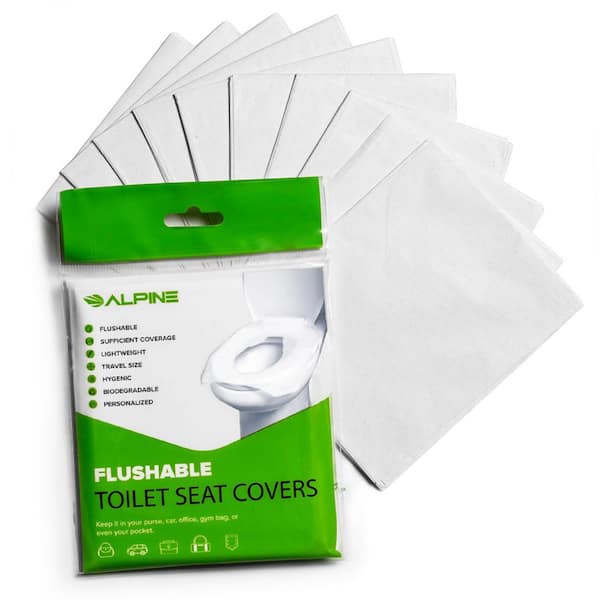
Many Canadians feel that toilet seat covers are not needed. They trust regular cleaning and hygiene practices more. Some say seat covers can be wasteful and clog toilets. Others find them unnecessary because public restrooms are well maintained. Personal comfort and trust in cleanliness guide their choices. Most users prefer to avoid extra steps during bathroom visits.
Common Misconceptions
Some people believe all public toilets are dirty without seat covers. This is not always true in Canada. Many restrooms use strong cleaning routines to keep seats clean. Another myth is that seat covers offer full protection from germs. Experts say washing hands is more effective for hygiene. Misunderstandings like these affect how people view seat covers. Clearing up these myths helps explain their absence in Canadian bathrooms.
Credit: www.homedepot.com
Frequently Asked Questions
Why Doesn’t Canada Use Toilet Seat Covers?
Canada relies on frequent cleaning and high hygiene standards instead of toilet seat covers. Public washrooms focus on sanitation and maintenance rather than disposable covers. This approach reduces waste and costs while maintaining cleanliness effectively.
Are Toilet Seat Covers Common In Canadian Public Bathrooms?
No, toilet seat covers are rarely found in Canadian public bathrooms. Instead, facilities prioritize cleaning and use antibacterial sprays. This practice aligns with Canadian hygiene regulations and environmental concerns.
How Do Canadians Maintain Toilet Hygiene Without Seat Covers?
Canadians maintain toilet hygiene through regular cleaning, disinfectants, and public awareness. Washrooms are cleaned multiple times daily to ensure sanitation. This method effectively reduces germs without needing seat covers.
Do Environmental Concerns Affect Toilet Seat Cover Usage In Canada?
Yes, environmental concerns significantly reduce toilet seat cover use in Canada. Disposable covers create unnecessary waste and environmental impact. Canada promotes sustainable practices, favoring cleaning over single-use products.
Conclusion
Canada’s choice not to use toilet seat covers relates to cultural habits and hygiene standards. Public restrooms in Canada often focus on cleanliness through regular cleaning. People trust these practices more than disposable covers. This difference shows how habits vary worldwide.
Understanding this helps travelers adjust and feel comfortable. It also highlights how simple things reflect bigger cultural ideas. Next time you visit Canada, you’ll know what to expect. Small details tell a big story.

