

Have you ever wondered why paper toilet seat covers are so common in some places but almost nowhere else? If you travel often or have used public restrooms abroad, you might notice this strange difference.
It’s not just about hygiene or convenience—there are surprising reasons behind it that affect your comfort and health. Keep reading, and you’ll discover why other countries don’t use these simple paper covers and what that means for you every time you visit a public restroom.
Global Toilet Habits
Toilet habits vary widely across the world. Different countries have unique ways of using and maintaining bathrooms. These differences affect the presence or absence of items like paper toilet seat covers. Understanding global toilet habits helps explain why some places do not use these covers.
Cultural Differences In Bathroom Etiquette
People’s bathroom habits reflect their culture and traditions. In some countries, water is the main cleaning method, not paper. This reduces the need for toilet seat covers. Cleanliness is important everywhere, but the ways to stay clean differ. Some cultures see toilet seat covers as unnecessary or wasteful. Others focus more on washing hands and using water for hygiene.
Variations In Toilet Design Worldwide
Toilet designs vary greatly worldwide. Squat toilets are common in many countries. They have no seats, so covers are not useful. Western-style toilets usually have seats, but designs differ in size and shape. Some toilets have built-in cleansing features, reducing the need for covers. These differences affect what items are standard in bathrooms. Toilet seat covers fit well with some designs but not all.
History Of Toilet Seat Covers
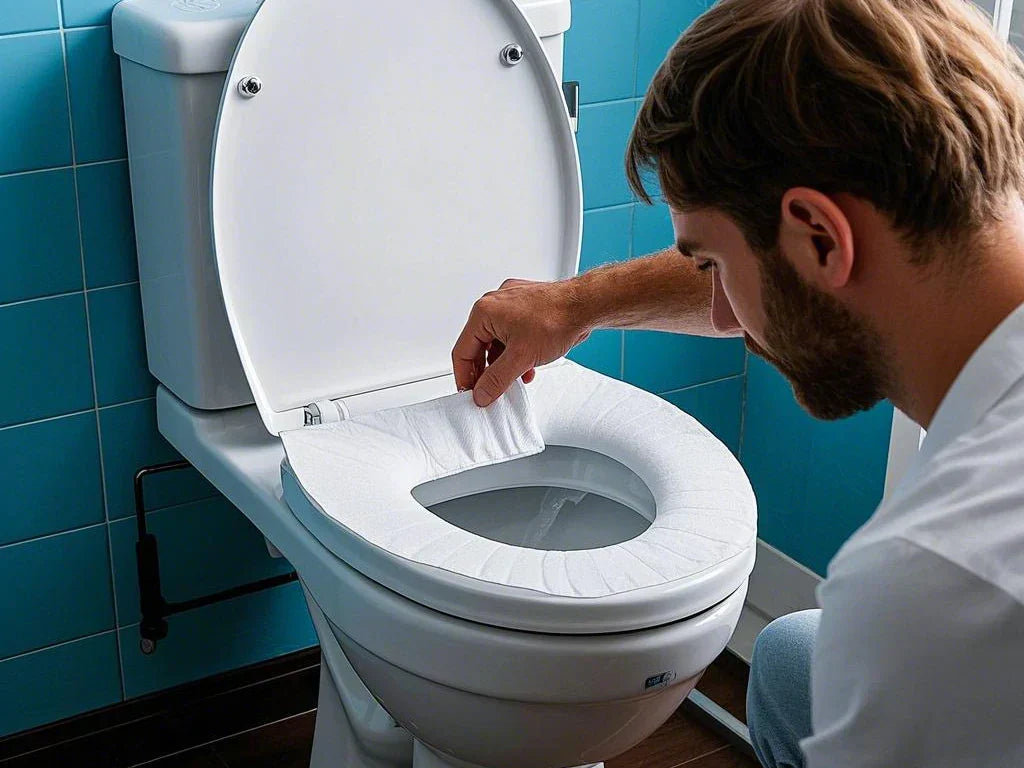
Toilet seat covers have an interesting history that many do not know. These covers were made to improve hygiene in public restrooms. They provide a simple barrier between the skin and the toilet seat. The use and popularity of these covers vary greatly across the world.
Origins And Popularity In Certain Countries
Paper toilet seat covers first appeared in the early 1900s. They became popular in the United States and some European countries. Public health concerns drove their use in busy places like airports and restaurants. People wanted to avoid contact with germs on toilet seats. This led to widespread use in these regions for many decades.
These covers were seen as a cheap and easy way to improve bathroom hygiene. They often came in dispensers next to the toilet. Their use spread quickly where public awareness of cleanliness grew.
Decline And Alternatives In Other Regions
Some countries never widely adopted paper toilet seat covers. Reasons include different hygiene habits and restroom designs. In many Asian countries, squat toilets are common, reducing the need for seat covers. Other places rely more on cleaning routines than disposable covers.
Today, many public restrooms use alternatives like self-cleaning seats or bidets. In some areas, cultural views also affect the use of paper covers. These factors lead to a decline in their popularity outside certain countries.
Hygiene Perspectives
Hygiene plays a major role in why some countries do not use paper toilet seat covers. Different cultures have varied ideas about cleanliness. These ideas shape what is seen as necessary for public restrooms. Understanding these hygiene perspectives helps explain the absence of paper seat covers in many places.
Many people believe that touching a public toilet seat is not very risky. This belief changes how hygiene is maintained. Other methods may replace the need for paper covers. The focus often lies on overall cleanliness rather than personal barriers.
Perceived Cleanliness And Safety
In some countries, people trust that public toilets are cleaned regularly. They think germs on toilet seats are low risk. This view reduces the demand for paper seat covers. People prefer to rely on handwashing instead. Paper covers may seem unnecessary or wasteful in this context.
Some cultures see paper covers as a weak shield against germs. They believe the risk comes more from touching other surfaces. Toilet handles and doors are often dirtier. This view shifts hygiene focus away from the seat itself.
Public Health Standards Impact
Public health rules differ worldwide. Some countries set high cleaning frequency for restrooms. Others focus on water quality and hand hygiene education. These standards affect which hygiene products are used. Paper seat covers may not meet all health regulations everywhere.
Where cleaning is thorough, paper covers may seem redundant. Public health efforts aim at overall germ control. This approach reduces the need for extra barriers on toilets. The focus stays on broad hygiene rather than specific items.
Credit: horow.com
Environmental Considerations
Environmental concerns play a big role in why many countries do not use paper toilet seat covers. These covers create extra waste and may harm the planet. Many places try to reduce trash and protect natural resources.
Waste And Sustainability Concerns
Paper seat covers add to the amount of trash produced daily. They often end up in landfills where they take time to break down. This causes more pollution and uses up space. Some papers use trees and water during production, which affects forests and water supplies. Countries focused on saving nature avoid products that increase waste and harm the environment.
Eco-friendly Bathroom Solutions
Many countries choose greener options like washable seats or built-in cleaning systems. These solutions reduce waste and use fewer resources. Some places use water sprays or bidets to clean, cutting the need for paper covers. Using less disposable paper helps keep bathrooms clean and supports a healthier planet. Eco-friendly choices are becoming more popular worldwide.
Economic And Practical Factors
Economic and practical reasons explain why many countries do not use paper toilet seat covers. These factors affect both the availability and the daily use of these products. Understanding these points helps clarify why paper covers are common in some places but rare in others.
Cost And Availability Issues
Paper toilet seat covers add extra expense to public restrooms. Many countries avoid this cost to keep budgets low. Producing or importing these covers can be expensive. Some regions lack suppliers or easy access to these products. Without steady supply, restrooms cannot rely on paper covers. This limits their use in many parts of the world.
Maintenance And Usability Challenges
Maintaining paper covers requires extra work for cleaning staff. Wet or torn covers create a mess and waste materials. Users may not know how to place covers correctly. This leads to frustration and reduced hygiene. Some toilets have designs that make paper covers hard to use. These practical problems discourage their widespread adoption.
Credit: wexnermedical.osu.edu
Social And Psychological Factors
Social and psychological factors play a big role in why many countries do not use paper toilet seat covers. These factors shape how people feel about hygiene and public restrooms. They affect habits and the acceptance of certain products.
Public Perception And Comfort Levels
People’s feelings about cleanliness vary across cultures. Some trust public toilets to be clean without extra barriers. Others may find paper covers unnecessary or uncomfortable. Comfort also depends on how familiar people are with using such products. If a product feels strange or wasteful, people might avoid it. These views shape the demand for paper seat covers.
Influence Of Social Norms And Traditions
Social habits strongly affect restroom practices. Traditions teach what is normal and acceptable. In some places, water is preferred for cleaning instead of paper. Sharing or reusing toilet paper may be common. These customs reduce the need for seat covers. Social pressure can also discourage using unfamiliar items. People often follow the majority to fit in.
Future Trends In Toilet Hygiene
Many countries skip paper toilet seat covers due to cost and waste concerns. Instead, they focus on cleaning and using water for hygiene. Cultural habits and public restroom designs also shape these choices worldwide.
Innovations In Sanitary Products
Toilet hygiene is changing fast. New products aim to make bathrooms cleaner and safer. Some toilets now have built-in bidets. These use water to clean, reducing the need for toilet paper. Others offer touchless flushing and automatic seat cleaning. This lowers the risk of germs spreading. Paper toilet seat covers are also evolving. Some are made from stronger, biodegradable materials. These break down quickly and do not harm the environment. Such innovations focus on user comfort and health.
Potential For Global Adoption
Different countries have unique habits and needs. Some prefer bidets, others use paper covers. New sanitary products may fit different cultures better. Rising awareness about hygiene can lead to wider use. Eco-friendly options appeal to many users worldwide. Costs and availability will affect adoption rates. Public places might adopt these products first. Over time, homes could follow. Technology and education are key to spreading new habits. The future may bring more universal toilet hygiene solutions.

Credit: www.usatoday.com
Frequently Asked Questions
Why Don’t Other Countries Use Paper Toilet Seat Covers?
Many countries rely on advanced cleaning methods or cultural practices instead of paper covers. They prioritize hygiene through bidets, disposable liners, or regular sanitizing. Paper covers may be seen as wasteful or unnecessary in these regions.
Are Paper Toilet Seat Covers Common Worldwide?
No, paper seat covers are primarily common in North America. Other countries prefer different hygiene solutions like bidets or frequent cleaning. Cultural habits and restroom designs influence this choice greatly.
What Alternatives To Paper Seat Covers Exist Globally?
Alternatives include bidets, disposable plastic liners, and electronic self-cleaning toilets. These options provide hygienic solutions without paper waste. Many countries favor these for environmental and practical reasons.
Does Cultural Preference Affect Use Of Paper Seat Covers?
Yes, cultural norms shape restroom hygiene habits. Some cultures focus on water cleaning, making paper covers less relevant. Preferences depend on local customs, infrastructure, and environmental awareness.
Conclusion
Different countries have unique habits and needs. Paper toilet seat covers are not always needed or preferred. Some places use water, others clean seats differently. Costs and environment also affect choices. Understanding these reasons helps us see cultural diversity. It shows how small things vary worldwide.
Next time you travel, notice these details. They tell stories about people and places. Simple things can teach us a lot.


