Is your foam cannon leaving you frustrated instead of delivering that thick, rich foam you expected? You’re not alone.
Many people struggle with their foam cannons not working properly, and it can feel like something is seriously wrong with your equipment. But before you give up or spend money on a new one, there are simple fixes you can try right now.
You’ll discover the common reasons why your foam cannon isn’t working and how you can get it back to creating the perfect foam every time. Keep reading—your next wash could be the best one yet.
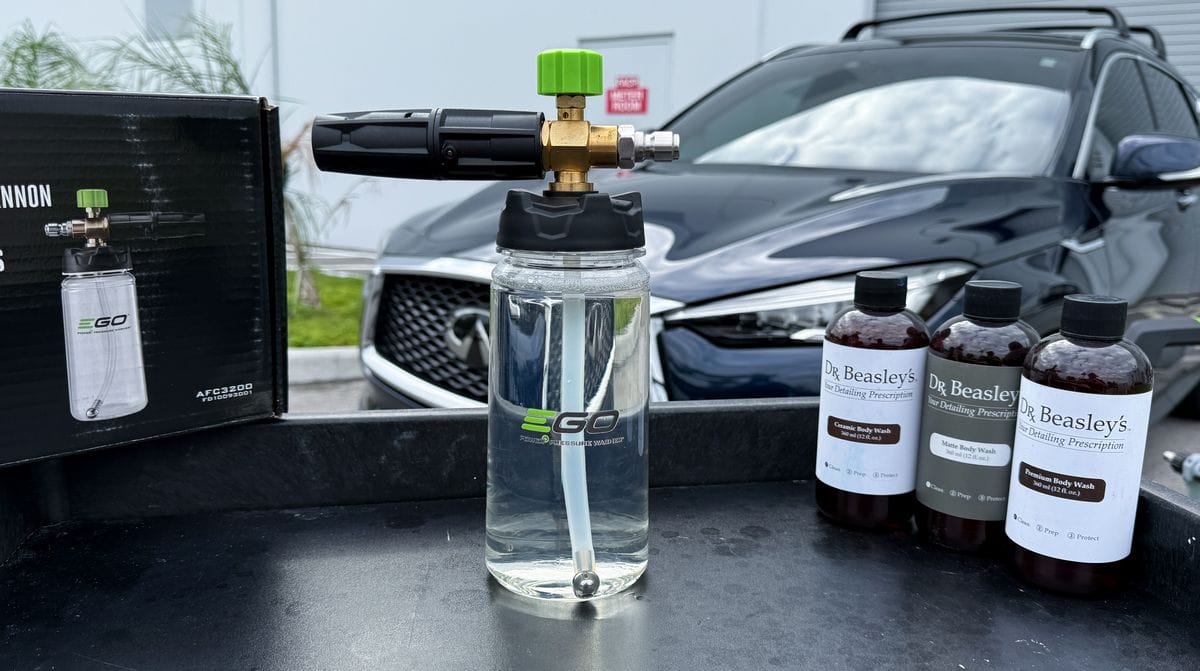
Credit: www.drbeasleys.com
Common Foam Cannon Issues
Foam cannons are great for washing cars quickly and easily. But sometimes, they do not work as expected. Many problems can stop your foam cannon from giving good results. Knowing common issues helps you fix them fast. Here are some of the most frequent problems users face.
Low Foam Output
Low foam output means your foam cannon sprays little foam. This can happen if the soap concentration is too low. Using too much water or the wrong soap also reduces foam. Check if the foam cannon’s nozzle is clogged. A blocked nozzle limits foam flow and pressure.
No Foam Production
No foam production means the cannon sprays water only. This often happens if the foam cannon is not connected properly. Check all connections for tight fits. Empty or nearly empty soap bottles cause no foam too. Use the right soap made for foam cannons to create foam.
Weak Spray Pattern
A weak spray pattern makes foam cover a small area. This can be from low water pressure. Your pressure washer might not be strong enough. A dirty or damaged nozzle can also weaken spray. Adjust the spray angle or clean the nozzle for better coverage.
Foam Cannon Leaks
Leaks waste soap and reduce foam power. Leaks happen when seals or O-rings break or wear out. Tighten all connections to stop leaks. Replace worn parts to keep your foam cannon working well. Avoid leaks by checking your foam cannon regularly.
Essential Foam Cannon Components
Understanding the key parts of a foam cannon helps solve many common problems. Each part plays a role in how well the foam cannon works. Knowing these parts can guide you to fix issues quickly. Let’s explore the essential foam cannon components.
Nozzle And Spray Tips
The nozzle controls the shape and size of the foam spray. Spray tips decide how thick or thin the foam will be. Clogged or damaged nozzles reduce foam output. Clean or replace nozzles to restore proper spray.
Soap Reservoir
This container holds the soap or detergent. Using the right soap concentration is important. Too much or too little soap affects foam quality. Check for cracks or leaks in the reservoir.
Air Intake Valve
This valve mixes air with the soap solution. Proper air flow creates thick foam. Blocked or stuck valves cause weak or no foam. Ensure the valve is clean and moves freely.
Pressure Washer Connection
The foam cannon connects to a pressure washer. The pressure washer provides water force needed for foam. Loose or faulty connections lead to poor foam spray. Secure the connection tightly and check for leaks.
Quick Fixes For Foam Problems
Fixing foam problems on your foam cannon can be simple. Small issues often block good foam from forming. Try these quick fixes to get your foam cannon working well again. Each step helps check a different part of your setup. Follow them one by one for best results.
Checking Soap Concentration
Soap concentration affects foam quality a lot. Too much soap makes foam heavy and runs off quickly. Too little soap makes weak foam that disappears fast. Use the soap mix suggested by the soap maker. Test small changes to find the right mix for your water and cannon.
Cleaning The Nozzle
The nozzle can clog with soap or dirt. This stops foam from spraying evenly. Remove the nozzle and rinse it with clean water. Use a small brush to clear any blockages. Clean nozzles help spray thick, even foam.
Adjusting Air Intake
Air mixes with soap to create foam. If the air intake is too low, foam will be thin. If too high, foam may break apart. Find the air intake control on your foam cannon. Turn it slowly while testing foam thickness. Stop when foam looks thick and creamy.
Tightening Connections
Loose connections cause leaks and weak foam spray. Check all hoses and fittings on your foam cannon. Tighten any loose parts with a wrench or by hand. Secure connections keep pressure steady for strong foam output.
Preventive Maintenance Tips
Preventive maintenance keeps your foam cannon working well for a long time. Small daily care steps prevent big problems. These tips help you avoid clogs, leaks, and poor foam quality.
Regular Cleaning Routine
Rinse the foam cannon after each use with clean water. This removes soap residue that can block nozzles. Take apart the nozzle and soak it in warm water. Use a soft brush to clean tight spots. Dry all parts before storing to stop rust and mold.
Using Compatible Soaps
Use soaps made for foam cannons only. Other soaps may clog or damage the device. Check soap labels to confirm compatibility. Avoid thick or heavily scented soaps. Thin, high-foaming soaps work best and keep your foam cannon safe.
Proper Storage Practices
Store your foam cannon in a dry, cool place. Avoid leaving it in direct sunlight or freezing temperatures. Keep it away from dust and dirt. Store all parts together to prevent loss. Proper storage stops cracks and wear on seals.
Inspecting For Wear And Tear
Check all foam cannon parts regularly for damage. Look for cracks, worn seals, or loose connections. Replace damaged parts quickly to avoid leaks. Tighten any loose fittings before use. Regular inspections improve performance and extend the cannon’s life.
When To Seek Professional Help
Knowing when to seek professional help can save time and money. Some foam cannon problems need expert attention. Trying to fix complex issues alone may cause more damage. Professionals have the right tools and skills to diagnose and repair problems quickly. Here are key signs that show it is time to call a professional.
Persistent Foam Issues
Foam cannon not producing foam despite cleaning and adjustments? Persistent foam problems often signal deeper issues. Professionals can test and fix blockages or pump problems. They ensure your foam cannon works properly again.
Pressure Washer Compatibility
Foam cannons need the right pressure washer to function well. Wrong pressure or flow can stop foam production. Experts check if your pressure washer matches the foam cannon’s needs. They suggest the correct setup or parts to improve performance.
Damaged Internal Parts
Internal parts like valves or seals can wear out or break. Damage inside the foam cannon can prevent foam creation. Professionals open and inspect your device carefully. They replace broken parts to restore normal function fast.

Credit: www.youtube.com

Credit: stonercarcare.com
Frequently Asked Questions
Why Is My Foam Cannon Not Producing Foam?
Your foam cannon may lack proper soap mixture or water pressure. Check soap concentration and ensure the pressure washer is connected correctly.
How Do I Fix Low Foam Output In Foam Cannon?
Adjust the soap-to-water ratio and clean the nozzle. Use high-quality foam soap and verify the water pressure is adequate.
Can Water Pressure Affect Foam Cannon Performance?
Yes, insufficient water pressure reduces foam production. Ensure your pressure washer meets the recommended PSI for your foam cannon.
Is The Foam Cannon Nozzle Clogged Or Dirty?
A clogged nozzle can block soap flow. Clean the nozzle regularly to maintain optimal foam output and performance.
Conclusion
Troubles with your foam cannon often come from simple issues. Check the soap type and mix ratio first. Make sure water pressure is steady and strong. Clean the nozzle to avoid clogs. Tighten all connections securely. Small fixes can improve foam quality fast.
Keep your equipment clean and well maintained. With these tips, your foam cannon should work better soon. Don’t give up—patience and care pay off. Enjoy a thick, rich foam for your cleaning tasks.