

If you have a pomegranate tree or are thinking about planting one, you want it to grow healthy and produce juicy, delicious fruit. But how do you make sure your tree thrives?
Taking care of a pomegranate tree isn’t complicated, but it does need the right steps. You’ll discover simple, effective tips that will help your tree stay strong and fruitful year after year. Ready to become the best caretaker your pomegranate tree has ever had?
Keep reading, and you’ll learn exactly what to do.
Choosing The Right Location
Choosing the right location is important for a healthy pomegranate tree. The spot you pick affects its growth, fruit quality, and overall health. A good location helps the tree get enough sunlight, proper soil, and space to grow strong. These factors work together to help your tree thrive and produce sweet fruits.
Sunlight Requirements
Pomegranate trees need full sunlight to grow well. They require at least six hours of direct sun each day. More sunlight means better fruit production and stronger branches. Avoid shady areas, as they reduce fruit quality and slow growth.
Soil Preferences
The tree prefers well-drained soil that is rich in nutrients. Sandy loam or loamy soils work best. Avoid heavy clay soils that hold too much water. Slightly acidic to neutral soil pH, between 5.5 and 7, helps the tree absorb nutrients effectively.
Space Considerations
Pomegranate trees need enough space to spread their branches. Plant trees at least 12 to 15 feet apart. This spacing allows good air circulation and sunlight reach. Crowded trees face more disease and produce less fruit.

Credit: www.wikihow.com
Planting Your Pomegranate Tree
Planting your pomegranate tree is the first step to enjoy fresh, juicy fruits. Starting with the right care helps the tree grow strong and healthy. Follow simple steps to plant your tree correctly. This section guides you through selecting saplings, planting, and watering.
Selecting Healthy Saplings
Choose young pomegranate saplings with strong stems and green leaves. Avoid plants with brown spots or broken branches. Look for saplings that are at least one year old. Healthy roots are white and firm, not dry or black. Buying from a trusted nursery ensures good quality plants.
Proper Planting Techniques
Pick a sunny spot with well-drained soil for planting. Dig a hole twice as wide and deep as the root ball. Gently loosen the roots before placing the sapling in the hole. Keep the top of the root ball level with the ground surface. Fill the hole with soil and press it firmly around the roots. Space trees at least 10 feet apart to give room for growth.
Initial Watering Tips
Water the sapling deeply right after planting. This helps settle the soil and reduce air pockets. Water the tree every few days for the first month. Keep the soil moist but not soggy. Too much water can cause root rot. After the first month, water less often but deeply.
Watering Guidelines
Water is essential for a pomegranate tree to grow healthy and strong. Proper watering helps the tree produce juicy, sweet fruits. Too much or too little water can harm the tree. Follow these watering guidelines to keep your pomegranate tree thriving.
Water Frequency
Young pomegranate trees need water more often. Water them deeply two to three times a week. Mature trees require less water. Water mature trees once a week during dry periods. Always check the soil before watering. The top few inches should be dry before adding more water.
Signs Of Overwatering
Leaves turning yellow or dropping early can mean too much water. Soil that stays wet and soggy is a bad sign. Overwatering can cause root rot and weaken the tree. Avoid watering again until the soil dries out. Proper drainage in the soil helps prevent overwatering problems.
Drought Tolerance
Pomegranate trees can survive dry spells once established. They have deep roots that find water underground. During drought, watering every two weeks is enough. Mulching around the tree helps keep soil moisture. This reduces water needs and protects roots.
Fertilizing For Growth
Fertilizing a pomegranate tree is key to strong growth and healthy fruit. The right nutrients help the tree develop deep roots and vibrant leaves. A well-fed tree can resist pests and drought better.
Choosing the correct fertilizer type and applying it at the right time supports steady growth. Organic options also improve soil health over time.
Best Fertilizer Types
Use a balanced fertilizer with equal parts nitrogen, phosphorus, and potassium. A 10-10-10 formula works well. Nitrogen helps leaves grow, phosphorus supports roots, and potassium boosts fruit quality. For young trees, apply less nitrogen to avoid too much leaf growth.
Application Timing
Fertilize in early spring before new growth starts. This gives nutrients just when the tree needs them most. Avoid fertilizing late in the year to prevent new growth that can freeze in winter. Repeat feeding every 6 to 8 weeks during the growing season for best results.
Organic Options
Compost and well-rotted manure provide slow, steady nutrients. Bone meal adds phosphorus, helping root and flower development. Seaweed extract is rich in trace minerals and promotes overall health. These organic choices improve soil texture and encourage beneficial microbes.
Pruning For Health
Pruning a pomegranate tree keeps it healthy and strong. It helps remove dead or weak branches. This allows fresh growth and better air flow. Proper pruning also shapes the tree. It makes harvesting fruit easier and helps the tree produce more.
When To Prune
Prune pomegranate trees in late winter or early spring. This is before new growth starts. Avoid pruning in late summer or fall. Pruning at the right time reduces stress on the tree. It also lowers the risk of disease.
Pruning Methods
Start by removing dead or damaged branches. Cut these branches close to the main stem. Thin out crowded areas to improve light and air. Use sharp, clean tools for clean cuts. Avoid cutting too close to buds or shoots. Keep the tree’s shape balanced and open.
Encouraging Fruit Production
Remove weak or thin branches to focus energy on fruit. Cut back some older branches to encourage new growth. New shoots produce the best fruit. Avoid heavy pruning, which can reduce fruiting. Light, regular pruning helps the tree stay productive.
:max_bytes(150000):strip_icc()/pomegranate-growing-tips-3269232-hero-f9849529ed6644168d8dc22232e857c2.jpg)
Credit: www.thespruce.com
Pest And Disease Control
Taking care of a pomegranate tree means keeping pests and diseases away. These problems can damage leaves, fruit, and even the whole tree. Early action helps the tree stay strong and healthy. Watch the tree often to spot issues fast.
Common Pests
Several pests attack pomegranate trees. Aphids suck sap from new leaves and shoots. Whiteflies also feed on leaves, causing yellow spots. Scale insects stick to branches and stems, weakening the tree. Fruit flies lay eggs inside the fruit, spoiling it. Look for sticky residue or small bugs on leaves and fruit.
Disease Prevention
Good care reduces disease risks. Water the tree at the base, not on leaves. Keep the area clean by removing fallen leaves and fruit. Prune dead or weak branches to improve air flow. Avoid overcrowding trees to reduce humidity. Use disease-resistant pomegranate varieties when possible.
Natural Remedies
Natural methods control pests without chemicals. Spray neem oil or insecticidal soap on affected areas. These kill soft-bodied insects like aphids and whiteflies. Introduce ladybugs or lacewings; they eat pests naturally. Use a strong water spray to remove insects from leaves. Keep the soil healthy with compost to boost the tree’s defense.
Harvesting Tips
Harvesting pomegranates at the right time is key to enjoying their full flavor. Picking the fruit too early or too late affects taste and storage life. Proper techniques protect the fruit and tree for future crops. Follow these tips for a successful pomegranate harvest.
Identifying Ripeness
Look for deep, rich color on the pomegranate skin. The fruit should feel heavy for its size. A smooth, firm surface means the fruit is ready. Tap the fruit gently; a metallic sound indicates ripeness. Avoid fruits with cracks or soft spots. These signs help choose the best fruits to pick.
Harvest Techniques
Use sharp scissors or pruning shears to cut the fruit. Leave a short stem attached to avoid damage. Hold the fruit gently to prevent bruising. Pick during dry weather to reduce mold risk. Place the fruit softly into a basket or box. Handle each fruit carefully to keep it fresh.
Storage Suggestions
Store pomegranates in a cool, dry place. Keep them away from direct sunlight. Use a refrigerator to extend freshness for several weeks. Avoid stacking fruits to prevent bruises. Check stored fruits regularly for any spoilage. Proper storage keeps pomegranates tasty and fresh longer.
Seasonal Care Adjustments
Taking care of a pomegranate tree changes with each season. Adjusting your care routine helps the tree stay healthy and produce better fruit. Seasonal care changes protect the tree from weather stress and pests. This guide covers winter protection, summer maintenance, and climate adaptation tips.
Winter Protection
Cold weather can harm young pomegranate trees. Wrap the trunk with burlap or tree wrap to stop frost damage. Mulch the soil around the base to keep roots warm. Avoid heavy pruning in winter to prevent cold injury. Water the tree less often but do not let the soil dry out.
Summer Maintenance
Summer heat needs more watering to keep the tree healthy. Water deeply once or twice a week depending on rainfall. Mulch helps keep soil moist and cool. Remove weeds that compete for water and nutrients. Check for pests like aphids and treat early to stop damage.
Adapting To Climate
Adjust care based on your local climate conditions. In dry areas, increase watering and mulch thickness. In humid areas, improve air circulation by pruning to reduce disease risk. Use drought-tolerant fertilizers to support growth. Monitor the tree’s health often and change care steps as needed.
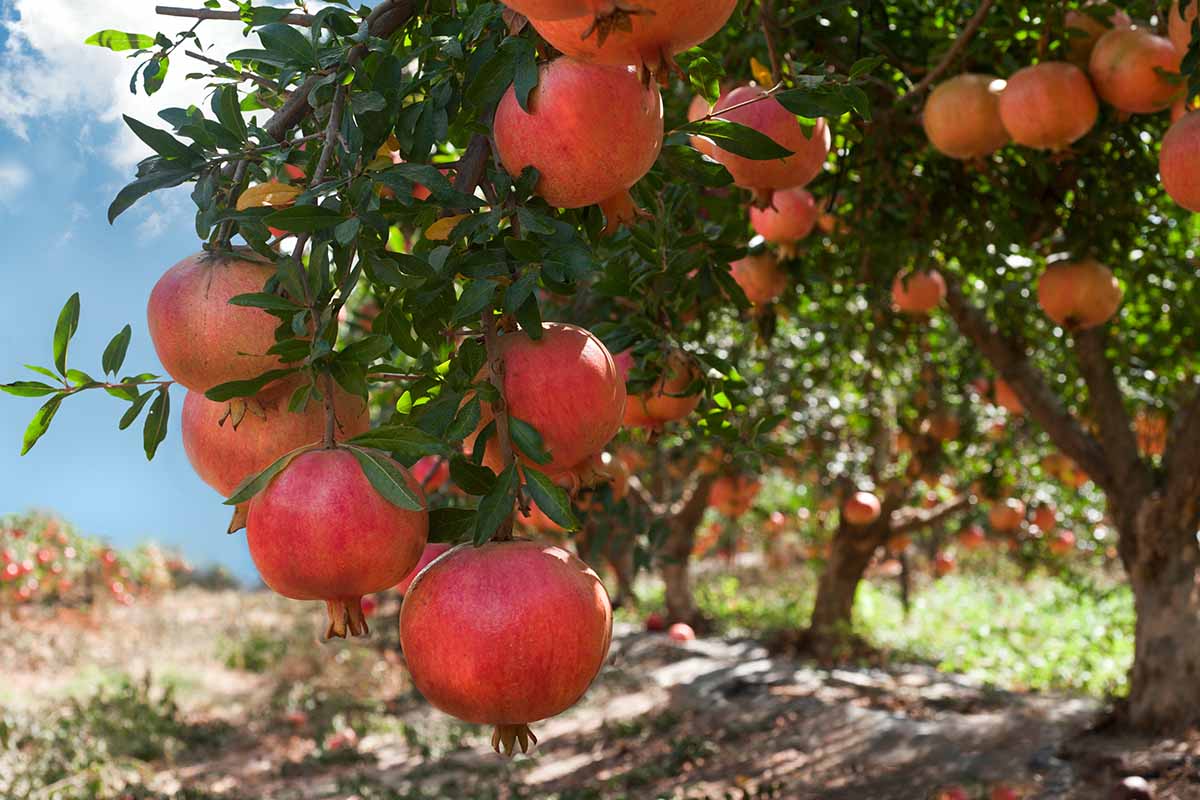
Credit: gardenerspath.com
Frequently Asked Questions
How Often Should I Water A Pomegranate Tree?
Water your pomegranate tree deeply every 7 to 10 days. Increase watering during hot, dry weather. Avoid overwatering, which can cause root rot and poor fruit quality.
What Soil Type Is Best For Pomegranate Trees?
Pomegranate trees thrive in well-draining sandy loam or loamy soil. The soil should have a pH between 5. 5 and 7. 0 for optimal growth and fruit production.
When Is The Best Time To Prune A Pomegranate Tree?
Prune your pomegranate tree in late winter or early spring. Remove dead or damaged branches to improve air circulation and encourage healthy new growth.
How Do I Protect My Pomegranate Tree From Pests?
Inspect your tree regularly for pests like aphids and whiteflies. Use insecticidal soap or neem oil to control infestations naturally and maintain tree health.
Conclusion
Caring for a pomegranate tree takes patience and simple steps. Water it regularly but avoid too much. Give it plenty of sunlight for healthy growth. Prune the branches to keep the tree strong. Watch for pests and treat them early.
Healthy soil helps the tree produce sweet fruit. With steady care, your pomegranate tree will thrive and reward you. Enjoy the fresh fruit and beauty it brings to your garden. Keep these tips in mind, and success is near.


