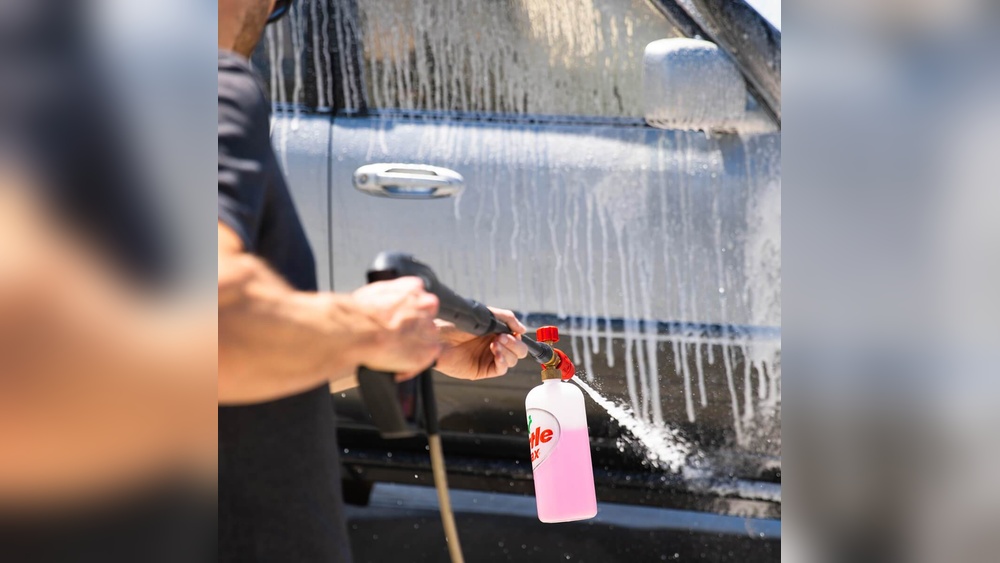
Have you noticed scratches inside your car’s plastic surfaces and wondered how to fix them quickly? Those little marks might seem harmless, but they can really take away from your car’s clean, polished look.
The good news is, you don’t need to spend a fortune or visit a mechanic to restore that smooth finish. You’ll discover simple, effective ways to repair those scratches yourself—making your car’s interior look fresh and well-kept again. Keep reading, because your car deserves to shine just like new!
Identify Scratch Types
Before fixing scratches inside your car’s plastic parts, identify their types. This helps choose the right repair method. Scratches vary in depth and impact. Understanding these differences prevents damage and improves results.
Surface Vs Deep Scratches
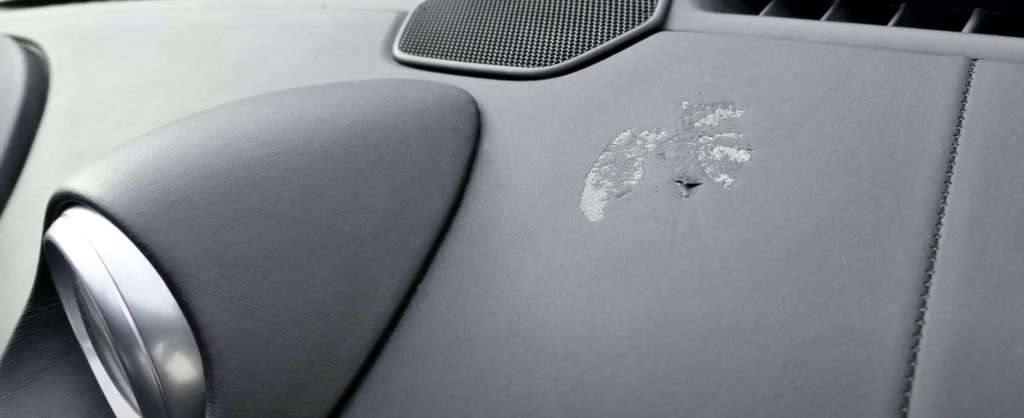
Surface scratches affect only the top layer of the plastic. They are usually light and easy to fix. Deep scratches go beyond the surface. They may leave visible grooves or cracks. Deep scratches need more care and stronger repair tools.
Material Sensitivity
Car plastics differ in hardness and texture. Some plastics are soft and can scratch easily. Others are tougher and resist damage. Knowing your plastic type helps avoid harsh chemicals or rough methods. Use gentle products for sensitive materials to keep them safe.
Gather Necessary Tools
Before fixing scratches inside car plastic, collect all needed tools. Having the right tools saves time and improves results. Prepare everything in one place to work smoothly.
Cleaning Supplies
Start with cleaning supplies to remove dirt and dust. Use a soft cloth, mild soap, and water. Avoid harsh cleaners that can damage plastic surfaces. Clean surfaces well for better repair adhesion.
Repair Kits And Products
Choose repair kits made for plastic scratches. These kits often include fillers, sanding pads, and polish. Select products suitable for your car’s interior plastic type. Using the right kit ensures a smooth finish.
Protective Gear
Wear gloves to protect your hands from chemicals. Use safety glasses to shield your eyes from dust and splashes. Protecting yourself keeps the repair process safe and comfortable.
Prepare The Surface
Preparing the surface is the first step to fix scratches inside car plastic. It helps the repair materials stick better. A clean and smooth surface gives a neat finish. Dirt or dust can cause problems later. Take time to get the area ready.
Clean And Dry Area
Start by wiping the scratched plastic with a soft cloth. Use mild soap and water to remove grease and dirt. Avoid harsh chemicals that may damage the plastic. After cleaning, dry the area completely. Moisture can stop the repair from working well.
Remove Dust And Debris
Use a soft brush or compressed air to clear tiny dust particles. Dust can cause rough patches in the repair. Check corners and edges carefully. Make sure no debris stays on the surface before you begin fixing the scratch.
Credit: avalonking.com
Use Plastic Polish
Using plastic polish is a simple way to fix scratches inside car plastic. It helps to smooth out small marks and restore the original shine. Plastic polish works by gently removing a thin layer of the plastic surface. This process makes scratches less visible and improves the look of your car interior.
Select Suitable Polish
Choose a polish made specifically for plastic surfaces. Avoid harsh abrasives that can damage the plastic further. Look for a product labeled as safe for car interior plastics. A mild polish ensures gentle cleaning without causing harm. Check the instructions to confirm it suits your plastic type.
Apply And Buff
Start with a clean, dry surface before applying polish. Use a soft cloth or foam applicator to spread a small amount evenly. Rub the polish in circular motions to cover the scratched area. Let it dry for a few minutes. Buff the area gently with a clean microfiber cloth. Repeat if needed until scratches fade and shine returns.
Apply Heat Treatment
Applying heat treatment is an effective way to fix scratches inside car plastic. Heat softens the plastic surface, making scratches less visible. This method works best on minor scratches and scuffs. It requires careful handling to avoid damage. Understanding the right technique and safety steps is important for best results.
Heat Gun Techniques
Use a heat gun with adjustable temperature settings. Set the heat to low or medium to avoid melting the plastic. Hold the heat gun about 6 to 8 inches from the scratched area. Move the heat gun slowly in small circles over the scratch. Do not stay in one spot too long. Heat the plastic evenly until it softens slightly. Use a soft cloth to gently press the scratch. This helps smooth the surface. Allow the plastic to cool before checking the results. Repeat the process if the scratch is still visible.
Safety Precautions
Wear heat-resistant gloves to protect your hands. Work in a well-ventilated area to avoid fumes. Keep the heat gun away from flammable materials. Do not touch the hot nozzle of the heat gun. Use eye protection to guard against heat and debris. Always unplug the heat gun after use. Avoid overheating the plastic, as it can warp. Follow the manufacturer’s instructions for safe operation. Keep children and pets away during the process.

Credit: www.ifixit.com
Fill Deep Scratches
Deep scratches on your car’s interior plastic can look bad and feel rough. Filling these scratches helps restore a smooth, clean surface. It also prevents dirt from building up inside the scratch. This step needs the right tools and careful work.
Choose The Right Filler
Pick a filler made for plastic surfaces. These fillers stick well and dry hard. Avoid regular wood or wall fillers; they may not hold up in cars. Look for products labeled for automotive plastic repair. Clear or color-matching fillers work best to blend with your car interior.
Test the filler on a small hidden area first. Check how it dries and if it changes color. This prevents surprises on visible parts later.
Apply And Sand
Clean the scratched area with mild soap and water. Let it dry completely before filling.
Use a small tool like a plastic spreader to apply the filler. Press the filler firmly into the scratch. Overfill slightly to cover the entire scratch and allow for sanding.
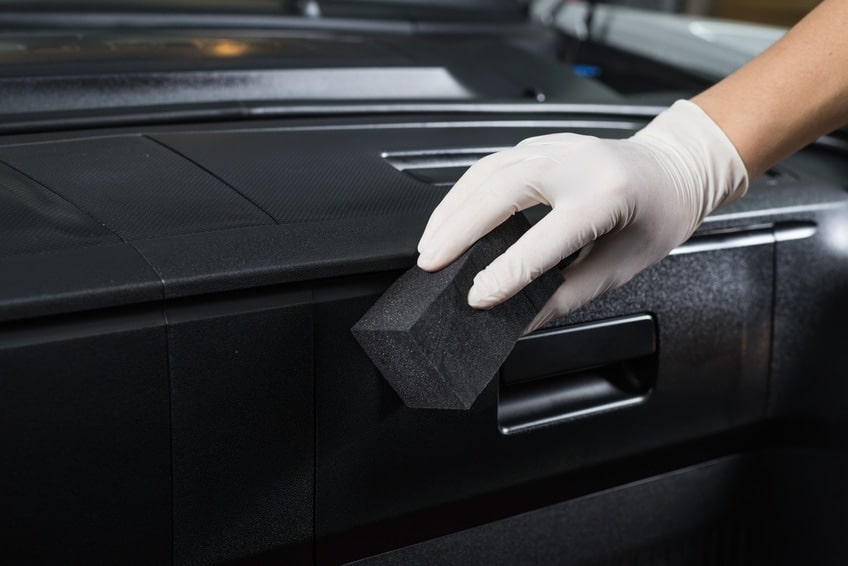
Let the filler dry fully as per instructions. Then, use fine sandpaper to smooth the area. Sand gently to avoid damaging nearby plastic. Wipe away dust with a soft cloth.
Repeat filling and sanding if needed to get a flat, even surface. The goal is to blend the repair with the rest of the plastic.
Repaint If Needed
Sometimes, scratches on your car’s plastic interior need more than cleaning. Repainting can fix deep marks and restore the look. This step is good for serious scratches that stand out.
Match Paint Color
Find paint that matches your car’s plastic color exactly. Use the car’s manual or check inside the door frame for the paint code. Buy paint made for plastic surfaces to ensure it sticks well. A perfect color match keeps the repair invisible.
Apply Primer And Paint
Start by cleaning the scratched area with a soft cloth and mild soap. Let it dry completely. Apply a thin layer of plastic primer. This helps the paint hold better on the surface. Wait until the primer is dry before painting.
Use light, even coats of paint. Let each layer dry before adding the next. This avoids drips and rough spots. Apply enough layers to cover the scratch fully. After the paint dries, the plastic will look smooth and new again.
Maintain Plastic Surfaces
Maintaining plastic surfaces inside your car helps keep them looking new. Clean plastic parts often to avoid dirt buildup. Dirt and dust can cause tiny scratches. These scratches make the plastic look old and worn. Taking care of these surfaces also protects them from fading and cracking. A little effort goes a long way in preserving your car’s interior.
Regular Cleaning Tips
Use a soft cloth or microfiber towel for cleaning. Avoid rough materials that can scratch the plastic. Choose a mild soap mixed with water as a cleaner. Spray the solution on the cloth, not directly on the plastic. Gently wipe the surface in circular motions. Dry the area with a clean, dry cloth. Clean your car’s plastic surfaces at least once a week. This keeps dirt from settling and causing damage.
Protective Measures
Apply a plastic protectant to guard against UV rays. UV rays can cause plastic to fade and crack. Use products made for car interiors only. Test the product on a small area first. Keep sharp objects away from plastic surfaces. Use seat covers or mats to protect plastic areas. Park your car in shaded spots whenever possible. These steps help maintain the plastic’s color and texture.
Credit: www.holtsauto.com
Frequently Asked Questions
How Can I Remove Scratches From Car Plastic Interior?
Use a plastic polish or scratch remover specifically made for car interiors. Apply gently with a microfiber cloth in circular motions. Avoid harsh chemicals that can damage plastic surfaces. For deeper scratches, consider using a plastic filler before polishing.
What Household Items Fix Scratches On Car Plastic?
Toothpaste or baking soda mixed with water can gently buff out light scratches. Apply with a soft cloth and rub in small circles. These mild abrasives help smooth the plastic surface without causing damage when used carefully.
Is It Safe To Use Heat To Fix Plastic Scratches?
Yes, mild heat from a hairdryer or heat gun can soften plastic. This makes scratches less visible by slightly melting the surface. Be cautious to avoid overheating, which can warp or discolor the plastic.
Can Scratches On Car Plastic Be Completely Removed?
Minor scratches can often be fully removed or minimized with polishing. Deep scratches might require filling or professional repair. Complete removal depends on scratch depth and plastic type.
Conclusion
Fixing scratches inside car plastic is easier than you think. Small scratches can disappear with simple tools and patience. Take your time and follow the steps carefully. A clean surface helps the repair last longer. Avoid harsh chemicals that can damage the plastic further.
Regular care keeps your car interior looking fresh and neat. Try these tips to restore your car’s plastic parts quickly. Your car will feel more comfortable and look well-maintained. Keep your interior scratch-free for a better driving experience.