
Have you ever wondered what to do with a damaged plastic car bumper? Tossing it in the trash might seem easy, but it can harm the environment and even cause problems for you later.
Knowing the right way to dispose of your plastic car bumper saves you time, money, and stress. You’ll discover simple, effective steps to get rid of your bumper safely and responsibly. Keep reading to make sure you handle your car part the smart way.
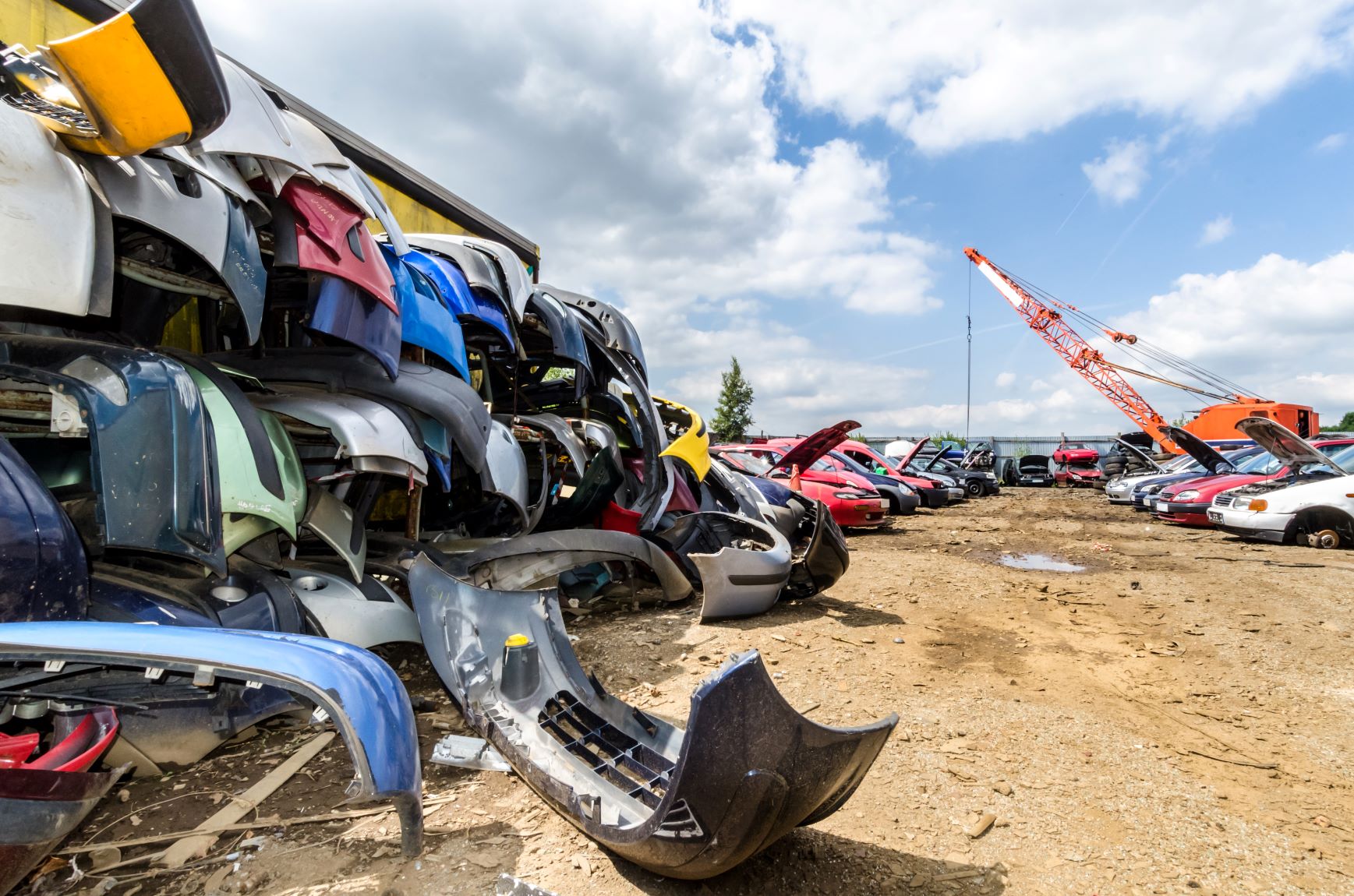
Credit: www.schaeferautobody.com
Types Of Plastic Bumpers
Plastic car bumpers come in different types based on the materials used. Knowing these types helps in proper disposal. Each plastic type has unique properties and recycling rules.
Common Materials Used
Most car bumpers are made from plastic blends. Polypropylene (PP) is the most common. It is light and strong. Polyurethane (PU) offers flexibility and impact resistance. Acrylonitrile Butadiene Styrene (ABS) is tough and rigid. Some bumpers use a mix of these plastics to balance strength and weight.
Identifying Your Bumper Type
Look for a small code or label on the bumper. It often shows the type of plastic. Codes like “PP,” “PU,” or “ABS” help identify the material. If no label exists, check your car manual. This guide usually lists bumper materials. Knowing the exact type ensures you follow the right disposal method.
Preparing The Bumper For Disposal
Preparing the plastic car bumper for disposal is an important step. It helps ensure safe handling and proper recycling. Cleaning the bumper and checking for harmful parts makes the process easier. Follow simple steps to get the bumper ready.
Cleaning And Removing Attachments
Start by cleaning the bumper with water and mild soap. Dirt and grease can affect recycling quality. Use a brush to scrub off stubborn grime. Rinse the bumper thoroughly and let it dry. Remove all attachments like screws, clips, and lights. These parts can interfere with recycling machines. Keep the bumper as bare as possible.
Checking For Hazardous Components
Some bumpers have foam padding or metal parts inside. These parts might be harmful or need special disposal. Look for any stickers or labels that show hazardous material warnings. Remove or separate these parts carefully. Do not throw hazardous components in regular trash. Follow local rules for disposing of dangerous materials safely.
Recycling Options
Recycling a plastic car bumper helps reduce waste and saves resources. It also prevents pollution and supports a cleaner environment. Different options exist for recycling your old bumper. Choosing the right place ensures proper handling and reuse of materials.
Local Recycling Centers
Many local recycling centers accept plastic materials. Some centers take car parts like bumpers. Contact your nearby center to ask about their rules. They may require you to clean the bumper first. Dropping off your bumper here is usually free or low cost.
Specialized Auto Part Recyclers
Specialized recyclers focus on auto parts only. They know how to handle plastic bumpers safely. These businesses break down bumpers to reuse plastic and metal parts. Using their services supports the auto recycling industry. Search for certified auto recyclers in your area for best results.
Donation And Reuse
Donating or reusing a plastic car bumper helps reduce waste. It gives the bumper a new purpose and keeps it out of landfills. Many people and businesses can benefit from your old bumper. You can support local shops or get creative with reuse ideas. This approach saves resources and protects the environment.
Auto Repair Shops
Auto repair shops often accept used car bumpers. They might fix and reuse them for other vehicles. This saves money for both the shop and customers. Some shops use parts from old bumpers for repairs. Contact local shops to see if they need your bumper. Donating here helps the community and reduces waste.
Creative Repurposing Ideas
Old plastic bumpers can become useful items around the home. Cut and shape them into garden planters or storage boxes. Use bumper pieces as protective covers for outdoor furniture. Artists may turn bumpers into sculptures or wall art. These ideas give bumpers a second life and reduce trash. Think beyond the car for smart reuse options.
Safe Disposal Methods
Safe disposal methods protect the environment and keep communities clean. Plastic car bumpers need special care because they do not break down easily. Disposing of them properly prevents pollution and saves landfill space.
Waste Collection Services
Many cities offer waste collection services for large plastic items. Contact your local waste management to learn about pickup options. Some places require you to schedule a special bulky waste pickup. Drop-off centers also accept plastic car bumpers for recycling. Check if the center sorts plastics and handles automotive parts. Proper collection ensures bumpers are recycled or disposed of safely.
Avoiding Illegal Dumping
Illegal dumping harms the environment and can cause fines. Do not leave bumpers on roadsides or empty lots. Dispose of bumpers only at approved sites or through collection services. Report illegal dumping to local authorities to keep your area safe. Safe disposal supports community health and protects wildlife from plastic waste.
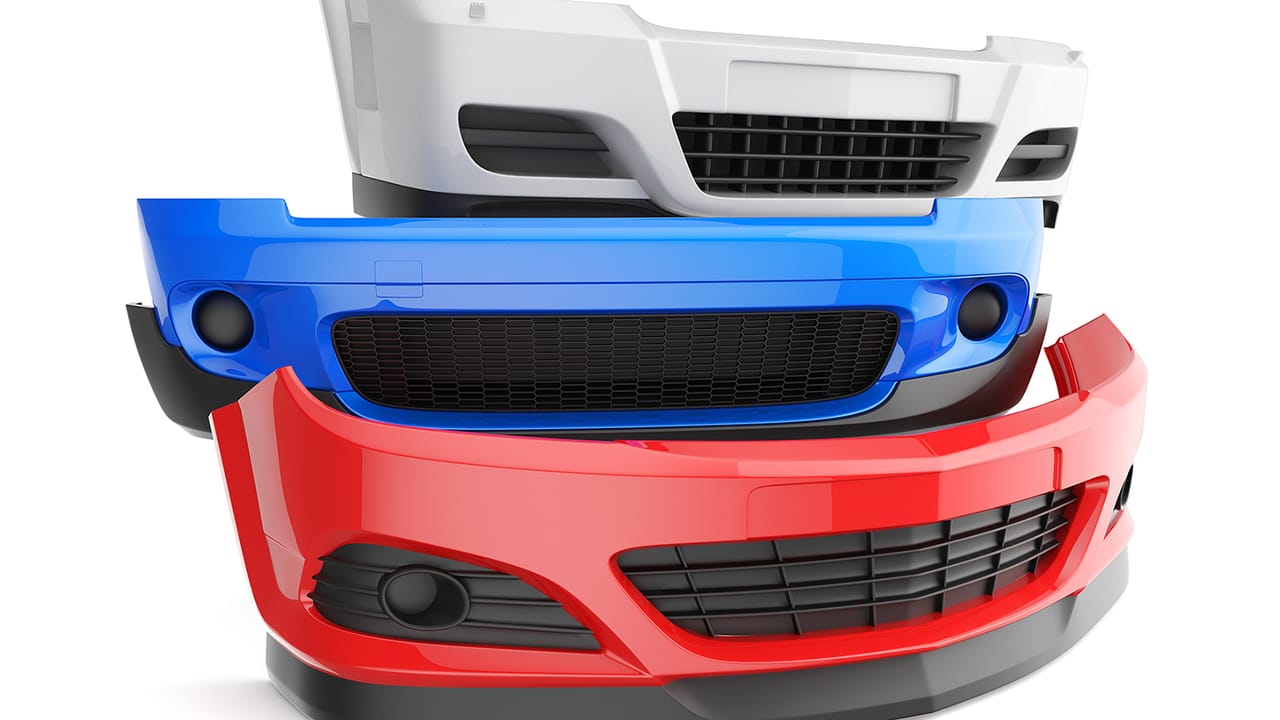
Credit: www.plasticstoday.com
Environmental Benefits
Disposing of a plastic car bumper properly helps the environment in many ways. It reduces harmful waste and saves natural resources. Caring for the planet starts with small actions like this.
Reducing Landfill Waste
Plastic bumpers take a long time to break down in landfills. They add to the growing pile of trash. Proper disposal keeps these plastics out of the landfill. It lowers the amount of waste that pollutes soil and water.
Conserving Resources
Recycling bumpers helps recover valuable plastic materials. These materials can be used again to make new products. This process saves oil and energy needed to create new plastic. Conserving resources protects nature and cuts pollution from production.

Credit: www.bodyshopbusiness.com
Frequently Asked Questions
How Do I Safely Remove A Plastic Car Bumper?
Start by loosening screws and clips securing the bumper. Use proper tools like screwdrivers and wrenches. Wear gloves to protect your hands. Carefully detach the bumper without damaging surrounding parts.
Where Can I Recycle A Plastic Car Bumper?
Check local recycling centers for automotive plastic acceptance. Some scrap yards also accept plastic bumpers. Contact your city’s waste management for specific recycling programs. Avoid throwing bumpers in regular trash.
Can Plastic Bumpers Be Reused Or Repurposed?
Yes, plastic bumpers can be reused in repairs or crafts. Some auto shops refurbish and resell bumpers. Creative DIY projects can transform bumpers into useful items, reducing waste.
What Types Of Plastic Are Car Bumpers Made From?
Most car bumpers are made from polypropylene or ABS plastic. These materials are durable and recyclable. Knowing the plastic type helps in proper disposal and recycling.
Conclusion
Disposing of a plastic car bumper can be simple and safe. Always check local recycling rules first. Many centers accept bumpers for recycling or reuse. Avoid throwing bumpers in regular trash to protect the environment. Proper disposal helps reduce pollution and waste.
Take small steps to keep your community clean. Act responsibly and share what you learn with others. Caring for the planet starts with smart choices like this. Your effort makes a difference every time.


