Easter lilies are more than just beautiful flowers—they bring a fresh burst of life and hope into your home. But how do you keep your Easter lily looking healthy and vibrant long after the holiday?
If you want your plant to thrive and bloom year after year, you need to know the right care tips. You’ll discover simple, effective steps to nurture your Easter lily so it stays stunning and full of life. Ready to become an Easter lily expert?
Let’s dive in!

Credit: yardandgarden.extension.iastate.edu
Choosing The Right Easter Lily
Picking the right Easter lily sets the stage for healthy growth. Start with a plant that looks strong and fresh. The right pot and soil also help your lily thrive indoors. Small details at the start make a big difference later.
Selecting Healthy Plants
Choose plants with green, firm leaves and no spots. The buds should be closed or just starting to open. Avoid plants with yellow or wilted leaves. Check for bugs or damage on the stem and leaves. A healthy plant grows better and lasts longer in your home.
Ideal Pot Size And Soil
Pick a pot slightly bigger than the root ball. It should have drainage holes to stop water buildup. Use well-draining soil made for houseplants or bulbs. Good soil keeps roots healthy and prevents rot. Avoid pots that are too large or small for the plant.
Planting And Placement
Planting and placement are key to keeping your Easter Lily healthy and beautiful. Proper location helps the plant grow strong and bloom well. Choose spots with the right light and temperature. Both indoors and outdoors need special care for the best results.
Best Indoor Locations
Place Easter Lilies near windows with bright, indirect light. Avoid direct sunlight that can burn the leaves. A north or east-facing window works well. Keep the plant away from heat sources like heaters or vents. Cool rooms with temperatures between 60°F and 70°F are ideal. This helps the lily last longer and bloom fully.
Optimal Outdoor Conditions
Outdoors, Easter Lilies need partial shade to avoid harsh sun. Morning sun and afternoon shade are perfect. The soil should be well-drained and rich in organic matter. Avoid low spots where water can collect and cause root rot. Plant lilies after the last frost to protect them from cold damage. Moderate temperatures and gentle breezes help them thrive outside.
Watering Essentials
Water is key to keeping your Easter Lily healthy and vibrant. Proper watering helps the plant grow strong and bloom beautifully. Too little or too much water can harm the lily. Understanding the right watering routine is essential for its care.
Frequency And Amount
Water your Easter Lily once a week. The soil should stay moist but not soggy. Check the top inch of soil; if dry, it needs water. Use enough water to soak the soil evenly. Avoid letting the pot sit in water. Adjust watering more in hot or dry weather.
Avoiding Overwatering
Too much water causes root rot and weak growth. Ensure the pot has good drainage holes. Remove any excess water from the saucer after watering. Signs of overwatering include yellow leaves and a mushy stem. Let the soil dry slightly between waterings to prevent damage.
Light Requirements
Easter lilies need the right light to grow well and bloom beautifully. Light helps them make food through photosynthesis. Too much or too little light can harm the plant’s health. Knowing the right light amount keeps the lily strong and vibrant.
Amount Of Sunlight
Easter lilies prefer bright but indirect sunlight. They do well with about 6 hours of light each day. Morning sunlight is best because it is gentle. Direct afternoon sun can burn the leaves and flowers. A spot near a window with filtered light suits them well.
Managing Light Exposure
Place the lily where it gets soft light, not harsh rays. Use sheer curtains to soften strong sunlight. Move the plant if leaves start to yellow or look dry. In low light, the plant may grow tall but weak. Adjust the location to keep the light balanced and healthy.
Temperature And Humidity
Temperature and humidity play a big role in keeping your Easter lily healthy. These factors affect how well the plant grows and how long it blooms. Easter lilies prefer certain conditions that help them stay fresh and strong. Let’s explore the best temperature and humidity levels for these beautiful flowers.
Ideal Temperature Range
Easter lilies do best in cool, steady temperatures. Keep them between 60 and 70 degrees Fahrenheit. Avoid places that are too hot or too cold. Temperatures below 50 degrees can harm the plant. Heat over 75 degrees may cause the flowers to wilt fast. A steady temperature helps the lily last longer indoors.
Humidity Tips
Easter lilies like moderate humidity. Dry air can make the leaves turn brown at the edges. Use a room humidifier or place a tray with water near the plant. Avoid misting the flowers directly; it can cause mold. Keep the air moist but not wet. Balanced humidity keeps the plant healthy and vibrant.
Fertilizing Easter Lilies
Fertilizing Easter lilies helps them grow strong and bloom beautifully. These plants need the right nutrients to stay healthy. Proper feeding supports their bright flowers and green leaves. Understanding the best fertilizer and schedule is key to caring for Easter lilies well.
Choosing Fertilizer
Pick a balanced fertilizer with equal parts nitrogen, phosphorus, and potassium. A 10-10-10 or 20-20-20 formula works well. Use a slow-release type to feed the plant over time. Avoid high nitrogen fertilizers, which cause too much leaf growth. Organic options like compost or fish emulsion also nourish lilies gently.
Fertilizing Schedule
Start fertilizing when new growth appears in spring. Feed the plant every two weeks during the growing season. Stop fertilizing after the flowers fade to help the bulb rest. Reduce feeding in late summer and fall. Over-fertilizing can harm the plant and reduce blooms.
Pruning And Deadheading
Pruning and deadheading are important steps in caring for Easter lilies. These tasks help the plant stay healthy and look its best. Removing old flowers allows the plant to focus energy on new growth. Proper pruning also prevents disease and keeps the leaves strong.
Removing Spent Blooms
Cut off faded flowers carefully. Use clean scissors or garden shears. Remove the entire flower stem near its base. This stops the plant from wasting energy on dying blooms. Deadheading also helps the plant produce more flowers. Check your lily every few days for spent blooms.
Maintaining Plant Health
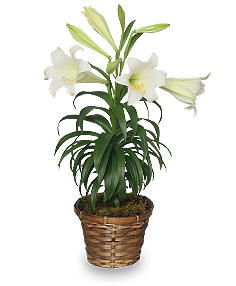
Trim away yellow or brown leaves as needed. Dead leaves can attract pests and cause disease. Avoid cutting green, healthy foliage. Keep the plant clean and tidy. Always use sharp tools to make clean cuts. Proper pruning improves air flow around the plant. This reduces the risk of mold and mildew.
Credit: www.flowershopnetwork.com
Pest And Disease Control
Pest and disease control is important for healthy Easter lilies. These plants are sensitive and can get sick easily. Keeping pests and diseases away helps lilies grow strong and bloom beautifully. Regular care prevents damage and keeps your plant looking fresh.
Common Issues
Aphids often attack Easter lilies. They suck plant sap and cause leaves to curl. Spider mites cause tiny yellow spots on leaves. Thrips leave silvery marks and can spread disease. Fungal infections like botrytis cause brown spots on flowers and leaves. Root rot happens if soil stays too wet for long.
Preventive Measures
Check your lilies every few days for pests. Remove any damaged leaves or flowers. Keep the soil moist but not soggy. Use well-draining soil to avoid root rot. Spray a mild insecticidal soap to control small insects. Ensure good air circulation around the plant. Avoid overcrowding to reduce fungal problems.
Extending Bloom Life
Extending the bloom life of your Easter lily makes the plant more enjoyable. With the right care, the flowers stay fresh and vibrant longer. This section explains how to keep your lily healthy after blooming and prepare it for the next season.
Post-bloom Care
After the flowers fade, remove the spent blooms carefully. This stops the plant from wasting energy on seed production. Keep watering the lily regularly, but avoid waterlogging the soil. Place the plant in a bright spot without direct sunlight. Feed it with a balanced liquid fertilizer every two weeks. This helps the leaves stay strong and green. Avoid cutting the leaves; they help the bulb store energy.
Preparing For Next Season
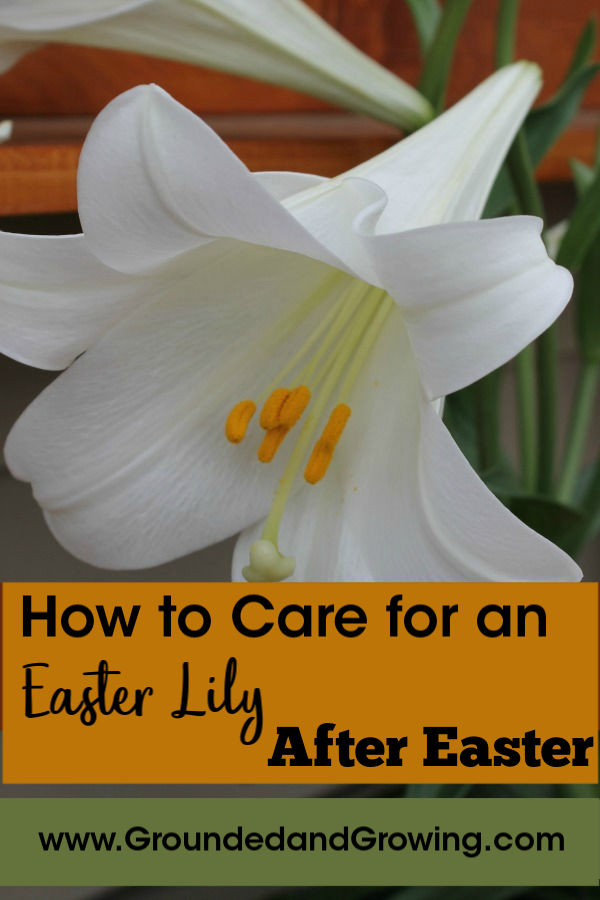
Once the leaves turn yellow, reduce watering gradually. Allow the plant to rest for several weeks in a cool, dark place. After the rest period, repot the bulb in fresh soil. Choose a pot with good drainage to prevent rot. Start watering lightly and keep the plant in a warm, bright area. This process encourages new growth and prepares the lily for blooming again. Patience is key; Easter lilies need time to recharge.
Credit: www.groundedandgrowing.com
Frequently Asked Questions
How Often Should You Water An Easter Lily?
Water your Easter Lily when the soil feels dry. Keep the soil moist but avoid waterlogging. Overwatering can cause root rot. Use room temperature water for best results. Consistent watering helps maintain healthy blooms.
What Is The Ideal Light For Easter Lilies?
Place Easter Lilies in bright, indirect sunlight. Avoid direct sunlight, which can scorch leaves. A spot near a north or east-facing window works well. Proper light ensures vibrant flowers and healthy growth.
How Do You Fertilize An Easter Lily?
Feed Easter Lilies every 2-3 weeks with a balanced liquid fertilizer. Use half-strength fertilizer to avoid burning roots. Fertilizing supports blooming and plant health during growth periods.
When Should You Prune Easter Lily Leaves?
Remove yellow or dead leaves promptly to promote plant health. After flowering, cut back flower stalks to the base. Pruning encourages new growth and keeps the plant tidy.
Conclusion
Caring for an Easter Lily is simple and rewarding. Keep the plant in a bright spot, but avoid direct sunlight. Water it regularly, making sure the soil stays moist but not wet. Remove any dead leaves or flowers to help it grow healthy.
With a little attention, your Easter Lily can bloom beautifully for weeks. Enjoy its bright, fresh look and sweet scent in your home. Small steps lead to a happy, healthy plant. Give your Easter Lily love, and it will brighten your space.