

If you have baby ducks or are thinking about caring for them, you probably want to make sure they grow up healthy and happy. Taking care of these little fluff balls might seem tricky at first, but with the right tips, you can easily become their favorite caretaker.
Imagine watching your ducklings waddle around, full of energy and curiosity—wouldn’t you want to know exactly how to keep them safe, warm, and well-fed? This guide will give you simple, clear steps to help your baby ducks thrive. Keep reading, and you’ll discover everything you need to give your ducks the best start in life.

Credit: www.youtube.com
Preparing The Brooder
Preparing the brooder is a key step to care for baby ducks. A brooder is a safe, warm space for ducklings to live. It protects them from cold and harm. Setting up the brooder well helps ducklings grow strong and healthy.
Choosing The Right Space
Pick a quiet, draft-free area for the brooder. Avoid places with direct sunlight or strong winds. The space should be easy to clean and safe from pets or children. Make sure it has enough room for ducklings to move and grow.
Setting Up Heat Source
Ducklings need warmth to stay healthy. Use a heat lamp or a brooder plate to provide heat. Keep the temperature around 90°F (32°C) for the first week. Lower the heat by 5°F each week until they grow feathers. Check the temperature often to avoid overheating or chilling.
Ensuring Proper Bedding
Use soft, absorbent bedding like straw or wood shavings. Avoid slippery surfaces to prevent leg problems. Change bedding daily to keep the brooder clean and dry. Good bedding helps control odor and keeps ducklings comfortable.
Credit: poultrykeeper.com
Feeding Baby Ducks
Feeding baby ducks is a key part of their care. Proper nutrition helps them grow strong and stay healthy. It is important to choose the right food and feed them at the right times. Clean water must always be available for drinking and swimming. These steps support their development and well-being.
Selecting Appropriate Feed
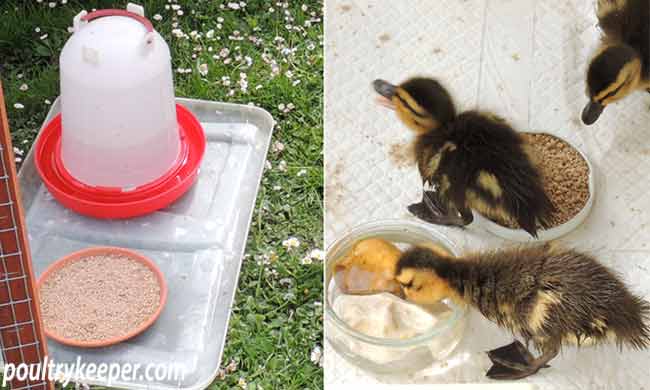
Choose feed made for ducklings or waterfowl. Starter pellets with 18-20% protein work best. Avoid bread, as it lacks nutrients and can harm ducks. Fresh greens and small insects can be added later. Always check the feed’s freshness and quality before offering it.
Feeding Schedule
Feed baby ducks three to four times a day. Offer small amounts to prevent waste and overeating. Watch them eat and remove leftover food after 20 minutes. Gradually reduce feeding frequency as they grow older. Consistent feeding times help ducks feel secure and healthy.
Providing Fresh Water
Clean water is essential for drinking and cleaning their beaks. Change water several times daily to keep it fresh. Use shallow containers to avoid accidents and drowning. Ducks also need water to help swallow their food. Always place water near their feeding area for easy access.
Maintaining Cleanliness
Keeping baby ducks clean is very important for their health. Dirty spaces can cause sickness and discomfort. Cleanliness helps baby ducks grow strong and happy. Regular care keeps their home safe and fresh.
Cleaning The Brooder
The brooder is where baby ducks live. Clean it every day. Remove wet or dirty bedding. Use fresh, dry materials like straw or wood shavings. Wipe the walls and floor with mild soap and water. Dry the area well before adding new bedding.
Managing Waste
Baby ducks make a lot of waste. Remove droppings several times a day. Use a small shovel or scoop to keep the area clean. Place waste in a sealed bag before throwing it away. This prevents bad smells and keeps germs away.
Preventing Mold And Bacteria
Mold and bacteria grow in damp, dirty places. Keep the brooder dry by changing wet bedding quickly. Use good ventilation to let fresh air in. Clean water containers daily to stop bacteria growth. Healthy ducks need a clean and dry home.
Ensuring Safety
Keeping baby ducks safe is a top priority for every caretaker. Their small size and curious nature make them vulnerable. Careful steps can protect them from harm. Understanding risks in their environment helps prevent accidents. Creating a secure space supports their healthy growth. Attention to safety builds a strong foundation for their well-being.
Protecting From Predators
Baby ducks attract many predators like raccoons and hawks. Use sturdy enclosures with secure lids. Wire mesh works well to keep animals out. Check for holes or weak spots often. Keep the area clean to avoid attracting unwanted visitors. Supervise outdoor time to catch any threats fast. Safe shelter reduces stress and keeps ducks calm.
Avoiding Hazards In Environment
Sharp objects and toxic plants pose dangers to baby ducks. Remove anything that can hurt their soft bodies. Avoid chemicals and pesticides near their living space. Provide fresh water in shallow dishes to prevent drowning. Check for slippery surfaces to stop falls. Clear clutter to give ducks room to move freely. A hazard-free area helps baby ducks explore safely.
Promoting Healthy Growth
Promoting healthy growth in baby ducks is key to raising strong and happy birds. Proper care supports their development and helps them thrive. Focus on their physical activity, watch for health changes, and know common sickness signs. These steps keep baby ducks healthy and active.
Encouraging Exercise
Baby ducks need daily exercise to build strong muscles. Provide a safe space where they can walk and swim. Swimming helps their legs and wings develop well. Short play sessions several times a day work best. Exercise also keeps their minds sharp and reduces stress.
Monitoring Health Signs
Check baby ducks often for any changes in behavior. Look for signs like lethargy, poor appetite, or unusual droppings. Healthy ducks are active and eat well. Keep their living area clean to prevent illness. Early detection of problems makes treatment easier and faster.
Recognizing Common Illnesses
Some illnesses affect baby ducks more than others. Watch for respiratory issues like coughing or sneezing. Eye infections and leg problems are common too. Be alert to swelling or discoloration of the skin. Consult a vet if you see these signs quickly.
Credit: www.lifeisjustducky.com
Socializing Ducklings
Socializing ducklings is very important for their growth and happiness. Young ducks learn how to behave and feel safe through social time. It helps them become friendly and less scared of humans and other ducks. Early socializing also builds trust and reduces stress as they grow up.
Interacting Gently
Start by talking softly to the ducklings. Use calm and slow movements. Avoid sudden or loud actions that may scare them. Hold them carefully with both hands. Let them get used to your touch over time. Spend short periods with them daily to build comfort. Be patient and kind to encourage trust.
Introducing To Other Ducks
Place ducklings near other ducks but keep a safe distance at first. Watch how they react to each other. Slowly reduce the distance over several days. Let them see and hear each other before physical contact. Supervise their first meetings to prevent fights. Group play helps them learn social rules. It also keeps them active and happy.
Transitioning Outdoors
Moving baby ducks from indoors to outdoors is an important step. It helps them grow stronger and learn about their natural home. Careful planning makes this change safe and smooth for the ducklings.
Preparing Outdoor Space
Choose a safe area away from predators. Use fencing to keep baby ducks protected. Provide shade to prevent overheating. Add soft grass or soil for easy walking. Make sure fresh water is always available. Keep food in a dry, clean place. Check the space daily for hazards or waste.
Gradual Exposure To Environment
Start with short outdoor visits. Let ducklings explore for 15 to 30 minutes. Watch their behavior closely during this time. Increase outdoor time by a few minutes each day. Bring them inside if they show signs of stress. This slow approach helps ducklings adjust to weather and sounds. It strengthens their immune system and confidence outdoors.
Frequently Asked Questions
How Often Should Baby Ducks Be Fed Daily?
Baby ducks need feeding 3 to 4 times each day. Provide fresh water and appropriate starter feed. Consistent feeding supports healthy growth and energy.
What Is The Best Temperature For Baby Ducks?
Keep baby ducks warm at 90°F (32°C) during the first week. Gradually reduce temperature by 5°F weekly. Proper warmth prevents stress and illness.
Can Baby Ducks Swim Safely Indoors?
Baby ducks can swim briefly in shallow water indoors. Always supervise to avoid drowning or chilling. Limit swim time to 10-15 minutes.
What Should Baby Ducks Eat Besides Starter Feed?
Offer chopped greens, vegetables, and occasional treats like peas. Avoid bread and junk food. Balanced diet supports their development and health.
Conclusion
Caring for baby ducks needs patience and gentle hands. Provide clean water and fresh food every day. Keep their living space warm and safe from harm. Watch them closely to catch any health problems early. Spend time with them to help ducks grow strong and happy.
Small efforts bring big rewards in duck care. Enjoy the fun and joy these little birds bring. Caring well makes sure baby ducks thrive and smile.

