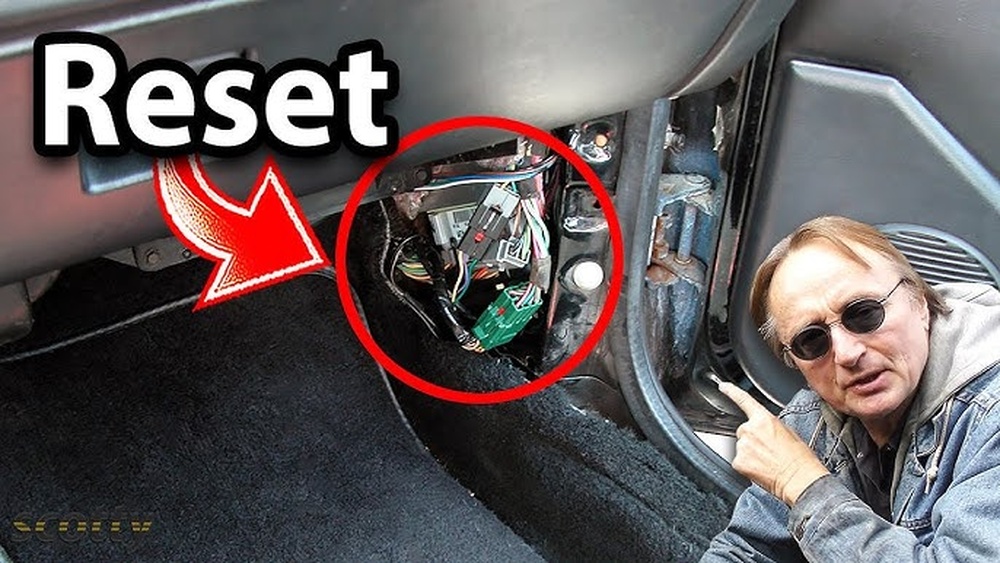
If your car is acting up or showing warning lights, resetting the ECU might be the quick fix you need. But what if you could reset your car’s brain without the hassle of disconnecting the battery?
Imagine saving time and avoiding potential issues that come with losing your radio presets or clock settings. You’ll discover simple, effective ways to reset your car ECU without unplugging the battery. Keep reading, because this easy trick could save you frustration and get your car running smoothly again in no time.

Credit: urbsgarage.com
Why Reset The Ecu
The Engine Control Unit (ECU) controls many parts of your car’s engine. It manages fuel, air, and ignition timing. Sometimes, the ECU needs a reset to fix issues or improve performance. Resetting the ECU can clear errors and help your car run smoothly again.
Common Reasons For Resetting
One reason to reset the ECU is after fixing a problem. For example, if the check engine light stays on after repair. The ECU stores error codes that need clearing. Resetting also helps if the engine runs rough or stalls.
Another reason is to improve fuel efficiency. The ECU learns your driving style over time. Resetting it can help the system relearn and adjust better. This can lead to smoother engine performance and better gas mileage.
Benefits Of A Reset
Resetting the ECU can remove faulty error codes. This stops false warnings from appearing on your dashboard. The engine control system gets a fresh start and can work properly again.
It can also fix minor engine problems. After a reset, the ECU recalibrates sensors and systems. This can improve engine response and reduce rough idling. Some users notice better acceleration and smoother running after a reset.
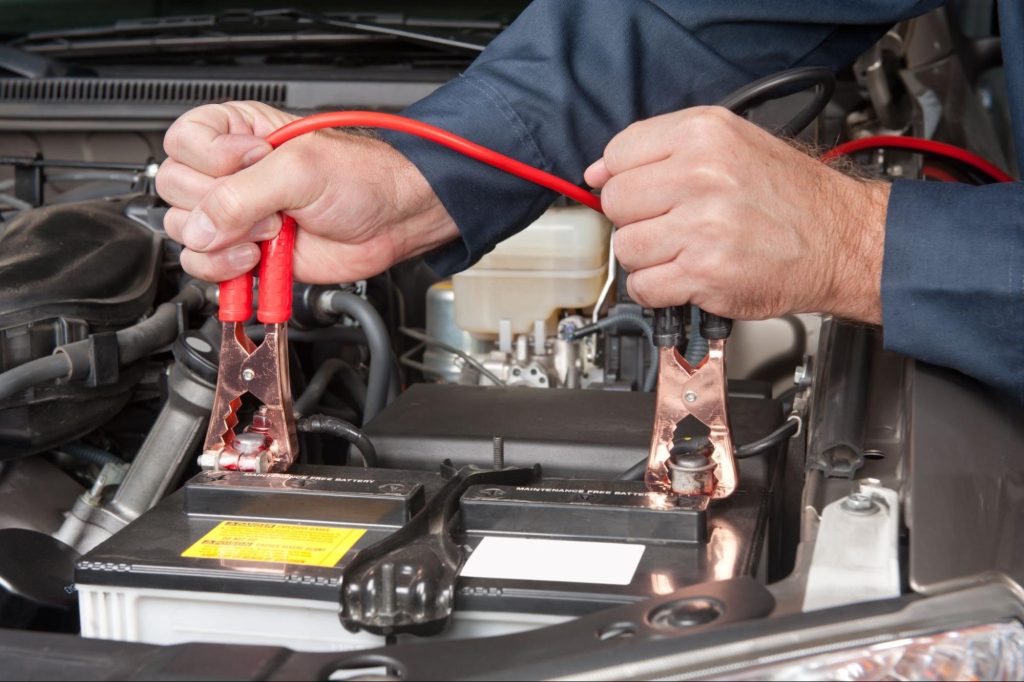
Risks Of Disconnecting Battery
Disconnecting the car battery to reset the ECU may seem simple. But it carries some risks that can affect your vehicle’s electrical system and settings. Understanding these risks helps you decide the best way to reset the ECU safely.
Potential Electrical Issues
Removing the battery can cause electrical problems in your car. Sudden power loss may harm sensitive electronic components. This can lead to errors or malfunctions in the vehicle’s systems. Some parts may need professional repair after battery disconnection.
Loss Of Settings
Disconnecting the battery erases saved settings in the car. Radio stations, clock, and seat memory are often lost. The ECU itself may lose learned data, affecting engine performance. Reprogramming these settings takes extra time and effort.
Tools Needed
Resetting a car’s ECU without disconnecting the battery requires certain tools. These tools help clear the ECU memory safely. Using the right tools avoids damage to your vehicle’s system. Below are the essential tools you will need.
Basic Tools
A basic set of tools includes a screwdriver and a wrench. These help access the ECU and remove any covers. A multimeter is useful to check voltage and connections. You may also need a paperclip or a small jumper wire. These help in shorting specific pins during the reset process.
Specialized Equipment
Some cars need a scan tool or OBD2 reader. This device connects to the car’s diagnostic port. It can reset the ECU codes without unplugging the battery. Advanced software on a laptop or smartphone may be required. These tools communicate directly with the car’s ECU for a safe reset.
Credit: urbsgarage.com
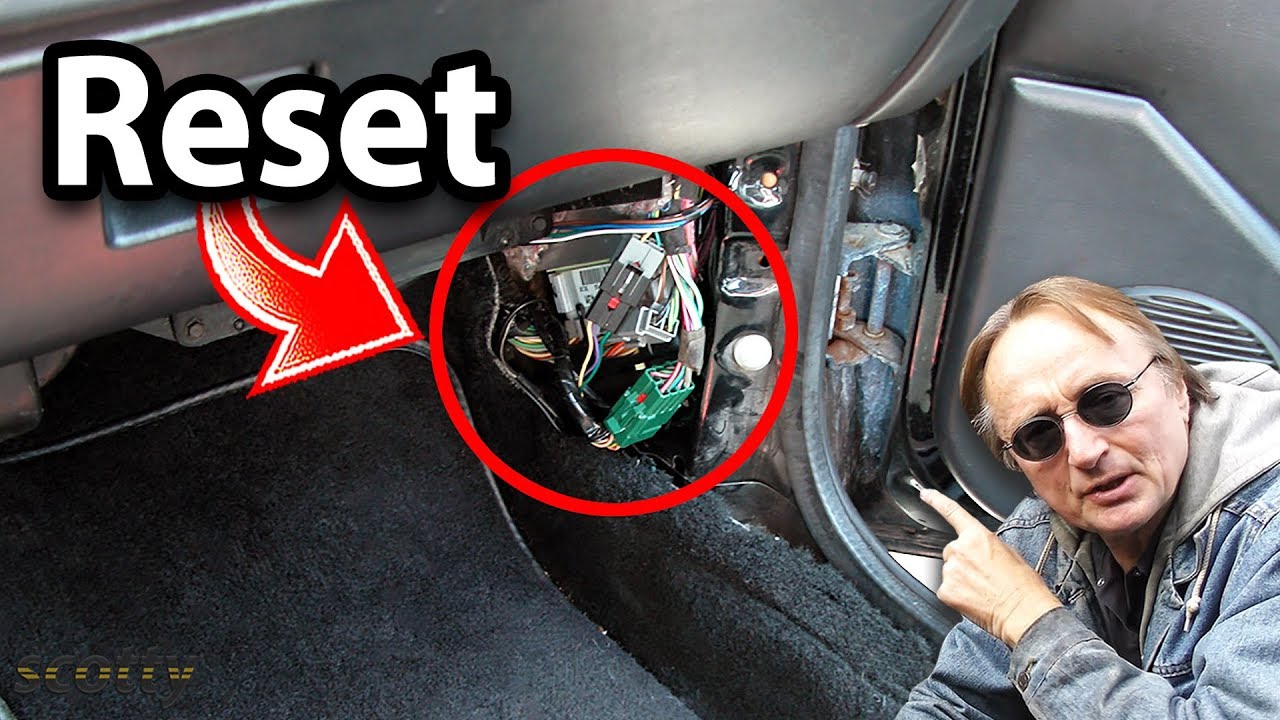
Resetting Ecu Using Fuse Box
Resetting the car’s ECU using the fuse box is a simple way to clear error codes. This method does not require disconnecting the battery, which keeps other systems powered. It is a safe and quick option to reset the engine control unit.
By removing the ECU fuse briefly, the system resets itself. This clears temporary errors and may help improve vehicle performance. Understanding the fuse location and removal steps is important to avoid mistakes.
Locating The Ecu Fuse
First, find the fuse box in your car. It is usually under the dashboard or in the engine compartment. Check the owner’s manual for the exact location.
Open the fuse box cover carefully. Look for a diagram on the inside of the cover. This diagram shows the position and name of each fuse.
Find the fuse labeled “ECU,” “ECM,” or “Engine Control.” This is the fuse that controls the ECU power supply. Make sure to identify the right fuse before removing it.
Steps To Remove And Reinsert Fuse
Use a fuse puller or needle-nose pliers to remove the ECU fuse. Pull the fuse straight out gently to avoid damaging it.
Leave the fuse out for about 10 to 15 minutes. This pause allows the ECU to reset fully.
After the wait, reinsert the fuse back into its slot. Push it in firmly but carefully to ensure good contact.
Close the fuse box cover and start your car. The ECU should now be reset without disconnecting the battery.
Using Obd2 Scanner For Reset
Using an OBD2 scanner is a practical way to reset your car’s ECU without unplugging the battery. This method avoids disconnecting power and keeps your car’s settings intact. The scanner connects directly to the vehicle’s diagnostic port. It communicates with the ECU to clear error codes and reset systems.
This technique saves time and prevents battery-related issues. You can perform the reset quickly with the right device and steps. Understanding how to use the scanner properly is key to success.
Choosing The Right Scanner
Select a scanner that supports your car’s make and model. Not all scanners work with every vehicle. Basic models clear error codes but may lack advanced reset functions. Look for scanners with ECU reset options.
Devices with a user-friendly interface help avoid mistakes. Portable scanners with clear menus work best for beginners. Check reviews to find reliable and affordable scanners. Compatibility and ease of use matter most.
Reset Procedure Via Scanner
First, locate the OBD2 port, usually under the dashboard. Plug the scanner into this port securely. Turn the car ignition to the ON position without starting the engine.
Follow the scanner menu to access ECU functions. Select the option to read and clear error codes. After clearing, choose the reset or adaptation option. Wait for the scanner to complete the reset process.
Turn off the ignition and disconnect the scanner. Start your car to check if the reset worked. This process resets the ECU without losing battery power.
Manual Reset Methods
Resetting your car’s ECU without disconnecting the battery is possible through manual methods. These methods help clear minor errors and improve engine performance. They do not require special tools or technical skills. Just follow the steps carefully for best results.
Idle Reset Technique
This method resets the ECU by letting the engine run at idle. Start your car and let it warm up for about 10 minutes. Keep the engine running without pressing the gas pedal. The ECU will adjust fuel and air settings during this time. After 10 minutes, turn off the engine and wait for a few minutes. This simple process helps the ECU relearn the idle settings.
Throttle Body Reset
The throttle body controls air flow to the engine. Cleaning and resetting it can improve engine response. First, turn off the car and open the hood. Locate the throttle body and clean it gently with a cloth. Then, start the engine and let it idle for 5 to 10 minutes. This allows the ECU to readjust to the cleaned throttle body. This reset can fix rough idle and improve acceleration.
After Reset Care
After resetting the car ECU without disconnecting the battery, proper care is important. This step helps the engine control unit adjust to new settings. It ensures smooth engine performance and avoids future problems.
Drive Cycle Recommendations
Drive the car gently for the first few miles. Avoid hard acceleration or sudden stops. Keep the engine speed steady during this time. This helps the ECU relearn fuel and air mixture. Follow normal driving patterns to complete the reset process.
Monitoring Ecu Performance
Watch for any unusual engine behavior after reset. Pay attention to warning lights on the dashboard. If the engine runs rough or stalls, check the ECU settings again. Use a diagnostic tool to monitor ECU data. Early detection prevents bigger issues later.
Credit: www.youtube.com
Frequently Asked Questions
How Can I Reset My Car Ecu Without Battery Disconnection?
You can reset the ECU using an OBD2 scanner or by accessing specific ECU pins. This avoids battery disconnection and retains memory settings.
What Tools Are Needed To Reset Ecu Without Disconnecting Battery?
An OBD2 scanner or diagnostic tool is essential. These devices communicate with your car’s ECU to perform a reset safely.
Will Resetting Ecu Without Battery Affect Car Performance?
No, resetting ECU without battery disconnection won’t harm performance. It can clear error codes and improve engine responsiveness.
How Long Does It Take To Reset Car Ecu Without Battery?
Resetting the ECU typically takes 5 to 10 minutes using an OBD2 scanner or manual methods without battery removal.
Conclusion
Resetting your car’s ECU without disconnecting the battery is simple. Follow the steps carefully for best results. This method saves time and avoids battery issues. You can fix minor ECU problems quickly at home. Always double-check your work before starting the car.
A smooth-running engine means the reset worked well. Keep these tips handy for future ECU resets. Your car will run better with proper care. Try this easy approach next time your ECU needs a reset.