

Are you wondering how many ounces of Freon your car’s air conditioner needs? Knowing the right amount is key to keeping your car cool and running smoothly.
Too little won’t cool properly, and too much can damage the system. You’ll discover exactly how to find the right Freon amount for your vehicle. Stick around, and you’ll save money, avoid costly repairs, and enjoy a refreshing ride every time you turn on your AC.
Freon And Car Ac Basics
Understanding Freon and your car’s air conditioning system is key to keeping cool. The AC system uses special chemicals to absorb heat and cool the air inside your car. Freon is one of these important chemicals. Knowing its basics helps you care for your car better.
This section covers what Freon is, its role in car AC systems, and the types of refrigerants used today.
What Is Freon?
Freon is a brand name for a group of refrigerants. These chemicals help transfer heat from inside the car to outside. Freon changes from liquid to gas and back, moving heat along the way. This process cools the air you feel inside the car.
Freon is safe for the car but must be handled carefully. Leaks can reduce its effectiveness and harm the environment.
Role Of Freon In Car Ac
Freon circulates through the AC system in a closed loop. It absorbs heat from the car’s cabin air. Then, it releases this heat outside the vehicle. This cycle keeps the air inside the car cool and comfortable.
Without Freon, the AC system cannot cool the air. It is the key part that makes the cooling process work.
Types Of Refrigerants Used
Older cars often use R-12 Freon, which is now less common. Newer cars use R-134a, a safer and more efficient refrigerant. Some latest models use R-1234yf, which is better for the environment.
Each refrigerant type requires a different amount to work well. Knowing the right one helps maintain your car’s AC properly.

Credit: www.classicautoair.com
Determining The Right Amount
Knowing the right amount of Freon for your car is key for a cool, efficient air conditioner. Too little Freon means weak cooling. Too much can harm the system. Finding the perfect balance keeps your AC working well and avoids expensive repairs.
Manufacturer Specifications
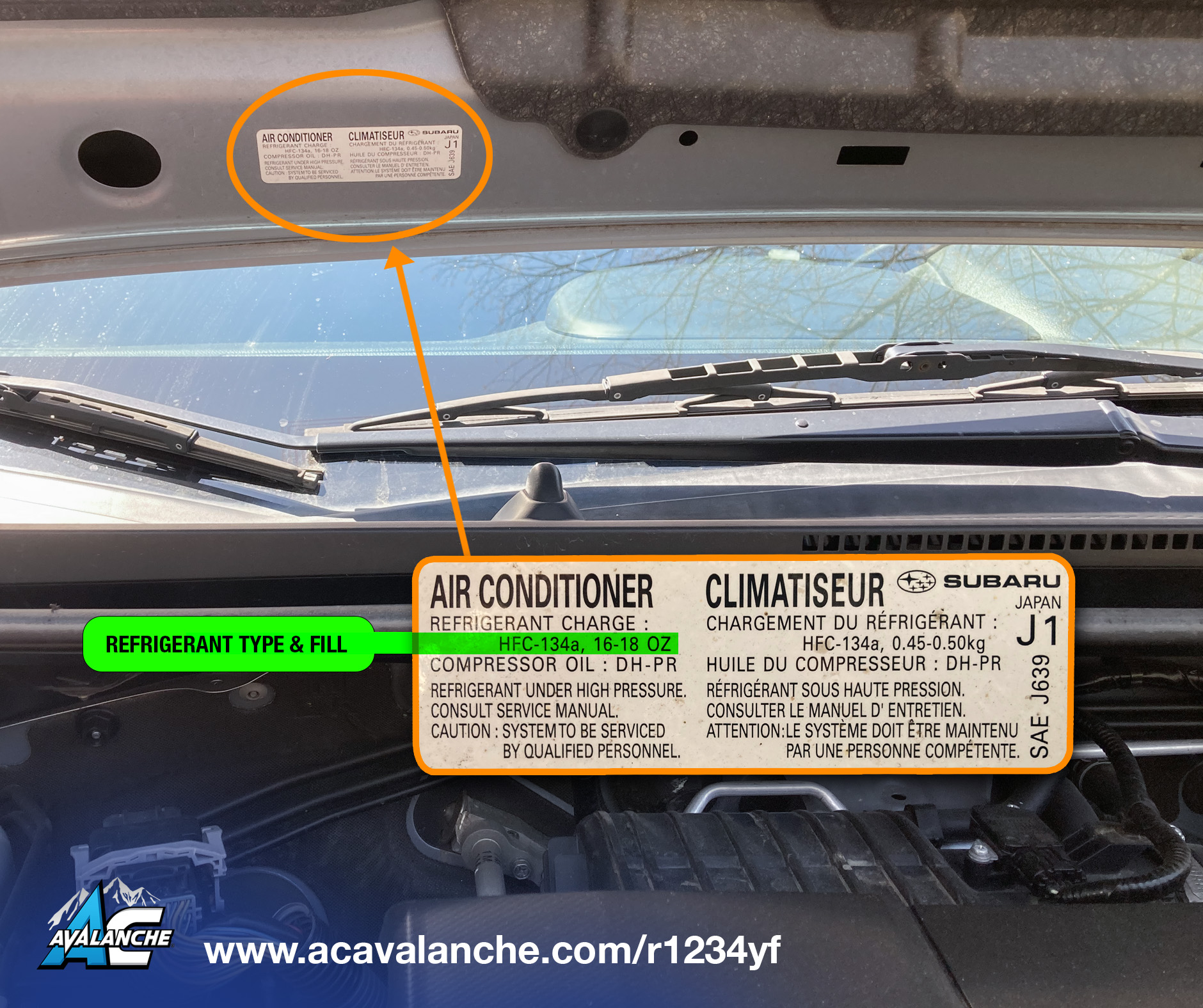
Every car model has a specific Freon amount recommended by the maker. Check the owner’s manual or a sticker under the hood. These sources tell the exact ounces needed for your car’s AC system. Follow these specs closely to protect your vehicle.
Factors Affecting Freon Quantity
Several things change how much Freon your car uses. The size of your AC system matters. Older cars may need more or less Freon. Leaks in the system reduce the amount inside. Temperature and driving habits also play a small role.
Common Freon Capacities In Cars
Most cars hold between 12 to 36 ounces of Freon. Small cars usually need about 12 to 20 ounces. Larger vehicles or trucks might require 24 to 36 ounces. Always check your car’s exact needs before adding Freon.
Checking Freon Levels
Checking Freon levels in your car is important for keeping the air conditioning cool. Low Freon can make the AC weak or stop it from working. Regular checks help find problems early and keep you comfortable.
There are simple ways to check if your Freon is low. You can spot signs yourself or use tools for a more exact check. For best results, a professional can diagnose the system fully.
Signs Of Low Refrigerant
Watch for warm air coming from the vents. The AC may take longer to cool the car. Strange noises or a hissing sound can also mean low Freon. Moisture or frost on AC parts might show a leak.
Using Pressure Gauges
Pressure gauges connect to the AC system to measure Freon levels. These tools show pressure readings to help find leaks or low refrigerant. Readings below normal mean the system needs more Freon or repair.
Professional Diagnostics
Mechanics use special machines to check the AC system deeply. They find hidden leaks or damage that simple tools miss. Professionals can refill Freon safely and ensure the system works well.
Credit: www.walmart.com
Refilling Freon Safely
Refilling Freon safely is very important for your car’s air conditioning system. Handling Freon incorrectly can cause damage to the system or harm to yourself. Follow the right steps to ensure the job is done safely and correctly. Use the proper tools and observe safety rules throughout the process.
Required Tools And Equipment
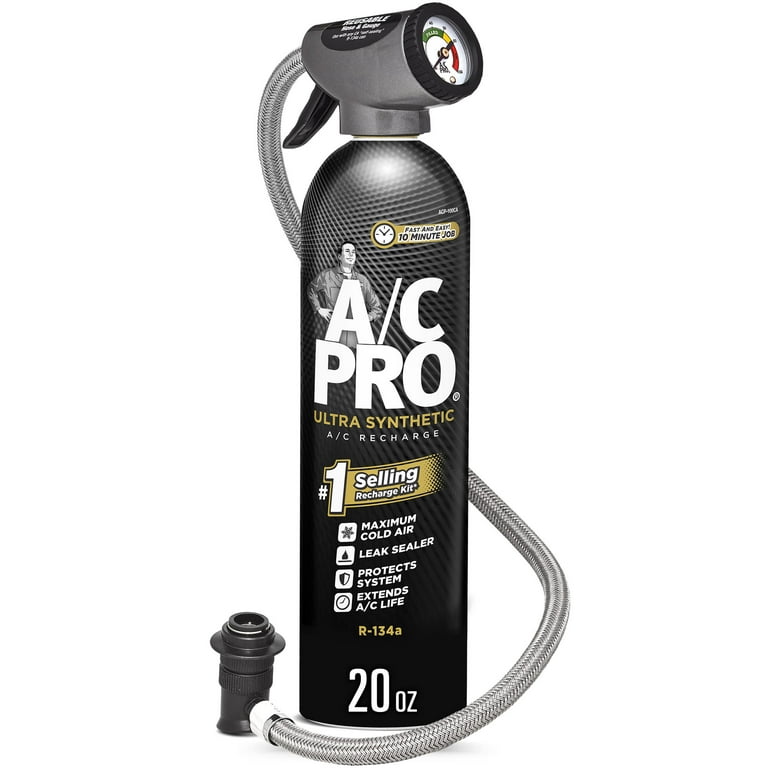
You will need a few basic tools before refilling Freon. These include a Freon recharge kit with a pressure gauge, a can of the correct Freon type, and safety gloves. Safety goggles protect your eyes from accidental sprays. A flashlight helps you see the service port clearly. Have a tire pressure gauge ready to check system pressure.
Step-by-step Recharging Process
First, park your car in a shaded area and turn off the engine. Locate the low-pressure service port on your A/C system. Attach the recharge hose to the port securely. Check the pressure gauge reading before starting. Slowly open the valve on the Freon can to release the gas. Watch the gauge and stop refilling when it reaches the recommended level. Close the valve and remove the hose carefully. Run the A/C to check if it cools properly.
Safety Precautions
Always wear gloves and goggles to protect your skin and eyes. Avoid inhaling Freon gas, as it can be harmful. Do not overfill the system; too much Freon can cause damage. Work in a well-ventilated area to avoid gas buildup. Keep Freon cans away from heat or flames. Dispose of empty cans properly according to local rules. Never release Freon directly into the air, as it harms the environment.
Potential Issues And Troubleshooting
Knowing the amount of Freon your car needs is important. Problems can happen with the air conditioning system. This section covers common issues and how to fix them. It helps you keep your car cool and working well.
Leaks And Repairs
Leaks cause the Freon to escape from the system. This lowers cooling power. Small leaks can be hard to find. Signs include warm air or hissing sounds. Fixing leaks quickly saves money and prevents damage. Use a professional to locate and repair leaks properly.
Overcharging Risks
Adding too much Freon harms the AC system. Overcharging causes high pressure inside. This can damage parts like the compressor. The AC may blow warm air or stop working. Follow the car’s manual for the correct amount. Use tools to measure Freon levels accurately.
When To Seek Professional Help
Some AC problems need expert care. If the AC still does not cool after adding Freon, call a mechanic. Strange noises or bad smells also need attention. Professionals have tools to check pressure and find leaks. They ensure the AC works safely and well.
Environmental And Legal Considerations
Understanding the environmental and legal aspects of Freon use is vital for car owners. Freon, also known as refrigerant, affects the environment if handled incorrectly. Laws regulate its use and disposal. Following these rules helps protect the planet and avoid fines.
Car air conditioning systems need a specific amount of Freon. Using the right amount prevents leaks and environmental harm. Knowing the rules keeps your vehicle safe and legal.
Freon Regulations
Many countries have strict laws on Freon use. These laws limit the types of refrigerants allowed in cars. Older Freon types, like R-12, are banned due to ozone damage. Newer refrigerants have less impact on the environment.
Technicians must be certified to handle Freon. This ensures they follow safety and environmental standards. Illegal Freon use can lead to heavy fines and penalties.
Eco-friendly Alternatives
New refrigerants cause less harm to the environment. Options like R-134a and R-1234yf are common in modern cars. These alternatives reduce greenhouse gas emissions.
Choosing eco-friendly refrigerants helps lower your car’s carbon footprint. It also supports global efforts to protect the ozone layer.
Disposal And Recycling
Freon cannot be thrown away with regular trash. Special processes must recover and recycle the refrigerant. This prevents harmful gases from entering the atmosphere.
Many auto shops offer Freon recycling services. Proper disposal protects air quality and follows legal rules. Always use certified professionals for Freon removal and recycling.
Credit: acavalanche.com
Frequently Asked Questions
How Many Ounces Of Freon Does A Typical Car Need?
Most cars require between 12 to 30 ounces of Freon. The exact amount depends on the vehicle’s make and model. Always check the owner’s manual or a professional for precise requirements.
Can I Add Freon To My Car’s Ac Myself?
Yes, you can add Freon yourself if you have the right tools. However, improper handling can harm your AC system. It’s best to follow instructions carefully or consult a professional.
What Happens If My Car Has Too Little Freon?
Low Freon levels cause weak cooling and can damage the AC compressor. It also leads to increased fuel consumption. Timely refilling prevents costly repairs and maintains comfort.
How Often Should I Check My Car’s Freon Levels?
Check Freon levels annually or if the AC isn’t cooling well. Regular inspection helps detect leaks early. Keeping proper Freon levels ensures efficient AC performance and longevity.
Conclusion
Knowing the right amount of Freon helps keep your car cool. Too little or too much Freon can cause problems. Always check your car’s manual for the exact amount needed. If unsure, visit a professional to avoid damage. Proper Freon levels improve air conditioner performance and comfort.
Keep your car’s cooling system working well all year. Simple steps can save you time and money. Stay cool and drive safely.

