

Have you ever wondered how cold your car air conditioner should really be? You rely on it to keep you cool and comfortable, but knowing the right temperature can make all the difference.
If it’s too warm, you won’t get the relief you need. Too cold, and you might be wasting energy or even damaging your system. You’ll discover the ideal temperature range for your car’s AC, how to check if it’s working properly, and simple tips to keep it running efficiently.
Keep reading to make sure your next drive is cool, refreshing, and just right.
Ideal Car Ac Temperature
Setting the right temperature for your car’s air conditioner is important. It affects your comfort and how well the AC works. The ideal temperature keeps the car cool without using too much energy. It also helps avoid feeling too cold or too hot inside the car. Finding the right balance makes every drive more pleasant, especially on hot days.
Recommended Temperature Range
The best temperature for a car AC is usually between 72°F and 78°F (22°C to 26°C). This range cools the car effectively without wasting fuel. Setting the AC too low can make the car too cold fast. It may also cause the engine to work harder. Keeping the temperature in this range helps maintain good air quality and comfort.
Factors Affecting Comfort Levels
Comfort depends on many things. Outside weather changes how cold the car feels inside. Bright sunlight heats the car quickly. Number of passengers can make the inside warmer. Clothes you wear also affect how cold or warm you feel. The car’s size and insulation play a role too. Adjust the AC settings based on these factors for best comfort.

Credit: gabrielsautoca.com
How Car Ac Works
The car air conditioner cools the air inside your vehicle. It uses a special system to lower the temperature. Understanding how it works helps you know how cold it should be. The system removes heat and moisture from the air. This makes the cabin comfortable on hot days.
Cooling Mechanism Basics
The car AC system has several parts working together. The compressor compresses refrigerant gas into a high-pressure state. This gas then moves to the condenser. The condenser changes the gas into a liquid by releasing heat outside the car. Next, the liquid refrigerant passes through an expansion valve. This valve lowers the pressure, turning the refrigerant into a cold mist. The evaporator inside the car cabin absorbs heat from the air. The cooled air then blows into the cabin through vents. This cycle repeats to keep the car cool.
Role Of Refrigerant
Refrigerant is the key to the AC cooling process. It moves through the system, changing between gas and liquid. This change helps absorb and release heat. Modern cars use eco-friendly refrigerants like R-134a or R-1234yf. These refrigerants work efficiently to cool the air. Proper refrigerant levels keep the AC running well. Too little or too much refrigerant lowers cooling power. Regular checks ensure the system stays effective.
Impact On Cabin Temperature
The AC system controls the cabin temperature by removing heat. The cooled air lowers the inside temperature quickly. The thermostat or climate control lets you set the desired temperature. Sensors monitor the cabin to keep it steady. Strong airflow helps spread cool air evenly. Proper maintenance of the AC system improves cooling speed. A well-functioning AC keeps the cabin fresh and comfortable.
Adjusting Ac For Weather
Adjusting your car’s air conditioner based on the weather helps keep you comfortable and saves fuel. Different weather needs different AC settings. Setting the right temperature prevents the car from feeling too cold or too warm. It also helps the AC system work better and last longer.
Hot And Humid Conditions
On hot, humid days, set your AC to a cooler temperature. This helps remove moisture from the air inside your car. Lowering the temperature to about 68-72°F (20-22°C) is ideal. Use the AC fan on a medium or high setting for better air flow. Avoid setting it too cold to save energy and prevent discomfort.
Mild And Cool Days
On mild or cool days, keep the AC at a higher temperature or turn it off. Use the fan without cooling if you want fresh air without chills. Setting the AC around 75-78°F (24-26°C) keeps the car comfortable. This also reduces wear on the AC system and improves fuel efficiency.
Energy Efficiency Tips
Keeping your car air conditioner cold uses energy. Saving energy helps your car run better. It also lowers fuel use and costs. Follow easy tips to keep your AC cool and efficient.
Optimal Temperature Settings
Set your car AC between 72°F and 75°F. This keeps the cabin cool without extra energy use. Avoid very low temperatures. They make the AC work harder and waste fuel.
Using Recirculation Mode
Use recirculation mode to cool inside air faster. It stops hot outside air from entering. This lowers the AC’s workload and saves energy. Switch off recirculation if windows fog up or air feels stale.
Maintaining Your Ac System
Clean or replace AC filters regularly. Dirty filters block airflow and reduce cooling. Check refrigerant levels to keep cooling strong. Have a mechanic inspect your AC yearly. Well-maintained systems use less energy and last longer.
Common Ac Problems
Car air conditioners often face problems that reduce cooling power. These issues can make your drive uncomfortable, especially on hot days. Understanding common AC problems helps you spot trouble early. Fixing them quickly saves time and money. Below are key signs and simple tips to keep your AC working well.
Signs Of Insufficient Cooling
The AC blows warm or less cold air than before. You feel no chill even at the highest setting. Airflow may be weak or uneven from vents. Strange smells or noises can come from the system. The car’s interior stays hot despite running the AC. These signs mean your AC needs attention.
Troubleshooting Tips
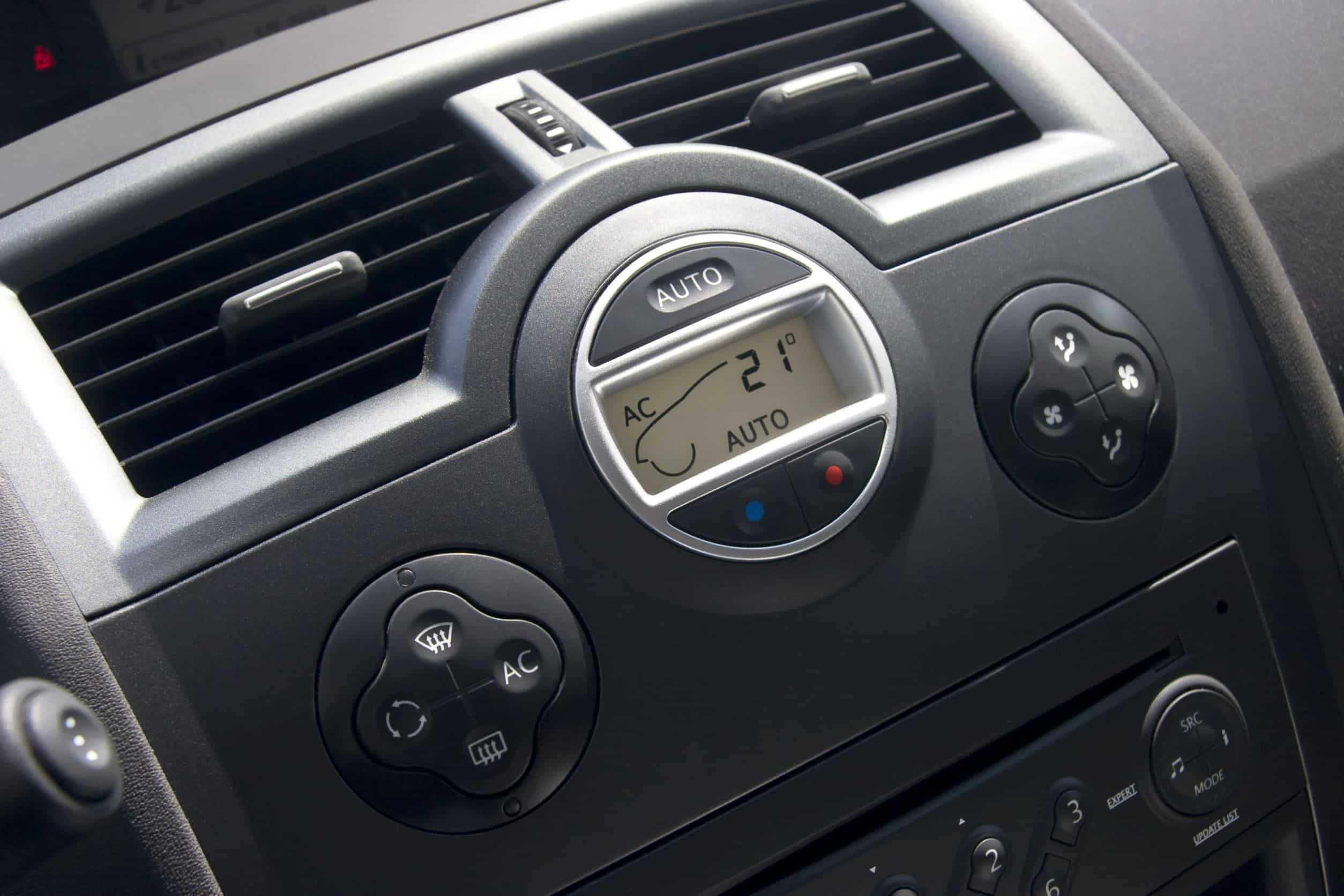
Check the AC settings and make sure it is on cold mode. Clean or replace the cabin air filter if dirty. Look for visible leaks or low refrigerant levels. Clear debris from outside vents or the condenser. Run the engine to warm up before using the AC in cold weather. If problems persist, visit a mechanic for a professional check.
Credit: keepincool.com.au
Health And Comfort
Keeping your car air conditioner at the right temperature matters for health and comfort. Too cold air can make you feel uncomfortable and cause health issues. The right balance helps you stay fresh and relaxed during your drive.
Avoiding Overcooling
Setting the air conditioner too cold can cause chills. Your body may react with stiffness or headaches. Overcooling also wastes energy and reduces fuel efficiency. A moderate temperature keeps you comfortable without sudden chills.
Preventing Dryness And Allergies
Cold air can dry out your skin and eyes. It may also irritate your throat and nose. Dry air helps dust and allergens spread inside the car. Keeping the AC at a gentle cool level helps reduce dryness and allergy risks. Use the fan mode or fresh air option to improve air quality.

Credit: www.ridetime.ca
Frequently Asked Questions
How Cold Should A Car Air Conditioner Be?
A car air conditioner should ideally cool the cabin to about 60-65°F (15-18°C). This range provides comfort without overworking the system or wasting energy.
Why Isn’t My Car Ac Blowing Cold Air?
Common causes include low refrigerant, a clogged cabin filter, or a faulty compressor. Regular maintenance helps keep your AC efficient and cold.
How Can I Make My Car Ac Colder?
Park in the shade, use the recirculation mode, and keep windows closed. Regularly check refrigerant levels and clean the AC system for optimal cooling.
Is It Bad To Set Car Ac To The Coldest Setting?
Setting it to the coldest may strain the system and increase fuel consumption. Use a moderate setting for comfort and efficiency.
Conclusion
A car air conditioner should feel cool but not freezing cold. Too cold air can cause discomfort or make the system work harder. Aim for a steady, refreshing breeze inside your car. Regular maintenance helps keep the AC running smoothly.
Check refrigerant levels and clean filters often. A properly set AC makes driving more comfortable and safe. Stay cool without overdoing it. Your car and your comfort will thank you.


