
If you’ve been in a car accident, one question likely weighs heavily on your mind: how much money will you actually get from a settlement? Understanding what to expect can help you feel more in control during a stressful time.
You deserve to know how insurance companies calculate settlements and what factors affect the amount you receive. Keep reading to uncover the key details that can impact your payout and learn how to make sure you get the compensation you deserve.
Factors Influencing Settlement Amounts
Several factors influence how much you receive from a car accident settlement. These elements help decide the final amount. Understanding them helps set realistic expectations. Each case is unique and depends on specific details.
Injury Severity And Medical Costs
The seriousness of your injuries affects settlement size. More severe injuries mean higher medical bills. Costs include hospital stays, surgeries, and therapy. Long-term care needs also increase the amount. Settlements cover all reasonable medical expenses.
Liability And Fault Determination
Who caused the accident matters a lot. If you are partly at fault, your settlement may reduce. Full liability usually leads to higher compensation. Insurance companies investigate to assign fault. Clear fault makes the process smoother.
Property Damage Evaluation
Damage to your vehicle and belongings counts in settlements. Repair or replacement costs get factored in. The value of your car before the crash is key. Other damaged property, like personal items, may be included. Accurate evaluation supports a fair settlement.
Impact Of Insurance Policy Limits
Insurance coverage caps limit the payout. Even with high damages, the insurer pays only up to the limit. Higher policy limits provide better protection. Sometimes, multiple policies combine for more funds. Knowing limits helps manage expectations.
Lost Wages And Future Earnings
Time off work due to injury affects your settlement. Compensation covers wages lost during recovery. If injuries reduce future earning ability, that counts too. Documentation of income and job impact is important. Settlements aim to replace lost income fairly.

Credit: www.smithandhassler.com
Types Of Compensation In Settlements
Car accident settlements cover different types of losses. Understanding these types helps you know what to expect in your claim. Each type of compensation targets a specific loss or damage caused by the accident. Some cover direct costs, while others address pain or emotional impact.
Medical Expenses Coverage
Medical expenses coverage pays for all accident-related healthcare costs. This includes hospital stays, surgeries, doctor visits, and medication. It also covers physical therapy and future medical care. This part of the settlement ensures you are not stuck with large medical bills.
Pain And Suffering Damages
Pain and suffering damages compensate for physical pain and discomfort. It also covers mental suffering caused by the accident. This type of compensation is less tangible but very important. It reflects the personal impact beyond just financial losses.
Lost Income Recovery
Lost income recovery covers wages lost due to injury. It pays for time missed at work during recovery. It may also include loss of future earning potential. This helps you avoid financial stress while healing.
Property Repair And Replacement
This compensation pays for damage to your vehicle or other property. It covers repair costs or total replacement if the property is beyond repair. It ensures you are not left paying for accident damages out of pocket.
Emotional Distress Claims
Emotional distress claims cover mental health impacts from the accident. This includes anxiety, depression, and trauma caused by the event. These claims recognize the accident’s effect on your emotional well-being. They provide support for psychological recovery too.
Steps To Maximize Your Settlement
Maximizing your car accident settlement requires careful steps. Each action helps build a stronger case and increases your compensation. Follow these key steps to protect your rights and improve your chances of a fair settlement.
Documenting The Accident Thoroughly
Write down everything about the accident as soon as possible. Include the date, time, and location. Take clear photos of all vehicles and damages. Record the weather and road conditions. Keep a copy of the police report for reference. Detailed records help prove your case clearly.
Seeking Prompt Medical Attention
Visit a doctor right after the accident. Even if you feel fine, some injuries show later. Get a full medical checkup and follow all treatments. Keep all medical bills and reports. Medical records confirm your injuries and support your claim.
Gathering Witness And Evidence
Talk to people who saw the accident. Get their names and contact details. Ask witnesses to describe what they saw. Collect any video footage nearby if possible. Strong evidence backs your story and helps prove fault.
Negotiating With Insurance Adjusters
Stay calm and polite when talking to insurance agents. Do not accept the first offer quickly. Review the offer carefully with all your documents. Present clear facts and damages to support your demand. Negotiation takes patience and clear proof.
When To Consult A Personal Injury Lawyer
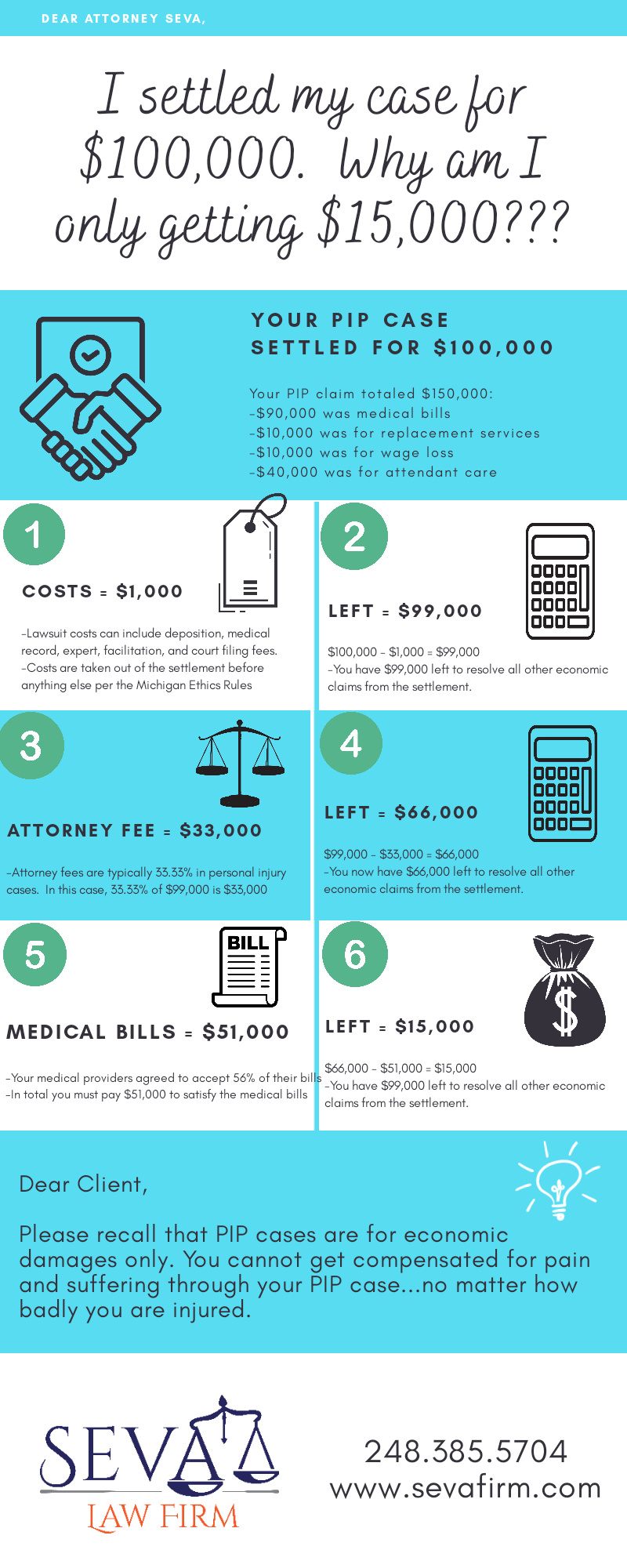
Consider a lawyer if the settlement seems low. A lawyer knows how to handle insurance companies. They help gather evidence and advise on your rights. Legal help can increase your settlement amount. Consult early to avoid missing important deadlines.
Credit: sevafirm.com
Common Settlement Challenges
Car accident settlements often face common challenges that can delay or reduce the compensation you receive. Understanding these issues helps you prepare and protect your rights. Each case is unique, but many people experience similar hurdles during the settlement process.
Dealing With Lowball Offers
Insurance companies may offer less money than your claim deserves. They want to save money by paying the smallest amount possible. Accepting a lowball offer might seem easy but can leave you undercompensated. Always review the offer carefully and consider seeking advice before agreeing.
Disputes Over Liability
Liability means who is responsible for the accident. Sometimes, both sides blame each other. These disputes can slow down the settlement process. Proving fault requires evidence like police reports or witness statements. Clear proof helps move the case forward quickly.
Insurance Company Tactics
Insurance adjusters use tactics to minimize payouts. They may ask tricky questions or request unnecessary documents. Their goal is to find reasons to deny or reduce your claim. Stay calm and answer questions honestly. Avoid giving more information than needed.
Delays In Settlement Processing
Settlements can take time due to paperwork or investigations. Insurance companies may delay to pressure you into accepting less. Patience is important during this period. Keep track of all communications and respond promptly to avoid further delays.
Legal Options Beyond Settlement
Car accident settlements often resolve cases quickly. Still, legal options exist beyond settlement offers. These choices can affect how much money you get. Understanding these options helps you make smart decisions. Knowing the pros and cons guides you on the best path forward.
Filing A Lawsuit
Filing a lawsuit means taking your case to court. This step starts formal legal action against the other party. Lawsuits can lead to higher compensation. Courts review all evidence and decide the outcome. The process can take months or years to finish.
Mediation And Arbitration
Mediation and arbitration are alternatives to court trials. Mediation uses a neutral person to help both sides agree. Arbitration is more formal, with a third party making a decision. Both methods save time and cost less than court. They offer a quicker way to resolve disputes.
Trial Considerations
A trial lets a judge or jury decide your case. Trials can provide fair compensation based on facts. The process is public and can be stressful. Evidence and witness testimonies play a big role. Outcomes vary and are not guaranteed.
Costs And Risks Of Litigation
Litigation involves fees for lawyers, court, and experts. These costs add up and may reduce your final payout. Losing a case means no settlement money and lost expenses. Lawsuits take time and cause emotional stress. Weighing risks and benefits before suing is important.

Credit: www.johnfoy.com
Frequently Asked Questions
How Is A Car Accident Settlement Amount Calculated?
Settlement amounts depend on medical bills, lost wages, and damages. Insurance companies consider fault, injury severity, and evidence to determine fair compensation.
What Factors Affect Car Accident Settlement Payouts?
Factors include injury severity, medical costs, fault percentage, insurance policy limits, and property damage. Legal representation also impacts the final settlement amount.
How Long Does A Car Accident Settlement Take?
Settlements usually take weeks to months. Complex cases with serious injuries or disputes may require longer negotiations or court proceedings.
Will My Settlement Cover All Medical Expenses?
Settlements often cover current and future medical costs but may exclude unrelated treatments. Accurate medical records ensure proper compensation.
Conclusion
Car accident settlements vary based on many factors. Injuries, medical bills, and lost wages affect the amount. Insurance policies and fault also play a role. Settlements aim to cover your damages fairly. Knowing these details helps you set realistic expectations.
Always keep clear records and seek advice if needed. Your goal is fair compensation for your losses. Understanding this process gives you more control. Stay informed and prepared for the steps ahead.


