Rusty brake rotors can make your car feel unsafe and noisy. You might worry about how this rust affects your braking or if you need to spend a lot on repairs.
The good news is, you can clean up rusty brake rotors yourself with some simple steps. By taking care of this now, you protect your safety and save money. Keep reading, and you’ll learn exactly how to restore your brake rotors to smooth, reliable performance.

Credit: www.youtube.com
Causes Of Rust On Brake Rotors
Rust on brake rotors happens when metal meets water and air. This causes a chemical reaction called oxidation. Rust weakens the rotor’s surface and affects braking. Knowing what causes rust helps keep rotors clean and safe.
Exposure To Moisture
Brake rotors face water from rain, puddles, and car washes. Moisture on the rotor surface starts rust quickly. Even dew or humidity can cause rust overnight. Water trapped between the rotor and brake pads makes rust worse.
Infrequent Vehicle Use
Cars parked for days or weeks develop rust faster. Without regular driving, rotors do not get cleaned by brake pads. The pads scrape off rust during braking. Lack of use allows rust to build up and harden on the rotors.
Environmental Factors
Salt on roads in winter speeds up rust formation. Coastal areas with salty air also cause rust. Dust and dirt hold moisture on rotors and help rust grow. Pollutants in the air can increase corrosion rates on metal surfaces.
Tools And Materials Needed
Cleaning rusty brake rotors requires a few simple tools and materials. Having the right supplies makes the job easier and safer. Prepare everything before starting to avoid interruptions. This section lists basic supplies, safety gear, and optional rust removal products.
Basic Cleaning Supplies
- Wire brush or steel wool to scrub rust
- Brake cleaner spray to remove dirt and grease
- Clean rags or paper towels for wiping
- Bucket with water for rinsing
- Sandpaper (medium grit) for stubborn rust spots
Safety Equipment
- Protective gloves to guard hands
- Safety glasses to protect eyes from debris
- Face mask to avoid breathing dust or fumes
- Long-sleeve clothing to protect skin
Optional Rust Removal Products
- Rust remover gel or spray for tough rust
- WD-40 or penetrating oil to loosen rust
- Power drill with wire brush attachment for faster cleaning
Preparing Your Vehicle
Preparing your vehicle properly is the first step to cleaning rusty brake rotors safely. This ensures you work under safe conditions and avoid damage. Take time to set up everything before starting the cleaning process.
Securing The Vehicle
Park your car on a flat, stable surface. Engage the parking brake firmly. Place wheel chocks behind the wheels still on the ground. This stops the vehicle from rolling. Never skip this safety step.
Removing The Wheel
Loosen the lug nuts while the car is still on the ground. Use a lug wrench to do this. Then, lift the vehicle with a jack. Support the car with jack stands. Remove the lug nuts completely and take off the wheel carefully.
Accessing The Brake Rotor
With the wheel off, you can see the brake rotor clearly. Check if the brake caliper blocks access. Remove the caliper bolts using the right tools. Hang the caliper safely using a wire or hook. Avoid letting it hang by the brake hose.
Manual Cleaning Methods
Rusty brake rotors can affect your car’s braking power. Cleaning them manually is a simple way to restore their condition. This process requires basic tools and some effort. It helps remove rust and improves brake performance.
Using A Wire Brush
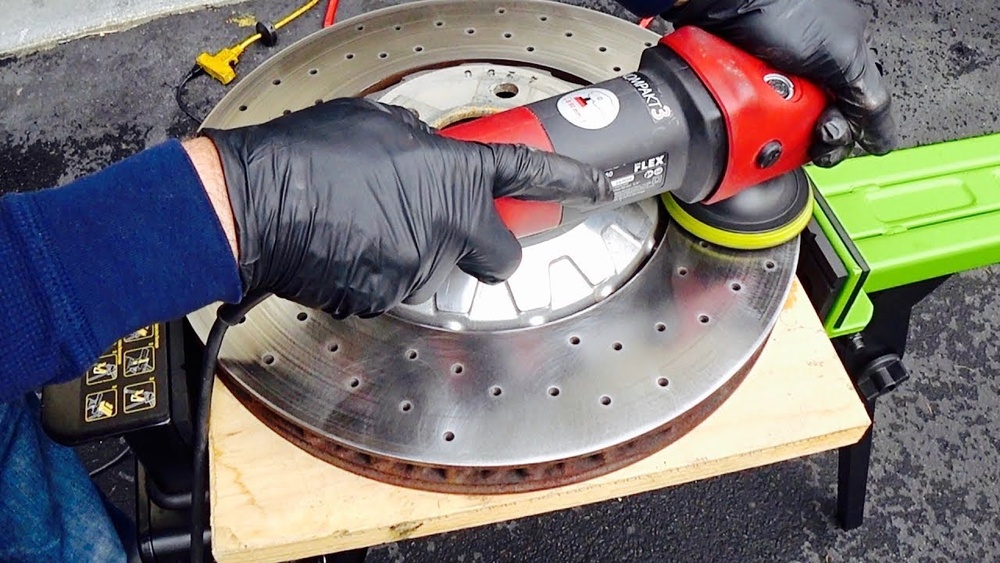
Start by scrubbing the rotor with a wire brush. Use firm, circular motions to remove loose rust. A wire brush reaches small crevices and rough spots. It clears the surface for better contact with brake pads. Wear gloves to protect your hands from sharp edges.
Applying Brake Cleaner
Spray brake cleaner over the rotor’s surface. The cleaner dissolves grease, dirt, and stubborn rust. Let it sit for a few minutes to work deeply. Wipe the rotor with a clean cloth after spraying. This step ensures no residue stays behind.
Sanding The Rotor Surface
Use fine-grit sandpaper to smooth the rotor surface. Sand lightly in circular motions to avoid damage. This removes remaining rust and evens out rough areas. After sanding, clean off dust with a dry cloth. Sanding improves rotor contact and brake efficiency.
Chemical Rust Removal
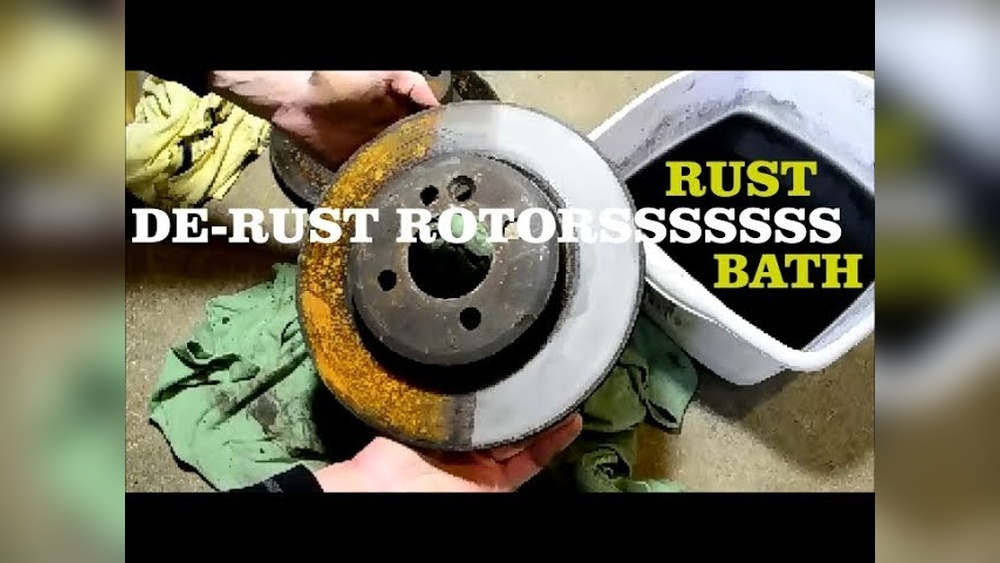
Chemical rust removal is a quick way to clean rusty brake rotors. It uses special liquids that dissolve rust without damaging metal. This method saves time and effort compared to scraping or sanding. Always use the right products and follow safety steps to protect yourself and the rotor.
Choosing Rust Removers
Pick rust removers made for metal parts like brake rotors. Look for products with phosphoric or oxalic acid. These acids break down rust safely. Avoid harsh chemicals that can harm the rotor or brake system. Read labels and instructions carefully before buying.
Safe Application Techniques
Wear gloves and eye protection before applying rust remover. Work in a well-ventilated area to avoid fumes. Use a brush or cloth to apply the chemical evenly on the rotor. Let it sit for the time recommended on the product label. Do not use metal tools that can scratch the rotor surface.
Rinsing And Drying
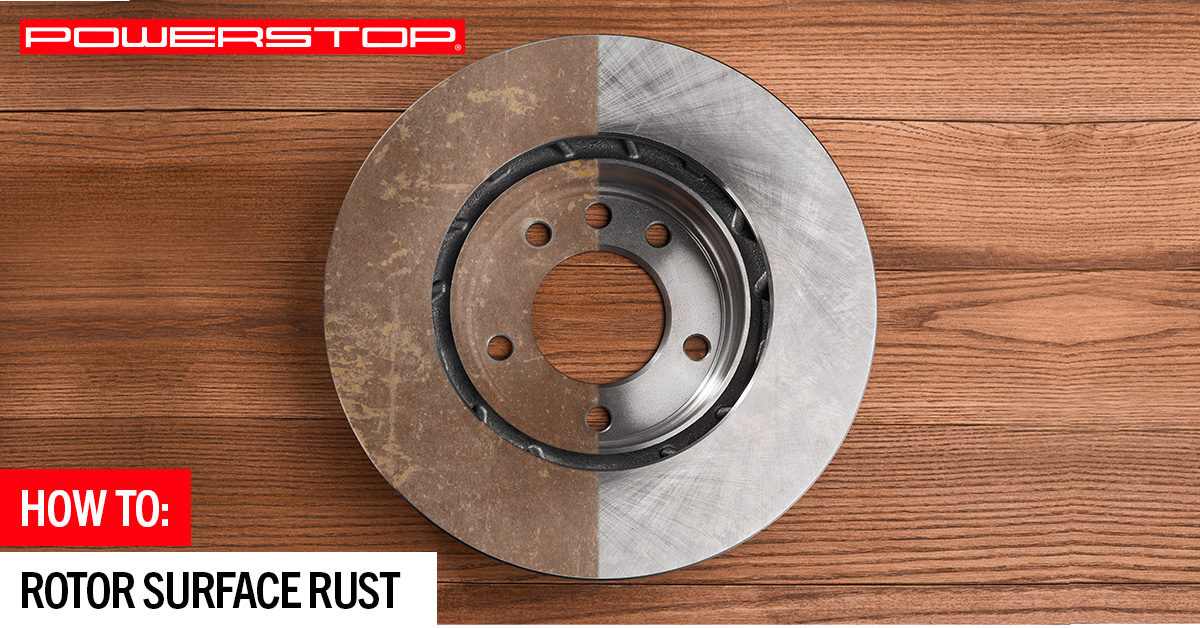
Rinse the rotor thoroughly with clean water after treatment. Make sure no chemical residue remains on the surface. Use a clean cloth or air blower to dry the rotor completely. Drying prevents new rust from forming quickly. Check the rotor for any missed spots and repeat if needed.
Credit: www.powerstop.com
Preventing Future Rust
Rust on brake rotors can cause noise and reduce braking power. Preventing rust keeps your brakes safe and working well. Small steps make a big difference in stopping rust from coming back.
Regular Driving Tips
Driving your car often helps keep rotors dry and clean. Rust forms faster on cars that sit unused. Short drives warm up the brakes and evaporate moisture. Avoid long parking times in wet areas. This simple habit limits rust buildup.
Protective Coatings
Applying a protective coating stops rust from forming. Use brake rotor paint or anti-rust sprays made for metal. These coatings create a barrier against water and salt. Reapply coatings after cleaning or heavy rain. Coatings protect rotors without affecting brake performance.
Routine Maintenance Checks
Check your brake rotors regularly for early rust signs. Clean rotors with a wire brush or brake cleaner if rust appears. Inspect brake pads and calipers to ensure they work well. Schedule professional brake inspections once a year. Routine checks keep brakes safe and rust-free.
When To Replace Brake Rotors
Knowing when to replace brake rotors is important for your safety. Rust on rotors can sometimes be cleaned, but severe damage needs replacement. You must check rotors often and watch for clear signs.
Signs Of Severe Damage
Deep grooves or cracks on the rotor surface show damage. Warped rotors cause vibrations when braking. Loud squealing or grinding noises can also mean rotors are worn out. Rust that won’t come off easily is a bad sign.
Measuring Rotor Thickness
Rotors have a minimum thickness limit set by the manufacturer. Use a micrometer to measure thickness accurately. If thickness is below the limit, replace the rotors. Thin rotors heat up fast and fail more easily.
Consulting A Professional
A mechanic can inspect rotors and give expert advice. They use tools to check rotor condition precisely. Getting a professional opinion helps avoid unsafe driving. Always trust experts for brake repairs and replacements.

Credit: bookmyboat.ca
Frequently Asked Questions
How Do I Safely Clean Rusty Brake Rotors?
Use a wire brush or sandpaper to remove rust gently. Wear protective gloves and eyewear. Avoid harsh chemicals that damage rotor surfaces. Clean with brake cleaner and dry thoroughly before reinstallation.
Can Rust On Brake Rotors Affect Braking Performance?
Yes, rust can reduce braking efficiency. It causes uneven contact between pads and rotors. This leads to vibrations and longer stopping distances. Cleaning or replacing rusty rotors restores optimal braking function.
What Tools Are Needed To Clean Rusty Brake Rotors?
You need a wire brush, sandpaper (medium grit), brake cleaner spray, and protective gear. A power drill with a wire brush attachment speeds up cleaning. Have a clean rag to wipe off residue.
How Often Should I Check Brake Rotors For Rust?
Inspect brake rotors every 6 months or during tire changes. Frequent checks prevent rust buildup and ensure safety. Regular maintenance extends rotor lifespan and improves vehicle braking reliability.
Conclusion
Cleaning rusty brake rotors can improve your car’s safety and performance. Use the right tools and follow steps carefully. Regular checks help catch rust early and keep brakes working well. Take your time and work patiently for best results. Rust won’t disappear on its own.
A clean rotor means smoother braking and longer brake life. Stay safe by keeping your brakes in good shape. Simple care makes a big difference on the road.