Have you noticed strange noises or vibrations when you press your brakes? Your brake rotors might be the cause.
Knowing when to replace your brake rotors is crucial for your safety and your car’s performance. If you ignore the signs, you could face costly repairs or, worse, dangerous driving conditions. You’ll learn the simple ways to tell if your brake rotors need to be replaced.
By the end, you’ll feel confident in keeping your brakes in top shape and protecting yourself on the road. Keep reading to find out what to watch for and when to take action.
Common Brake Rotor Issues
Brake rotors are a key part of your vehicle’s braking system. They help stop the car by working with brake pads. Over time, rotors face wear and damage. Knowing common rotor problems can help you spot issues early. This keeps driving safe and smooth.
Warped Rotors
Warped rotors happen when heat builds up too much. The metal bends out of shape. This causes the brake pedal to shake or vibrate. You may feel this when slowing down or stopping. Warped rotors reduce braking power and need checking fast.
Cracked Surfaces
Cracks appear from hard use or sudden cooling. Small cracks can grow larger with time. Cracked rotors can break while driving, which is dangerous. Look for visible lines or breaks on the rotor surface. Replace cracked rotors to avoid accidents.
Excessive Wear
Rotors wear down as brake pads press against them. Thin rotors lose strength and stop heat well. Worn rotors make brakes less effective and noisy. Measure rotor thickness regularly and compare to the limit. Change rotors that are too thin or rough.

Credit: mechanics.stackexchange.com
Noise Indicators
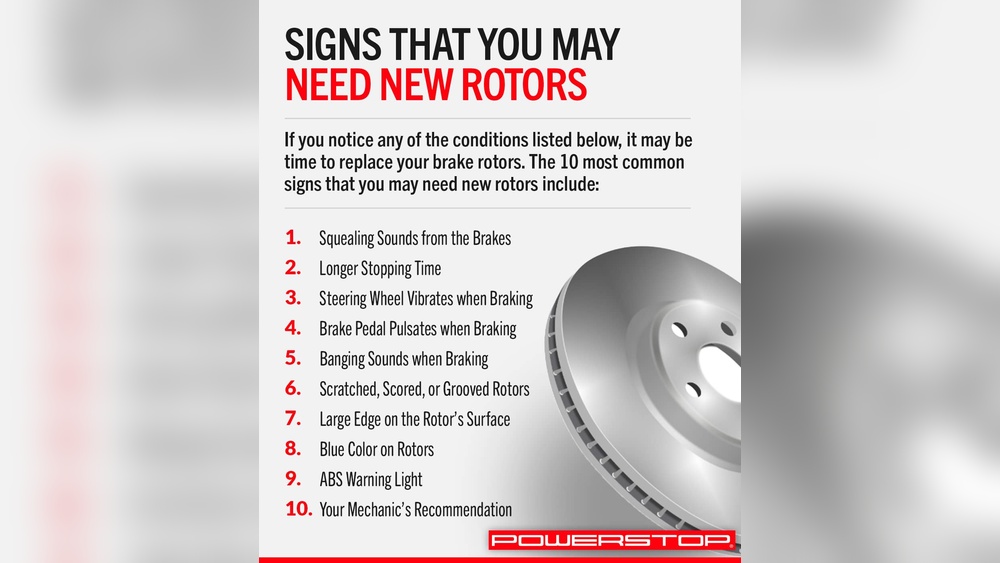
Noise from your brakes often signals rotor problems. These sounds warn you about wear or damage. Listening closely helps catch issues early. Acting fast can prevent bigger repairs and keep driving safe.
Squealing And Screeching
Squealing or screeching usually means worn brake pads. Metal wear indicators rub on the rotor, making noise. This noise tells you pads are thin and need checking. Ignoring it can harm the rotors and reduce braking power.
Grinding Sounds
Grinding noise means pads are gone or very thin. Metal parts grind against the rotor surface. This causes deep damage and rough rotor texture. Driving with grinding brakes feels harsh and unsafe. Replace parts quickly to avoid costly rotor damage.
Clicking Or Thumping
Clicking or thumping sounds come from uneven rotor wear. Warped or cracked rotors cause vibrations during braking. You may feel shaking in the brake pedal or steering wheel. These noises reduce braking smoothness and need prompt attention.
Visual Inspection Tips
Visual inspection is the first step to check your brake rotors. It helps find clear signs of damage or wear. You do not need special tools for a basic check. Just a flashlight and a clean rag can help.
Look closely at the rotor surface. Clean it if needed. This makes damage easier to see. Start by checking for grooves and scoring on the rotor.
Checking For Grooves And Scoring
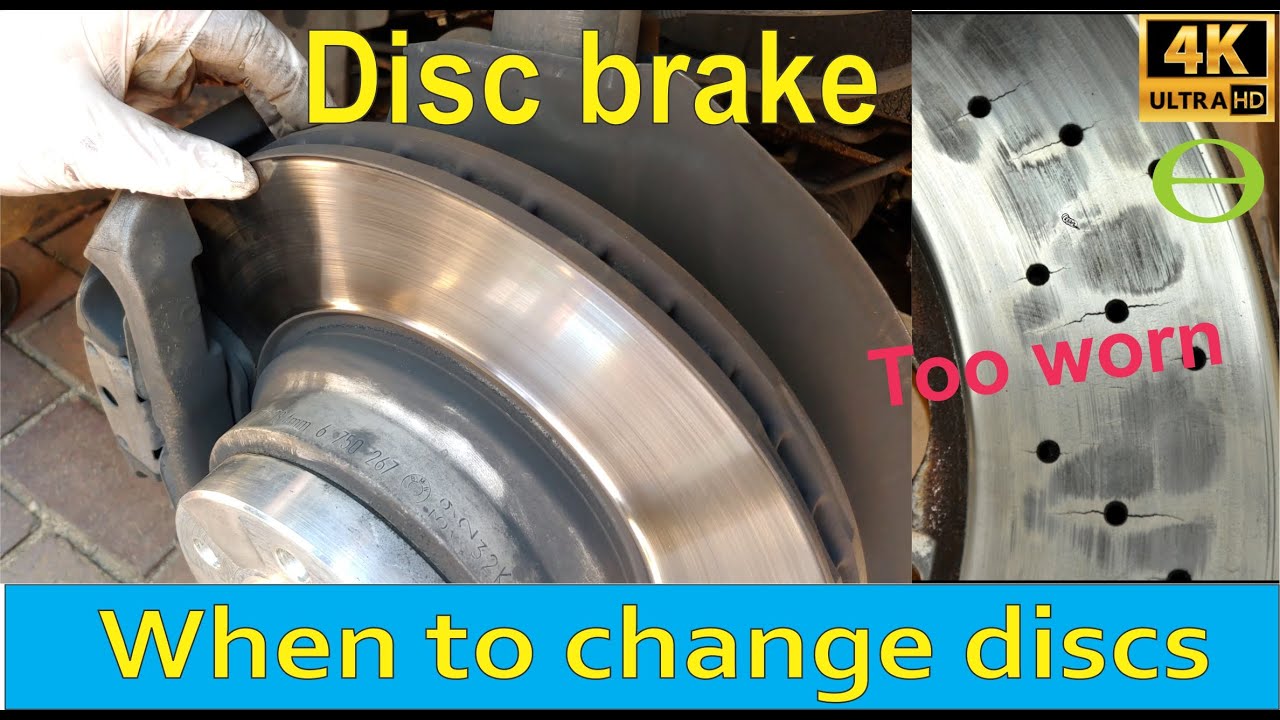
Grooves are small cuts or lines on the rotor. They happen from brake pad wear or dirt stuck on the rotor. Deep grooves reduce brake performance. Light grooves may be normal but deep ones need attention.
Run your finger gently across the rotor surface. You should feel smooth or very light lines. Sharp or deep ridges mean the rotor is worn out. These can cause noise and vibration while braking.
Measuring Rotor Thickness
Rotors wear down with use. They become thinner over time. Each rotor has a minimum thickness limit. If the rotor is thinner, it must be replaced.
Use a micrometer or caliper to measure the thickness. Take measurements at different spots on the rotor. Compare the number with the vehicle’s manual limit. If below the limit, replace the rotor immediately.
Rust And Corrosion Signs
Rust often forms on rotors, especially if the car sits unused. Surface rust is common and can clear after driving. But heavy rust or corrosion weakens the rotor.
Look for pitted or rough areas. Corrosion can cause uneven braking and noise. If rust is deep or widespread, replacement is best. Clean light rust with a wire brush if needed.
Credit: www.youtube.com
Performance Symptoms
Performance symptoms show how well your brake rotors work. These signs help you know when to replace them. Watch for unusual changes in braking feel or vehicle behavior.
Vibrations During Braking
Feel shaking or wobbling in the brake pedal or steering wheel? This often means the rotors are uneven or warped. Vibrations grow stronger as you press the brake harder. It can make driving unsafe and uncomfortable.
Increased Stopping Distance
Your car takes longer to stop than before. This means the brake rotors may be worn out or damaged. Worn rotors reduce friction needed to slow the car. Always check your brakes if stopping distance grows.
Brake Pedal Pulsation
Does the brake pedal pulse or throb under your foot? Pulsation signals rotor surface problems like warping or uneven wear. This causes the pedal to move up and down slightly. It lowers braking smoothness and control.
When To Consult A Mechanic
Knowing when to see a mechanic about your brake rotors is important for safe driving. Some signs are clear but others need expert eyes. A mechanic can check your rotors and brakes with proper tools and skills. They help avoid bigger problems on the road.
Professional Rotor Assessment
A mechanic inspects rotors for wear, cracks, and warping. They measure rotor thickness and surface condition. Some damage is hard to spot without tools. The expert can tell if rotors need replacement or just resurfacing. This check keeps brakes working well.
Cost Of Replacement
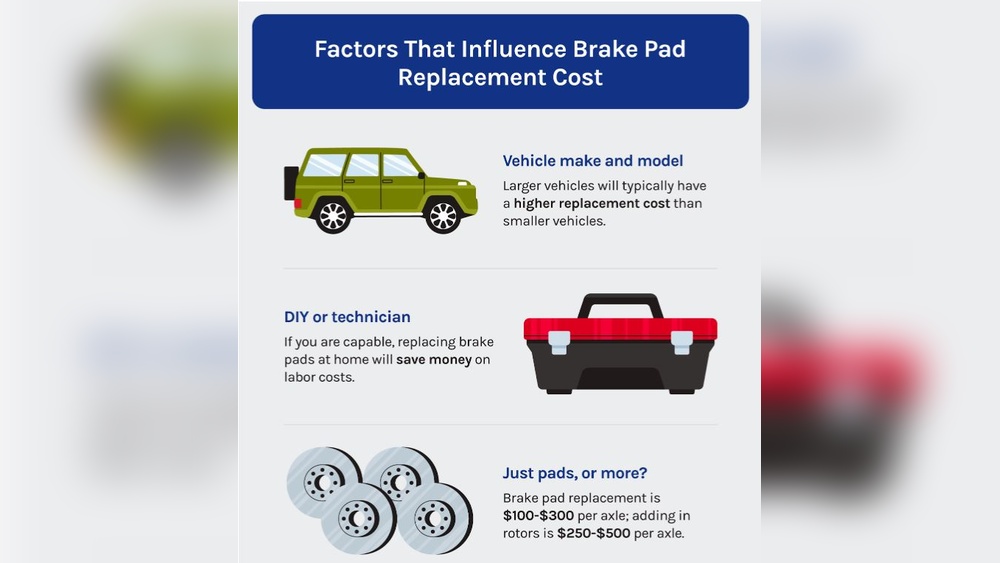
Replacing brake rotors costs vary by car model and part quality. Mechanics give an estimate before starting work. They explain if both rotors and brake pads need replacing. Knowing costs helps plan your budget. Avoids surprises at the repair shop.
Safety Considerations
Bad rotors reduce braking power and increase stopping distance. This can cause accidents or brake failure. Mechanics ensure your brake system is safe and reliable. Do not delay repairs if you feel shaking or hear noises. Your safety depends on proper brake care.
Credit: www.reddit.com
Frequently Asked Questions
How Do I Know If Brake Rotors Are Worn Out?
Worn rotors cause vibrations, squealing, or grinding noises when braking. Visual signs include deep grooves or cracks. If braking feels uneven or requires more distance, inspect rotors immediately.
What Causes Brake Rotors To Warp Or Crack?
Brake rotors warp due to excessive heat from heavy braking or poor quality materials. Cracks form from repeated stress and extreme temperature changes. Regular maintenance helps prevent these issues.
Can I Drive With Damaged Brake Rotors Safely?
Driving with damaged rotors is unsafe. It reduces braking efficiency and increases stopping distance. Replace rotors promptly to ensure vehicle safety and avoid further damage.
How Often Should Brake Rotors Be Replaced?
Brake rotors typically last 30,000 to 70,000 miles. Replace them when thickness falls below manufacturer specs or if warped. Regular inspections help determine the right replacement time.
Conclusion
Brake rotors wear down over time and affect your car’s safety. Listen for squealing or grinding sounds while braking. Check for vibrations or uneven braking feeling. Visible cracks or deep grooves on rotors need attention. Replacing worn rotors keeps your brakes working well.
Regular checks help avoid costly repairs later. Stay safe by knowing when to replace your brake rotors. Simple steps can protect you and your passengers on the road. Don’t ignore the signs your brakes give you.