
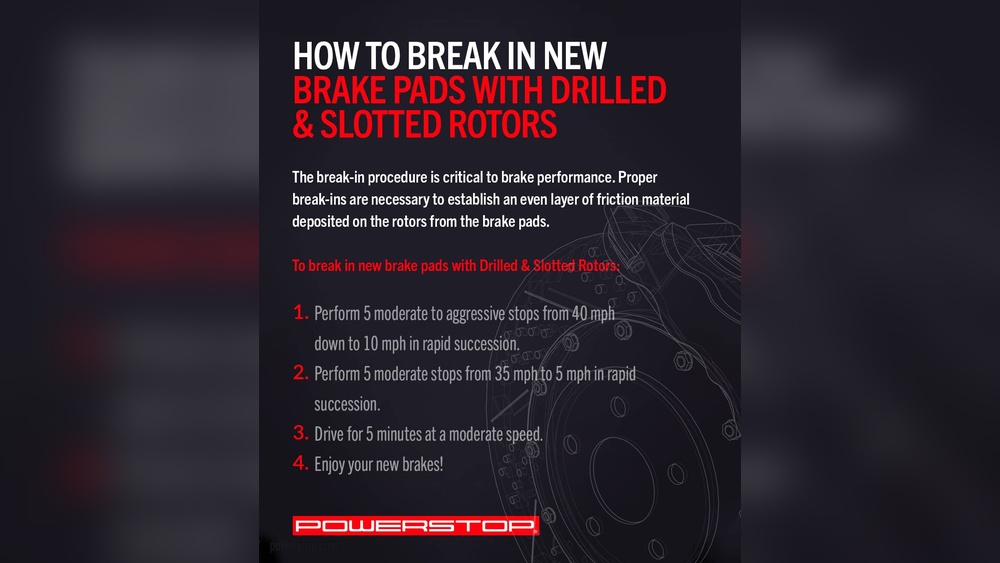
Are you ready to get the most out of your new rotors and brake pads? How you break them in matters more than you might think.
Doing it right means better performance, longer life, and safer stops every time you hit the brakes. In this guide, you’ll discover simple steps to properly break in your brakes, avoid common mistakes, and feel confident behind the wheel. Keep reading, because your safety and your car’s health depend on it.
Credit: www.buybrakes.com
Why Break-in Matters
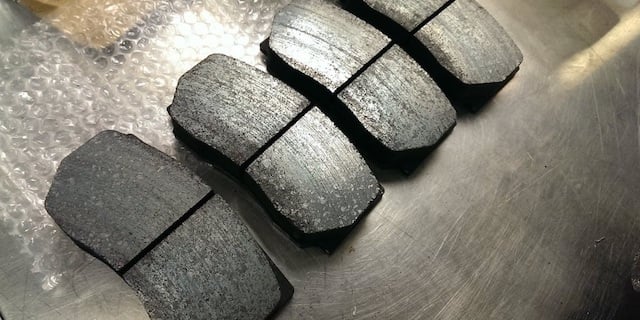
Breaking in new rotors and brake pads is a crucial step after installation. This process helps the brakes work smoothly and safely. Skipping break-in can cause poor performance and reduce brake life. It also helps the parts wear evenly. Understanding why break-in matters can save you time and money.
Benefits For Performance
Proper break-in improves brake response. The pads and rotors adjust to each other. This creates better grip and stopping power. You will notice smoother braking without noise or vibration. The brakes feel more consistent every time you press the pedal.
Impact On Safety
New brakes need time to reach full strength. Break-in ensures the parts work well together. This lowers the risk of brake failure. It also helps avoid sudden stops or skids. Safe braking keeps you and others protected on the road.
Extending Brake Life
Breaking in prevents uneven wear on pads and rotors. This stops damage like warping or cracking. The parts last longer and need fewer repairs. Proper break-in saves money on replacements. It keeps your brakes reliable for many miles.
Credit: www.brakes-shop.com
Preparing Your Vehicle
Preparing your vehicle is the first step to break in new rotors and brake pads properly. This stage helps ensure safety and improves braking performance. Taking time now prevents problems later and extends the life of your brake parts.
Selecting The Right Tools
Use basic hand tools like a wrench, socket set, and screwdriver. A torque wrench is important to tighten bolts to the correct level. Also, have brake cleaner and a wire brush ready. These tools help clean parts and ensure a good fit.
Inspecting Rotors And Pads
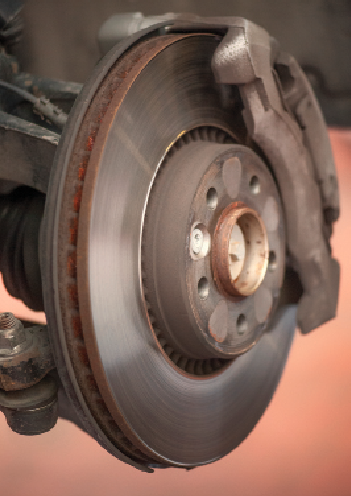
Check rotors for cracks, rust, or damage before installation. Look for uneven surfaces that can cause brake noise or vibration. Inspect pads for any defects or contamination. Clean all parts with brake cleaner to remove oil or dirt.
Ensuring Proper Installation
Follow the vehicle manual for installation steps. Align rotors and pads carefully to avoid misfit. Tighten all bolts to the specified torque. Double-check that the brake caliper moves freely. Proper installation prevents brake failure and uneven wear.
Initial Break-in Process
Breaking in new rotors and brake pads is important for safety and performance. The initial break-in process helps the parts wear evenly. This creates a strong bond between the pads and rotors. Proper break-in reduces noise and extends the life of your brakes. Follow these steps carefully for the best results.
Gradual Speed Builds
Start driving at low speeds for the first few miles. Increase your speed slowly with each stop. Avoid sudden acceleration or hard stops. This helps the brake pads and rotors warm up evenly. Gradual speed builds protect the new parts from damage.
Controlled Stops
Make gentle, controlled stops during the break-in. Press the brake pedal smoothly without slamming it. Repeat this several times to create even pad contact. Controlled stops prevent uneven wear and reduce brake noise. They also help the brake materials bond properly.
Avoiding Overheating
Keep your brakes cool by not riding them constantly. Avoid long, hard braking during the break-in. Overheating can cause warping and reduce brake life. Give your brakes time to cool between stops. This step keeps your new rotors and pads in good shape.
Credit: www.counterman.com
Post Break-in Checks
Post break-in checks are important for your new rotors and brake pads. These checks help ensure safety and improve the life of your brakes. After the initial break-in, inspect the brakes carefully for any issues.
Inspecting Wear Patterns
Look closely at the surface of your rotors and pads. The wear should be even without deep grooves or uneven spots. Uneven wear can mean the brakes are not aligned correctly. Early detection helps avoid costly repairs.
Checking For Noise Or Vibration
Listen to your brakes as you drive. Any squealing or grinding sounds need attention. Feel for vibrations in the brake pedal or steering wheel. These signs can indicate problems with the brake pads or rotors.
Adjustments And Maintenance
Make small adjustments to brake components if needed. Tighten loose bolts and clean any dirt or debris. Regular maintenance keeps the brakes working smoothly. Schedule routine checks to maintain brake performance.
Tips For Long-term Brake Care
Taking care of your brakes helps keep them working well for a long time. Proper brake care saves money and keeps driving safe. Simple steps can make a big difference in brake life. Follow these tips to protect your new rotors and pads.
Regular Cleaning
Dirt and dust can build up on brake parts. Clean your brakes regularly to stop this. Use a soft brush and brake cleaner spray. Avoid water on brake discs to prevent rust. Clean brakes work better and last longer.
Monitoring Brake Fluid
Brake fluid helps your brakes work smoothly. Check the brake fluid level often. Low fluid can cause brake problems. Change the brake fluid as the car manual says. Fresh fluid keeps brakes responsive and safe.
Recognizing Warning Signs
Listen for noises like squeaking or grinding when braking. Feel if the brake pedal is soft or hard. Smell burning after heavy braking. These signs show your brakes need attention. Fix problems early to avoid bigger damage.
Frequently Asked Questions
How Long Does It Take To Break In New Rotors And Pads?
Breaking in new rotors and brake pads typically takes about 300 to 500 miles. This period ensures proper bedding, which enhances braking performance and extends component life. Gradual braking during this phase helps avoid uneven wear and overheating.
Why Is Bedding In New Brake Pads Important?
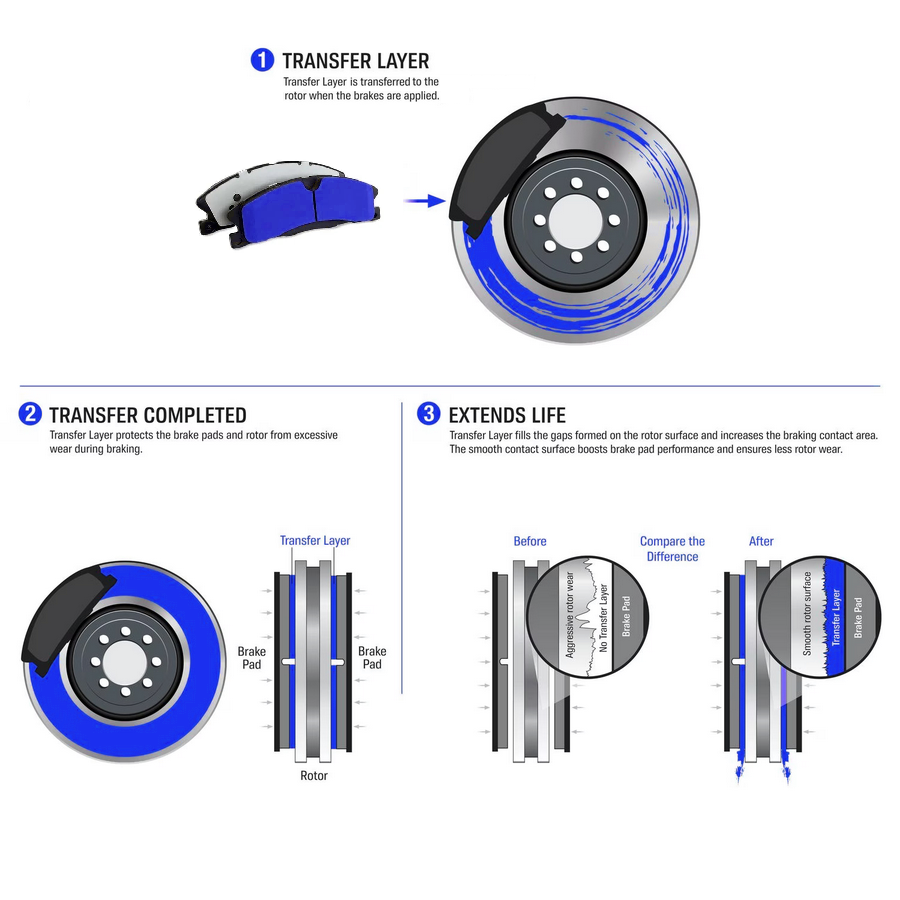
Bedding in new brake pads ensures even pad material transfer to the rotor surface. This process improves braking efficiency, reduces noise, and prevents premature wear. Proper bedding also helps maintain consistent stopping power and enhances overall safety.
What Is The Best Method To Break In New Brakes?
The best method involves gradual braking from moderate speeds, avoiding hard stops initially. Repeat this 8-10 times with cooling periods between. This helps create a smooth friction layer on rotors and pads, ensuring optimal brake performance and longevity.
Can I Drive Normally Right After Installing New Rotors And Pads?
Avoid aggressive driving immediately after installation. Normal driving with gentle braking is recommended to allow proper bedding. Hard stops can cause uneven pad deposits and reduce brake effectiveness, leading to noise and premature wear.
Conclusion
Breaking in new rotors and brake pads improves safety and performance. Follow the steps carefully for best results. Take your time and avoid hard stops at first. This helps your brakes last longer and work smoothly. Remember, good brake care saves money and keeps you safe.
Practice patience and pay attention to how your brakes feel. Proper break-in protects your vehicle and gives you peace of mind. Keep checking your brakes regularly to stay safe on the road. Simple care makes a big difference in brake life.


