If your car’s brakes are making noise or feeling less responsive, you might be wondering, “How much will it cost to replace brake pads and rotors labor?” Knowing this can save you from unexpected bills and help you plan your budget better. You’ll discover the real cost behind the labor charges, why prices can vary, and how to avoid paying too much.
Keep reading to get the clear, simple answers you need before you take your car to the shop.
Brake Pads And Rotors Basics
Brake pads and rotors are vital parts of your car’s braking system. They work together to stop your vehicle safely and quickly. Understanding their role helps you know why replacing them matters.
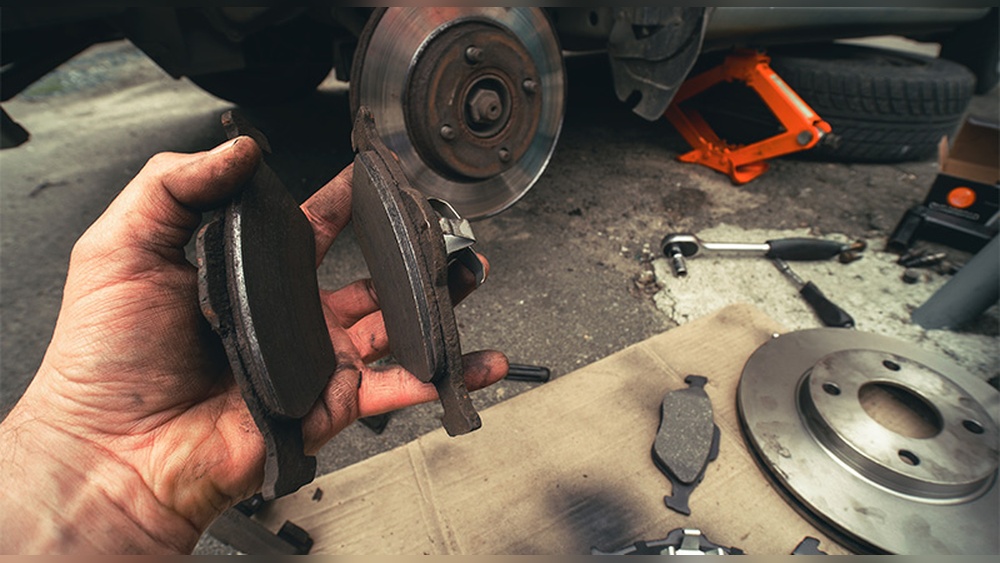
Brake pads press against the rotors to create friction. This friction slows down or stops the wheels from turning. Over time, this friction wears down both brake pads and rotors.
Role In Vehicle Safety
Brake pads and rotors keep your car from sliding or crashing. Good brakes give you control and confidence on the road. Worn parts reduce braking power, making driving unsafe. Regular maintenance ensures your brakes work properly every time.
Signs They Need Replacement
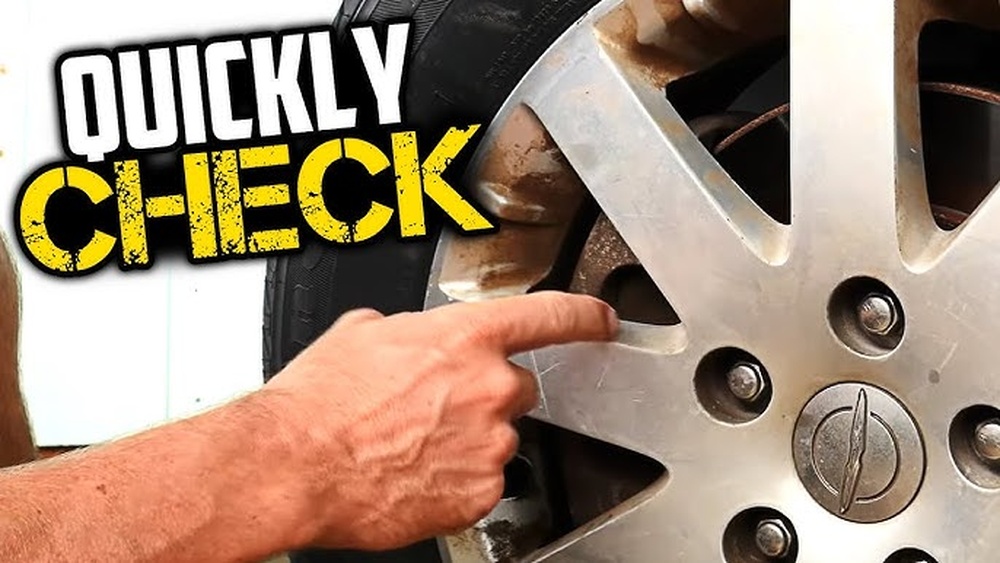
You may hear squealing or grinding noises when braking. The car might pull to one side while stopping. Feelings of vibration or a soft brake pedal also signal issues. These signs mean your brake pads or rotors need checking or replacing soon.
Factors Affecting Labor Costs
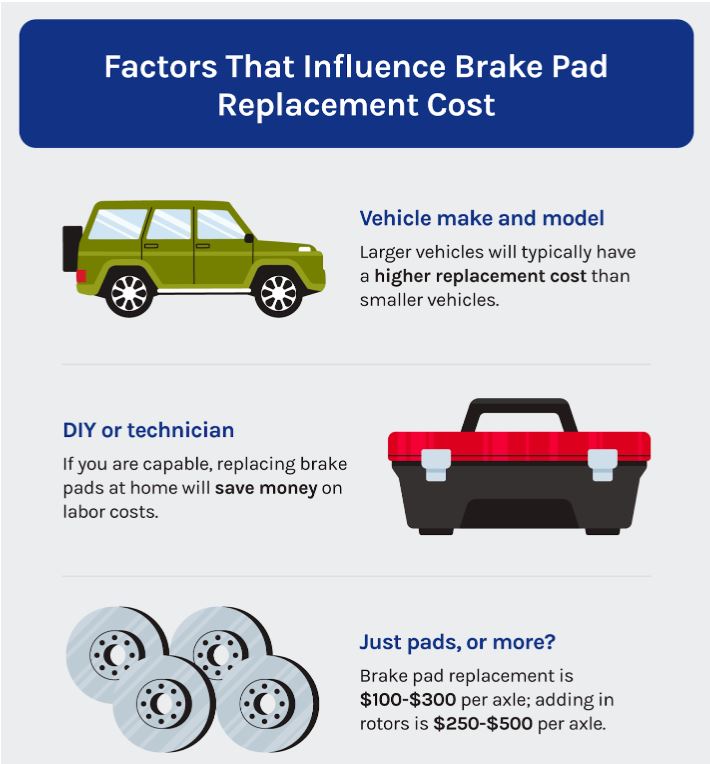
Labor costs for replacing brake pads and rotors vary widely. Several factors influence the final price. Understanding these helps you know what to expect. Here are the main elements that affect labor costs.
Vehicle Make And Model
Different cars require different amounts of time for brake work. Some models have easy access to brake parts. Others need more time to remove components. Luxury and performance cars often need special tools. This increases labor time and cost.
Shop Location And Type
Labor rates vary by location. Urban areas usually have higher prices than rural ones. Dealerships charge more than independent shops. Small local garages may offer lower labor rates. Shop type affects both price and quality of service.
Complexity Of The Job
Some brake jobs are quick and simple. Others require extra steps like removing suspension parts. Rust or damage can make the job harder. Complex jobs take longer and cost more in labor. The condition of your vehicle impacts the final bill.
Average Labor Costs Explained
Replacing brake pads and rotors involves costs beyond just parts. Labor charges play a big role in the total price. Understanding average labor costs helps plan your budget better. It also clarifies why prices may vary between shops. This section breaks down typical labor fees and compares service providers.
Typical Price Range
Labor costs to replace brake pads and rotors usually range from $100 to $300. The time needed depends on the vehicle and brake type. Some cars take less than an hour, others more. Shops often charge an hourly rate between $75 and $150. Simple brake jobs cost less, complex ones cost more.
Comparing Dealerships Vs. Independent Shops
Dealerships generally charge higher labor fees than independent shops. They use original equipment and have factory-trained mechanics. Independent shops often offer lower prices with skilled technicians. Both can do quality work, but prices differ. Choosing depends on your budget and trust in the shop.

Credit: www.brakes-4-less.com
Labor Time Estimates
Labor time estimates help you know how long mechanics spend on brake repairs. This affects the total cost of replacing brake pads and rotors. Knowing the time required gives you a clearer idea of the service duration and price.
Brake Pad Replacement Time
Replacing brake pads usually takes about 30 to 60 minutes. The time depends on your car model and brake system type. Some cars have simple setups that speed up the process. Others need more care and effort, which can take longer.
Rotor Replacement Time
Rotor replacement often requires 1 to 2 hours of labor. Rotors can be tricky to remove if they are rusted or stuck. Mechanics need to carefully detach and replace them. This work takes more time than just changing pads.
Combined Replacement Duration
Replacing both brake pads and rotors together typically takes 1.5 to 3 hours. Doing both jobs at once saves time compared to separate visits. Mechanics can work on the same wheel assembly efficiently. This combined service ensures your brakes work well and last longer.
Additional Expenses To Consider
Replacing brake pads and rotors involves more than just paying for labor. Several extra costs can affect the total price. Knowing these expenses helps avoid surprises at the shop. It also helps plan your budget better.
Parts Costs
Brake pads and rotors vary widely in price. The brand, quality, and type affect the cost. High-quality parts last longer but cost more upfront. Cheaper parts save money but may wear out fast. Some vehicles need special parts, which raise the price.
Hidden Fees And Taxes
Shops often add fees for shop supplies or disposal. These charges can add $20 to $50 to your bill. Taxes also increase the total cost. The tax rate depends on your state or city rules. Always ask for a detailed estimate before work starts.
Potential Additional Repairs
During brake work, mechanics may find extra problems. Worn calipers, leaking brake lines, or damaged sensors need fixing. These repairs add to the cost and time. Ignoring them can cause bigger issues later. Consider these possibilities when budgeting for brake service.
Credit: www.aaa.com
Ways To Save On Labor Costs
Labor costs for replacing brake pads and rotors can add up quickly. Finding ways to save on these costs helps keep your car maintenance budget low. Small choices can lead to big savings. Understanding your options is key to smart spending.
Diy Considerations
Doing the job yourself saves labor fees. Basic tools and a clear guide are enough. Brake work needs care and attention. Mistakes can cause safety issues. Only try DIY if confident in your skills. Watching tutorial videos helps prepare you well.
Choosing The Right Shop
Not all shops charge the same for labor. Compare prices from several places before deciding. Look for shops with good reviews and fair prices. Some local mechanics offer lower rates than big chains. Ask if they have any discounts or package deals.
Timing Your Service
Scheduling repairs during off-peak times can reduce labor costs. Mechanics may offer cheaper rates on weekdays or early mornings. Avoid weekends and holidays when prices often rise. Regular brake checks prevent bigger problems and costly repairs.
When To Replace Brake Pads And Rotors Together
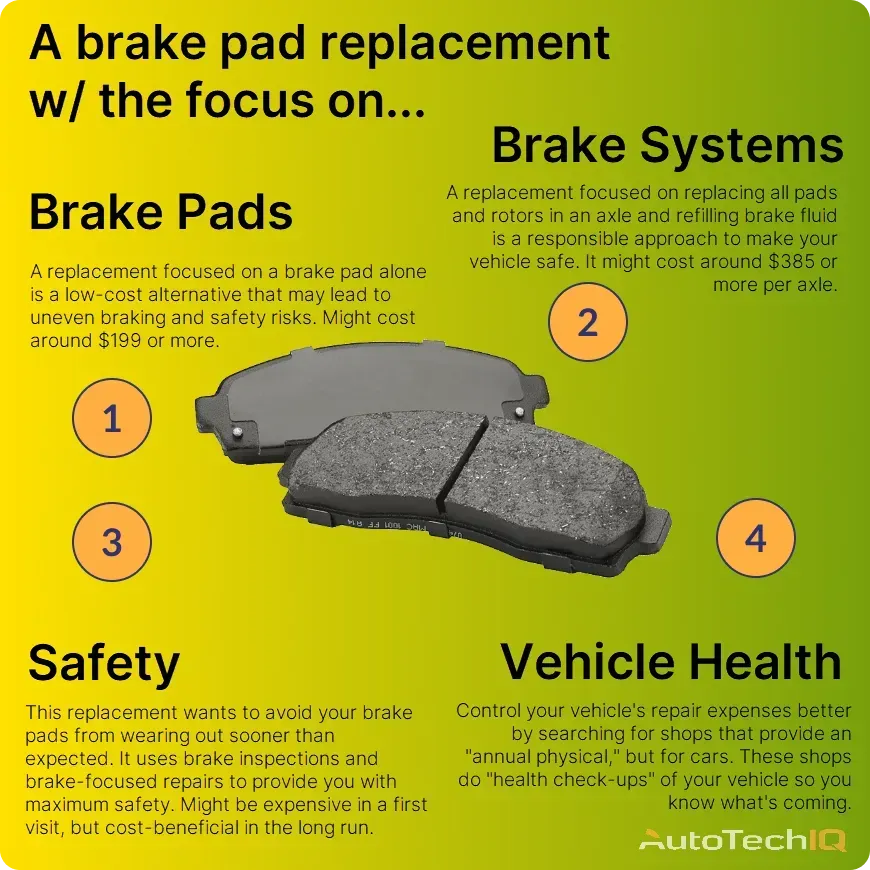
Knowing the right time to replace brake pads and rotors together saves money and ensures safety. Both parts work closely to stop your car smoothly. Replacing them at the same time prevents uneven wear and better maintains braking power.
Benefits Of Simultaneous Replacement
Replacing brake pads and rotors together improves brake performance. New pads grip better on fresh rotors, giving shorter stopping distances. It also avoids noise and vibration caused by worn parts. Simultaneous replacement lowers labor costs by doing both jobs in one visit. This saves time and effort for mechanics and car owners.
Signs Indicating Both Need Change
Loud squealing or grinding sounds suggest worn pads and rotors. Vibrations when braking show rotor warping. Thin brake pads combined with deep rotor grooves mean both parts need replacement. A longer stopping distance or pulsing brake pedal also signals trouble. Checking these signs early helps avoid costly repairs later.
Credit: www.autotechiq.com
Common Myths About Brake Repair Costs
Brake repair costs often cause confusion. Many people believe the prices are too high or that the work is simpler than it really is. These beliefs lead to common myths about replacing brake pads and rotors. Understanding these myths helps car owners make smarter choices and avoid surprises at the mechanic.
Overpriced Labor Claims
Many assume labor costs for brake repair are too expensive. The truth is, brake jobs require skill and time. Mechanics must remove old parts, inspect components, and install new ones carefully. This process often takes one to two hours. Labor costs reflect the quality and care of the service. Cheaper labor might mean rushed or poor work. Paying fair labor fees ensures safety and long-lasting repairs.
Quality Vs. Cost Misconceptions
Some think expensive parts always mean better quality. Not true. Many affordable brake pads and rotors meet safety standards. Quality depends on the brand and materials, not just price. High cost can sometimes be for brand names or unnecessary features. Choosing parts that fit your car’s needs is more important. Good mechanics help select the right parts without overspending. This keeps brakes reliable and your wallet safe.
Frequently Asked Questions
How Much Does Labor Cost To Replace Brake Pads?
Labor for replacing brake pads typically costs between $80 and $150. Prices vary by vehicle type and shop location. The process usually takes about 1 hour. Always get a detailed estimate before service to avoid surprises.
What Is The Labor Cost To Replace Brake Rotors?
Replacing brake rotors usually involves $100 to $200 in labor fees. Labor time ranges from 1 to 2 hours. Costs differ based on vehicle model and mechanic rates. Ask for a clear labor breakdown before work begins.
Why Do Labor Costs Vary For Brake Pad And Rotor Replacement?
Labor costs vary due to vehicle complexity, shop rates, and regional differences. Luxury or performance cars often require more time and specialized tools. Additionally, some shops charge higher hourly rates. Always compare quotes to find the best value.
Can I Replace Brake Pads And Rotors Myself To Save Labor Fees?
Yes, DIY replacement can save labor costs but requires tools and expertise. Improper installation risks safety and may cause damage. If unsure, professional service ensures correct and safe brake maintenance.
Conclusion
Knowing the labor cost helps plan your brake repair budget better. Brake pads and rotors wear out over time and need replacing. Labor prices vary by shop, location, and car type. Choose a trusted mechanic for safe and quality work.
Regular brake checks keep your vehicle running smoothly. Don’t wait for problems; timely service saves money and stress. Understanding labor costs avoids surprises at the repair shop. Take care of your brakes—they protect you on the road.