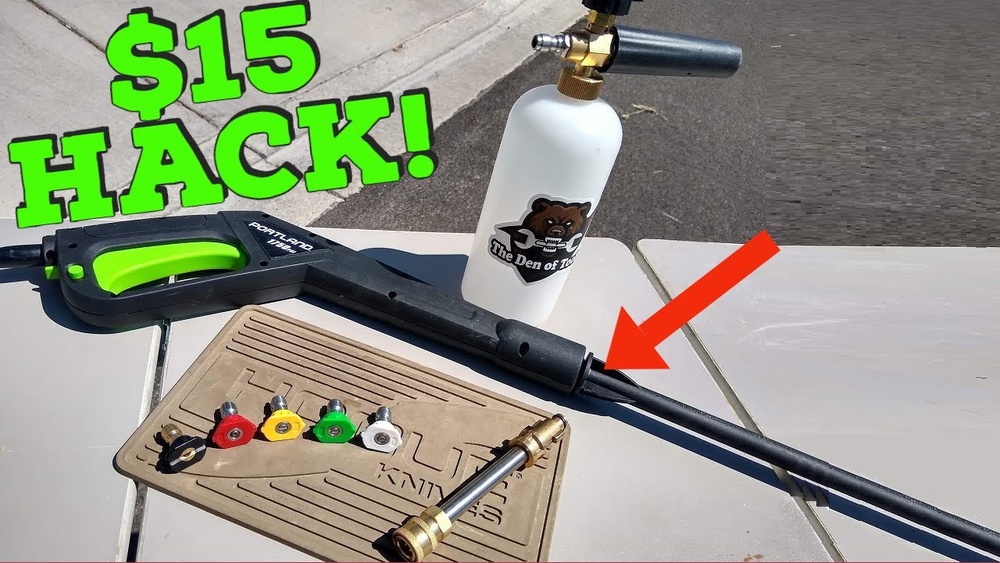
If you want your car to shine without spending hours scrubbing by hand, using a pressure washer with the right soap mix is the secret. But how do you mix car wash soap for a pressure washer correctly?
Getting this step right can save you time, protect your paint, and leave your car looking spotless. You’ll discover simple, clear instructions to mix your soap perfectly every time—no guesswork, no wasted product. Keep reading to unlock the easy way to make your car wash faster, safer, and more effective.

Credit: www.amazon.com
Choosing The Right Soap
Choosing the right soap is key to a clean car and a safe pressure washer. The soap must work well with your machine and be safe for your car’s paint. Using the wrong soap can cause damage or leave residue. This guide helps you pick the best soap for your pressure washer car wash.
Types Of Car Wash Soaps
Car wash soaps come in many forms. There are liquid soaps, powders, and concentrates. Liquid soaps mix easily with water. Concentrates need to be diluted before use. Some soaps add wax or shine to the car surface. Choose a soap that matches your cleaning needs and car type.
Soap Compatibility With Pressure Washers
Not all soaps work with pressure washers. Some soaps create too many suds and clog the machine. Look for soaps labeled as safe for pressure washers. These soaps have formulas that clean without damaging the equipment. Using the right soap keeps your pressure washer running well.
Eco-friendly Soap Options
Eco-friendly soaps are safe for the environment and your car. They use natural ingredients and break down easily. These soaps avoid harsh chemicals that harm plants and animals. Choosing eco-friendly soap helps protect water sources and keeps your car clean.
Preparing Your Equipment
Start by gathering your pressure washer and soap container. Make sure the equipment is clean and ready to use. Measure the soap carefully to avoid wasting or damaging your machine.
Selecting The Appropriate Pressure Washer
Choose a pressure washer that suits your car washing needs. A model with 1,300 to 2,000 PSI is ideal for cleaning cars safely. Higher pressure can damage paint or trim.
Electric pressure washers work well for light cleaning. Gas models offer more power but are heavier and louder. Pick one that you can handle easily.
Nozzle And Detergent Tank Setup
Attach a nozzle with a wider spray angle, such as 25 or 40 degrees. It covers more surface and reduces paint damage risk. Avoid narrow nozzles for washing cars.
Fill the detergent tank with car wash soap diluted as the instructions say. Use the tank designed for detergents to mix soap properly. This setup helps the soap spray evenly.
Safety Precautions
Wear safety goggles and gloves to protect your eyes and hands. Keep the pressure washer nozzle away from your body and others. Never point it at pets or people.
Check hoses and connections for leaks or damage before starting. Use the washer on a stable surface to avoid slips. Follow the manufacturer’s safety rules at all times.
Mixing Soap Concentrate
Mixing soap concentrate correctly is key to a perfect car wash with your pressure washer. The right mix helps clean your car without leaving streaks or residue. It also protects your car’s paint and saves soap.
Concentrated soap needs careful dilution. Too strong can cause damage. Too weak will not clean well. Learning to mix it right makes your wash easy and effective.
Reading Soap Labels
Soap labels hold important information. Look for dilution instructions on the bottle. Labels tell you how much soap to mix with water. Some soaps require more water than others. Follow these directions closely to avoid problems.
Labels may also list water temperature limits. Use the right water temperature to keep soap effective. Check for any warnings or safety tips too. This helps keep you and your car safe.
Proper Dilution Ratios
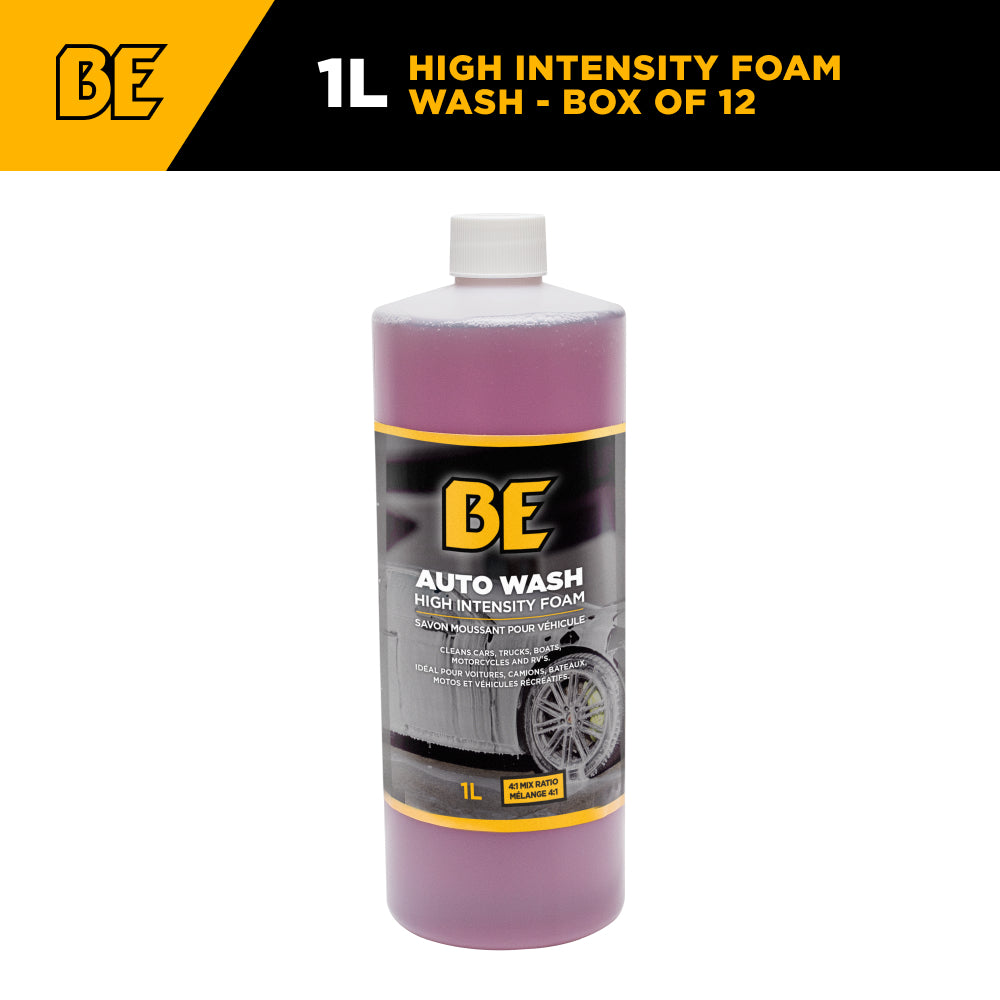
Proper dilution means mixing soap and water in the right amounts. Common ratios range from 1:10 to 1:50, depending on soap type. This means 1 part soap to 10 or 50 parts water. Always use the ratio suggested on the label.
Too much soap can leave residue or damage paint. Too little soap won’t clean well. Stick to the ratio for best results. Adjust only if your car is very dirty or lightly soiled.
Using Measuring Tools
Measuring tools help you mix soap accurately. Use cups, spoons, or measuring jugs with clear markings. Avoid guessing amounts to prevent mistakes. Accurate measuring saves soap and improves cleaning.
Tools with milliliter or ounce marks work best. Rinse tools after use to keep them clean. Store them in a dry place for next use. This keeps your soap mixes consistent every time.
Credit: bepowerequipment.com
Applying Soap With A Pressure Washer
Applying soap with a pressure washer is a key step for a clean car. It helps loosen dirt and grime before rinsing. Using soap correctly saves time and effort.
Adjusting Pressure Settings
Set your pressure washer to low pressure for soap application. High pressure can blow soap off the surface. Most machines have a soap or low pressure mode. This setting helps the soap stick to your car.
Applying Soap Evenly
Hold the spray nozzle about two feet from the car. Move the nozzle in smooth, even strokes. Cover the entire surface for best results. Avoid spraying too much soap in one spot. This prevents streaks and waste.
Allowing Soap To Dwell
Let the soap sit on the car for 3 to 5 minutes. This gives it time to break down dirt. Do not let the soap dry on the surface. Rinse the car thoroughly after the soap has worked.
Rinsing And Finishing
Rinsing and finishing are important steps after applying car wash soap with a pressure washer. Proper rinsing removes soap and dirt from your car’s surface. It helps prevent streaks and spots. Finishing with the right drying technique keeps the car shiny and clean.
Switching To Rinse Mode
Change your pressure washer to rinse mode after washing. This setting uses plain water without soap. It flushes away any leftover soap on your car. Move the spray evenly across the surface. Avoid staying too long in one spot to prevent damage.
Avoiding Soap Residue
Soap residue can cause streaks or marks on your car’s paint. Rinse thoroughly to remove all soap traces. Use a wide spray pattern to cover all areas. Check the car under sunlight to spot missed spots. Repeat rinsing if you see any soap left.
Drying Tips For A Spotless Finish
Dry your car quickly after rinsing to avoid water spots. Use a clean microfiber towel or chamois cloth. Pat the surface gently instead of rubbing. Work from top to bottom for best results. Drying in the shade helps prevent spotting too.
Common Mistakes To Avoid
Mistakes during soap mixing can harm your car and equipment. Many users make simple errors that reduce cleaning power and cause damage. Avoid these common pitfalls to keep your car wash safe and effective.
Overusing Soap
Using too much soap does not clean better. It leaves residue on your car’s surface. This residue can cause streaks and spots. Excess soap also wastes product and money. Follow the recommended soap-to-water ratio for best results.
Using Harsh Chemicals
Harsh chemicals can damage your car’s paint and finish. Some soaps contain strong acids or bases that strip wax and paint. Choose mild, car-safe soaps made for pressure washers. Harsh chemicals can also harm the pressure washer parts.
Ignoring Equipment Maintenance
Dirty nozzles and filters reduce cleaning power. Soap buildup can clog your pressure washer. Regularly clean and inspect your equipment. Proper maintenance ensures smooth soap flow and extends tool life.
Maintaining Your Pressure Washer
Maintaining your pressure washer is key to its performance and lifespan. Proper care helps avoid costly repairs and keeps it running smoothly. Simple steps after each use can protect your machine and save you money.
Cleaning After Use
Always rinse the pressure washer thoroughly after washing. Clear out any leftover soap from the detergent tank. Run clean water through the system to avoid buildup. Wipe down the exterior to remove dirt and grime. This prevents clogs and keeps the machine ready for the next job.
Storing Properly
Store your pressure washer in a dry, shaded place. Avoid leaving it in direct sunlight or damp areas. Coil the hose and power cord neatly to prevent damage. Keep the machine off cold floors during winter to stop freezing. Proper storage extends the life of all parts.
Routine Checks For Longevity
Check oil and fuel levels regularly for gas models. Inspect hoses and nozzles for cracks or leaks before use. Tighten loose fittings to prevent leaks. Replace worn-out parts immediately to avoid bigger issues. Regular checks keep your pressure washer safe and efficient.

Credit: afga.org
Frequently Asked Questions
How Do I Mix Car Wash Soap For Pressure Washers?
Mix car wash soap with water according to the label instructions. Usually, dilute 1 part soap with 10 parts water. Use a foam cannon or pressure washer soap tank for best results. Avoid using undiluted soap to protect your car’s paint.
Can I Use Any Soap With A Pressure Washer?
No, use only car wash soap designed for pressure washers. Regular household soaps can damage paint or foam improperly. Specialized soaps produce better cleaning and safe foam. Always check your pressure washer’s manual for soap compatibility.
What Is The Ideal Soap-to-water Ratio For Car Washing?
The ideal ratio is typically 1:10, one part soap to ten parts water. This ratio ensures effective cleaning without leaving residue. Adjust slightly based on soap brand and water hardness. Always follow manufacturer guidelines for best results.
Should I Pre-mix Soap Before Adding To The Pressure Washer?
Yes, pre-mixing soap with water helps prevent clogs in the pressure washer. It ensures even soap distribution and better foam generation. Always stir the mixture well before use. This step prolongs equipment life and improves cleaning efficiency.
Conclusion
Mixing car wash soap for a pressure washer is simple and quick. Use the right soap and follow the instructions carefully. Avoid using too much soap to protect your car’s paint. Always test on a small area first. Clean your pressure washer after use to keep it working well.
With these steps, your car will look clean and shiny every time. Easy and effective cleaning is just a few steps away. Give it a try and enjoy a spotless car.