Have you ever wondered how many amps are in your 12-volt car battery? Understanding this simple but important detail can help you keep your car running smoothly and avoid unexpected breakdowns.
Whether you’re curious about your battery’s power or want to make sure you’re using the right accessories, knowing the amps can make a big difference. Keep reading, and you’ll discover everything you need to know about your car battery’s capacity and why it matters to you.
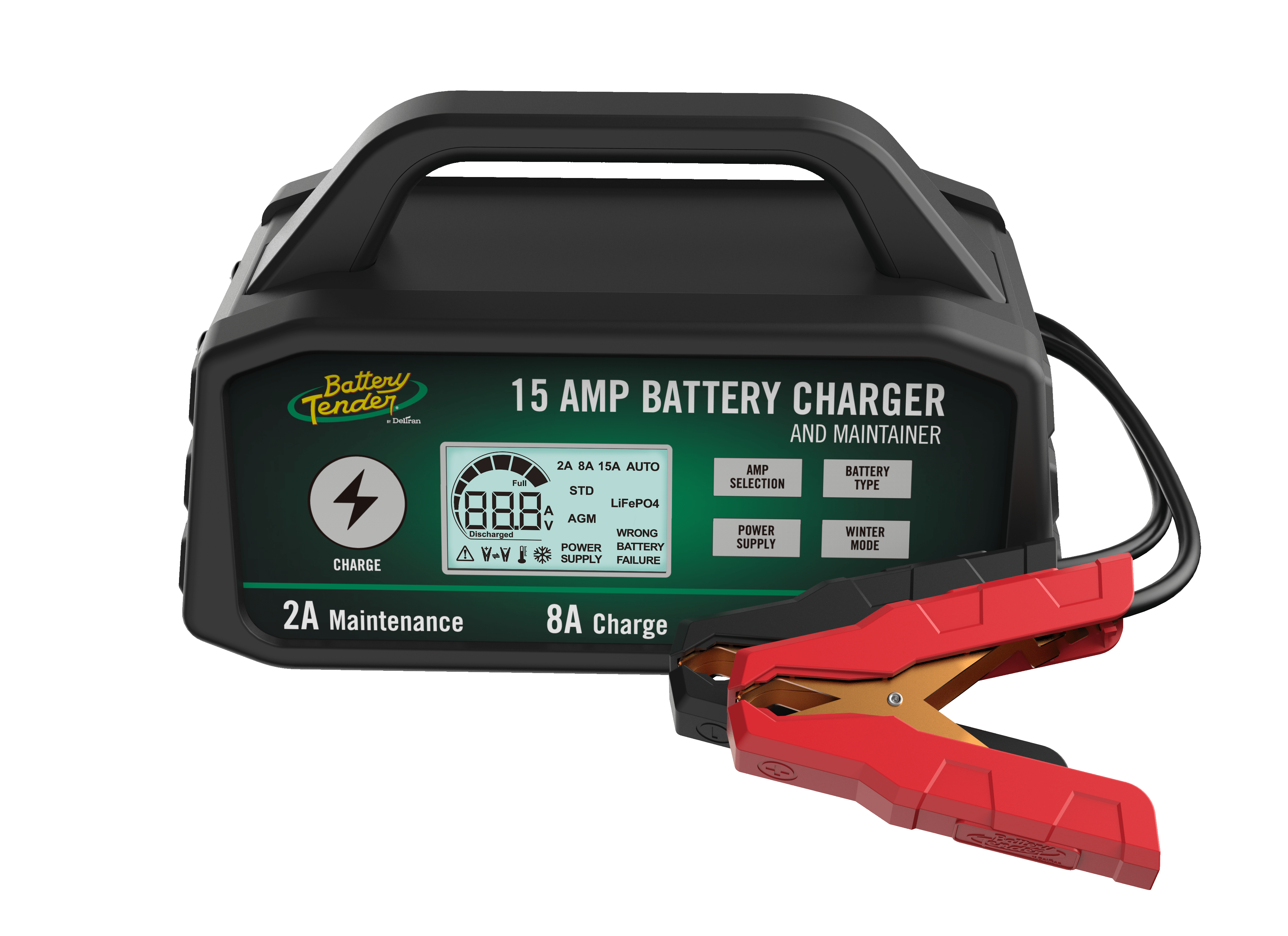
Credit: www.batterytender.com
Basics Of Car Battery Amps
Car batteries store electrical energy to start the engine and run accessories. Amps measure the flow of electric current from the battery. Knowing about amps helps understand battery performance. This knowledge is useful for choosing the right battery and maintaining it well.
Car batteries have a voltage rating, usually 12 volts, and an amp rating. These two values work together to power your vehicle’s electrical system. Let’s explore what amps really mean and how they relate to car batteries.
Ampere Definition
An ampere, or amp, measures electric current. It shows how much electricity flows through a wire. Think of it as the amount of water flowing through a pipe. Higher amps mean more electric current is moving. Amps tell us how strong the flow of electricity is.
Ampere Vs Voltage
Voltage is the force that pushes electric current. Amps show the amount of current flowing. Voltage and amps work together to deliver power. Voltage alone does not tell the full story. You need to know both to understand battery power. Voltage is like water pressure. Amps are the flow rate.
Role Of Amps In Car Batteries
Amps are key to starting a car engine. The battery must supply enough amps quickly. This is called the cold cranking amps (CCA) rating. It shows the battery’s power in cold weather. Amps also power lights, radio, and other accessories. Without enough amps, the battery cannot keep the car running.
12 Volt Car Battery Specifications
A 12 volt car battery powers many parts of a vehicle. It provides energy to start the engine. It also supplies power to lights and electronics. Understanding its specifications helps choose the right battery. Knowing the amps and size is important for performance and safety.
Car batteries differ in their amp ratings and capacity. These details tell how long and how much power the battery can give. Each battery has a cold cranking amp (CCA) rating too. This rating shows how well the battery works in cold weather.
Common Amp Ratings
Car batteries often have amp ratings between 40 and 100 amps. This rating means the maximum current the battery can provide. The higher the amps, the more power it can deliver at once. For most cars, 45 to 70 amps are enough. Larger vehicles may need batteries with higher amp ratings.
Battery Capacity And Cca
Battery capacity is measured in amp-hours (Ah). It shows how much current the battery can provide over time. For example, a 50 Ah battery can give 1 amp for 50 hours. The Cold Cranking Amps (CCA) measure the battery’s starting power in cold weather. A higher CCA means better starting ability in low temperatures. Most car batteries have CCA ratings from 400 to 800 amps.
Typical Battery Sizes
Car batteries come in different sizes and shapes. The size depends on the car’s make and model. Common sizes include Group 24, Group 35, and Group 48. Each group fits certain vehicles and holds a set amount of power. Choosing the correct size ensures a proper fit and good performance.
Measuring Amps In A Car Battery
A 12-volt car battery usually has about 45 to 100 amp-hours. This number shows how much current the battery can provide over time. Measuring amps helps check the battery’s health and performance.
Tools For Amp Measurement
Measuring amps in a car battery needs specific tools. A digital multimeter is the most common tool. It measures voltage, current, and resistance. Another useful tool is a clamp meter. It can measure current without disconnecting wires. Both tools help check battery health and performance.
How To Measure Battery Amps
First, set the multimeter to the DC amp setting. Connect the red probe to the battery’s positive terminal. Connect the black probe to the negative terminal. For a clamp meter, clamp it around the positive cable. Turn on the meter and read the current value. Always follow safety steps to avoid shocks or damage.
Interpreting Amp Readings
Normal amps vary with battery size and usage. A resting 12-volt car battery shows very low amps. High amp readings may mean a short circuit or heavy load. Low amps during engine start can signal a weak battery. Use readings to decide if the battery needs charging or replacement.
Credit: www.youtube.com
Factors Affecting Battery Amps
The number of amps a 12-volt car battery can deliver varies. Several factors influence this rating. Knowing these factors helps understand battery performance better.
Battery Age And Condition
Older batteries usually have lower amp output. Over time, chemical reactions inside reduce battery power. Corrosion and wear also weaken battery connections. Regular checks keep the battery in good shape. A well-maintained battery delivers amps more efficiently.
Temperature Impact
Cold weather lowers battery amps significantly. Chemical reactions slow down in low temperatures. Warm weather helps the battery work better. Extreme heat can damage the battery, though. Ideal temperatures keep amps stable and strong.
Load And Usage Patterns
High power loads drain amps quickly. Using many electrical devices at once increases demand. Short trips may not fully recharge the battery. Long drives help maintain battery charge. Consistent usage helps keep amps steady over time.
Amp Requirements For Car Components
Car components need different amounts of current to work well. The 12 volt battery must supply enough amps to all parts. Knowing the amp needs helps keep the car running smoothly. It also protects the battery from getting drained too fast. Below are key parts and their amp requirements.
Starter Motor Current
The starter motor uses the most amps at the start. It needs a large burst of current to turn the engine. Usually, it draws between 100 and 200 amps. This high demand lasts only a few seconds. A weak battery may fail to provide this high current.
Lighting And Accessories
Headlights, interior lights, and other accessories use less current. Each light may draw from 1 to 10 amps. Devices like radios and chargers also add to the load. Total current for lights and accessories can reach 20 to 30 amps. Using many accessories at once can drain the battery faster.
Charging System Output
The alternator recharges the battery and powers the car’s electrical system. It produces about 40 to 150 amps, depending on the car. This output matches the current used by all components. A healthy charging system keeps the battery full and parts working.
Improving Battery Amp Performance
Improving the amp performance of a 12-volt car battery helps your vehicle start smoothly. A strong battery provides enough power for all electrical parts. Simple steps can keep your battery in good shape and extend its life.
Maintenance Tips
Check the battery terminals regularly for dirt and corrosion. Clean them with a mixture of baking soda and water. Tighten the connections to avoid power loss. Keep the battery case dry and free from cracks. Test the battery voltage often to ensure it holds a good charge. Replace old batteries that no longer hold enough amps.
Upgrading Battery Capacity
Choose a battery with higher amp-hour ratings for better performance. Larger batteries can supply more amps for longer times. Make sure the new battery fits your vehicle’s holder. Check the battery’s cold cranking amps (CCA) for strong starts in cold weather. Match the battery type to your car’s needs, whether lead-acid or AGM. Upgrades help if you add extra electronics or accessories.
Preventing Amp Drain
Turn off all lights and devices when the engine is off. Avoid leaving the radio or phone charger plugged in. Check for electrical faults that drain power without use. Use a battery disconnect switch if the car stays unused for long. Regularly inspect wiring and fuses to stop hidden drains. Preventing amp drain keeps the battery ready for the next start.

Credit: www.amazon.com
Frequently Asked Questions
How Many Amps Does A 12-volt Car Battery Provide?
A 12-volt car battery typically provides 45 to 100 amps of current. This depends on the battery’s size, type, and condition. The amp rating indicates how much electrical current the battery can deliver at a given time.
What Determines The Amp Capacity Of A Car Battery?
The amp capacity depends on battery size, chemistry, and design. Larger batteries usually offer higher amp ratings. Cold Cranking Amps (CCA) also measure how many amps the battery can supply at low temperatures.
Can A 12-volt Battery Supply 100 Amps Continuously?
No, car batteries provide high amps briefly, not continuously. They supply peak current for starting the engine. Continuous high current can damage the battery and reduce its lifespan.
How Are Amps And Volts Related In Car Batteries?
Amps measure current flow, volts measure electrical potential. A 12-volt battery provides a steady voltage while amps vary based on load. Both volts and amps are crucial for powering car electrical systems.
Conclusion
A 12-volt car battery provides amps based on its capacity and condition. It usually delivers between 45 and 75 amps for starting. The amp rating varies by battery type and age. Knowing this helps with proper battery care and choice.
Always check your battery’s specifications for exact amp ratings. Understanding amps keeps your car running smoothly and avoids surprises. Batteries work best when matched to your vehicle’s needs. Keep this info handy when buying or maintaining car batteries.