
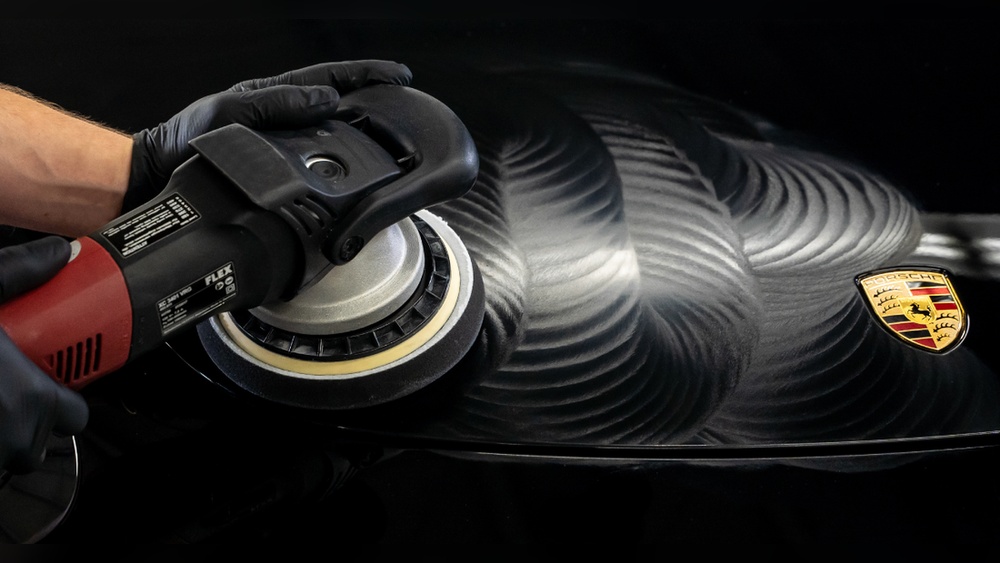
You want your car to shine, but using a buffer the wrong way can ruin your paint job. If you’re thinking about waxing your car with a buffer, hold on.
Many people make simple mistakes that leave swirl marks, burns, or uneven spots. You’ll learn exactly what not to do when waxing with a buffer. Follow these tips, and your car will look smooth, glossy, and flawless every time. Keep reading to protect your paint and get that perfect shine you deserve.
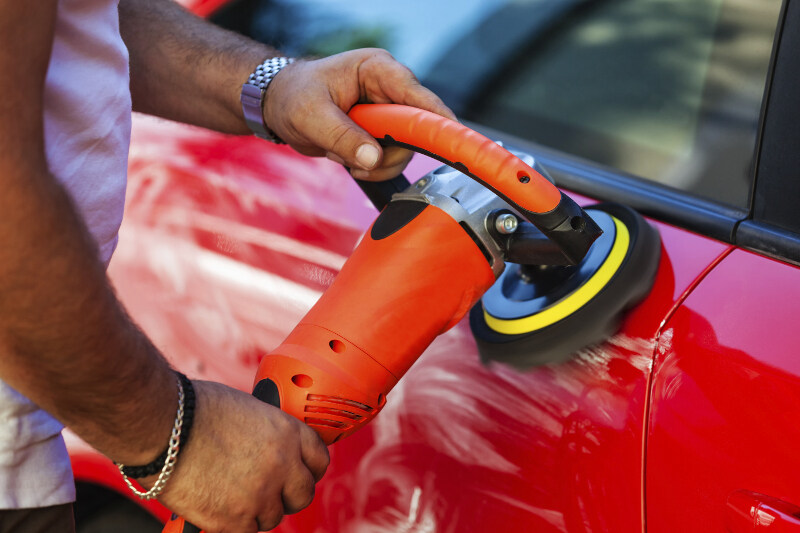
Credit: www.carwash.com
Common Buffer Mistakes
Using a buffer to wax your car can save time and effort. Yet, many drivers make simple mistakes that damage the paint or leave poor results. Avoiding common buffer errors helps protect your car’s finish and gives a smooth shine. Learn what to watch out for before starting.
Using The Wrong Pad
Not all pads suit every job. A hard pad can scratch soft paint. A soft pad may not spread wax well. Choose a pad made for waxing, not polishing or compounding. Check pad material and texture to match wax type. Using the correct pad ensures even coverage and less risk of damage.
Applying Excessive Pressure
Pushing too hard with the buffer can harm your car’s surface. The machine’s weight alone is enough. Pressing down damages paint and causes uneven wax layers. Let the buffer’s motion do the work. Light, steady pressure helps wax spread smoothly and protects the paint.
Choosing High Speeds
High buffer speeds increase heat and friction. This can burn the wax or paint. Wax may clump or smear instead of spreading evenly. Use a low to medium speed for waxing. Slower speeds allow better control and a finer finish on your car’s surface.
Ignoring Surface Preparation
Wax sticks best to a clean, dry surface. Dirt, dust, or old wax blocks proper adhesion. Skipping washing and drying leads to streaks and spots. Always wash and dry your car thoroughly. Removing contaminants creates a smooth base for even waxing with the buffer.
Risks Of Improper Buffer Use
Using a buffer to wax your car sounds easy but can cause many problems. Buffers spin fast and need control. Wrong use damages your car’s paint and leaves marks. It also causes uneven wax layers. Knowing these risks helps you avoid costly mistakes. Keep your car looking fresh by using the buffer right or skipping it for wax.
Paint Damage
Buffers can burn or remove paint if used too long in one spot. High speed creates heat that harms your car’s surface. Paint chips or peels easily from wrong pressure or angle. Small mistakes cause big damage. Your car’s finish needs gentle care, not harsh treatment.
Swirl Marks And Holograms
Swirl marks are tiny scratches that show under light. Buffers can make these if moved in circles or too fast. Holograms look like rainbow lines on your paint. Both happen when the buffer pad is dirty or worn out. These marks make your car look old and dull.
Uneven Wax Application
Buffers may spread wax unevenly across the car’s surface. Some areas get too much wax, others too little. Uneven wax leaves spots that attract dirt and water. This reduces the wax’s protection and shine. Wax should be smooth and even for best results.
Preparing Your Car Properly
Preparing your car properly is the key step before using a buffer to wax. It helps avoid swirl marks and uneven shine. Taking time to clean and dry your car sets a smooth base for waxing. Careful preparation makes the waxing process easier and safer for your car’s paint.
Thorough Washing
Start with a thorough wash to remove dirt and grime. Use car shampoo and soft mitts to avoid scratches. Rinse well to wash away all soap and particles. Dirt left on the car can cause scratches during buffing.
Claying The Surface
Claying removes tiny contaminants that washing misses. Use a clay bar with lubricant to glide over the paint. This step smooths the surface and prepares it for waxing. Claying helps the wax stick better and last longer.
Drying Techniques
Dry the car completely with soft microfiber towels. Avoid air drying, which can leave water spots. Pat dry instead of rubbing to protect the paint. A clean, dry surface prevents streaks and helps the wax apply evenly.
Choosing The Right Products
Choosing the right products is important when waxing your car with a buffer. The right wax and pads protect your car’s paint. They also make the process easier. Wrong products can cause damage or poor results. Understanding what to pick helps keep your car shiny and safe.
Selecting Suitable Waxes
Pick wax made for use with a buffer. These waxes spread smoothly and dry at the right speed. Avoid thick or hard waxes that clog the pad. Look for waxes that mention machine application on the label. Soft waxes or liquid waxes are usually better for buffers.
Choose wax that suits your car’s paint type. Some waxes work better on clear coats, others on older paint. A good wax protects against dirt, sun, and water. Avoid waxes with fillers that only hide scratches.
Buffer Pads And Their Uses
Pads come in different materials and thicknesses. Foam pads are common and good for beginners. Wool pads are more aggressive and remove deep scratches. Microfiber pads offer a balance of cutting and polishing.
Choose a pad that matches your wax and paint condition. Soft pads spread wax evenly without damage. Harder pads remove old wax and small scratches. Using the wrong pad can burn your paint or cause swirl marks.
Avoiding Harmful Chemicals
Check the ingredients in your wax and cleaner. Avoid harsh chemicals like strong solvents or acids. These can remove paint or dull the finish. Choose products labeled safe for automotive paint.
Natural or water-based waxes are gentler on your car. Harsh chemicals may also harm the buffer pads. Using safe products protects your car and your tools. Always test new products on a small area first.
Safe Buffering Techniques
Using a buffer on your car can make waxing easier and faster. But unsafe use can damage the paint. Follow safe buffering techniques to protect your car’s finish. These tips help you get a smooth shine without harm.
Proper Speed Settings
Set the buffer to a low or medium speed. High speed can burn the wax or paint. Start slow and increase only if needed. Check the buffer’s manual for recommended speeds. Keep control and avoid rushing the job.
Maintaining Constant Movement
Keep the buffer moving steadily across the surface. Do not hold it in one spot too long. Staying still can cause uneven spots or burns. Move in straight lines or gentle circles. This keeps the wax smooth and even.
Avoiding Overheating
Heat builds up quickly when buffing. Too much heat can ruin the paint. Take breaks to let the buffer cool down. Use light pressure rather than pushing hard. Watch the surface and stop if it feels hot.
Alternatives To Buffers
Buffers can be tricky tools for waxing your car. They may cause swirl marks or damage if not used correctly. Luckily, there are simple alternatives that protect your car’s finish and give great results. These options require less skill and help you avoid common buffer mistakes.
Hand Waxing Methods
Hand waxing is the safest way to apply wax. Use a clean, soft cloth or a foam pad. Work in small sections with gentle, circular motions. This method gives you full control over pressure and coverage. It also helps you feel when the wax starts to dry. Hand waxing takes time but delivers a smooth, even shine.
Using Foam Applicators
Foam applicators are soft and easy to handle. They help spread wax thinly and evenly. These pads are gentle on paint and reduce the risk of scratches. Simply apply wax to the foam, then rub onto the car in circles. Foam applicators absorb wax well, so you use less product. They are affordable and reusable after cleaning.
Spray-on Waxes
Spray-on waxes offer quick and simple application. Spray a light mist on the car’s surface or on a microfiber cloth. Then wipe the wax in gentle, circular motions. This method is fast, ideal for touch-ups and quick shine. Spray waxes dry quickly and leave a smooth finish. They work great for busy people who want easy car care.
Maintenance After Waxing
After waxing your car, proper maintenance keeps the shine alive longer. It helps protect the paint and makes your car look fresh. Taking care of the wax finish is just as important as applying it. Follow these tips to maintain your car’s shine and protection.
Buffing Off Residue
Use a soft microfiber cloth to remove leftover wax. Buff gently in circular motions. Avoid pressing too hard to prevent scratches. Removing residue ensures a smooth, glossy finish. Take your time to get an even shine.
Regular Cleaning Tips
Wash your car regularly with mild soap and water. Use a sponge or soft cloth to avoid damage. Avoid automatic car washes with harsh brushes. Dry the car with a clean towel to stop water spots. Clean cars keep the wax layer intact longer.
Protecting The Finish
Park your car in shade or a covered area. Sunlight can break down the wax over time. Avoid parking under trees to prevent sap and bird droppings. Apply a quick detailer spray between waxes. It helps keep the surface smooth and shiny.
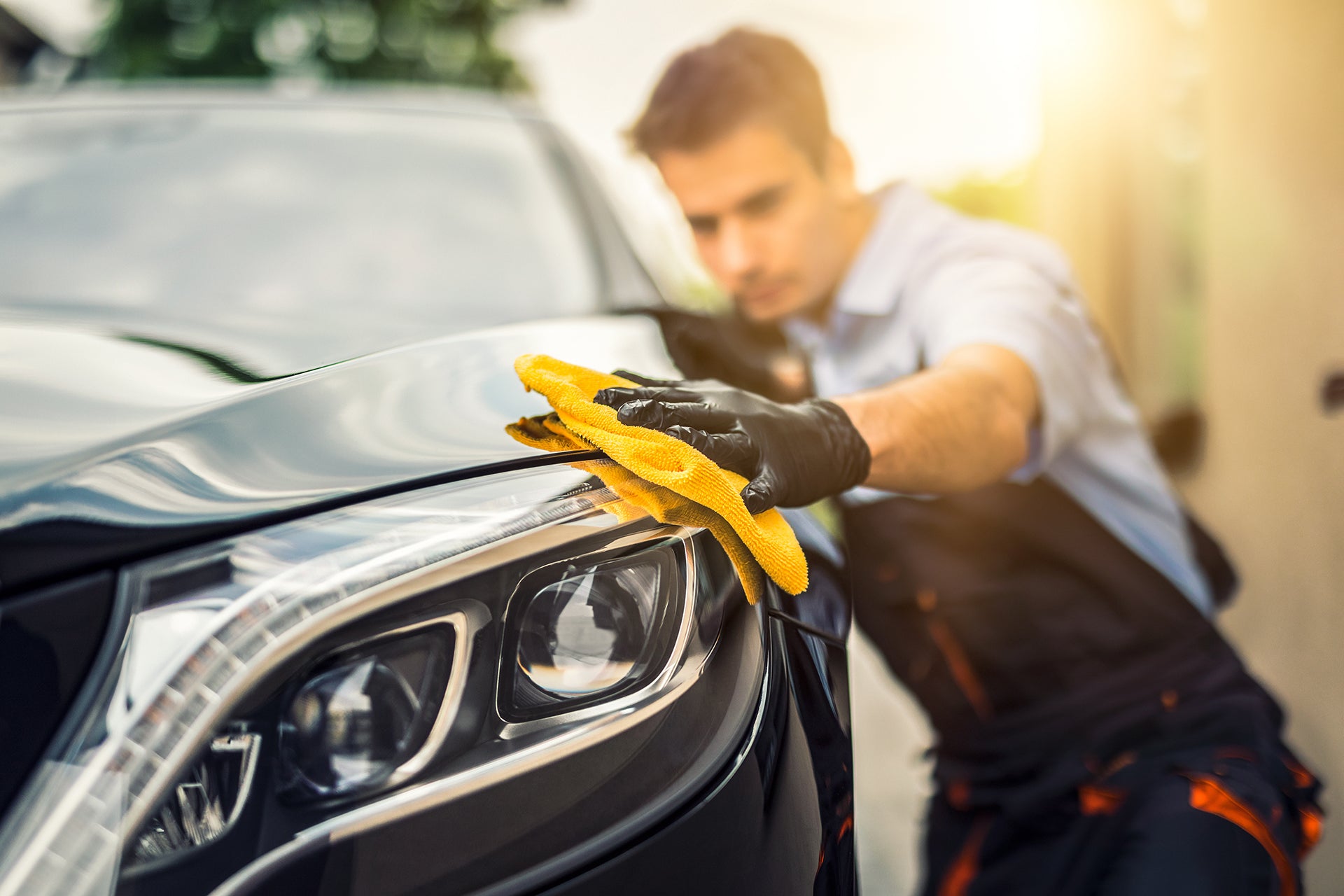
Credit: cardetailexpress.net

Credit: www.youtube.com
Frequently Asked Questions
Can I Use A Buffer To Wax My Car Safely?
Using a buffer for waxing can cause uneven application and damage. Hand waxing offers better control and a smoother finish. Buffers may generate heat that harms the paint. It’s best to avoid buffers for waxing to protect your car’s surface.
What Are Common Mistakes When Waxing With A Buffer?
Common mistakes include applying too much pressure, using high speed, and not cleaning the pad. These errors cause swirl marks and paint damage. Proper technique and equipment are crucial. Avoid rushing to maintain your car’s finish and avoid costly repairs.
How Can I Avoid Damaging Paint While Waxing?
Use a soft applicator pad and gentle pressure when waxing. Avoid high-speed buffers and do not overheat the surface. Always clean the car first. Proper preparation and technique protect your paint from scratches and swirl marks during waxing.
Why Is Hand Waxing Better Than Using A Buffer?
Hand waxing gives you more control and reduces risks of paint damage. It ensures even wax application and better bonding with the surface. Buffers can cause burns and swirl marks. Hand waxing is safer and provides a more polished finish.
Conclusion
Waxing your car with a buffer can cause damage if done wrong. Use gentle pressure and the right pad to protect your paint. Take your time and avoid rushing the job. Always follow the wax and buffer instructions carefully. Clean your car before waxing for the best result.
Small mistakes can lead to big problems. Protect your car’s shine by waxing it properly. Keep your car looking great without risking scratches or burns. Simple care makes a big difference in the long run.

