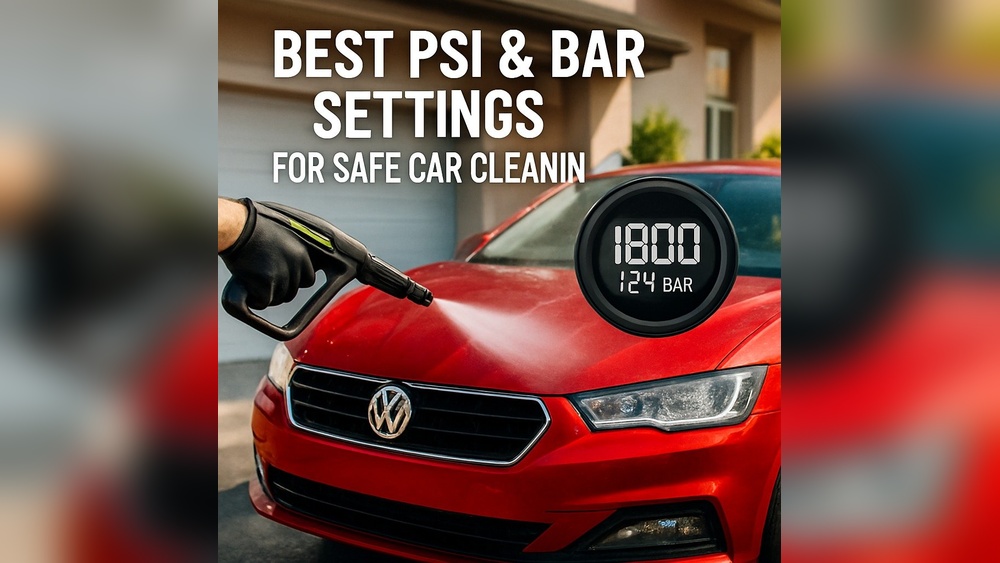
Are you wondering what pressure your car washer should have to get the best clean without causing damage? Using too much pressure can harm your car’s paint, while too little might leave dirt behind.
Finding the right balance is key to keeping your vehicle spotless and safe. You’ll discover the perfect pressure range for your car washer and simple tips to make every wash count. Keep reading to make sure your car shines like new every time!
Credit: www.caranddriver.com
Ideal Pressure Range
Choosing the right pressure for your car washer is important. Too low or too high pressure can cause problems. The ideal pressure range cleans your car well without damage. It saves water and energy while keeping the paint safe.
Low Pressure Benefits
Low pressure is gentle on car paint and surfaces. It removes dirt without scratching or peeling paint. It uses less water, helping to save resources. Low pressure is safer for delicate parts like windows and trim. It reduces the risk of damage during cleaning.
High Pressure Risks
High pressure can harm your car’s paint and finish. It may cause scratches or remove wax protection. Strong pressure can damage seals and trim pieces. Water can get inside parts, leading to rust or electrical problems. High pressure is not suitable for all car surfaces.
Recommended Psi For Cars
The best pressure for washing cars is between 1200 and 1900 PSI. This range cleans dirt and grime well without damage. Use lower PSI for sensitive areas like windows and decals. Adjust pressure depending on how dirty the car is. Follow manufacturer guidelines for your pressure washer.
Types Of Car Washers
Choosing the right car washer depends on your needs and preferences. Different types of washers offer various pressure levels and features. Understanding these types helps you find the best fit for your car cleaning tasks.
Some washers are powerful but heavy. Others are light and easy to carry. Some let you change the pressure to suit different surfaces. Explore the main types to see which one suits you.
Electric Vs Gas Pressure Washers
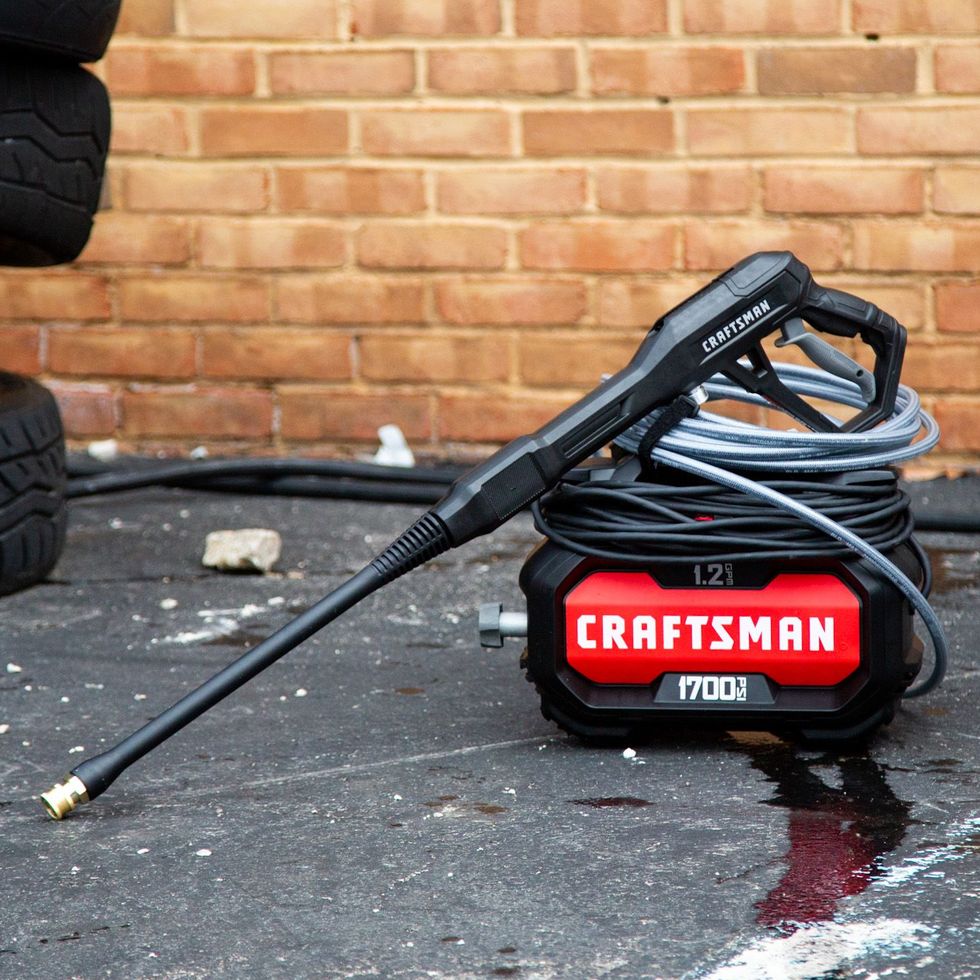
Electric pressure washers are quiet and easy to start. They work well for light to medium cleaning jobs. Gas pressure washers are stronger and better for heavy dirt. They need more maintenance and make more noise. Choose electric for home use and gas for tough cleaning.
Adjustable Pressure Models
These washers let you change the water pressure. Lower pressure is safe for delicate car surfaces. Higher pressure cleans stubborn dirt and grime. Adjustable models offer more control and reduce damage risk. Ideal for people who wash different vehicle parts.
Portable Options
Portable car washers are small and easy to carry. They use less water and power. Great for quick cleaning or travel use. Some run on batteries or connect to your car’s power outlet. Perfect for those who need cleaning on the go.
Surface Sensitivity
Choosing the right pressure for a car washer depends on the surface you clean. Different parts of a car need different care. Using too much pressure can damage the car’s finish. Using too little pressure might not clean well. Understanding surface sensitivity helps pick the correct pressure.
Paint And Clear Coat
Paint and clear coat are delicate. High pressure can cause scratches or peel the paint. Use low to medium pressure to protect the finish. Always test on a small area first. Gentle cleaning keeps the car looking new longer.
Glass And Mirrors
Glass and mirrors handle pressure better than paint. Still, very high pressure can cause cracks or chips. Medium pressure is enough to remove dirt and bugs. Use a wide spray pattern to avoid damage.
Wheels And Tires
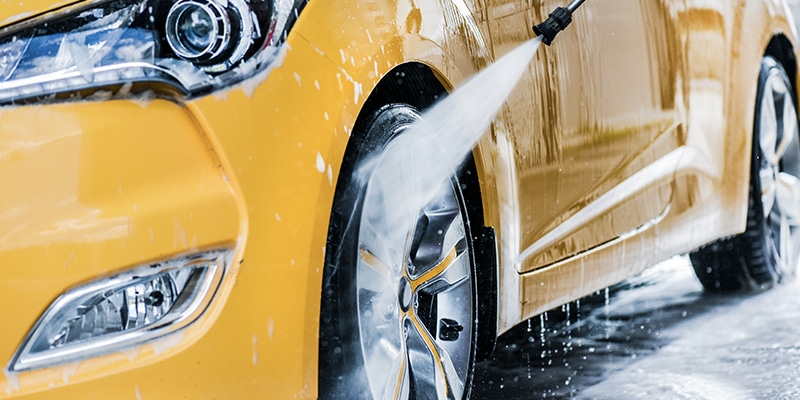
Wheels and tires can take higher pressure than other parts. They often have tough dirt and brake dust. High pressure helps remove grime quickly. Avoid spraying directly on sensitive parts like brake lines.
Credit: washh.com
Techniques For Effective Cleaning
Cleaning a car with a pressure washer needs careful methods. Using the right techniques helps protect the paint and get the car very clean. Small details matter. The way you hold the washer and use detergent can change the result a lot.
Follow these tips to clean your car well without damage. Each step works together to make the process smooth and effective. Keep these points in mind for safe and bright car cleaning.
Distance And Angle Tips
Keep the nozzle about 6 to 12 inches from the car surface. Too close can harm the paint. Too far may not clean well.
Hold the nozzle at a 45-degree angle. This angle removes dirt better and avoids water getting inside car parts. Move the spray side to side slowly for even cleaning.
Detergent Use With Pressure Washers
Use a detergent made for pressure washers and cars. It breaks dirt and grime easily. Apply detergent first to wet surfaces. Let it sit for a few minutes but not dry out.
Do not use harsh chemicals. They can damage the car paint. Use gentle soap to keep the surface safe and shiny.
Rinsing Strategies
Rinse the car with clean water after detergent use. Start from the top and go down. This avoids dirty water spots.
Use a wide spray to rinse quickly and avoid water spots. Check all areas to remove soap and dirt fully.
Common Mistakes To Avoid
Choosing the right pressure for your car washer is important. Many people make mistakes that can harm their car or equipment. Avoid these common errors to keep your car safe and clean.
Excessive Pressure Damage
Using too much pressure can harm your car’s paint. It may cause scratches or peel off the paint layer. High pressure can also damage windows and mirrors. Always use the recommended pressure for washing cars.
Improper Nozzle Selection
Nozzles control the water spray pattern and pressure. Using the wrong nozzle can harm the car’s surface. A narrow spray causes high pressure in one spot. Wide spray nozzles spread water evenly and are safer. Choose the nozzle that fits your washing needs.
Ignoring Manufacturer Guidelines
Manufacturers provide pressure and nozzle advice for a reason. Ignoring these rules can lead to damage or poor cleaning. Follow the instructions for your car washer and vehicle. This helps avoid accidents and keeps your car looking good.

Credit: www.ryobitools.com
Maintenance Of Pressure Washer
Proper maintenance keeps your pressure washer working well and lasting longer. Regular care prevents damage and saves money on repairs. Understanding key steps helps you maintain the right pressure safely.
Cleaning Nozzles
Nozzles can get blocked by dirt and debris. Clean them regularly to keep water flow strong. Use a small brush or a pin to clear holes. Rinse nozzles with water after each use. Clean nozzles ensure consistent pressure and better cleaning.
Checking Hoses And Connections
Inspect hoses for cracks, leaks, or wear often. Tighten all connections to avoid water leaks. Replace damaged hoses immediately to keep pressure steady. Proper hose care prevents accidents and improves performance.
Storage Tips
Store your pressure washer in a dry, cool place. Drain water from hoses and pump before storing. Protect it from freezing temperatures to avoid damage. Cover the machine to keep dust and dirt out. Good storage keeps your washer ready for the next job.
Frequently Asked Questions
What Pressure Is Ideal For Washing A Car?
The ideal pressure for washing a car ranges between 1200 to 1900 PSI. This range effectively removes dirt without damaging paint or decals. Using too high pressure may harm the car’s surface, while too low pressure may not clean thoroughly.
Can High Pressure Damage My Car’s Paint?
Yes, pressures above 2000 PSI can damage your car’s paint. High pressure may strip wax, chip paint, and cause scratches. Always use a pressure washer with adjustable settings to avoid paint damage and ensure safe cleaning.
How To Choose The Right Pressure Washer For Cars?
Choose a pressure washer with 1200-1900 PSI for cars. Look for adjustable pressure settings and appropriate nozzles. Ensure the washer offers a gentle spray pattern to protect your vehicle’s paint and finish while cleaning effectively.
Is A Pressure Washer Better Than Hand Washing?
A pressure washer saves time and cleans more thoroughly than hand washing. It removes dirt from hard-to-reach areas but requires correct pressure to avoid damage. Hand washing is gentler but less efficient for heavy grime.
Conclusion
Choosing the right pressure for your car washer protects your paint and cleans well. Too much pressure can damage the surface. Too little pressure may leave dirt behind. A safe range usually falls between 1200 to 1900 PSI for most cars.
Always test on a small spot first. Use the correct nozzle for better control. Regular cleaning keeps your car looking fresh and lasts longer. Keep these tips in mind for effective and safe washing. Your car will thank you for gentle care.
Simple steps make a big difference.