
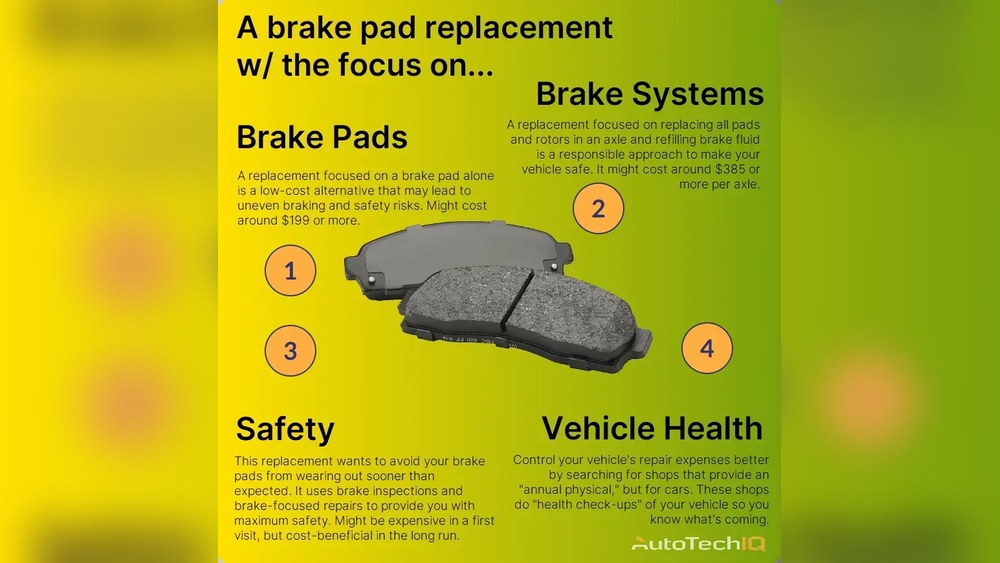
When it comes to your car’s safety, brakes and rotors play a huge role. But have you ever wondered how much it actually costs to replace them?
Knowing the price beforehand can save you from surprises and help you plan your budget better. You’ll discover clear, straightforward answers about brake and rotor replacement costs. Stick with me, and by the end, you’ll feel confident about what to expect and how to make the best decision for your car and your wallet.
Credit: www.jiffylube.com
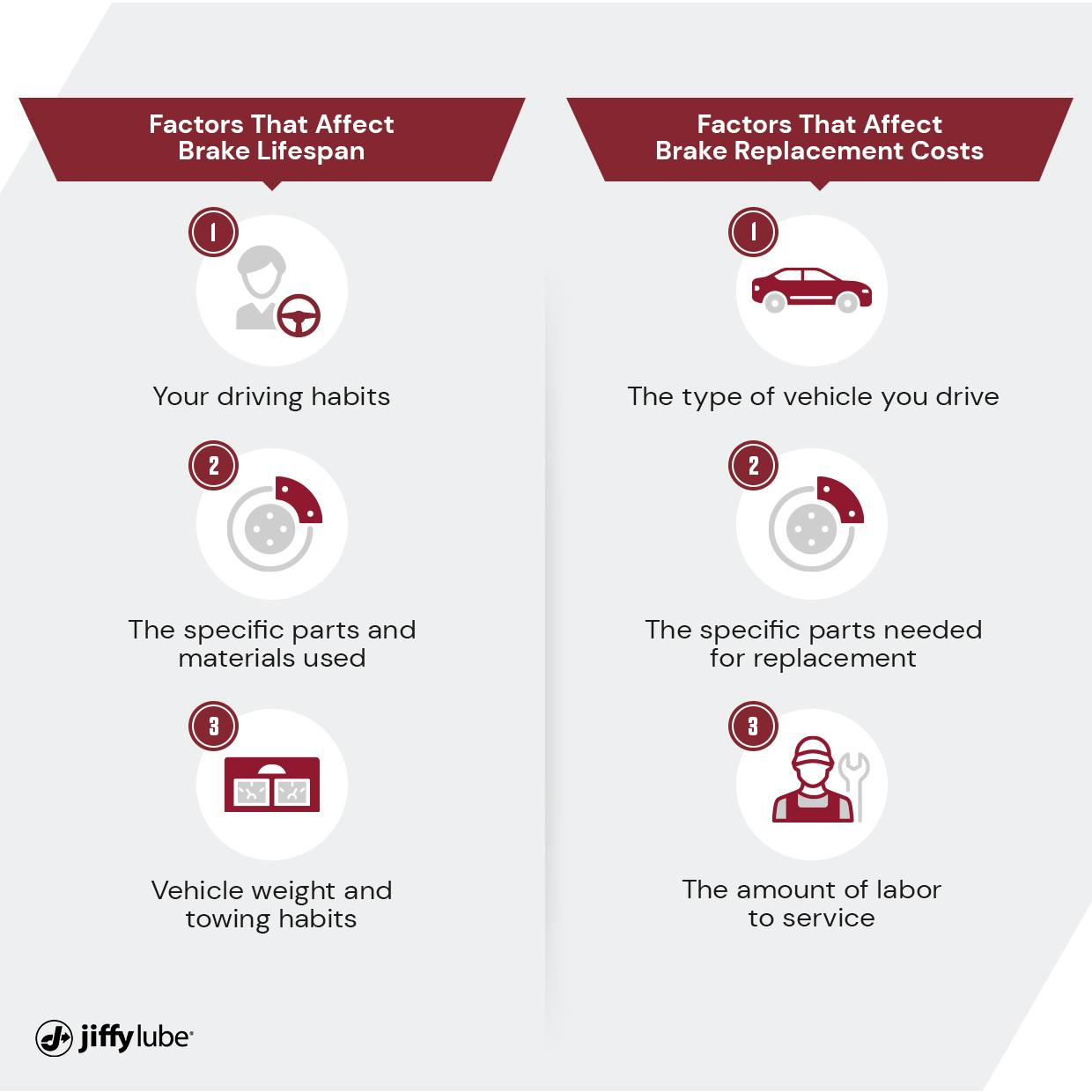
Factors Influencing Brake And Rotor Replacement Cost
Several factors affect the cost to replace brakes and rotors. Understanding these helps you plan your budget better. Prices can vary widely based on different conditions. Knowing what influences the price can prevent surprises.
Type Of Vehicle
The kind of vehicle plays a big role in cost. Luxury cars or trucks usually need expensive parts. Smaller cars often require less costly components. Some vehicles have complex brake systems that raise labor time.
Quality Of Parts
Brake and rotor parts come in various qualities. Standard parts cost less but may wear out faster. Premium or OEM parts last longer but are pricier. Choosing the right quality affects both price and performance.
Labor Charges
Labor costs depend on the service provider’s hourly rate. Skilled mechanics might charge more but work faster. Simple brake jobs take less time, lowering labor fees. Complex systems or additional repairs increase labor time and cost.
Location And Service Center
Costs vary by region and type of shop. Dealerships often charge higher prices than local garages. Urban areas usually have higher labor rates than rural places. Choosing the right service center can save money without losing quality.
Credit: omegaautocare.com
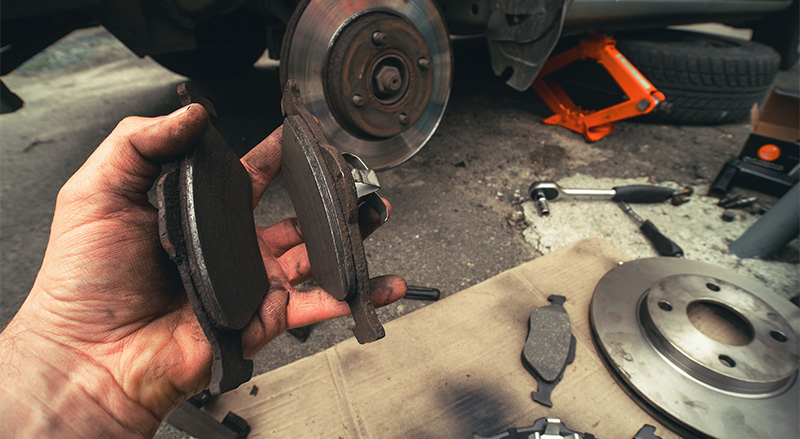
Cost Breakdown For Brake Pads
Understanding the cost of brake pads helps plan your car maintenance budget. Brake pads wear out and need replacing at times. The price depends on the type of brake pads chosen. Here is a clear breakdown to guide you through common options.
Standard Brake Pads
Standard brake pads suit everyday driving needs. They cost between $30 and $70 per set. These pads last about 30,000 to 50,000 miles. They produce less noise and wear down rotors slowly. Many drivers find them reliable and affordable.
High-performance Brake Pads
High-performance brake pads offer better stopping power. They usually cost $70 to $150 per set. These pads handle heat well and last longer on tough drives. Perfect for sporty cars or heavy traffic use. Expect more dust and possible noise with these pads.
Ceramic Vs. Semi-metallic Pads
Ceramic brake pads cost about $50 to $100 per set. They are quiet, produce less dust, and last long. Semi-metallic pads are cheaper, around $30 to $70. These pads cool quickly and stop well in wet conditions. They can be noisier and wear rotors faster.
Rotor Replacement Expenses
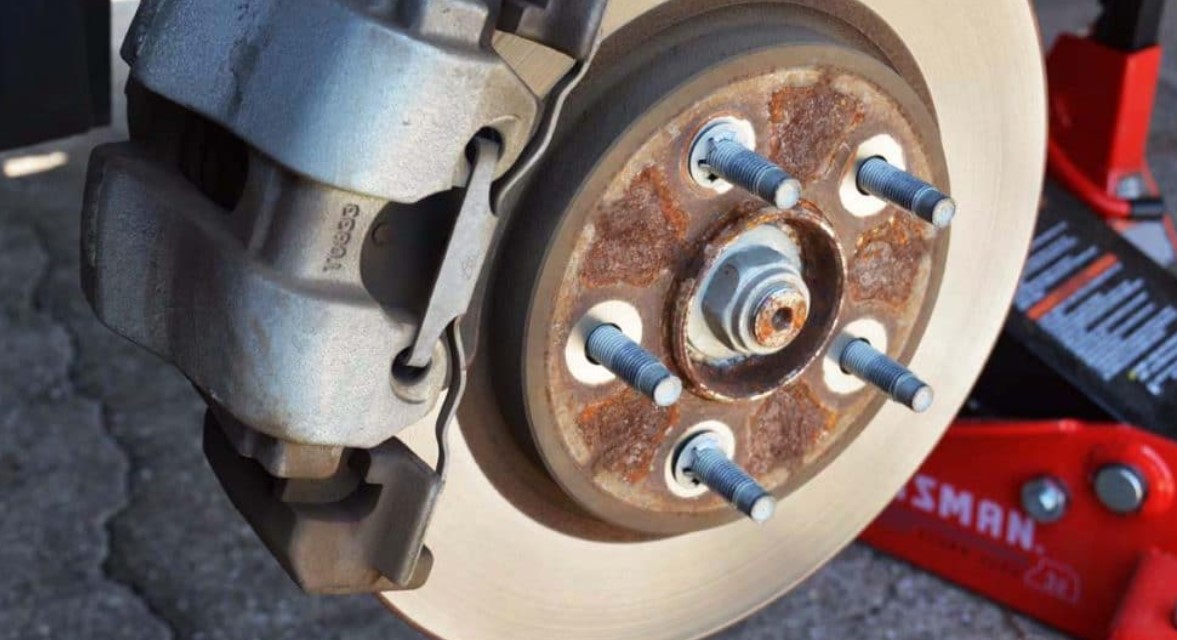
Replacing brake rotors is a key part of brake system maintenance. Rotors wear down over time and affect braking performance. Costs vary based on rotor type, material, and repair method.
Understanding these factors helps you budget and choose the right option for your car. Let’s explore rotor types, resurfacing versus replacement, and material cost differences.
Types Of Rotors
There are several rotor types. Solid rotors are simple and common on small cars. Vented rotors have cooling channels to reduce heat. Drilled and slotted rotors improve grip and heat dissipation. Each type costs differently based on design and vehicle needs.
Resurfacing Vs. Replacement
Resurfacing means shaving the rotor surface to remove wear and grooves. It is cheaper but only possible if the rotor thickness remains safe. Replacement installs a new rotor, ensuring full performance. Resurfacing costs less but may not last as long as new rotors.
Cost Variations By Material
Brake rotors come in different materials. Cast iron is the most common and affordable. Carbon composite rotors are high-end and expensive but offer better performance. Steel rotors are durable but can be pricier than cast iron. Material choice affects price and brake quality.
Credit: blog.napacanada.com
Additional Costs To Consider
Replacing brakes and rotors involves more than just parts and labor. Some extra costs can raise the total price. Understanding these additional expenses helps you prepare a better budget. It also prevents surprises when you pick up your car.
Brake Fluid Replacement
Brake fluid is essential for your braking system to work well. Over time, it can get dirty or lose effectiveness. Mechanics often recommend changing brake fluid during brake service. This replacement keeps brakes responsive and safe. The cost is usually low but adds to the overall bill.
Hardware And Accessories
New brakes and rotors sometimes need extra parts. These include clips, springs, and bolts. Old hardware may wear out or break during repair. Shops might charge separately for these small parts. These accessories help brakes fit and work properly.
Diagnostic Fees
Before fixing brakes, a mechanic checks the system for issues. This check ensures the right problem gets fixed. Some shops charge a diagnostic fee for this service. The fee covers time and tools used in inspection. It is a small cost that improves repair accuracy.
Diy Vs. Professional Replacement
Replacing brakes and rotors costs vary based on who does the job. Many car owners wonder if they should try a DIY replacement or hire a professional. Both choices have benefits and risks. Understanding these can help decide the best option for your situation.
Pros And Cons Of Diy
Doing the brake and rotor replacement yourself can save money on labor. Parts usually cost less without shop fees. You learn a new skill and gain confidence in car care.
DIY requires proper tools and safety knowledge. Mistakes can lead to brake failure and danger on the road. It takes time and patience, especially for first-timers. Some cars have complex brake systems not easy for beginners.
When To Seek Professional Help
Choose a professional if unsure about the process or lack tools. Pros have experience and know how to handle tricky brake systems. They ensure the job meets safety standards. A professional can spot other issues during the service.
Also, seek help if brakes show unusual noises, vibrations, or if the vehicle pulls to one side. Professionals can offer a warranty on parts and work. This gives extra peace of mind on the road.
Saving Tips On Brake And Rotor Replacement
Replacing brakes and rotors can be costly. Saving money during this process is possible. Simple steps help reduce expenses without risking safety. Understanding these tips helps keep your car in good shape and your wallet happy.
Choosing The Right Parts
Select parts that match your car’s model and needs. Avoid very cheap parts that wear out fast. Quality parts last longer and save money over time. OEM parts often cost more but fit perfectly. Aftermarket parts can be good if chosen carefully. Check for warranties to protect your purchase.
Finding Reliable Service Deals
Shop around for repair shops with good reviews. Ask for quotes from several mechanics to compare prices. Some shops offer discounts on brake and rotor services. Look for seasonal promotions or coupons to save more. Trustworthy shops use proper tools and parts. Avoid very low prices that may mean poor quality.
Regular Maintenance Benefits
Keeping brakes clean and checking them often prevents big repairs. Regular inspections catch problems early and save costs. Change brake fluid and pads as recommended by the car manual. Good habits increase the lifespan of rotors and brakes. Maintenance costs less than full replacement. Your car stays safer with timely care.
Frequently Asked Questions
How Much Does It Cost To Replace Brake Pads And Rotors?
The average cost to replace brake pads and rotors ranges from $250 to $500. Prices vary by vehicle type, part quality, and labor fees. Luxury or performance cars typically incur higher costs. Always get a detailed quote from your mechanic before proceeding.
What Factors Affect Brake And Rotor Replacement Costs?
Brake replacement costs depend on vehicle model, brake part quality, and labor rates. Rotor prices vary with material type and size. Additional repairs like caliper replacement can increase costs. Geographic location also influences labor charges and parts availability.
Can I Replace Brake Pads And Rotors Myself?
Yes, if you have basic mechanical skills and proper tools. DIY replacement saves labor costs but requires care and safety knowledge. Incorrect installation risks brake failure and accidents. Always follow vehicle-specific guides and safety procedures.
How Often Should Brakes And Rotors Be Replaced?
Brake pads generally need replacement every 30,000 to 70,000 miles. Rotors may last 50,000 to 70,000 miles but can wear faster under heavy use. Regular inspections help identify wear and prevent costly damage.
Conclusion
Brake and rotor replacement costs vary by car model and location. Quality parts and labor affect the final price. Regular maintenance helps avoid expensive repairs later. Choosing a trusted mechanic ensures safety and good service. Keep an eye on brake performance to know when to act.
Timely replacement keeps your vehicle running smoothly and safely. Knowing the costs helps you plan your budget better. Don’t wait until brakes wear out completely. Staying informed protects you and your passengers on the road.

