

You just got a brand new car, and it looks amazing. But you might be wondering—how soon should you wax it?
Waxing your car too early or too late can affect its shine and protection. You want your car to stay looking fresh and flawless for as long as possible. You’ll discover the perfect timing to wax your new ride and why it matters.
Keep reading to make sure your car’s finish stays stunning from day one.
When To Wax A New Car
Knowing when to wax a new car is important for its shine and protection. Waxing too soon can damage the paint. Waiting the right time helps the wax stick better. This guide explains key points to decide the right moment.
Factory Paint Protection
New cars come with a factory paint layer. This layer protects the paint from dirt and scratches. It is usually soft and needs time to harden. Waxing over this layer too early can cause streaks or damage. Wait until this protective layer settles before applying wax.
Curing Time For Paint
Paint curing means the paint hardens fully. This process can take 30 to 90 days. During this time, the paint gets stronger and more durable. Waxing after curing helps protect the paint better. Check your car’s paint type to estimate the curing time.
Signs To Start Waxing
Look for signs that show the paint is ready. The surface feels smooth and hard. Water beads on the surface instead of soaking in. No sticky or soft spots remain on the paint. When these signs appear, it is safe to wax your new car.

Credit: www.youtube.com
Types Of Car Wax
Choosing the right type of car wax is key to protecting your new car’s paint. Wax adds shine and guards against dirt and sun damage. Different waxes suit different needs and paint types. Understanding wax types helps you pick the best one for your new car.
Natural Vs Synthetic Waxes
Natural waxes come from carnauba, a plant-based source. They give a deep, warm shine that many car lovers prefer. Natural waxes usually last a few weeks and need reapplication. Synthetic waxes are made in labs with polymers. They last longer, often months, and protect better against harsh weather. Some people mix both for shine and durability.
Wax Formulations And Finishes
Car waxes come in paste, liquid, and spray forms. Paste wax offers strong protection but takes longer to apply. Liquid wax is easier to spread and works faster. Spray wax is the quickest, good for touch-ups and light protection. Wax finishes vary from glossy to matte. Glossy finishes bring out bright, reflective shine. Matte finishes keep a smooth, non-shiny look.
Choosing The Right Wax For New Paint
New cars have fresh paint that needs gentle care. Use wax made for new or clear coats. Synthetic waxes suit new paint well because they protect longer. Avoid harsh or abrasive waxes that can harm new paint. Always test a small area first to check results. Regular waxing keeps your car looking new and fresh.
Preparing Your Car For Waxing
Before waxing a brand new car, proper preparation is essential. The surface must be clean and smooth. Dirt, dust, and other particles can ruin the wax finish. Taking time to prepare ensures the wax sticks well and lasts longer.
Each step helps protect your car’s paint and shine. The process starts with washing and drying, followed by removing contaminants, and then claying the surface. These steps create a perfect base for waxing.
Washing And Drying
Start by washing your car with a gentle car shampoo. Use cool water to avoid water spots. Clean every part, including wheels and lower panels. Rinse thoroughly to remove all soap.
Dry the car using a soft, clean microfiber towel. Avoid air drying, which leaves spots. Pat dry instead of rubbing to protect the paint.
Removing Contaminants
Pollution and road grime stick to your car’s paint. They cannot be removed by washing alone. Use a specialized cleaner to remove these contaminants. Spray it on the surface and wipe gently with a microfiber cloth.
Removing contaminants helps the wax bond better. It also prevents scratches during waxing.
Claying The Surface
Use a clay bar to remove fine particles embedded in the paint. Lubricate the surface with a clay lubricant. Glide the clay bar gently over the paint in straight lines.
Claying smooths the surface and removes invisible dirt. This step makes the paint ready for a flawless wax application.
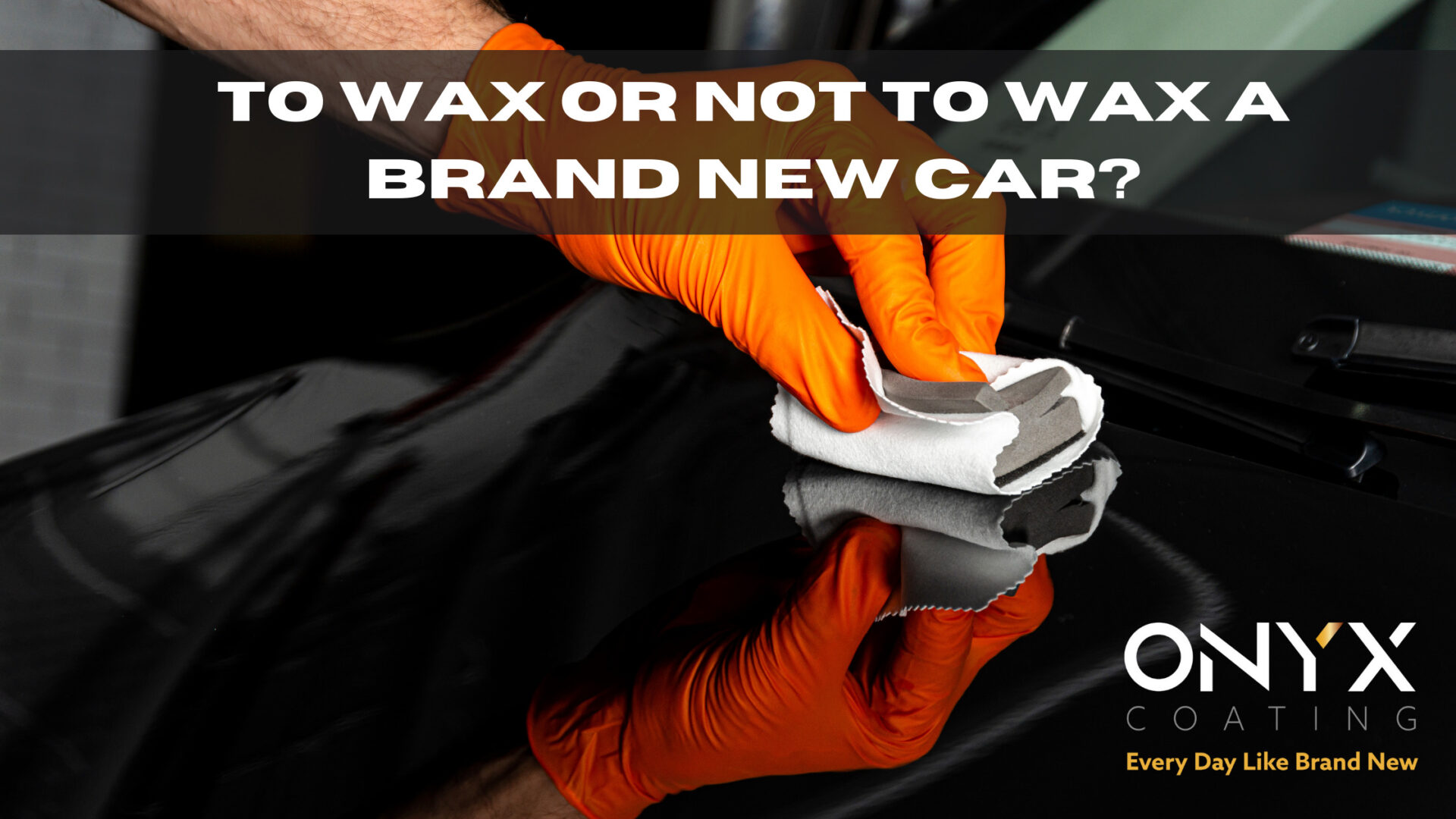
Credit: onyxcoating.com
Waxing Techniques For New Cars
Waxing a new car protects its paint and keeps it shiny longer. Using the right waxing techniques helps maintain the car’s fresh look. Different methods suit different needs and skill levels. Here are some simple ways to wax a new car effectively.
Hand Waxing Tips
Hand waxing is gentle and gives you full control. Use a soft foam or microfiber applicator to apply wax. Work in small sections using circular motions. Avoid applying too much wax at once. Let the wax dry until it forms a haze. Then, gently buff it off with a clean microfiber cloth.
Using A Buffer Or Polisher
A buffer makes waxing faster and easier on large surfaces. Choose a dual-action buffer for safe, even results. Attach a soft foam pad designed for waxing. Spread a small amount of wax on the pad. Move the buffer slowly in overlapping circles. Keep the machine moving to avoid heat build-up or damage.
Application And Removal Steps
Start by washing and drying the car thoroughly. Apply wax in thin, even layers over cool surfaces. Allow wax to dry to a light haze before removal. Use clean microfiber towels to remove wax residue. Buff the surface with gentle pressure for a smooth shine. Check for missed spots and reapply if needed.
Maintaining The Waxed Finish
Keeping your car’s waxed finish looking fresh takes regular care. Wax protects the paint from dirt, sun, and rain. But over time, wax wears off. You need to maintain the finish to keep your car shiny and safe.
Frequency Of Waxing
Wax your car every three to four months. This helps keep the protective layer strong. If you park outside a lot, wax every two months. Check the shine often. Dull spots mean it’s time to wax again.
Quick Detailers And Maintenance Sprays
Use quick detailers after washing your car. They help remove dust and light dirt. These sprays refresh the wax without full reapplication. Spray lightly and wipe with a soft cloth. This keeps the surface smooth and glossy between waxes.
Protecting Against Environmental Damage
Sunlight and rain can harm your car’s finish. Park in shaded areas when possible. Wash your car regularly to remove bird droppings and tree sap. These substances can eat away wax and paint. Use covers if you park outside for days.
Common Waxing Mistakes To Avoid
Waxing a brand new car protects its paint and keeps it shiny. Many car owners make simple mistakes that harm the finish instead of helping it. Avoiding these errors ensures your car looks great longer. Below are common waxing mistakes to watch out for.
Waxing Too Soon
New cars often have a factory protective layer. Waxing too soon can trap dirt or chemicals under the wax. Wait at least 30 days before waxing. This lets the paint settle and the factory coat wear off. Patience helps the wax bond better and last longer.
Overusing Wax
Applying wax too often can cause buildup. Thick layers may dull the paint and attract dirt. Waxing every three months is enough for most cars. Use only a thin, even coat each time. This keeps the paint smooth and shiny without damage.
Ignoring Paint Type
Different paints need different care. Some waxes work better on certain finishes. Check your car’s paint type before waxing. Use wax designed for your car’s paint to avoid streaks or damage. Proper wax keeps your paint healthy and bright.

Credit: www.youtube.com
Frequently Asked Questions
How Soon Can I Wax My New Car After Purchase?
You can wax your new car after 30 to 60 days. This allows the paint to fully cure. Waxing too early can affect the paint’s durability and shine.
Why Wait Before Waxing A Brand New Car?
Waiting helps the paint cure completely. Fresh paint needs time to harden, ensuring wax bonds well. Early waxing may cause uneven shine or paint damage.
What Type Of Wax Is Best For New Cars?
Use a high-quality carnauba or synthetic wax. These provide excellent protection and enhance shine. Choose one designed for new or cured paint for best results.
How Often Should I Wax My New Car?
Wax your car every three months for optimal protection. Regular waxing maintains shine and shields paint from UV rays and contaminants. Adjust frequency based on weather and usage.
Conclusion
Waxing a brand new car protects its paint and keeps it shiny. Wait at least 30 days after buying the car before waxing. This allows the paint to fully cure. Use a good quality wax and apply it gently. Regular waxing helps stop dirt and damage.
It also makes cleaning easier later on. Taking care of your car now saves money and effort later. Enjoy the fresh look and keep your car looking new for years. Simple steps make a big difference in car care.


