

Have you ever wondered how many miles your brake rotors can actually last before you need to replace them? Knowing this can save you from unexpected repairs and keep your car running safely.
Your brake rotors play a crucial role in stopping your vehicle, and understanding their lifespan helps you avoid costly damage. You’ll discover the key signs of worn rotors, factors that affect their durability, and tips to extend their life. Keep reading to make sure your brakes stay reliable and your drives stay safe.
Factors Affecting Rotor Lifespan
Brake rotors wear out at different speeds. Many things change how long they last. Knowing these helps you care for your brakes better. It can save money and keep you safe on the road.
Driving Habits
How you drive affects rotor life a lot. Hard braking wears rotors faster. Riding the brakes heats them up more. Smooth stops help rotors last longer. Frequent short trips can cause more wear. Long highway drives usually cause less damage.
Vehicle Type
Heavy vehicles stress rotors more than light cars. Trucks and SUVs need stronger rotors. Sports cars have rotors built for heat. Regular sedans use standard rotors. The size and weight of a vehicle matter. More weight means more brake wear.
Rotor Material
Rotors come in different materials. Cast iron is common and affordable. It wears at a steady pace. Steel rotors last longer but cost more. Carbon-ceramic rotors resist heat well. They last the longest but are pricey. Material type changes how often you replace rotors.
Environmental Conditions
Weather and roads affect rotor life. Salt and moisture cause rust and wear. Dust and dirt can scratch rotors. Hot climates can cause faster wear. Cold climates might cause cracking. Clean and dry conditions help rotors last longer.
Average Mileage For Brake Rotors
Brake rotors play a key role in vehicle safety. Knowing their average mileage helps you plan maintenance. Rotors wear down over time and need replacing. The lifespan varies depending on several factors. Driving style, road conditions, and rotor quality affect how long they last.
Typical Lifespan Range
Brake rotors usually last between 30,000 and 70,000 miles. Some last even longer with gentle driving. Others wear out faster in city traffic or hilly areas. High-performance or heavy-duty vehicles may need rotor changes sooner. Regular checks can help spot wear early. Rotors that are too thin or damaged must be replaced.
Signs Of Rotor Wear
Listen for squealing or grinding noises when braking. Feel for vibrations or pulsing in the brake pedal. Visual cracks or grooves on the rotor surface show wear. Longer stopping distances also indicate worn rotors. Ignoring these signs can lead to brake failure. Check your rotors regularly to stay safe on the road.
Symptoms Of Worn Brake Rotors
Worn brake rotors affect your car’s safety and performance. Recognizing the signs early helps prevent bigger problems. These symptoms show that your brake rotors need attention or replacement.
Vibrations While Braking
Feeling a shake or vibration in the steering wheel is common with worn rotors. The brake rotor surface may become uneven. This causes the brake pads to hit the rotor unevenly. Vibrations usually get worse as you press the brake pedal harder.
Squealing Or Grinding Noises
High-pitched squealing sounds often mean the brake pads are worn. Grinding noises suggest the brake pads are gone, and metal touches metal. Worn rotors can make these sounds louder or more frequent. Noises indicate damage that needs fixing quickly.
Reduced Braking Performance
Your car may take longer to stop with worn rotors. The brake pedal might feel soft or less responsive. This lowers your control and increases stopping distance. Reduced braking power is a serious warning sign of rotor wear.

Credit: www.clarksgarage.com.au
Maintenance Tips To Extend Rotor Life
Brake rotors are a key part of your vehicle’s braking system. They need care to last longer and work well. Simple maintenance can save money and keep driving safe. Follow these tips to extend the life of your brake rotors.
Regular Inspections
Check your brake rotors often. Look for cracks, grooves, or rust. Listen for strange noises while braking. Early detection stops bigger damage. Inspect rotors every 10,000 miles or during oil changes. Professionals can spot problems you might miss.
Proper Driving Techniques
Drive gently to protect your rotors. Avoid sudden stops unless necessary. Slow down gradually to reduce wear. Heavy braking heats rotors and causes warping. Use engine braking on long descents. Smooth driving keeps rotors cooler and stronger.
Brake Pad Replacement Timing
Replace brake pads on time to save rotors. Worn pads press metal on rotors and cause damage. Change pads before they wear down fully. Check pad thickness at every service. New pads reduce rotor wear and improve safety.
When To Replace Brake Rotors
Knowing when to replace brake rotors helps keep your car safe. Rotors wear down with use and need checks often. Ignoring worn rotors can reduce braking power. This section explains key signs to replace rotors.
Thickness Measurements
Brake rotors wear thinner over time. Mechanics use a micrometer to check thickness. Each rotor has a minimum thickness limit. If the rotor is thinner than this, replace it. Thin rotors can crack or warp easily.
Damage And Warping
Rotors can get damaged from heat and stress. Warping causes vibrations when braking. Look for grooves, cracks, or uneven surfaces. These signs show the rotor needs replacement. Damaged rotors reduce braking efficiency and safety.
Manufacturer Recommendations
Car makers provide rotor replacement guidelines. Check the owner’s manual for specific advice. Some suggest replacement after certain mileage or wear. Follow these rules to avoid brake problems. Using the right parts keeps brakes working well.

Credit: www.wowwoodys.com
Cost Considerations For Rotor Replacement
Replacing brake rotors involves several costs. Knowing these helps plan your budget better. Costs vary depending on parts, labor, and whether you do the work yourself or hire a pro.
Parts And Labor Costs
Brake rotors cost between $30 and $75 each for most cars. High-performance or specialty rotors may cost more. Labor usually adds $80 to $150 per axle. Total costs for both rotors and labor range from $150 to $300. Prices differ by location and vehicle type.
Diy Vs Professional Service
Doing the job yourself saves labor costs. You only pay for parts and tools. But the work needs skill and the right tools. Mistakes can cause safety issues. Hiring a professional ensures correct installation. It also saves time and stress. Choose based on your skills and budget.
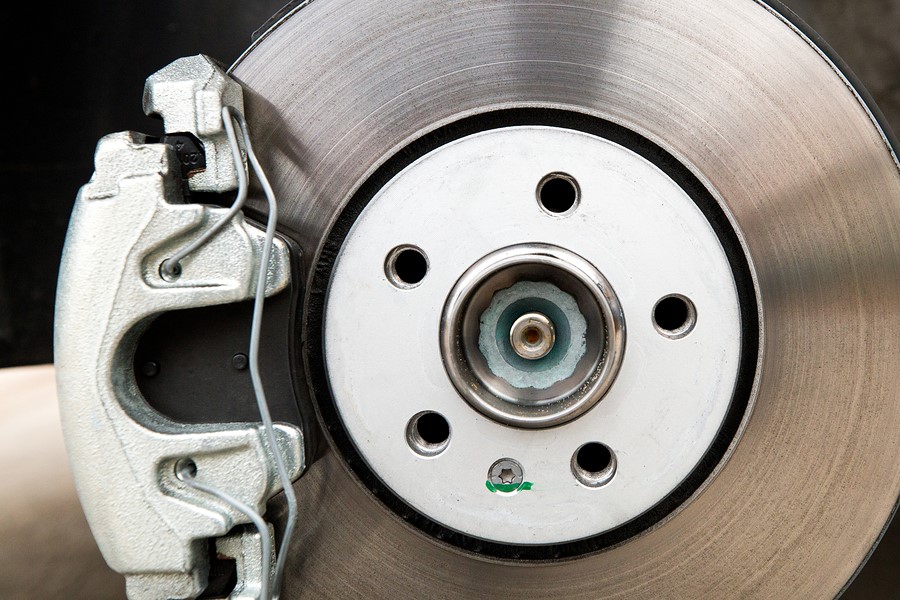
Credit: haresservicingandrepairsltd.co.uk
Frequently Asked Questions
How Long Do Brake Rotors Typically Last?
Brake rotors usually last between 30,000 to 70,000 miles. This depends on driving habits, vehicle type, and rotor quality. Regular maintenance can extend their lifespan significantly.
What Factors Affect Brake Rotor Lifespan?
Brake rotor life is influenced by driving style, road conditions, vehicle weight, and rotor material. Frequent hard braking and rough terrain reduce rotor longevity. Proper care helps maintain their performance.
How Can I Tell If Brake Rotors Need Replacement?
Signs include vibration during braking, squealing noises, and visible grooves or warping on rotors. Reduced braking efficiency also indicates rotor wear. Regular inspections ensure timely replacement.
Do All Vehicles Have The Same Rotor Lifespan?
No, rotor lifespan varies by vehicle type and usage. Heavy trucks and performance cars often wear rotors faster. Passenger cars typically have longer rotor life with normal driving.
Conclusion
Brake rotors usually last between 30,000 and 70,000 miles. Driving habits and road conditions affect rotor life a lot. Watch for signs like vibrations or noises while braking. Regular brake checks help catch rotor wear early. Replacing worn rotors keeps your car safe and smooth.
Taking care of brakes saves money and prevents bigger problems. Stay alert, and maintain your brakes well for a safer drive.


