Are you wondering, “How much for all new brakes and rotors?” If your car’s stopping power feels weak or you hear strange noises when you brake, it might be time for a full brake and rotor replacement. But before you get overwhelmed by costs, this article will break down what you can expect to pay.
Understanding the price can save you from surprises and help you make smart decisions for your safety and budget. Keep reading to find out how much new brakes and rotors really cost—and what factors influence the price.
Brake System Components
The brake system is vital for your car’s safety and performance. It stops your vehicle safely and smoothly. Understanding the main parts helps explain the cost of new brakes and rotors. Each component has a role in the braking process. Replacing all parts ensures better safety and longer life.
Let’s explore the key brake system components: brake pads, rotors, and calipers with hardware.
Brake Pads
Brake pads press against the rotors to slow the car. They wear out over time and need regular replacement. Costs vary depending on the material and brand. Organic, semi-metallic, and ceramic pads offer different benefits. Ceramic pads are quieter but cost more. Replacing brake pads is usually the most affordable part of a brake job.
Rotors
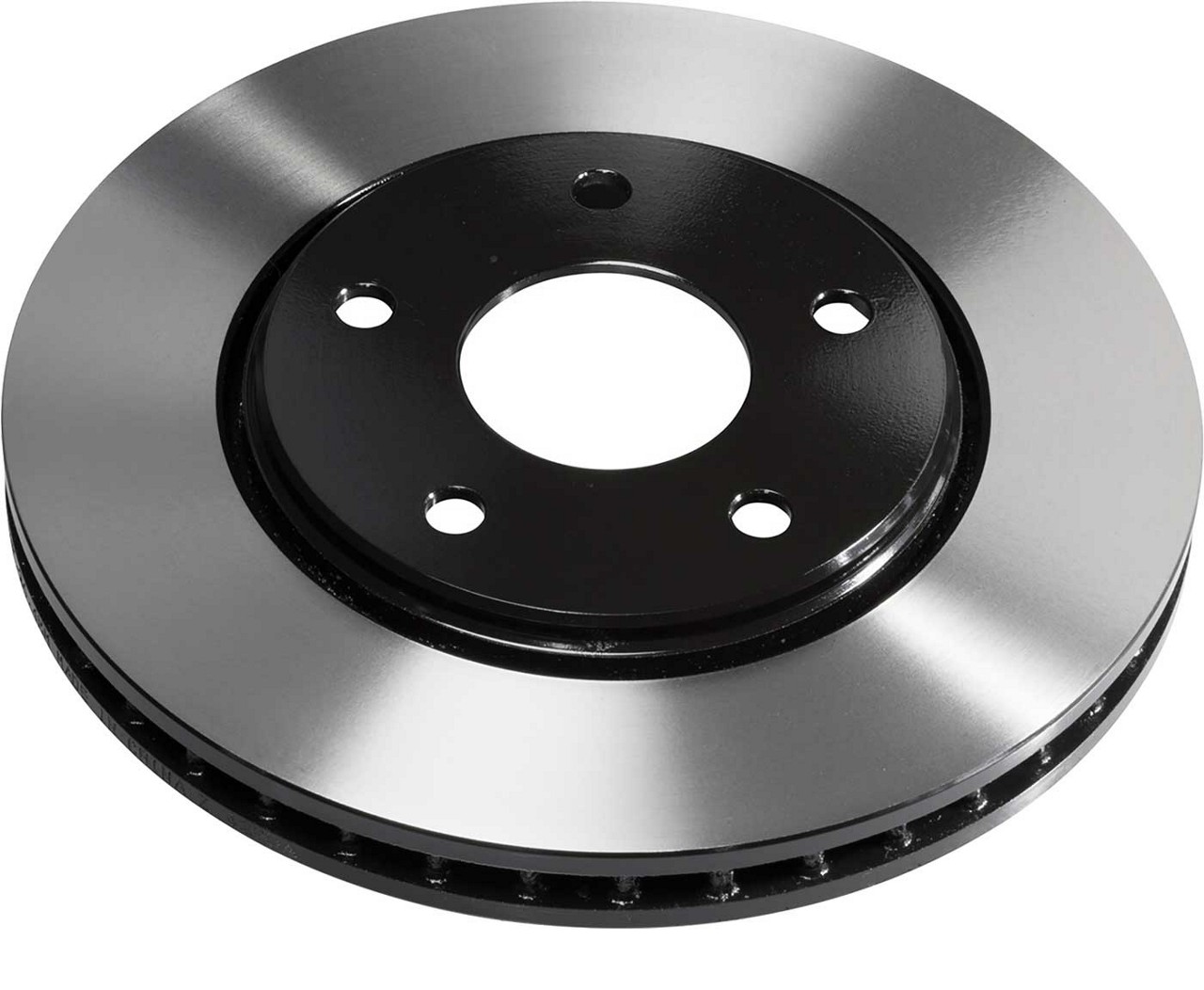
Rotors are metal discs that the brake pads clamp onto. They create the friction needed to stop the car. Rotors can warp or become thin with use. Replacing rotors costs more than pads due to material and labor. Some rotors can be resurfaced instead of replaced. New rotors improve braking smoothness and safety.
Calipers And Hardware
Calipers hold the brake pads and push them against the rotors. They contain pistons that move when you press the brake pedal. Calipers can stick or leak, requiring repair or replacement. Hardware includes springs, clips, and pins that keep parts in place. Replacing calipers and hardware adds to the total brake job cost but ensures proper function.
Factors Influencing Brake Replacement Costs
Brake replacement costs vary widely. Several factors affect the final price. Understanding these factors helps you plan your budget better. Below are key elements that influence how much you pay for new brakes and rotors.
Vehicle Make And Model
Different cars need different brake parts. Luxury and sports cars often have pricier components. Common models use standard parts that cost less. Some vehicles require special tools and skills. These needs raise labor and parts prices.
Quality Of Parts
Brake parts come in various quality levels. Original Equipment Manufacturer (OEM) parts usually cost more. Aftermarket parts are cheaper but may wear faster. High-quality parts offer better performance and safety. Choosing good parts can save money over time.
Labor Charges
Mechanic fees vary by shop and skill. Complex brake systems take more time to fix. Labor costs depend on the number of hours needed. Experienced technicians may charge higher rates. Quick, simple jobs usually cost less in labor.
Location And Service Provider
Prices differ based on where you live. Urban areas often have higher labor rates than rural places. Dealerships usually charge more than independent shops. Some service centers offer promotions or discounts. Comparing options can help reduce your costs.
Cost Breakdown For New Brakes And Rotors
Replacing all new brakes and rotors involves several costs. Understanding these costs helps you plan your budget better. The price depends on parts, labor, and the type of vehicle. Below is a clear breakdown of the main expenses.
Average Price Range For Brake Pads
Brake pads usually cost between $30 and $100 per axle. The price varies by brand and material quality. Ceramic pads are more expensive but last longer and are quieter. Organic pads are cheaper but wear out faster. You may pay more for premium or performance brake pads.
Average Price Range For Rotors
Rotors typically cost between $40 and $150 each. The price depends on size, type, and vehicle model. Standard rotors are less expensive than drilled or slotted ones. High-performance rotors cost more but offer better heat dissipation. Some cars need specific rotors, which can increase the price.
Additional Expenses To Consider
Labor costs for brake and rotor replacement range from $100 to $300. It depends on the shop and your vehicle’s complexity. You may need extra parts like brake fluid or hardware kits. Some shops charge disposal fees for old parts. Budget for these extras to avoid surprises.

Credit: www.youtube.com
Diy Vs Professional Installation
Choosing between DIY and professional installation for new brakes and rotors is important. Both options have different costs, risks, and benefits. This choice affects your safety and wallet.
Pros And Cons Of Diy
Doing brakes and rotors yourself saves money on labor fees. Parts cost stays the same, but no extra charges apply. You learn valuable skills and gain confidence in car care.
DIY needs tools and space for the work. Mistakes can cause brake failure or damage. It takes time and patience, especially for beginners. Not everyone has the skills to install brakes safely.
Benefits Of Professional Service
Professionals install brakes and rotors fast and correctly. They use proper tools and parts suited for your car. Warranties often cover parts and labor from shops.
Experts spot hidden problems during installation. This avoids costly repairs later. The service guarantees your brakes work safely and last longer. Peace of mind comes with professional work.
Tips To Save On Brake Replacement
Replacing all new brakes and rotors can be costly. Saving money on this job is possible. Simple tips help reduce expenses without lowering quality. Smart choices and regular care keep brakes working longer.
Choosing The Right Parts
Pick parts that fit your car well. Quality matters but so does price. Avoid very cheap parts that wear out fast. Mid-range parts often last longer and cost less over time. Ask for parts with good reviews from other drivers.
Finding Discounts And Promotions
Check for sales at auto shops or online stores. Many places offer discounts on brake parts or services. Use coupons or special deals from trusted sellers. Some shops give price cuts for first-time customers or during holidays.
Regular Maintenance To Extend Lifespan
Keep brakes clean and check them often. Replace brake fluid as recommended by your car maker. Small repairs stop bigger problems that cost more. Regular checks help spot worn parts early and save money.
Credit: www.wagnerbrake.com
Signs It’s Time To Replace Brakes And Rotors
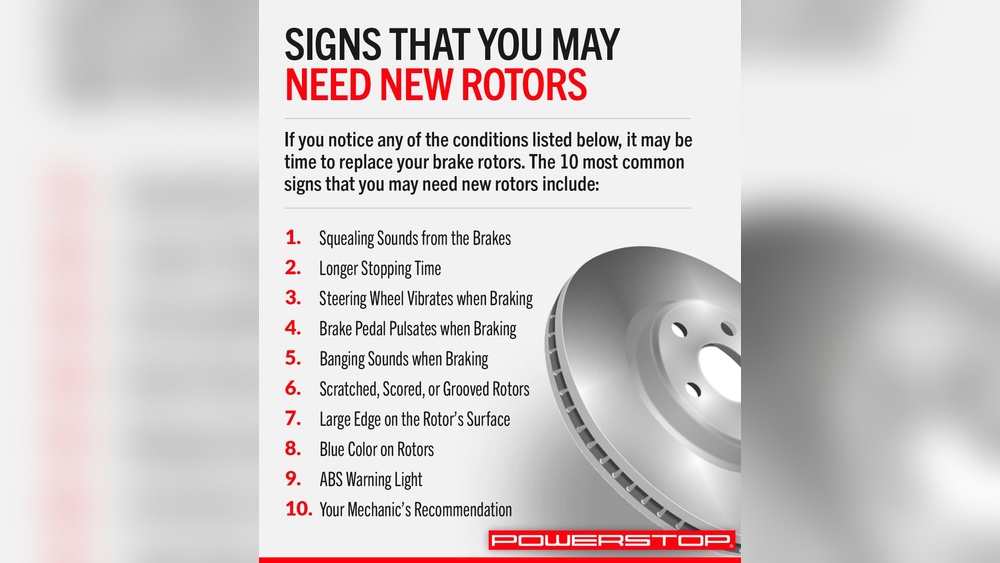
Brakes and rotors wear out over time. Knowing the signs of wear helps keep your car safe. Ignoring these signs can lead to expensive repairs or accidents. Watch for noise, vibration, and poor stopping power. A simple visual check can also reveal problems early.
Noise And Vibration
Squealing or grinding sounds come from worn brake pads. Vibrations or shaking in the brake pedal or steering wheel also signal trouble. These noises and feelings mean the brakes or rotors need attention. Do not ignore these warning signs to avoid further damage.
Reduced Braking Performance
The car takes longer to stop. The brake pedal feels soft or sinks to the floor. This means the brakes are weak or the rotors are damaged. Reduced braking power is dangerous. Replace brakes and rotors promptly to ensure safe driving.
Visual Inspection Tips
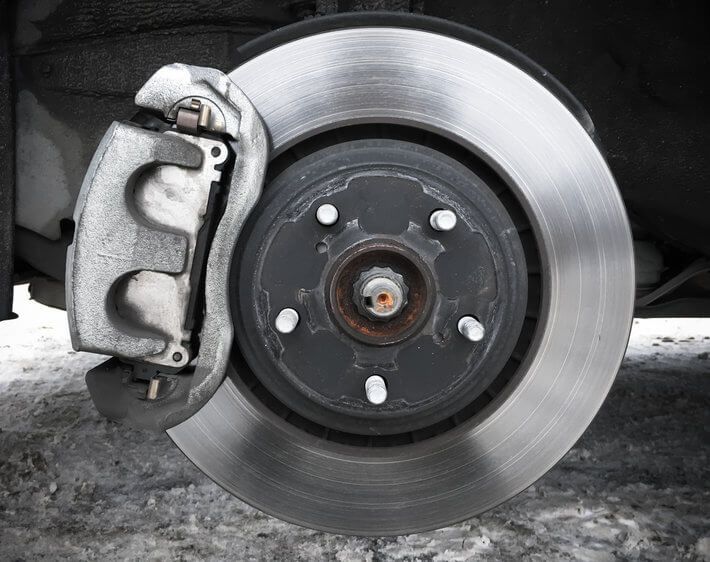
Look at the brake pads through the wheel spokes. Thin pads, less than a quarter inch, need replacing. Check the rotors for deep grooves, cracks, or rust. Uneven or damaged rotors cause poor braking and vibration. Regular checks help spot problems early and save money.
Credit: www.tiresplus.com
Frequently Asked Questions
How Much Do New Brake Pads And Rotors Cost?
New brake pads and rotors typically cost between $250 and $600. Prices vary by vehicle type and part quality. Labor fees can add $100 to $200. Premium parts or larger vehicles may increase costs.
What Factors Affect The Cost Of Brake And Rotor Replacement?
Costs depend on vehicle make, rotor size, brake pad material, and labor rates. Luxury or performance cars usually cost more. OEM parts are pricier than aftermarket options. Complexity of the job also impacts the total price.
How Long Does It Take To Replace Brakes And Rotors?
Brake and rotor replacement usually takes 1 to 2 hours. Timing depends on vehicle type and mechanic efficiency. Some shops offer quick services while others require appointment scheduling.
Are Aftermarket Brake Parts Cheaper Than Oem?
Aftermarket brake parts generally cost less than OEM parts. They offer good quality but may vary in durability. OEM parts ensure exact fit and manufacturer standards but at a higher price.
Conclusion
Replacing all new brakes and rotors can cost quite a bit. Prices vary depending on your car model and part quality. Choosing quality parts helps your car stop safely and last longer. Don’t wait too long to fix worn brakes or rotors.
Regular checks keep your vehicle safe on the road. Knowing the cost ahead helps you plan your budget better. Taking care of brakes is smart and keeps driving worry-free.