

You’ve just got a new car, and it looks amazing. But how do you keep that fresh shine for months to come?
Waxing your car is key to protecting its paint and making it stand out on the road. The big question is: how often should you wax your new car to get the best results without wasting time or money? You’ll discover simple, clear answers that help you keep your car looking brand new, so you can drive with confidence and pride every day.
Keep reading to learn the perfect waxing routine tailored just for your new ride.
Benefits Of Waxing A New Car
Waxing a new car offers many benefits. It keeps the car looking fresh and helps maintain its value. The wax forms a protective layer that guards the paint. It also makes the car shine brighter. Regular waxing prevents damage from dirt and sun. Below are the key benefits of waxing a new car.
Protecting The Paint
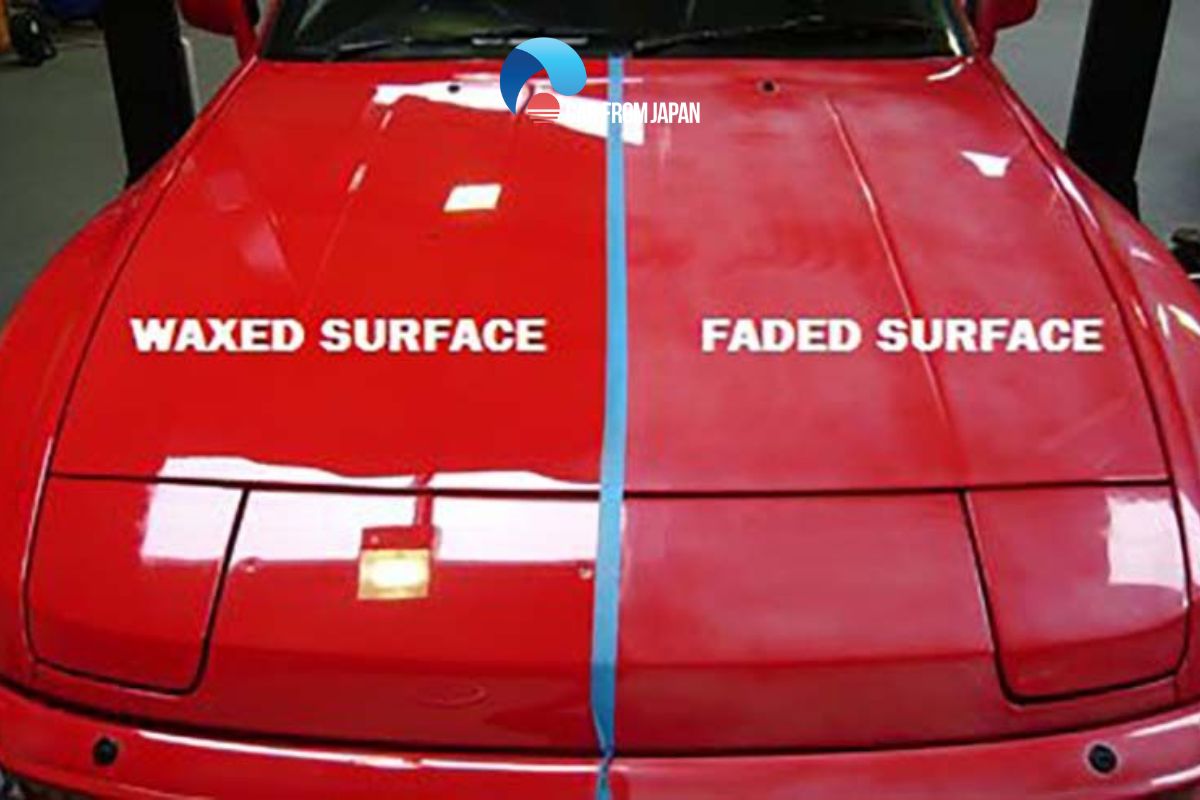
Wax creates a barrier on the car’s paint. This barrier stops dirt, dust, and grime from sticking. It also shields the paint from harmful UV rays. UV rays can cause fading and discoloration. Wax helps keep the paint looking new for longer. It reduces the risk of scratches and chips too.
Enhancing The Shine
Wax brings out the car’s natural shine. It smooths the surface, making light reflect better. This results in a glossy and polished look. A shiny car looks clean and well-maintained. Waxing regularly ensures the car stays bright and eye-catching.
Preventing Damage
Wax protects the car from water spots and bird droppings. These can damage the paint if left too long. Wax also helps prevent rust by sealing moisture out. It keeps road salt and chemicals from harming the surface. Waxing reduces long-term wear and tear on the car.
Factors Influencing Waxing Frequency
Several factors affect how often you should wax your new car. These elements impact the protection and shine of the paint. Understanding these helps keep your car looking fresh for longer.
Climate And Weather Conditions
Hot sun and strong UV rays can wear down wax quickly. Cars in dry, sunny areas may need waxing more often. Rain and snow can also affect wax durability. Salt from winter roads can harm the paint. Regular waxing protects the car from these harsh conditions.
Type Of Wax Used
Different waxes last for different times. Natural carnauba wax shines beautifully but fades faster. Synthetic waxes offer longer protection but less shine. Sealants last the longest but may not have the same depth of shine. Choose wax based on how long you want the protection to last.
Driving Habits
Frequent driving exposes your car to dirt and debris more often. City driving involves more stops and starts, causing more wear. Long highway trips can expose the car to bugs and road grime. Washing and waxing more often keeps the paint safe from damage.
Recommended Waxing Schedule
Keeping a new car looking fresh means protecting its paint regularly. Waxing adds a shield against dirt, sun, and rain. This section explains how often to wax your car for best results.
Different schedules work for different drivers. Choose a plan that fits your car use and environment. Regular waxing keeps the paint shiny and safe.
Monthly Waxing For Optimal Protection
Wax your car every month for the strongest protection. This schedule works well for cars parked outside. Monthly waxing keeps dirt and UV rays from damaging the paint. It also makes washing easier and quicker.
Quarterly Waxing For Moderate Use
Waxing every three months fits cars used less often. This plan suits vehicles kept in garages but driven regularly. Wax protects paint from light wear and weather effects. Quarterly waxing saves time and keeps the shine good.
Seasonal Waxing For Harsh Environments
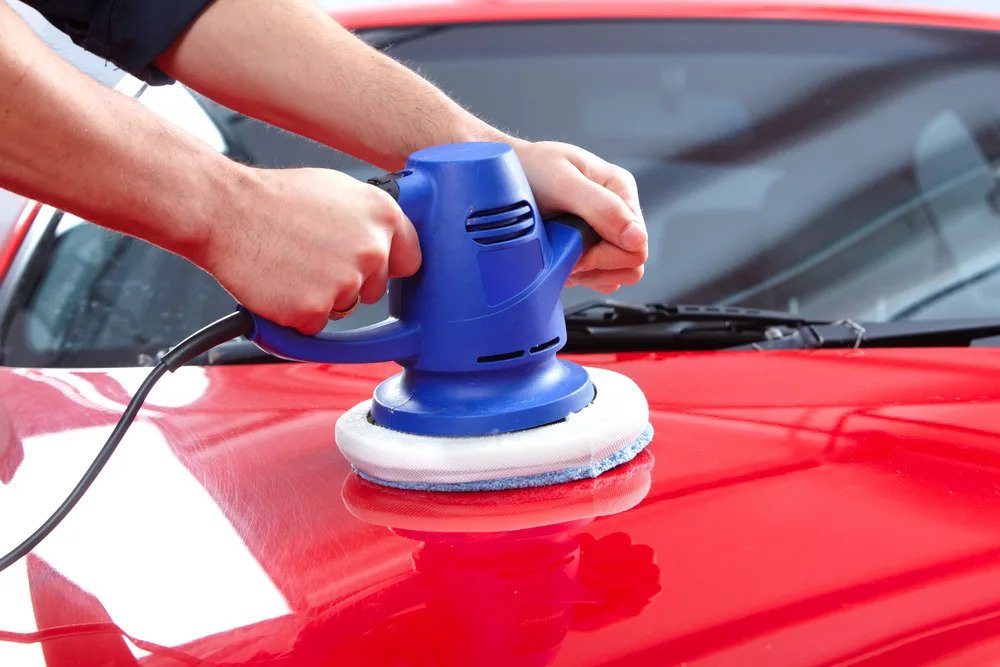
Wax your car four times a year in tough climates. Harsh sun, snow, or heavy rain need extra care. Seasonal waxing prepares your car for each weather change. It prevents rust and paint fading through the year.
Credit: ethoscarcare.com
Choosing The Right Wax
Choosing the right wax for your new car is key to keeping its shine and protection. The right wax enhances the paint’s look and guards against dirt and weather. Different wax types suit different needs. Knowing their features helps you pick the best one for your vehicle.
Natural Vs. Synthetic Waxes
Natural waxes come from carnauba, a plant-based source. They give a deep, warm shine. They last a few weeks and require more effort to apply. Synthetic waxes are made from polymers. They protect longer and are easier to apply. They give a glossy, smooth finish. Choose natural for shine, synthetic for long-lasting protection.
Liquid, Paste, Or Spray Options
Liquid wax spreads easily and dries fast. It suits beginners and quick jobs. Paste wax is thicker and lasts longer. It needs more effort but offers strong protection. Spray wax is very easy to use and perfect for touch-ups. It does not last as long as liquid or paste. Pick based on your time and skill level.
Waxing Products For New Cars
New cars need gentle products that protect fresh paint. Look for waxes labeled safe for new finishes. Some waxes add extra UV protection and water repellency. Avoid harsh chemicals that can harm new paint. Use waxes made for delicate surfaces to keep your car looking new.
Step-by-step Waxing Process
Waxing your new car protects its paint and keeps it shiny. Follow a clear process to get the best results. Each step matters for a smooth, long-lasting finish. Let’s break down the waxing process into simple parts.
Preparing The Car Surface
Start by washing the car thoroughly. Use mild soap and water to remove dirt and dust. Dry the car completely using a clean towel. Check for any spots that need extra cleaning. Make sure the surface is cool to touch. Avoid waxing under direct sunlight.
Applying The Wax
Choose a good quality wax suitable for your car. Use a soft applicator pad to scoop a small amount. Spread the wax evenly in small sections. Apply thin, circular motions to cover the surface. Work carefully around curves and edges. Let the wax dry to a haze before moving on.
Buffing For A Perfect Finish
Use a clean, soft microfiber cloth to buff the wax. Rub gently in circular motions to remove haze. This step brings out a deep, glossy shine. Keep buffing until no residue remains. Check the surface under light to ensure even shine. Enjoy your car’s smooth, protected look.

Credit: lambencydetailing.com
Common Waxing Mistakes To Avoid
Waxing your new car helps keep its paint shiny and protected. Avoiding common waxing mistakes is important for the best results. These errors can cause damage or reduce the wax’s effectiveness. Learn these mistakes to keep your car looking great for longer.
Waxing Over Dirt
Never wax your car when it is dirty. Dirt and dust can scratch the paint. Wax traps these particles on the surface. This leads to tiny scratches and dull paint. Always wash and dry your car fully before waxing.
Applying Too Much Wax
Applying too much wax does not improve protection. Thick layers take longer to dry and remove. This wastes wax and causes streaks. Use a thin, even coat instead. A little wax goes a long way.
Ignoring Weather Conditions
Waxing in direct sunlight or extreme heat is a bad idea. The wax can dry too fast and become hard to buff. Cold weather also affects wax performance. Choose a cool, shaded area with mild weather for waxing.
Alternative Protective Coatings
Protecting your new car’s paint is important for keeping it shiny and new. Wax is a popular choice, but there are other protective coatings. These alternatives offer different levels of protection and durability. Understanding these options helps you pick the best one for your car.
Sealants Vs. Wax
Sealants are synthetic products designed to protect car paint. They last longer than wax, often for several months. Sealants create a hard, glossy layer that repels water and dirt. Wax, made from natural ingredients, offers a warm shine but wears off faster. Sealants need less frequent reapplication than wax. Both improve your car’s look but serve different needs.
Ceramic Coatings
Ceramic coatings form a strong, durable layer on the paint. They resist scratches, chemicals, and UV rays better than wax or sealants. Ceramic coatings can last years with proper care. This coating makes cleaning easier by repelling dirt and water. It requires professional application for the best results. Ceramic coatings provide long-term protection and a deep shine.
Paint Protection Films
Paint protection films are clear, thick layers applied to the car’s surface. They protect against chips, scratches, and stains from rocks and debris. Films are almost invisible and keep the paint intact. These films can last 5 to 10 years depending on quality and care. They need professional installation to avoid bubbles or peeling. Paint protection films offer tough, physical defense for your car.
Maintaining Your Car’s Shine Between Waxes
Maintaining your car’s shine between waxes helps protect the paint and keeps it looking fresh. Small efforts every week make a big difference. Dirt, dust, and grime can dull the surface quickly. Clean surfaces hold wax better and last longer. Here are some easy ways to keep your car shiny without waxing daily.
Regular Washing Tips
Wash your car gently using a soft sponge or cloth. Use a car shampoo made for paint protection. Avoid household soaps that can strip wax and damage paint. Rinse thoroughly to remove all dirt and soap. Dry the car with a clean microfiber towel to avoid water spots. Wash your car every two weeks or more often if needed.
Using Quick Detailers
Quick detailers help remove light dust and fingerprints between washes. Spray a small amount on the surface and wipe with a clean cloth. These sprays add a light shine and protect the wax layer. Use quick detailers after parking or driving in dusty areas. They keep your car looking polished without a full wash.
Parking Strategies To Minimize Damage
Park your car in shaded areas to avoid sun damage. Sunlight can fade paint and dry out wax. Avoid parking under trees to prevent sap and bird droppings. These substances harm the paint and wax. Use a car cover if you park outside for long periods. Choosing good parking spots keeps your car cleaner and safer.
Credit: carfromjapan.com
Frequently Asked Questions
How Often Should I Wax My New Car?
Wax your new car every 3 to 4 months. This protects the paint and maintains shine. Regular waxing prevents dirt buildup and fading from UV rays, keeping your car looking new longer.
Can Waxing A New Car Improve Paint Protection?
Yes, waxing adds a protective layer. It shields your car’s paint from dirt, water, and UV damage. This helps maintain the car’s finish and prevents premature wear.
Is It Necessary To Wax A New Car Immediately?
It’s best to wait at least 30 days after purchase. This allows the paint to fully cure. Waxing too soon can trap solvents and damage the finish.
What Type Of Wax Is Best For New Cars?
Use a high-quality synthetic or carnauba wax. Synthetic wax lasts longer and offers strong protection. Carnauba wax gives a deep, glossy shine but may require more frequent application.
Conclusion
Waxing your new car keeps its paint bright and safe. Regular waxing, about every three months, works best. It protects from dirt, sun, and rain damage. You can also wax more often if you park outside. Use a good wax and clean the car first.
This simple step helps your car look new longer. Taking care of your car’s paint saves money on repairs. A shiny car always feels better to drive. Keep a wax schedule and enjoy a fresh look year-round.


