
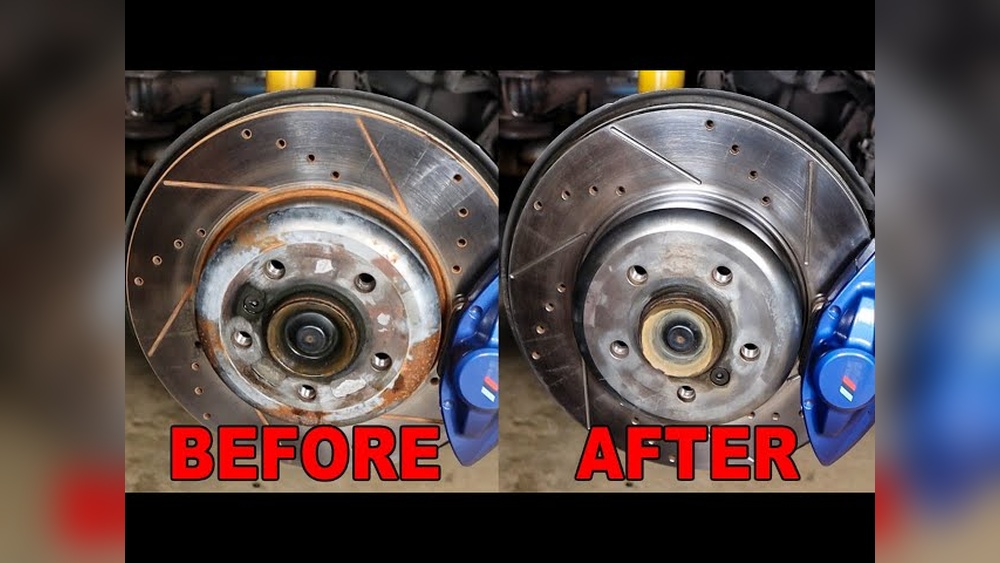
You just got new brake rotors, and you want to make sure they perform at their best. But did you know that cleaning your new rotors properly before installation can make a huge difference?
If you skip this crucial step, you might face issues like brake noise, uneven wear, or reduced stopping power. Don’t worry—cleaning your brake rotors is easier than you think. In this guide, you’ll learn simple, effective steps to get your rotors ready for the road.
Keep reading to protect your brakes and enjoy smoother, safer rides every time.
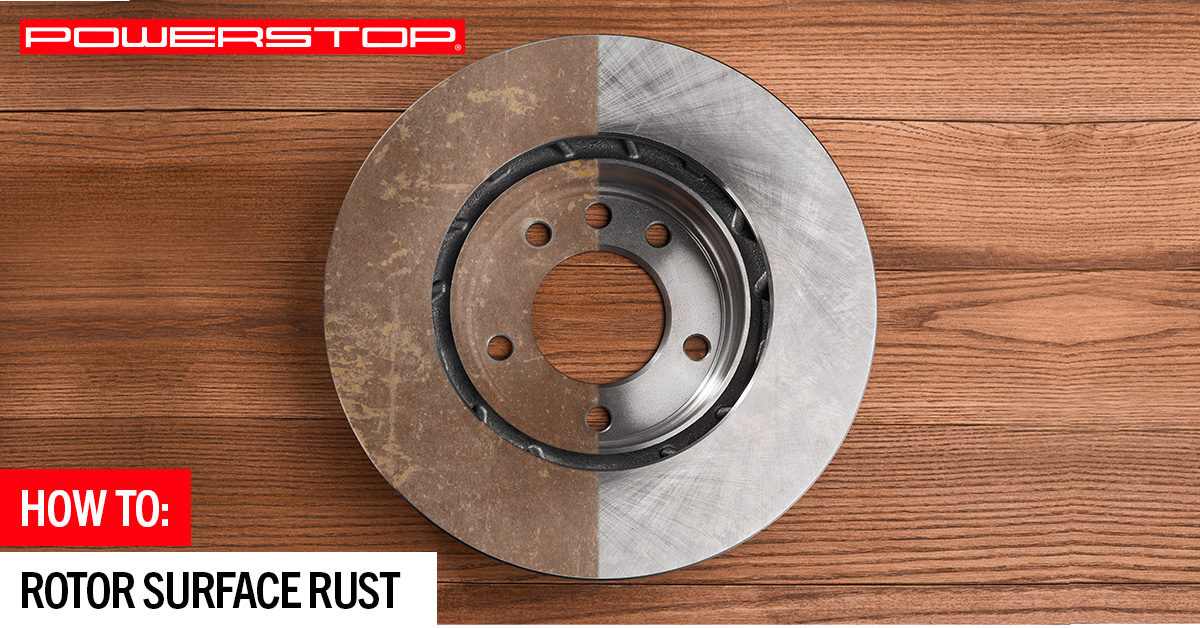
Credit: www.powerstop.com
Why Clean New Rotors
Cleaning new brake rotors is an important step before installation. New rotors come with oils and dust from the factory. These substances protect the metal during shipping but can affect brake performance. Removing these residues ensures your brakes work safely and smoothly right from the start.
Manufacturing Residue And Its Impact
New rotors have a thin layer of oil or grease. This coating prevents rust while stored. Dirt and dust can stick to this oily layer. If not cleaned, these residues can reduce friction between the rotor and brake pads. This leads to poor braking and longer stopping distances. It can also cause brake noise and uneven pad wear.
Benefits Of Proper Cleaning
Cleaning rotors removes oils and contaminants. This improves the contact between rotors and pads. Better contact means stronger, more reliable braking power. It also helps brake pads wear evenly. Clean rotors reduce noise and vibration during braking. Overall, cleaning new rotors improves safety and extends brake life.
Credit: www.myautorepairadvice.com
Tools And Materials Needed
Cleaning new brake rotors requires the right tools and materials. Using proper items helps remove oils and dirt. This prevents brake noise and ensures good performance. Prepare everything before starting the cleaning process. This saves time and avoids mistakes.
Cleaning Solutions
Use a brake cleaner spray made for rotors. It quickly removes grease and residue. Avoid regular household cleaners, as they can leave harmful films. Some people use isopropyl alcohol for extra cleaning. Always choose a product that dries fast and leaves no residue.
Cloths And Brushes
Soft, lint-free cloths work best for wiping rotors. Avoid rough towels that can scratch the surface. Use a small brush or toothbrush to reach tight spots. A clean brush helps remove stuck dirt without damage. Keep extra cloths handy for drying after cleaning.
Safety Gear
Wear safety glasses to protect your eyes from sprays. Use gloves to keep chemicals off your skin. Work in a well-ventilated area to avoid breathing fumes. Proper safety gear keeps you safe during the cleaning process. Safety is always the first step in any car work.
Preparing Your Workspace
Preparing your workspace is the first step to clean new brake rotors safely and efficiently. A tidy and well-organized area helps you work faster and avoid mistakes. It also keeps you safe from accidents. Take time to set up your workspace before starting.
Safe Lifting Techniques
Lift the vehicle carefully using a strong jack. Place jack stands under the car to support it firmly. Never rely on the jack alone. Keep the car on a flat, solid surface. Wear gloves to protect your hands. Avoid sudden movements while lifting or lowering the vehicle.
Organizing Tools
Gather all tools before starting the job. Keep wrenches, sockets, and screwdrivers within easy reach. Use a tray or box to hold small parts. Clean tools make the job easier and safer. Check for any broken or worn tools and replace them. A neat workspace reduces stress and saves time.

Credit: www.youtube.com
Step-by-step Cleaning Process
Cleaning new brake rotors is important before installation. Dirt, oil, and coatings can affect brake performance and safety. Follow this simple step-by-step process to clean your new rotors effectively. Each step helps remove unwanted layers and prepares the rotor for use.
Removing Protective Coatings
New brake rotors often have a protective oil or coating. This layer prevents rust during storage. Use a clean rag or paper towel to wipe off this coating. Avoid touching the rotor with bare hands after cleaning. Oils from your skin can harm the rotor surface.
Applying Cleaning Agents
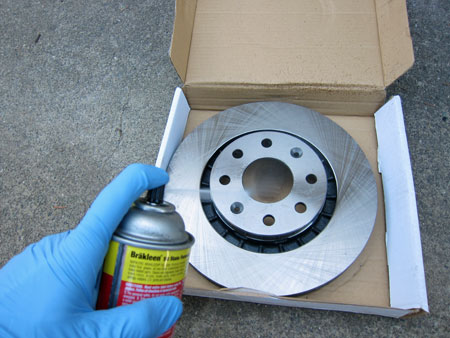
Use a brake cleaner spray to remove any remaining oil or dirt. Spray the cleaner evenly on the rotor surface. Let the cleaner sit for a few seconds to break down residues. Avoid using harsh chemicals that can damage the rotor.
Wiping And Drying
After applying the cleaner, wipe the rotor with a clean cloth. Make sure to remove all moisture and cleaner residue. Allow the rotor to air dry completely before installation. A dry rotor ensures better brake pad contact and safety.
Common Mistakes To Avoid
Cleaning new brake rotors is key to their performance and lifespan. Avoiding common mistakes helps keep the rotors safe and effective. Small errors can cause damage or reduce brake power. Follow the right steps and use proper care.
Using Harsh Chemicals
Harsh chemicals can harm the rotor’s surface. They may cause corrosion or weaken the metal. Use only mild cleaners made for brake parts. Avoid products with acids or strong solvents. These can leave harmful residues that affect braking.
Skipping Drying Steps
Water left on rotors leads to rust. Always dry rotors completely after cleaning. Use a clean cloth or let them air dry in a dust-free place. Wet rotors can cause noise and reduce brake grip. Never install rotors while they are wet.
Post-cleaning Tips
Cleaning new brake rotors is just the first step to ensure safe driving. Post-cleaning care plays a key role in keeping your brakes effective and long-lasting. Proper handling after cleaning helps avoid damage and improves performance.
Proper Bedding In Of Rotors
Bedding in new rotors is vital. It means gently breaking in the surface for smooth contact with brake pads. Start by driving slowly and applying brakes lightly. Repeat this several times to create an even layer on the rotor.
This process prevents uneven wear and noise later. Avoid hard stops during the first 100 miles. Let the rotors cool between braking to avoid warping. Proper bedding helps your brakes work better and last longer.
Regular Maintenance Advice
Keep rotors clean and free of rust with regular checks. Inspect for dust, dirt, and brake pad residue. Clean rotors with a brake cleaner spray when needed. Check brake pads for wear and replace them on time.
Listen for unusual noises or vibrations while braking. These signs might indicate rotor issues. Regular maintenance saves money and ensures safety on the road. Stay alert and care for your brake system often.
Frequently Asked Questions
How Do You Clean New Brake Rotors Properly?
To clean new brake rotors, use brake cleaner spray and a clean rag. Avoid touching the surface with bare hands. Wipe thoroughly to remove oils and contaminants. This ensures better brake pad adhesion and prevents noise or vibration.
Why Should You Clean New Brake Rotors Before Installation?
Cleaning removes protective oils and residues from manufacturing. These substances can reduce braking efficiency and cause noise. Proper cleaning ensures optimal brake performance and safety right from installation.
What Materials Are Best For Cleaning Brake Rotors?
Use brake cleaner spray, lint-free cloth, or paper towels. Avoid using oil-based or abrasive cleaners. These materials safely remove contaminants without damaging the rotor surface.
Can You Use Household Cleaners On Brake Rotors?
No, household cleaners often leave residues or damage rotors. Always use brake-specific cleaners designed to remove oils and dirt safely. This protects rotor integrity and braking performance.
Conclusion
Cleaning new brake rotors helps your brakes work better and last longer. Dirt and oils can reduce stopping power. A quick wipe with brake cleaner and a cloth does the trick. Keep safety in mind and take your time. Clean rotors mean smoother, safer drives.
Simple steps make a big difference in brake performance. Try this before installing new rotors to avoid problems later. Your car will thank you with quiet, strong braking every time.


