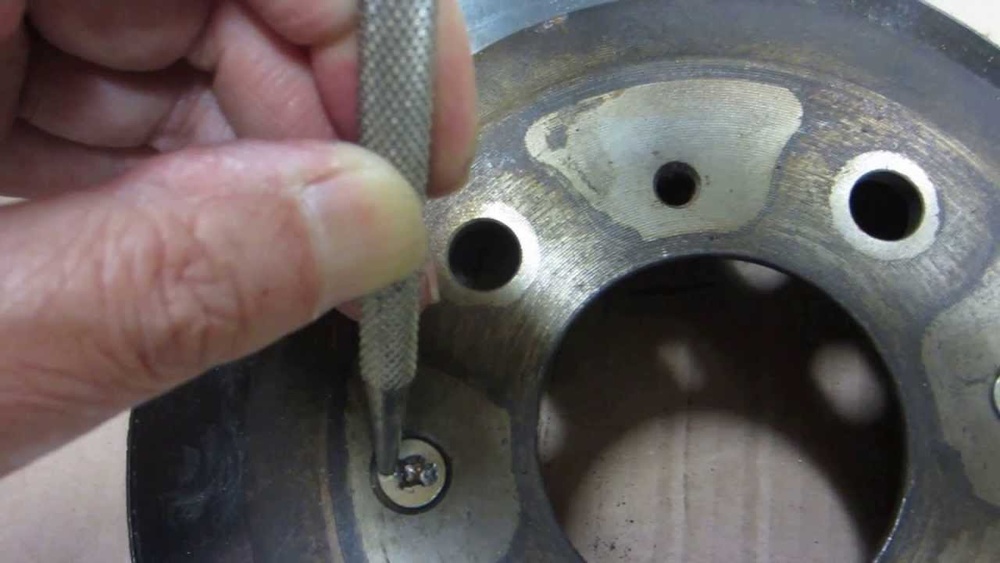
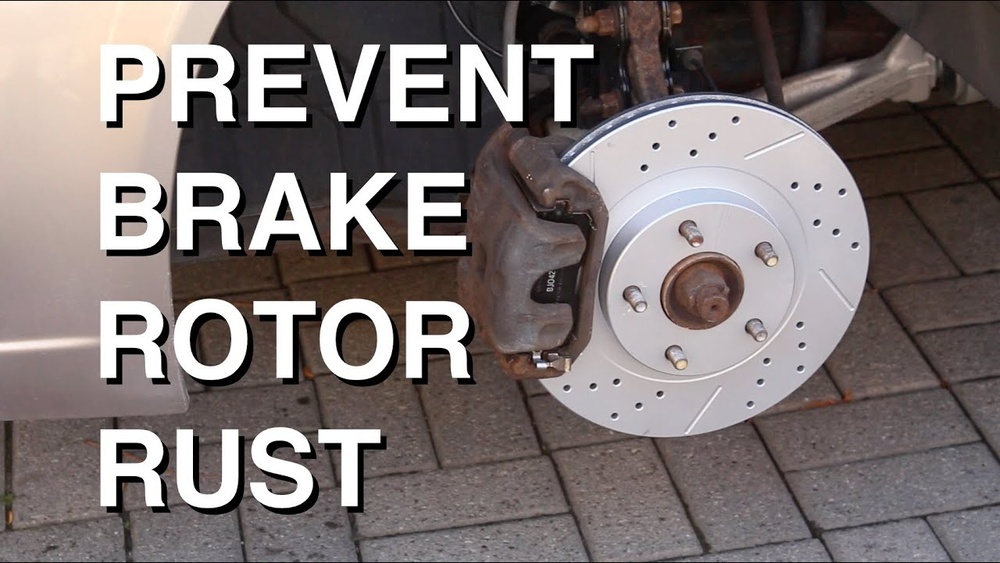
If you’ve ever tried to remove rusted brake rotors, you know how frustrating it can be when they just won’t budge. Rust can make your job harder, and without the right approach, you might damage your vehicle or waste hours of effort.
But don’t worry—getting those stubborn rotors off doesn’t have to be a nightmare. You’ll discover simple, effective techniques to loosen rusted brake rotors safely and quickly. Stick with me, and you’ll save time, avoid costly mistakes, and get your brakes back in top shape faster than you thought possible.
Causes Of Rusted Brake Rotors
Rusted brake rotors are a common problem for many drivers. Rust forms on rotors due to several reasons. Knowing these causes helps you prevent damage and maintain your brakes well.
Exposure To Moisture
Moisture is the main cause of rust on brake rotors. Water from rain, snow, or washing your car stays on the metal surface. This moisture reacts with iron in the rotors and forms rust. Even humidity in the air can cause rust to build up over time.
Infrequent Vehicle Use
Cars that sit unused for long periods develop rust faster. When you don’t drive often, the rotors do not get a chance to clean themselves. Braking action scrapes off light rust. Without regular use, rust builds up and sticks tightly to the surface.
Environmental Factors
Environmental conditions also affect rotor rust. Salt on roads during winter speeds up rusting. Coastal areas with salty air cause faster corrosion. Dirt and dust can trap moisture and worsen rust formation on rotors.
Safety Precautions Before Removal
Removing rusted brake rotors can be dangerous without the right safety steps. Rust weakens metal and makes parts hard to move. This can cause slips or sudden breaks. Taking safety precautions protects your hands, eyes, and body. It also keeps the vehicle stable to avoid accidents. Follow these steps to stay safe during removal.
Gathering Protective Gear
Wear safety glasses to shield your eyes from rust flakes. Use gloves to protect your hands from sharp edges. Long sleeves help prevent skin scratches. Consider a dust mask to avoid breathing rust particles. Proper gear lowers injury risks during the work.
Ensuring Vehicle Stability
Park the car on a flat surface. Apply the parking brake firmly. Place wheel chocks behind opposite tires. Use a sturdy jack stand to support the car. Never rely on a jack alone. Stability keeps the vehicle from moving unexpectedly.
Tools Needed For Removal
Removing rusted brake rotors requires specific tools. These tools make the job easier and safer. Having the right tools helps you avoid damage and save time. Here is a list of basic and specialized tools needed for removal.
Basic Hand Tools
Start with simple hand tools. A lug wrench is essential to remove the wheel nuts. Use a socket set to take off bolts holding the rotor. A breaker bar helps loosen tight bolts. Hammer or rubber mallet is useful to tap the rotor loose. Wire brush cleans off rust and debris from the rotor surface.
Specialized Equipment
Sometimes basic tools are not enough. A rotor puller can help remove stuck rotors safely. Penetrating oil sprays loosen rusted parts. A heat gun or propane torch heats the rotor to expand metal. This breaks the rust bond. A torque wrench ensures bolts are tightened correctly during reassembly.
Step-by-step Removal Process
Removing rusted brake rotors can be tough. Rust sticks the rotor to the hub tightly. This step-by-step guide helps you remove it safely. Follow these steps carefully for best results.
Loosening Lug Nuts
Start by loosening the lug nuts on the wheel. Use a lug wrench to turn them counterclockwise. Do this while the car is still on the ground. This prevents the wheel from spinning. Do not remove the nuts completely yet.
Removing The Wheel
Next, jack up the car using a car jack. Make sure the car is stable. Remove the loosened lug nuts fully. Pull the wheel straight off the hub. Place the wheel aside carefully.
Detaching The Brake Caliper
Locate the brake caliper over the rotor. Use a wrench to remove the bolts holding it. Lift the caliper away gently. Do not let it hang by the brake hose. Use a hook or rope to hold it up.
Freeing The Rusted Rotor
The rotor might be stuck due to rust. Tap the rotor edges gently with a rubber mallet. Use penetrating oil around the hub and rotor. Let it sit for a few minutes. Tap again to break the rust seal. Pull the rotor off carefully. Use a small pry bar if needed.
Techniques To Loosen Stuck Rotors
Rusted brake rotors can be tough to remove. Rust binds the rotor tightly to the hub, making it hard to pull off. Several simple methods help break the rust bond. These techniques use basic tools and materials you can find at home or a local store.
Start gently and increase force carefully. Patience is key to avoid damage. Try these easy ways to loosen stuck rotors quickly and safely.
Using Penetrating Oil
Spray penetrating oil around the rotor hub. Let it soak for 15 to 30 minutes. The oil seeps into rusted areas, loosening the bond. Use a brush or cloth to spread it well. Repeat if the rotor does not move easily. Penetrating oil works best before other methods.
Tapping With A Rubber Mallet
Use a rubber mallet to tap the rotor edges. Tap lightly at first, increasing force gradually. This vibration breaks rust and frees the rotor. Avoid using a metal hammer to prevent damage. Tap evenly around the rotor to loosen it all around. Check the rotor’s movement after each tapping round.
Applying Heat Safely
Heat expands metal and helps break rust bonds. Use a heat gun or propane torch carefully. Heat the rotor hub area for a few minutes only. Avoid overheating or touching brake parts with flame. Let the rotor cool slightly before trying to remove it. Heat can make rust easier to break with tapping or pulling.
Credit: www.youtube.com
When To Replace Vs. Clean Rotors
Deciding whether to replace or clean rusted brake rotors is key for safe driving. Rotors can sometimes be saved with cleaning, but other times they need replacement. Knowing the difference helps avoid damage and extra costs.
Assessing Rotor Condition
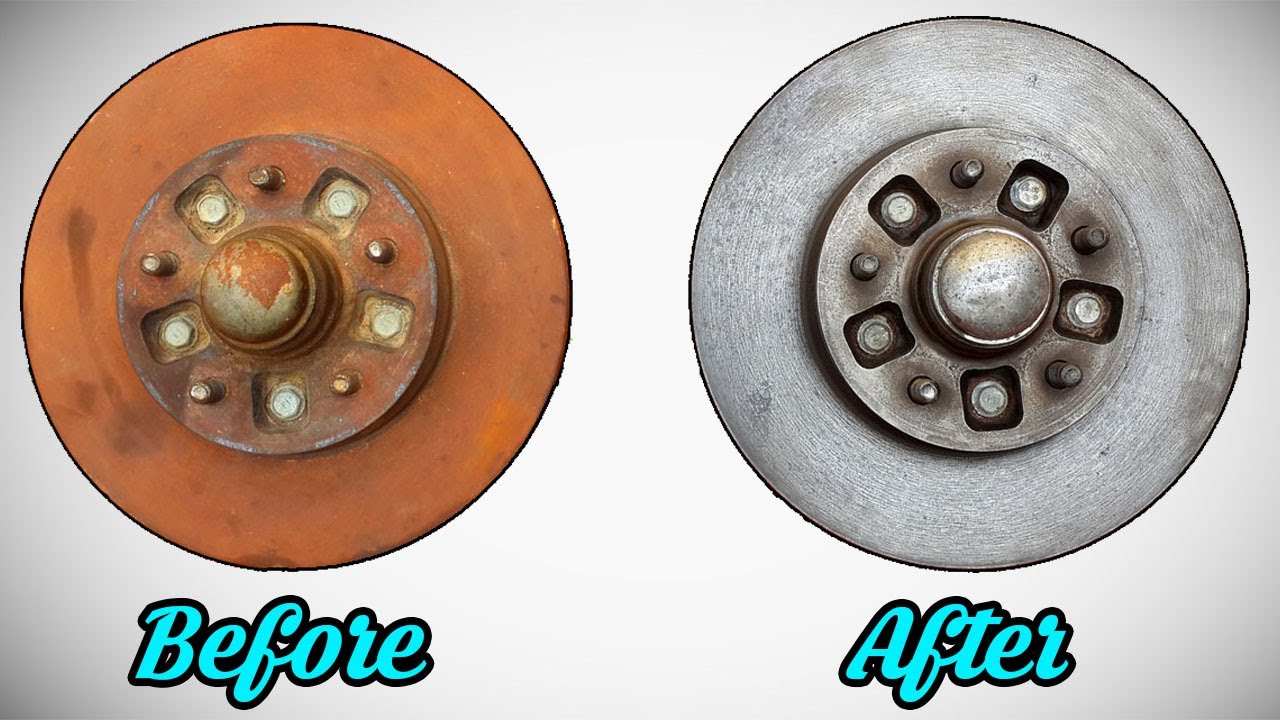
Start by inspecting the rotor surface closely. Light rust or dirt can often be cleaned off with a wire brush or sandpaper. Check for smoothness. If the rotor feels rough or uneven, cleaning might not fix it.
Also, measure the rotor thickness. Use a micrometer or caliper to check if it meets the manufacturer’s minimum thickness. Rotors thinner than this limit need replacement.
Signs Of Irreparable Damage
Deep grooves or cracks on the rotor surface show serious damage. These cannot be fixed by cleaning. Warped rotors cause vibrations and affect brake performance. Excessive rust pitting weakens the metal and needs replacement.
Listen for unusual noises while braking. Squealing or grinding often means rotor damage. If the rotor has these signs, replacement is safer than cleaning.
Preventing Future Rust Build-up
Preventing rust on brake rotors keeps your brakes safe and working well. Rust forms when moisture meets metal. Stopping rust early saves time and money. Simple habits and care can protect your rotors for a long time.
Regular Maintenance Tips
Check your brake rotors often for any signs of rust. Clean them gently with a wire brush or brake cleaner. Avoid letting dirt and salt sit on the rotors. Change brake pads as needed to avoid extra wear. Keep your car in a dry place when possible.
Protective Coatings
Apply anti-rust sprays or high-temperature paint on the rotors. These coatings block moisture and slow down rust. Make sure the rotors are clean before applying any coating. Reapply coatings after washing the car or heavy rain. Use products made for brake parts to avoid damage.
Driving Habits To Avoid Rust
Drive your car regularly to prevent moisture build-up. Avoid parking near water or in damp areas for long times. After driving in rain or snow, brake lightly to dry the rotors. Avoid harsh braking that wears down rotors quickly. Keep your driving smooth and steady for longer rotor life.

Credit: www.reddit.com
Credit: www.reddit.com
Frequently Asked Questions
How Do I Remove Rusted Brake Rotors Safely?
To remove rusted brake rotors safely, use penetrating oil and let it soak. Then, gently tap the rotor with a rubber mallet. Always wear protective gloves and eye protection. Avoid using excessive force to prevent damage to the wheel hub.
What Tools Are Needed To Remove Rusted Brake Rotors?
You need a lug wrench, penetrating oil, a rubber mallet, and a socket set. A wire brush helps clean rust off surfaces. Safety gloves and glasses are essential for protection during the process.
Can Rusted Rotors Be Reused After Removal?
Light surface rust can be cleaned, and rotors reused if thickness is adequate. Deep rust or pitting may require rotor replacement. Always measure rotor thickness and inspect for damage before reuse.
How Long Does It Take To Remove Rusted Brake Rotors?
Removing rusted brake rotors usually takes 15 to 30 minutes. Time depends on rust severity and tool availability. Proper preparation and patience make the process smoother and safer.
Conclusion
Removing rusted brake rotors takes patience and the right tools. Use penetrating oil and gentle tapping to loosen stuck rotors. Avoid rushing to prevent damage. Keep safety in mind during the process. Regular maintenance helps prevent rust build-up. Clean and inspect parts before reassembly.
Taking these steps makes your brake repair easier and safer. Simple care keeps your brakes working well longer. Stay calm, work carefully, and your car will thank you.