

Are you wondering how much pressure is just right for washing your car? Using too little pressure might leave dirt behind, while too much can damage your paint or trim.
Finding the perfect balance is key to keeping your car spotless and safe. You’ll discover exactly what pressure levels work best for different parts of your vehicle and how to avoid common mistakes. Keep reading to make sure your next car wash gives your ride that fresh, shining look without any harm.
Credit: www.turtlewax.com
Ideal Pressure Range
Choosing the right pressure for a car wash is very important. It helps clean the car well without causing any damage. Too low or too high pressure can cause problems. Finding the ideal pressure range keeps your car safe and shiny.
The best pressure for washing a car usually falls between 1200 and 1900 PSI (pounds per square inch). This range is strong enough to remove dirt but gentle enough to protect the paint and parts.
Low Pressure Benefits
Low pressure is easy on your car’s paint and decals. It reduces the risk of scratches or paint peeling. It uses less water, which is good for the environment. Low pressure also works well on delicate areas like mirrors and antennas. It is safer for older cars with worn paint.
High Pressure Risks
High pressure can damage your car’s surface. It may strip away paint and harm seals around windows. It can push water into places where it causes rust. High pressure might also break small parts or loosen decals. Using very high pressure needs care and skill to avoid harm.
Types Of Pressure Washers
Pressure washers come in different types. Each type suits different cleaning needs. Choosing the right one helps clean your car safely and well.
Two main types are electric and gas models. They differ in power, noise, and use. Understanding these helps pick the best washer for your car wash.
Electric Vs Gas Models
Electric pressure washers are quieter and lighter. They work well for small to medium tasks. These models are easier to use and store.
Gas pressure washers are stronger and more powerful. They handle tough jobs and larger areas. These machines are louder and heavier but clean faster.
Electric models need a power outlet nearby. Gas models run on fuel and work anywhere. Both can wash cars, but gas gives more pressure.
Pressure Levels Explained
Pressure is measured in PSI (pounds per square inch). Car washes need moderate pressure to avoid damage. Too much pressure can harm paint and trim.
Electric washers usually offer 1,200 to 2,000 PSI. Gas washers provide 2,000 to 3,000 PSI or more. Lower PSI is safer for delicate surfaces.
Choose a pressure level that cleans without causing harm. Use nozzles and settings to control water force. This keeps your car’s finish smooth and intact.
Pressure Settings For Car Surfaces
Choosing the right pressure for washing different car surfaces is key. Too much pressure can damage delicate parts. Too little pressure may leave dirt behind. Knowing the correct settings protects your car and cleans it well.
Each surface needs a specific pressure level. This helps remove dirt without causing harm. Let’s explore the best pressure settings for paint, glass, tires, and wheels.
Paint And Clear Coat
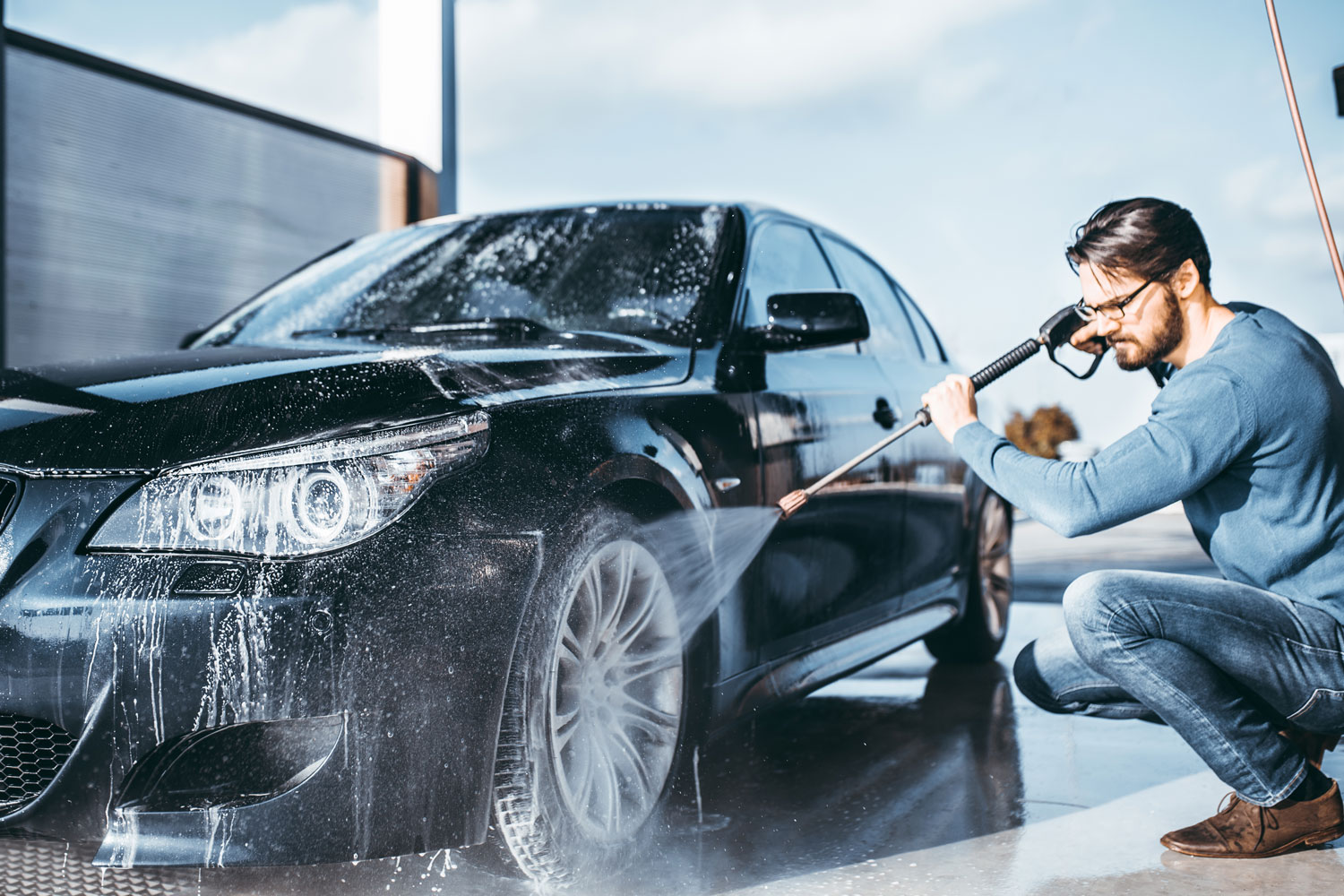
Paint and clear coat are sensitive to high pressure. Use a low setting, around 1200 to 1900 PSI. This avoids scratches and paint peeling. Keep the nozzle at least 12 inches away. Use a wide spray pattern for gentle cleaning.
Glass And Mirrors
Glass and mirrors require moderate pressure. Set your washer between 1400 and 2000 PSI. This removes dirt and grime without cracking. Hold the spray steady and avoid close range. Always spray at an angle to prevent water spots.
Tires And Wheels
Tires and wheels can handle higher pressure. Use 2000 to 3000 PSI for tough brake dust and mud. Focus the spray directly on dirty areas. Avoid spraying brake components or wheel bearings. Rinse thoroughly to remove all residue.
Credit: www.capitalone.com
Choosing The Right Nozzle
Choosing the right nozzle is key for a good car wash. It controls water pressure and spray pattern. This affects cleaning power and car safety. Using the wrong nozzle can damage paint or leave dirt behind. Nozzles come in different types and angles. Each has a specific use for car washing.
Nozzle Angles And Effects
Nozzle angles change how water hits the car surface. A narrow angle means a strong, focused spray. This is good for tough dirt but can harm paint if too close. A wide angle gives a gentle, spread-out spray. It covers more area and is safer on paint. Common angles include 0°, 15°, 25°, and 40°. The smaller the angle, the stronger the spray.
Use a 25° or 40° nozzle for most car washing tasks. These angles clean well without risking damage. Save narrow angles for hard spots, but keep distance. Spray at an angle, not straight on, to protect the paint.
Recommended Nozzles For Cars
Soft spray nozzles work best for cars. They use 25° or 40° angles. These nozzles remove dirt gently and evenly. Avoid 0° or 15° nozzles for full car washing. They are too strong and can cause scratches or paint chips.
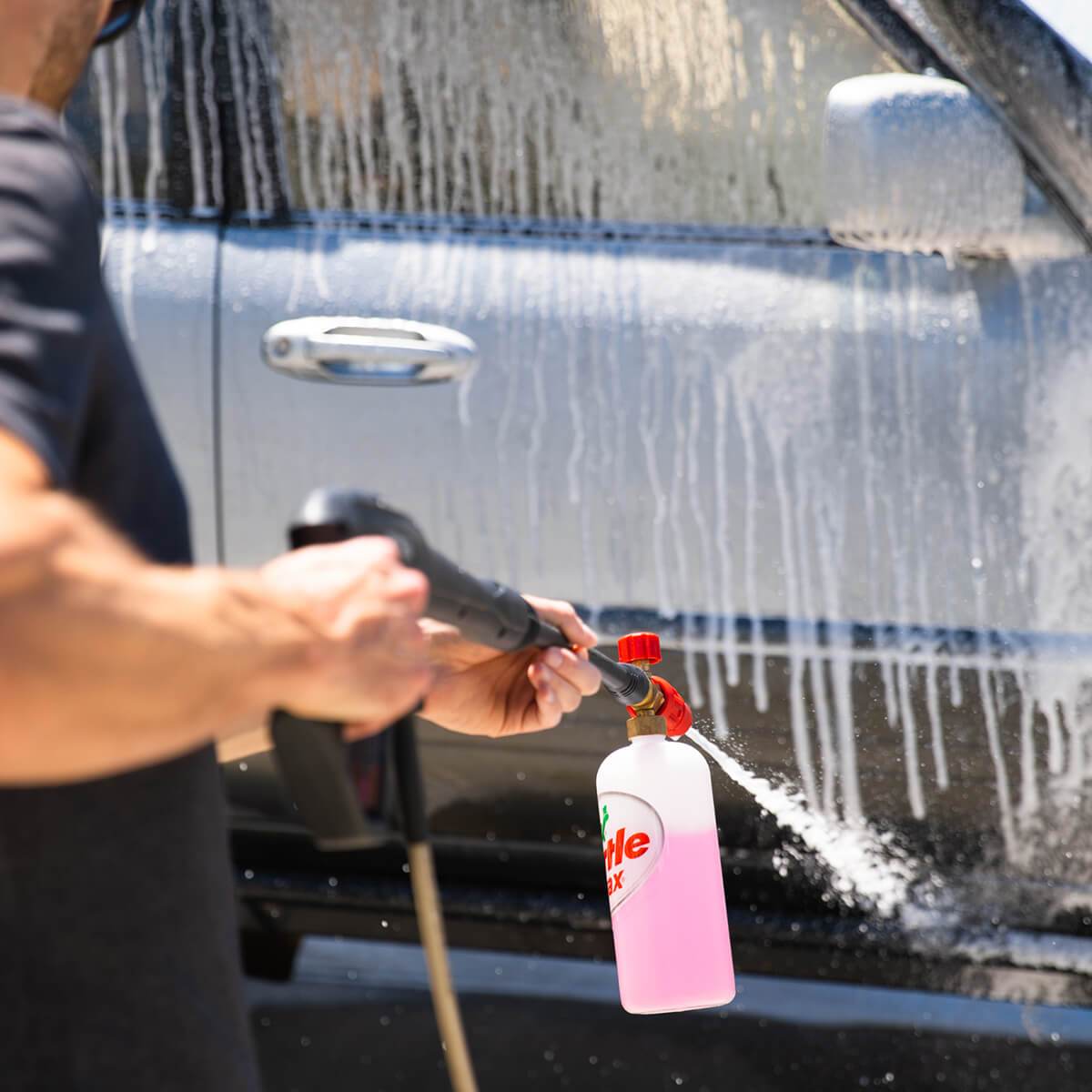
A soap nozzle is also useful. It sprays foam or detergent at low pressure. This helps loosen dirt before rinsing. Use a rinse nozzle with a wider angle for the final wash. This removes soap without harming the surface.
Step-by-step Washing Process
Cleaning your car with the right pressure is important. Too much pressure can hurt the paint. Too little pressure won’t clean well. Follow this step-by-step washing process for the best results. It helps protect your car and keeps it shiny.
Pre-rinse Techniques
Start by rinsing your car with water. Use a low to medium pressure setting. This removes loose dirt and dust. Avoid spraying too close to the surface. Hold the nozzle about 2 feet away. Rinse from top to bottom for best effect.
Applying Soap Safely
Use a car wash soap, not dish soap. Mix the soap with water in a bucket. Apply the soap with a soft sponge or mitt. Work in small sections to avoid drying. Use gentle circular motions to clean. Keep the soap wet to prevent scratches.
Final Rinse Tips
Rinse the soap off with low pressure water. Spray from top to bottom again. Check for soap spots and rinse them fully. Dry your car with a clean microfiber cloth. This stops water marks and streaks. Proper rinsing leaves your car sparkling clean.
Credit: washh.com
Common Mistakes To Avoid
Car washing requires the right pressure to clean effectively without harm. Many people make mistakes that damage their vehicle’s paint or parts. Avoiding these errors helps keep your car looking new longer.
Excessive Pressure Damage
Using too much pressure is a common error. High-pressure water can chip paint and scratch surfaces. It may also force water into places it should not reach. Keep pressure at a safe level to protect your car’s finish.
Ignoring Vehicle Delicate Areas
Some car parts need extra care. Soft trim, mirrors, and decals can get damaged by strong pressure. Avoid spraying these spots directly. Use a gentler setting or clean by hand near delicate areas.
Maintenance After Washing
Maintenance after washing is essential to keep your car looking fresh and new. Washing removes dirt and grime, but the work is not done yet. Proper care after washing protects your car’s paint and finish. It also helps avoid water spots and damage from the sun.
Drying Methods
Drying your car right stops water spots from forming. Use a clean, soft microfiber towel to dry the surface gently. Avoid rough towels that can scratch the paint. Pat dry instead of rubbing hard. Air drying leaves spots and streaks. A leaf blower or a car dryer helps remove water from hard-to-reach places.
Protective Coatings
Applying protective coatings keeps your car shiny longer. Wax or sealant forms a barrier on the paint. This barrier repels water and dirt. It also protects against UV rays that fade paint. Use a quality product made for your car type. Reapply coatings every few months for best results. This simple step maintains the car’s fresh appearance.
Environmental Considerations
Car washing uses water and chemicals that affect the environment. Choosing the right pressure and products can reduce harm. Small changes help save water and protect nature.
Understanding environmental effects is key for a cleaner car and planet.
Water Usage Tips
Use a pressure washer instead of a garden hose. It saves water by cleaning faster. Turn off water while soaping or scrubbing. Wash your car on grass or gravel to absorb water. Avoid washing on streets to stop pollution in drains.
Eco-friendly Detergents
Pick detergents labeled biodegradable or phosphate-free. These break down naturally and do less harm. Avoid harsh chemicals that pollute water and soil. Use small amounts of soap for effective cleaning. Choose products safe for plants and animals nearby.
Frequently Asked Questions
What Pressure Is Ideal For A Car Wash?
The ideal pressure for a car wash is between 1200 to 1900 PSI. This range effectively removes dirt without damaging the paint. Using pressure beyond this can harm your vehicle’s surface.
Can High Pressure Damage My Car Paint?
Yes, high pressure above 2000 PSI can strip paint and cause scratches. Always use moderate pressure to protect your car’s finish during washing.
What Pressure Should I Use For Delicate Car Parts?
For delicate parts like mirrors and trim, use pressure below 1200 PSI. Lower pressure prevents damage to sensitive areas while cleaning effectively.
Is Pressure Washer Necessary For A Clean Car?
A pressure washer helps remove tough dirt quickly but isn’t mandatory. Proper hand washing can achieve good results without risking damage from high pressure.
Conclusion
Choosing the right pressure for a car wash protects your paint. Too much pressure can cause damage. Too little may not clean well. Aim for a balanced pressure between 1200 and 1900 PSI. Always test on a small area first.
Use the right nozzle for better control. Clean your car gently to keep it looking new. Proper pressure keeps your car safe and shiny. Remember, careful washing leads to a longer-lasting finish. Simple steps make a big difference in car care.


