Want your car to look spotless without risking damage? Pressure washing is a quick and effective way to clean your vehicle, but if done wrong, it can cause scratches or even dents.
In this guide, you’ll learn exactly how to properly pressure wash your car step-by-step. Follow these simple tips to protect your paint and get that fresh, showroom shine every time. Keep reading to discover the secrets to a perfect pressure wash that your car will thank you for!

Credit: www.youtube.com
Choosing The Right Pressure Washer
Choosing the right pressure washer is key to cleaning a car safely and effectively. Not all pressure washers suit car surfaces. Using the wrong one can damage paint or trim. Picking the right type and settings helps protect the vehicle. It also makes washing easier and faster.
Types Of Pressure Washers
Electric and gas pressure washers are common choices. Electric washers are lighter and quieter. They work well for small to medium cars. Gas washers offer more power but are heavier. They fit bigger vehicles or tough dirt. Choose an electric washer for gentle cleaning. Pick a gas washer for strong cleaning tasks.
Recommended Pressure Settings For Cars
Pressure level matters a lot. Too high pressure can harm the car’s paint. Aim for 1200 to 1900 PSI for washing cars. This range cleans dirt without damage. Use lower pressure for delicate areas. Adjust settings based on dirt level and car type. Keep water temperature moderate to avoid paint issues.
Essential Accessories
Nozzle types affect cleaning power and spray shape. A 25-degree nozzle is good for general washing. A 40-degree nozzle covers wide areas gently. Avoid narrow, high-pressure nozzles near paint. Use foam cannon accessories for soap application. Extension wands help reach undercarriage and roof. These tools improve cleaning quality and safety.
Preparing Your Car For Pressure Washing
Preparing your car for pressure washing is a key step for a safe and effective clean. It helps avoid damage and ensures the best results. Taking time to prepare your car saves effort later. Follow simple steps before using the pressure washer. This section guides you through the process.
Removing Loose Dirt And Debris
Start by removing loose dirt and debris from your car’s surface. Use a soft brush or a broom to sweep off dust, leaves, and twigs. This prevents scratching the paint during pressure washing. Pay special attention to the wheels and lower parts. Removing loose dirt first makes washing easier and more thorough.
Protecting Sensitive Areas
Cover sensitive areas before pressure washing to avoid damage. Use plastic bags or waterproof tape on door seals, mirrors, and air vents. Avoid spraying directly at electrical parts like the battery or engine bay. Protecting these areas prevents water from entering and causing issues. Small steps keep your car safe during cleaning.
Gathering Cleaning Supplies
Collect all needed cleaning supplies before starting. You will need a pressure washer, car soap, microfiber cloths, and a soft brush. Choose car soap made for pressure washers to protect your paint. Having everything ready makes the washing process smooth and quick. Organize your supplies in one place near your car.
Setting Up The Pressure Washer
Setting up the pressure washer properly is the first step to a clean car. It helps protect your vehicle’s paint and ensures effective washing. Follow these simple steps to prepare your pressure washer before starting.
Connecting To Water Source
Attach the garden hose firmly to the pressure washer’s water inlet. Make sure the connection is tight to avoid leaks. Turn on the water supply fully. Check for a steady water flow to the machine. This prevents damage to the pump and ensures consistent pressure.
Adjusting Nozzle And Pressure
Select a nozzle with a wide spray angle, such as 25 or 40 degrees. This reduces the risk of paint damage. Adjust the pressure to a lower setting, typically under 1200 PSI for cars. Test the spray on a small, hidden spot first. Increase pressure only if needed.
Safety Precautions
Wear safety goggles to protect your eyes from debris. Avoid pointing the spray at people, pets, or electrical outlets. Keep the power cord and hose away from water pools. Never use a ladder with a pressure washer. Stand on solid ground to maintain balance.
Step-by-step Pressure Washing Process
Pressure washing your car needs care and the right steps. Follow this process to clean your car safely and well. Start with the dirtiest parts and move to the cleaner areas. This method avoids damage and leaves your car sparkling.
Starting With The Wheels And Tires
Begin with the wheels and tires. They hold most of the dirt and brake dust. Use a wide spray to loosen grime. Hold the pressure washer about 12 inches away. Spray all around each tire and rim. This step stops dirt from spreading to the clean car body later.
Washing The Body Panels
Next, wash the body panels. Use a gentle spray to avoid paint damage. Start at the top and work down. Spray in smooth, even strokes. Keep the nozzle moving to prevent water spots. Focus on doors, hood, and roof. Clean all sides carefully for a uniform shine.
Cleaning Windows And Mirrors
Clean windows and mirrors last. Use a lower pressure setting. Spray from top to bottom to avoid streaks. Wipe with a soft cloth if needed. Avoid strong sprays that can crack glass or damage seals. Clear windows improve visibility and car appearance.
Rinsing Thoroughly
Rinse the entire car well. Use a wide spray to remove soap and dirt. Check for missed spots and spray again. Rinse from top to bottom for best results. A thorough rinse leaves no residue and protects your paint.
Post-wash Car Care
After pressure washing your car, proper care keeps it looking great longer. Dirt and water spots can leave marks if not handled right. Taking time for post-wash care protects the paint and finish. It also helps spot areas that need more cleaning or touch-up. Follow these simple steps for the best results.
Drying Techniques
Start by drying your car with a soft microfiber towel. Avoid air drying to prevent water spots. Use a blotting motion instead of rubbing to protect the paint. Dry all areas, including mirrors, windows, and door jambs. A leaf blower can help remove water in hard-to-reach places.
Waxing And Polishing Tips
Apply wax after drying to add a protective layer. Use a small amount and spread it evenly in circular motions. Let the wax dry to a haze, then buff it with a clean cloth. Polishing removes minor scratches and restores shine. Perform polishing before waxing for the best finish.
Inspecting For Missed Spots
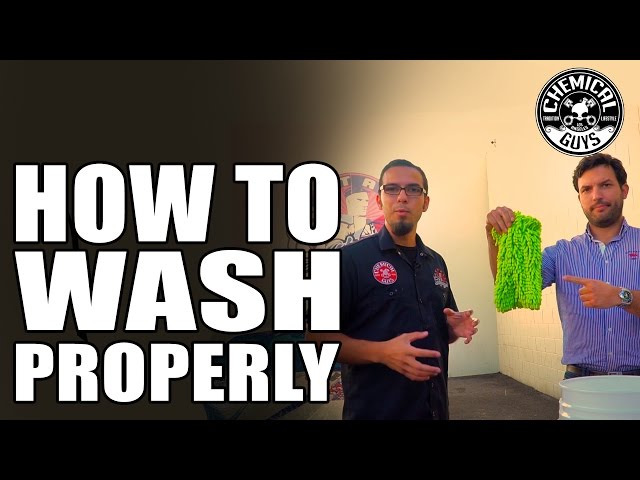
Check your car under sunlight to find missed spots. Look for dirt, water spots, or streaks on the surface. Clean these areas with a quick detailer spray and a microfiber cloth. Pay attention to wheels, grills, and lower panels. Repeat pressure washing only if necessary to avoid paint damage.
Credit: www.youtube.com
Common Mistakes To Avoid
Pressure washing a car can be quick and effective. Yet, many make common mistakes that harm the paint or parts. Avoiding these errors keeps your car safe and looking great. Below are key mistakes to watch out for during pressure washing.
Using Too High Pressure
High pressure can damage your car’s paint and trim. It may cause scratches or peel off paint layers. Always use the correct pressure setting for cars. Lower pressure prevents damage and still cleans well.
Ignoring Sensitive Components
Some parts of a car are fragile. Avoid spraying areas like mirrors, sensors, and seals directly. Water can enter and cause electrical problems or rust. Take care around these parts to keep them safe.
Skipping Protective Measures
Protect your car’s delicate areas before washing. Cover air intakes, exhaust pipes, and electrical parts with plastic. This stops water from entering and causing damage. Use gentle detergents made for cars to protect the finish.
Maintaining Your Pressure Washer
Maintaining your pressure washer is key to keeping it in good shape for car cleaning. Regular care helps the machine work well and last longer. Simple steps prevent damage and costly repairs. A well-kept pressure washer saves time and effort.
Cleaning Nozzles And Hoses
Check nozzles for clogs after each use. Use a small brush or pin to clear dirt. Rinse nozzles with water to remove soap residue. Inspect hoses for cracks or leaks. Replace damaged hoses to avoid pressure loss. Clean hoses with water and mild detergent.
Storage Tips
Store your pressure washer in a dry, shaded place. Avoid direct sunlight to protect plastic parts. Coil hoses loosely to prevent kinks. Drain water from hoses and pump before storing. Use a cover to keep dust and dirt away. Keep the machine away from freezing temperatures.
Routine Maintenance Checks
Check oil levels regularly if your washer has an engine. Change oil as recommended in the manual. Inspect the air filter and clean or replace it. Tighten loose bolts and screws. Test the pressure washer before each use. Look for unusual noises or leaks during operation.

Credit: www.familyhandyman.com
Frequently Asked Questions
How Much Pressure Is Safe For Washing A Car?
Use a pressure washer with 1200 to 1900 PSI for cars. Higher pressure can damage paint and trim. Keep the nozzle at least 12 inches away to avoid harm.
What Detergent Is Best For Pressure Washing Cars?
Choose a car-specific, biodegradable detergent for pressure washing. Avoid harsh chemicals that can strip wax or damage paint. Always rinse thoroughly to remove all soap residue.
Can Pressure Washing Remove Tough Stains From A Car?
Yes, pressure washing can remove dirt, grime, and some stains. However, stubborn stains may require special cleaners or manual scrubbing. Use moderate pressure to protect the vehicle’s surface.
How Often Should You Pressure Wash Your Car?
Pressure wash your car every 1-2 months or as needed. Frequent washing removes dirt and prevents buildup. Avoid overuse to protect paint and finishes.
Conclusion
Pressure washing your car can save time and effort. Use the right pressure setting to avoid damage. Always keep the nozzle moving for an even clean. Start from the top and work downward. Rinse thoroughly to remove all soap and dirt.
Dry your car with a soft cloth to prevent water spots. Regular washing keeps your car looking fresh and protects its paint. Follow these steps for a safe and effective wash every time. Your car will thank you with a shiny, clean finish.