

When your car’s brakes start to feel less responsive or you hear strange noises, you know it’s time for a brake and rotor job. But how long will it actually take?
You’re probably wondering how much time to set aside and what to expect during the process. Understanding the time involved can save you from unnecessary stress and help you plan your day better. Keep reading, and you’ll get clear answers that make your next brake repair simple and hassle-free.
Brake Job Time Factors
The time needed for a brake and rotor job varies widely. Several key factors influence how long the process takes. Understanding these factors helps set realistic expectations for the repair duration. Each vehicle and brake system is unique, affecting the job time.
Type Of Vehicle
Different vehicles have different brake designs. Compact cars usually take less time than trucks or SUVs. Some luxury models need special tools and more careful handling. The size and weight of the vehicle also matter. Bigger vehicles often require more work and time to service brakes.
Brake System Complexity
Simple brake systems are faster to fix. Vehicles with advanced systems, like ABS or electronic parking brakes, take longer. These systems require extra checks and careful reassembly. Complex brake setups may need calibration after parts replacement. This adds to the total time needed for the job.
Condition Of Parts
New or lightly worn parts speed up the job. Rusted or damaged rotors and calipers make the process harder. Stuck bolts and corroded parts increase repair time. Mechanics must spend extra effort removing and cleaning old components. The better the parts’ condition, the quicker the brake job finishes.

Credit: www.htsaves.com
Rotor Replacement Duration
Replacing rotors is a common brake repair task. Knowing how long the job takes helps you plan your day. Rotor replacement duration depends on several factors. These include the number of rotors replaced, resurfacing needs, and available tools. Understanding these aspects gives you a clearer picture of the time involved.
Single Vs. Both Rotors
Replacing one rotor usually takes less time than replacing both. A single rotor replacement might take about 30 to 45 minutes. Changing both rotors can take up to 1.5 hours. This is because the mechanic must remove and install parts on both wheels. Time also varies with the vehicle’s make and model.
Rotor Resurfacing Time
Some rotors can be resurfaced instead of replaced. Resurfacing smooths out the rotor’s surface to fix minor damage. This process adds 20 to 40 minutes to the job. Not all rotors are good candidates for resurfacing. Mechanics check rotor thickness and condition before deciding.
Tools And Equipment
Proper tools speed up rotor replacement. Common tools include a jack, lug wrench, and brake caliper tool. Special machines help with rotor resurfacing. Using the right equipment reduces time and ensures safety. Shops with advanced tools often finish faster than DIY repairs.
Step-by-step Brake And Rotor Replacement
Replacing brakes and rotors is a common car maintenance task. Doing it right keeps your vehicle safe and stops it smoothly. The process has clear steps. Knowing them helps you understand how long the job takes. Each step focuses on important parts. Let’s explore this step-by-step brake and rotor replacement.
Removing The Wheel
First, loosen the lug nuts while the car is on the ground. Then, lift the car with a jack. Remove the lug nuts completely. Take the wheel off and set it aside. This step gives access to the brake parts.
Taking Off Old Brakes
Locate the brake caliper and remove its bolts. Carefully slide the caliper off the rotor. Use a hanger or rope to hold the caliper. Do not let it hang by the brake hose. Then, remove the old brake pads from the caliper bracket. Finally, take off the rotor by pulling it straight off.
Installing New Rotors
Clean the hub surface to remove rust and dirt. Place the new rotor onto the hub carefully. Make sure it sits flush and spins freely. Secure the rotor temporarily with a lug nut to keep it in place.
Fitting New Brake Pads
Check the caliper piston and push it back with a tool. This makes room for the new brake pads. Insert the new pads into the caliper bracket. Align them properly for smooth contact with the rotor. Slide the caliper back over the pads and rotor. Tighten the caliper bolts securely.
Reassembling Components
Remove the temporary lug nut from the rotor. Put the wheel back on the hub. Hand-tighten the lug nuts in a star pattern. Lower the car carefully to the ground. Fully tighten the lug nuts in the same star pattern. Check all bolts and nuts for security before driving.

Credit: www.youtube.com
Professional Vs. Diy Time Estimates
Choosing between professional service and DIY for a brake and rotor job affects time spent. Professionals work faster due to experience and tools. DIY projects take longer, especially for beginners. Understanding these time differences helps set realistic expectations.
Advantages Of Professional Service
Professionals finish brake and rotor jobs quickly. They use specialized tools that speed up the process. Their experience reduces mistakes and rework. A typical job takes about one to two hours. Professionals also check other brake parts during service.
Diy Challenges And Tips
DIY brake jobs often take more time than expected. Beginners may spend several hours learning and working. Common challenges include removing stuck rotors and aligning new parts. Use clear instructions and proper tools to save time. Safety is important; avoid rushing the job.
Typical Timeframes
Professional brake and rotor jobs usually last 1 to 2 hours. DIY jobs can take 3 to 6 hours or more. Time depends on skill level and tool availability. Plan extra time for breaks and unexpected issues. Proper preparation helps complete the job smoothly.
Signs You Need A Brake And Rotor Job
Knowing the signs that indicate you need a brake and rotor job helps keep your car safe. Ignoring these signs can lead to bigger problems and costly repairs. Pay attention to how your brakes sound and feel. Look for any visible damage on the brake parts.
Squeaking And Grinding Noises
Squeaking sounds often mean your brake pads are wearing thin. Grinding noises signal the pads may be completely worn out. This can damage the rotors and reduce braking power. Strange sounds should never be ignored.
Vibration While Braking
Feeling a vibration or shaking when you press the brake pedal is a warning. It usually means the rotors are warped or uneven. This reduces your control and makes stopping harder. A brake and rotor job can fix this problem.
Visible Wear And Damage
Check your brake pads and rotors for cracks, grooves, or thinning. Worn pads look very thin, less than a quarter inch thick. Rotors may show deep grooves or rust. Visible damage means it’s time for repairs or replacements.
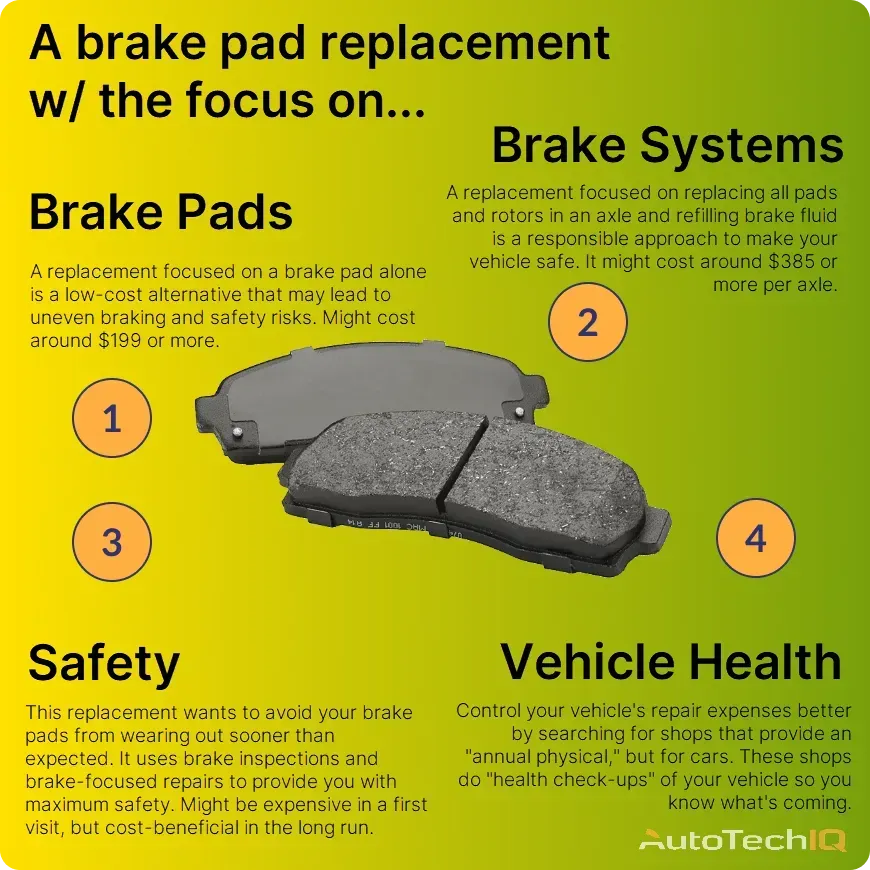
Credit: www.autotechiq.com
Maintaining Brake And Rotor Longevity
Keeping your brakes and rotors in good shape saves time and money. Proper care helps parts last longer and work better. Regular attention avoids early wear and costly repairs.
Simple habits protect your brakes. Small changes in driving and maintenance make a big difference. Learn how to keep your brakes and rotors strong and safe.
Regular Inspections
Check your brakes often. Look for wear on pads and rotors. Listen for strange noises or vibrations. Early signs of trouble appear before big damage. Inspections catch problems early. They keep you safe on the road.
Driving Habits
Drive smoothly to protect brakes and rotors. Avoid hard stops and sudden braking. Slow down gently. High speeds and rough braking wear parts fast. Use engine braking on hills. This reduces stress on the brakes.
Timely Repairs
Fix brake issues quickly. Worn pads damage rotors if ignored. Replace parts as needed. Delaying repairs increases costs and risks. Timely work keeps brakes working well and extends part life.
Frequently Asked Questions
How Long Does A Brake And Rotor Replacement Take?
A typical brake and rotor replacement takes about 1 to 2 hours. Time varies by vehicle type and technician experience. Complex models may take longer. Efficient shops can complete the job faster without sacrificing quality. Always ask your mechanic for a time estimate.
Can I Drive Immediately After Brake And Rotor Service?
Yes, you can drive right after brake and rotor service. However, avoid hard braking for the first 100 miles. This allows new pads and rotors to bed in properly. Follow your mechanic’s advice for safe driving post-service to ensure optimal brake performance.
What Factors Affect Brake And Rotor Job Duration?
Several factors impact job duration, including vehicle make, model, and brake system complexity. Technician experience and shop workload also play roles. If parts need replacement beyond pads and rotors, it will take longer. Proper tools and equipment help speed up the process.
Is A Brake And Rotor Job A Same-day Service?
Most brake and rotor jobs are completed the same day. Standard procedures typically take a couple of hours. However, if parts need ordering or complications arise, it may take longer. Scheduling in advance helps ensure timely service and parts availability.
Conclusion
A brake and rotor job usually takes about one to two hours. The exact time depends on your car’s model and the mechanic’s experience. Regular brake checks help avoid long repair times. Knowing how long the job takes helps you plan better.
Always choose a trusted mechanic for safety and quality. Taking care of brakes keeps your car safe on the road. Simple steps, big safety benefits.


