

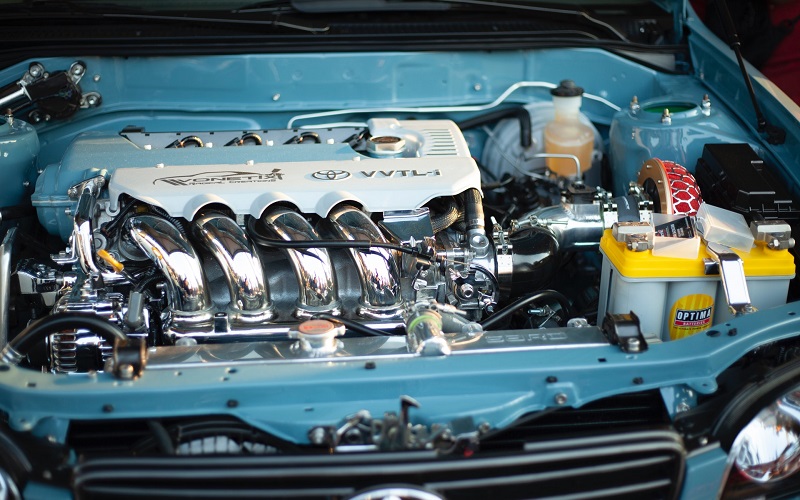
Your car engine works hard every day, and over time, dirt and grime build up where you can’t see. Cleaning your engine isn’t just about looks—it helps your car run cooler and prevents damage.
But how do you pressure wash a car engine safely without causing problems? If you want to learn the right way to do it yourself, keep reading. This guide will show you simple steps to get your engine sparkling clean while protecting its delicate parts.
By the end, you’ll have the confidence to tackle this task like a pro.
Credit: detailxperts.com
Preparing Your Engine
Preparing your engine before pressure washing is essential. It protects parts from damage and ensures a thorough clean. Take time to get everything ready for the best results.
Gathering Necessary Tools
Start by collecting all the tools you need. A pressure washer with adjustable settings works best. Have a soft brush or sponge ready for gentle scrubbing. Use a plastic scraper for tough dirt. Don’t forget gloves and safety glasses to protect yourself.
Covering Sensitive Parts
Protect electrical components and air intakes by covering them. Use plastic bags and tape to seal these areas tightly. This step prevents water from causing damage. Double-check all covers before you start washing.
Choosing The Right Cleaning Products
Pick a cleaner made for engines or automotive use. Avoid harsh chemicals that can harm wires or paint. A degreaser with gentle ingredients works well. Read labels carefully to ensure safety and effectiveness.
Credit: www.youtube.com
Setting Up The Pressure Washer
Setting up the pressure washer correctly is key to cleaning a car engine safely. This step protects delicate engine parts from damage. It also ensures effective dirt and grease removal.
Start by preparing the pressure washer. Check the manual for specific instructions. Make sure the machine is clean and ready for use.
Selecting Suitable Pressure Settings
Choose a low to medium pressure setting. High pressure can damage engine components. A pressure around 1200 to 1900 PSI works well. This pressure removes dirt without harming wires or seals.
Attaching Proper Nozzles
Select a nozzle that spreads water widely. A 25-degree nozzle is a good choice. It reduces water force while covering more area. Avoid narrow nozzles that concentrate pressure on one spot.
Testing Water Flow
Turn on the water and test the flow before washing. Aim the spray away from the engine first. Check that water flows smoothly and evenly. Adjust settings if the spray is too strong or weak.
Cleaning Process
Cleaning a car engine with a pressure washer requires a careful, step-by-step process. Each step ensures the engine is cleaned safely and effectively. Following the right order protects engine parts and removes dirt well.
Pre-rinsing The Engine Bay
Start by removing loose dirt and dust. Use a gentle spray to wet the engine bay. This helps soften grime and makes cleaning easier. Avoid spraying electrical parts directly. Cover sensitive areas with plastic bags for protection.
Applying Degreaser
Choose a good engine degreaser. Spray it evenly over the engine bay. Focus on oily and greasy spots. Let the degreaser sit for 5 to 10 minutes. This breaks down tough grease without harsh scrubbing. Do not let it dry on the surface.
Pressure Washing Techniques
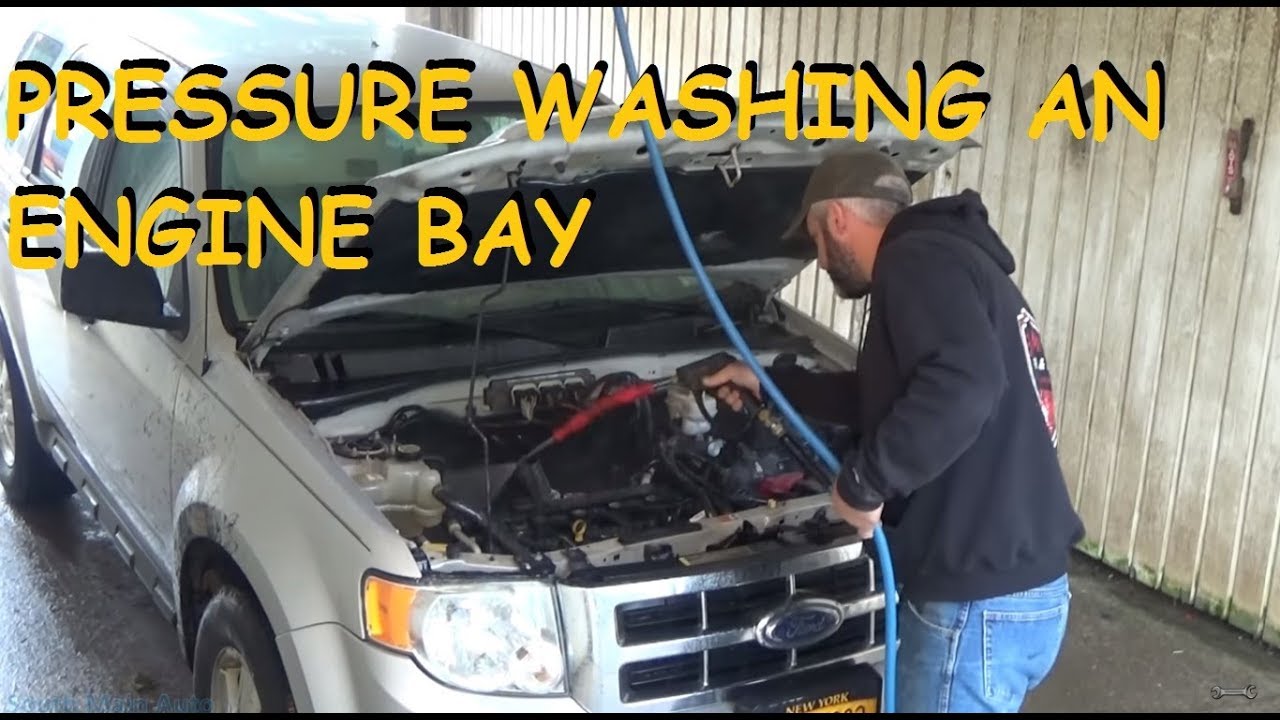
Use a pressure washer with low to medium pressure. Hold the nozzle at least 12 inches away from the engine. Spray in sweeping motions to avoid focused water pressure. Keep the nozzle moving to protect parts. Avoid spraying electrical connections directly.
Rinsing Off Cleaning Agents
Rinse the engine bay thoroughly to remove all degreaser. Use low pressure and warm water if possible. Check for any leftover soap or dirt. Remove protective covers from electrical parts after rinsing. Let the engine air dry before starting the car.
Post-cleaning Steps
After pressure washing your car engine, some important steps follow. These steps help protect your engine and keep it working well. Taking time for these actions ensures your engine stays clean and safe from damage.
Drying The Engine
Drying the engine is crucial to avoid electrical problems. Use a clean cloth to wipe visible water. Let the engine air dry for at least 30 minutes. Avoid starting the car right away to prevent short circuits.
Removing Covers
Remove any plastic or metal covers you placed before washing. Check these covers for dirt or water inside. Clean and dry them before putting them back. Reinstall the covers carefully to secure all parts.
Inspecting For Damage
Look closely for any signs of damage after cleaning. Check wires, hoses, and connectors for cracks or looseness. Tighten loose parts and replace damaged ones quickly. Early inspection helps avoid bigger engine problems later.
Safety Precautions
Cleaning a car engine with a pressure washer can be effective. It also can be risky if safety steps are not followed. Taking safety precautions protects your car and yourself from damage. Always prepare carefully before starting the job.
Protecting Electrical Components
Cover all electrical parts with plastic bags or waterproof covers. Focus on the battery, alternator, and fuse box. These parts can short circuit if water gets inside. Use tape to seal the covers tightly. Remove any loose wires or secure them away from water.
Avoiding Water Intrusion
Do not spray water directly into air intake or exhaust areas. Use a low-pressure setting on the washer. Keep the nozzle at least one foot away from the engine. Avoid soaking the engine bay. Water inside sensitive parts can cause serious problems.
Personal Protective Gear
Wear gloves to protect your hands from chemicals and hot parts. Use safety goggles to shield your eyes from splashes. Closed-toe shoes protect your feet from falling tools or water. Dress in clothes that cover your skin to avoid irritation.
Common Mistakes To Avoid
Pressure washing a car engine can be very helpful for cleaning. Many people make mistakes that can harm the engine or cause damage. Avoiding these common errors helps keep your engine safe and clean. Pay close attention to the steps below to protect your engine.
Using Excessive Pressure
Too much pressure can damage engine parts. Sensitive wires and connectors may break or loosen. Use a low-pressure setting to avoid harm. Keep the nozzle far from the engine surface. Gentle cleaning is better than strong blasts.
Ignoring Engine Temperature
Never wash a hot engine. The sudden cold water can crack metal parts. Allow the engine to cool for at least 30 minutes. Cold engines handle water better and reduce risk of damage.
Skipping Protective Measures
Cover important parts before washing. Use plastic bags on the air intake and electrical connections. Protect sensors and exposed wires from water. Skipping this can lead to short circuits or malfunctions.
Maintaining Your Engine After Washing
Keeping your engine clean after washing is very important. Dirt and grime can build up fast. This can cause damage or reduce engine life. Simple care steps help keep your engine working well. Follow these tips to protect your engine after cleaning.
Regular Cleaning Schedule
Set a regular time to clean your engine. This stops dirt from piling up. Clean the engine every few months. If you drive in dusty areas, clean more often. A clean engine runs cooler and lasts longer.
Applying Protective Coatings
Use a protective spray or coating on engine parts. This stops rust and dirt from sticking. Choose products made for engines. Spray lightly and avoid sensitive areas like electrical parts. Protective coatings keep the engine looking good and working well.
Monitoring Engine Performance
Watch for changes in how your engine runs. Listen for strange sounds or rough idling. Check for warning lights on the dashboard. Cleaning can sometimes loosen parts or cause issues. Early checks help catch problems before they get worse.

Credit: www.chemicalguys.com
Frequently Asked Questions
Can I Pressure Wash My Car Engine Safely At Home?
Yes, you can safely pressure wash your car engine at home. Use low pressure and cover sensitive parts like the alternator and air intake. Always disconnect the battery first and let the engine cool before starting. Proper precautions prevent damage and ensure effective cleaning.
What Pressure Setting Is Best For Engine Washing?
A pressure setting between 1200 to 1900 PSI is ideal for engine washing. This range effectively removes dirt without damaging components. Avoid high pressure to protect delicate wiring and seals. Always test on a small area before full cleaning.
Should I Use Special Detergents For Engine Cleaning?
Yes, use engine-specific degreasers or detergents. These products break down grease and grime safely. Avoid harsh chemicals that can damage engine parts. Follow product instructions for best results and always rinse thoroughly with water afterward.
How Long Does Pressure Washing A Car Engine Take?
Pressure washing a car engine typically takes 15 to 30 minutes. Preparation and drying add extra time. Proper cleaning speed depends on engine size and dirt level. Taking time ensures safe and effective cleaning without rushing.
Conclusion
Pressure washing a car engine keeps it clean and running well. Always protect sensitive parts before you start. Use gentle pressure and avoid soaking electrical areas. Take your time and work carefully for best results. A clean engine helps spot leaks and problems early.
Regular cleaning also improves your car’s value. Now you know how to pressure wash safely. Try it yourself and keep your engine looking great. Simple steps can make a big difference.


