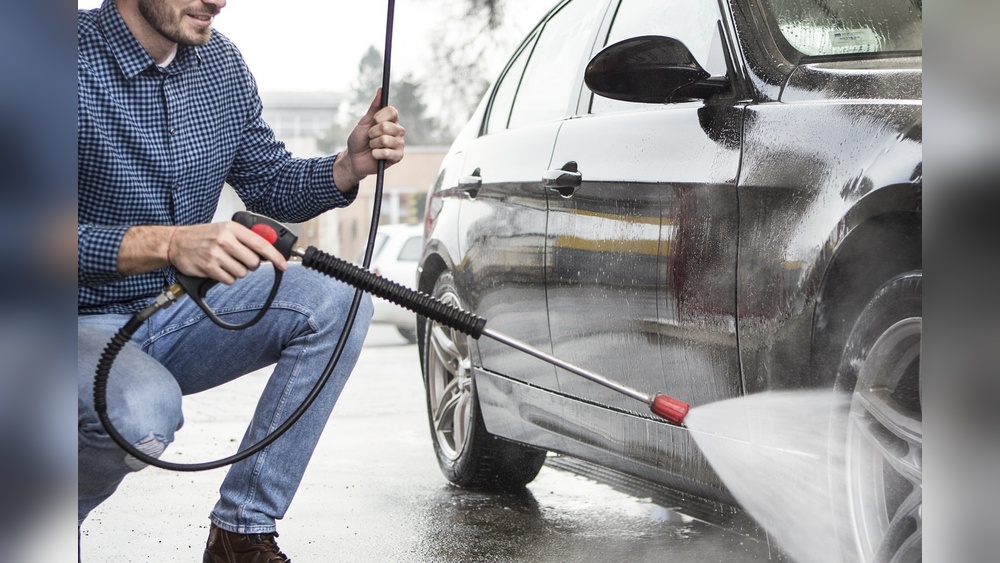
Your car engine works hard every day, and over time, dirt and grime build up, making it less efficient and harder to maintain. You might think cleaning your engine is complicated or risky, but what if you could do it quickly and effectively with a pressure washer?
Imagine giving your engine a deep clean that not only improves its performance but also boosts your car’s value. In this guide, you’ll discover simple, step-by-step tips to safely clean your car engine with a pressure washer. Keep reading to unlock the secrets that will make your engine shine like new and keep it running smoothly for years to come.
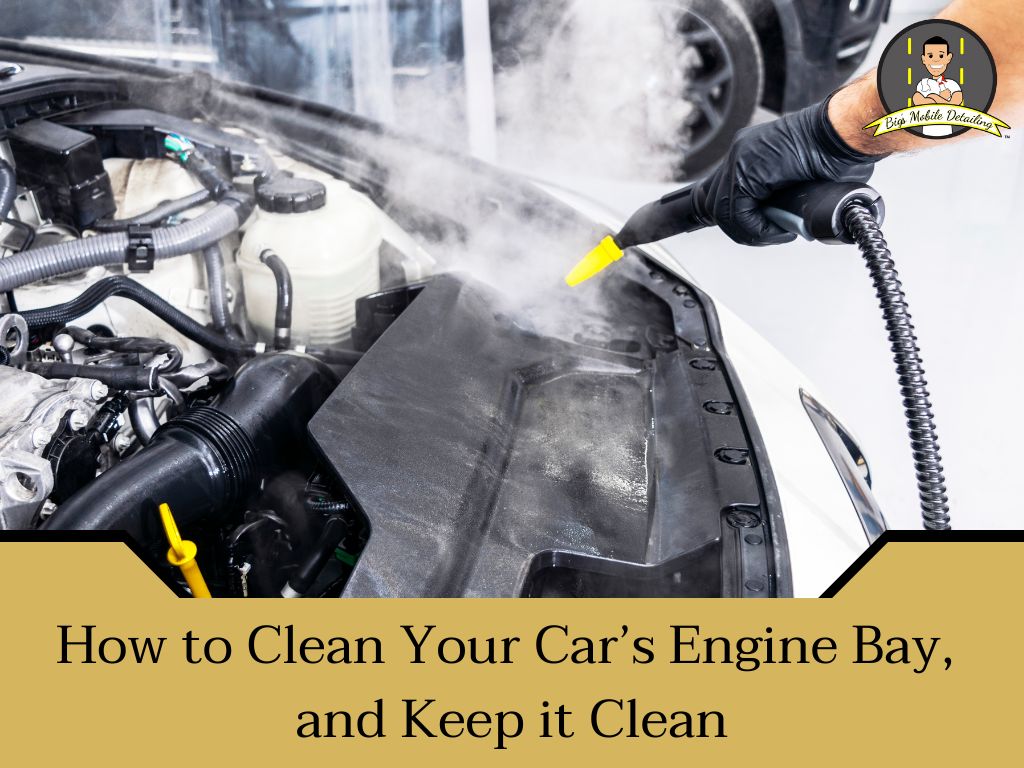
Credit: bigsmobile.com
Preparing Your Car Engine
Preparing your car engine for cleaning is important for safety and good results. This step helps avoid damage and ensures a smooth cleaning process. Take your time to get ready before using a pressure washer on the engine. Proper preparation makes the task easier and protects your car’s parts.
Gathering Necessary Tools
Start by collecting all tools needed for engine cleaning. You will need a pressure washer, plastic bags, tape, a brush, and degreaser. Have a towel or cloth ready to wipe off dirt. Getting these items ready saves time and helps you work faster.
Ensuring Engine Is Cool
Never clean a hot engine. Wait until the engine is completely cool before starting. A hot engine can cause burns or damage when water hits it. Cooling also helps prevent cracks in engine parts. Plan your cleaning after the car has been off for at least one hour.
Protecting Sensitive Components
Cover delicate parts like the battery, air intake, and electrical connections. Use plastic bags and tape to seal them tightly. This stops water from entering and causing problems. Protecting these parts keeps your engine safe during pressure washing.
Choosing The Right Pressure Washer
Choosing the right pressure washer is key to cleaning a car engine safely and well. The engine has many delicate parts. Too much pressure can cause damage. Too little pressure means dirt stays. Knowing how to select the right washer helps avoid these problems.
Focus on the pressure settings and nozzle types. These two factors control the water force and spray shape. Both affect cleaning power and safety. Understanding these details ensures a clean engine without harm.
Selecting Appropriate Pressure Settings
Pressure settings show how strong the water sprays. Measured in PSI (pounds per square inch). For car engines, 1200 to 1900 PSI works well. It cleans dirt but does not hurt parts. Higher pressure can force water into wiring or sensors. Lower pressure may leave grease behind.
Adjust the pressure as needed. Start with a lower setting. Raise it slowly if dirt stays. Be gentle near electrical parts. Protect sensitive areas by covering them before spraying.
Picking Suitable Nozzles
Nozzles control the spray angle and water flow. Wide angles spread water softly. Narrow angles concentrate force on small spots. For engines, use nozzles with 25 to 40 degrees. These give good cleaning without damage.
A nozzle with a 0-degree angle sprays too hard. Avoid it for engine cleaning. A nozzle with a 40-degree angle works for broad rinsing. Change nozzles during cleaning for best results. Use softer sprays for delicate spots. Switch to stronger sprays on tough dirt.
Step-by-step Cleaning Process
Cleaning a car engine with a pressure washer needs care and clear steps. Follow this guide to clean the engine safely and well. Each step helps remove dirt without harming engine parts.
Initial Dirt Removal
Start by removing loose dirt and debris. Use a brush or cloth to wipe away dust. This prevents scratching during washing. Cover electrical parts with plastic to keep them dry.
Applying Degreaser
Spray a good engine degreaser on oily areas. Let it sit for 5 to 10 minutes. The degreaser breaks down grease and grime. Avoid applying on hot engine parts to prevent damage.
Pressure Washing Techniques
Use a pressure washer with low pressure. Keep the nozzle at least 12 inches from the surface. Spray in a steady motion, not too close. Focus on dirty spots but avoid sensitive parts.
Rinsing Thoroughly
Rinse the engine carefully to remove all degreaser and dirt. Use clean water and low pressure. Make sure no soap or grime stays behind. Let the engine dry fully before starting the car.
Post-cleaning Care
After cleaning your car engine with a pressure washer, proper care is essential. This step protects your engine and keeps it running well. Post-cleaning care helps avoid damage and ensures safety. Follow these steps carefully to maintain your engine.
Drying The Engine
Use a clean cloth to wipe excess water from the engine. A leaf blower or compressed air works well to dry hard-to-reach areas. Avoid starting the engine until it is completely dry. Moisture can cause short circuits or corrosion.
Inspecting For Damage
Check the engine for any loose wires or broken parts. Look for cracks in hoses or belts that water might have stressed. Detecting damage early prevents costly repairs later. Make sure everything looks secure and intact before moving on.
Reconnecting Components
Reattach any parts you removed before cleaning. Ensure all electrical connectors are tight and safe from water. Double-check battery terminals and spark plugs for proper connection. Proper reconnection restores your engine’s function and safety.
Safety Tips And Precautions
Cleaning a car engine with a pressure washer can save time and effort. Still, safety is the top priority. Engines have many delicate parts that water can damage. Taking simple safety steps avoids costly repairs and keeps you safe.
Avoiding Water Damage
Do not spray water directly on sensitive areas like air intakes or exposed filters. Use low pressure around seals and gaskets. Cover parts that should not get wet with plastic or waterproof tape. Keep the nozzle moving to stop water from pooling. Let the engine cool before washing to avoid cracks.
Handling Electrical Parts
Disconnect the battery before starting the cleaning. Avoid spraying water on the battery, wiring, and electronic control units. Use a dry cloth to cover these parts if needed. Check for broken or loose wires and fix them before washing. Water and electricity do not mix well.
Using Protective Gear
Wear safety goggles to protect eyes from splashes. Use gloves to keep hands clean and safe. Non-slip shoes help prevent falls on wet surfaces. Long sleeves protect your skin from dirt and chemicals. Dress properly to avoid injuries during cleaning.

Credit: www.chemicalguys.com
Common Mistakes To Avoid
Cleaning your car engine with a pressure washer can be effective. Yet, many make mistakes that cause damage or poor results. Avoiding these errors saves time and protects your engine. Below are common mistakes to watch out for during the cleaning process.
Overusing Pressure
Using too much pressure can harm engine parts. High pressure may force water into electrical components. It can also damage seals and delicate hoses. Use a low-pressure setting to avoid these issues. Keep the nozzle at a safe distance from the engine.
Skipping Protective Steps
Not protecting sensitive parts leads to costly repairs. Cover the battery, air intake, and exposed wiring with plastic bags. This prevents water from causing shorts or rust. Always disconnect the battery before starting. Take time to shield these areas properly.
Ignoring Manufacturer Guidelines
Every vehicle has specific cleaning instructions. Overlooking these can void warranties or cause damage. Check the owner’s manual for recommended cleaning methods. Follow any warnings or restrictions closely. Respect these guidelines to keep your engine safe and clean.
Benefits Of Regular Engine Cleaning
Cleaning your car engine regularly has many benefits. It helps keep your vehicle running well and looking good. Dirt and grime can build up over time. This buildup can cause problems and reduce how well your engine works. Pressure washing is a fast and effective way to clean the engine. Here are some important benefits of regular engine cleaning.
Improved Performance
A clean engine runs cooler and smoother. Dirt and grease can block important parts. This makes the engine work harder. Cleaning removes these blockages. The engine breathes better and uses fuel more efficiently. This can improve your car’s speed and power. It also helps the engine start easily every time.
Extended Engine Life
Regular cleaning prevents damage from dirt and grime. Dust can cause corrosion and wear on metal parts. Oil leaks and dirt can create a sticky mess that harms components. Cleaning stops this damage early. A clean engine lasts longer and needs fewer repairs. This saves money on costly fixes down the road.
Enhanced Vehicle Appearance
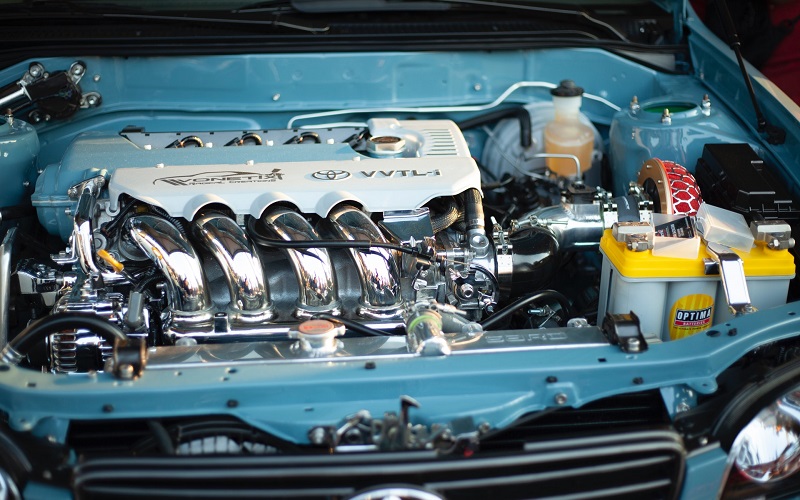
A clean engine looks neat and well cared for. It shows you take pride in your vehicle. This can increase the car’s value if you sell it. Clean engines also make it easier to spot leaks or problems. Overall, a tidy engine space improves the car’s overall appeal.
Credit: detailxperts.com
Frequently Asked Questions
Can I Use A Pressure Washer To Clean My Car Engine?
Yes, you can use a pressure washer to clean your car engine. Use low pressure to avoid damaging sensitive parts. Cover electrical components with plastic to prevent water damage. Always let the engine cool before cleaning for safety.
What Precautions Are Needed When Pressure Washing An Engine?
Cover electrical parts with plastic or waterproof tape. Avoid direct spray on sensitive areas like the air intake and sensors. Use low pressure and keep a safe distance. Always wear protective gear and work in a well-ventilated area.
How Often Should I Pressure Wash My Car Engine?
Pressure wash your car engine every 6 to 12 months. Regular cleaning prevents buildup of dirt and grease. However, avoid over-cleaning to protect engine components. Adjust frequency based on driving conditions and engine exposure.
What Are Common Mistakes When Pressure Washing Engines?
Common mistakes include using high pressure, spraying hot engines, and neglecting to cover electrical parts. These can cause damage or electrical failure. Always use low pressure, cool engine, and proper coverings to ensure safe cleaning.
Conclusion
Cleaning your car engine with a pressure washer can save time and effort. Take care to protect sensitive parts and avoid direct sprays on electrical areas. Use the right pressure settings to prevent damage. Regular cleaning keeps your engine running smoothly and looking good.
Always let the engine dry completely before starting your car. Follow these simple steps to keep your engine clean and healthy. A clean engine can help your car perform better and last longer. Try these tips next time you want a quick engine wash.