You’ve worked hard to keep your car looking its best. But have you ever wondered how car wax actually protects your paint?
Imagine your car’s surface as a shield, constantly facing dirt, sun, and rain. Without the right protection, your paint can fade, chip, or get scratched. You’ll discover how car wax acts as a powerful barrier that keeps your car’s finish shining and safe.
By understanding this simple yet effective secret, you’ll be able to keep your vehicle looking newer for longer. Ready to learn how to protect your paint like a pro? Let’s dive in.
Car Wax Basics
Car wax is a simple but powerful way to protect your car’s paint. It creates a thin layer on the surface. This layer shields the paint from dirt, water, and harmful sun rays. Wax also adds shine, making your car look clean and fresh.
Understanding the basics of car wax helps you choose the right type. It also shows how wax guards your paint every day.
Types Of Car Wax
There are several types of car wax. Each works differently and suits different needs.
Natural wax, like carnauba, comes from plants. It gives a deep, warm shine. It lasts for a few weeks and is easy to apply.
Synthetic wax is made in labs. It lasts longer than natural wax. It protects better against harsh weather and dirt.
Hybrid wax blends natural and synthetic ingredients. It offers both shine and long-lasting protection.
How Wax Is Made
Car wax starts with raw materials. Natural wax uses plant oils and resins. Carnauba wax comes from palm leaves in Brazil.
Synthetic wax is made from chemicals. Scientists mix these to create protective layers. This process improves durability and resistance.
After mixing, the wax is heated and cooled. This creates a smooth paste or liquid. It is then packed for sale.
Protection Mechanisms
Car wax acts as a strong protector for your vehicle’s paint. It forms a layer that guards the surface from daily damage. This section explains how car wax shields paint through different protection mechanisms. Understanding these helps you see why waxing is important for car care.
Barrier Against Uv Rays
Sunlight can fade and damage car paint. UV rays break down the paint’s color and shine. Wax creates a barrier that blocks these harmful rays. This shield keeps the paint looking fresh and bright longer. It slows down fading caused by constant sun exposure.
Shield From Dirt And Debris
Road dirt and debris scratch and wear down paint over time. Wax forms a smooth layer that stops dirt from sticking tightly. This makes cleaning easier and reduces scratches. The wax layer protects the paint from small chips and marks.
Water Repellency And Hydrophobic Effects
Water can cause stains and damage if left on paint too long. Wax makes the surface water-repellent, causing drops to bead and roll off. This hydrophobic effect helps prevent water spots and corrosion. It keeps the paint dry and safe from moisture harm.
Enhancing Paint Longevity
Car wax plays an important role in keeping your vehicle’s paint fresh and strong. It forms a protective layer over the paint that guards it against harm. This layer helps the paint last longer by shielding it from natural wear and tear. Understanding how wax enhances paint longevity can help you keep your car looking new for years.
Preventing Oxidation
Oxidation happens when paint reacts with oxygen and sunlight. This causes the paint to fade and lose its shine. Car wax blocks oxygen and UV rays from reaching the paint. This stops the paint from breaking down quickly. A good wax coat keeps the paint surface safe and bright.
Reducing Surface Scratches
Small scratches and swirl marks can damage the paint over time. Wax creates a smooth, slippery surface that lowers friction. This reduces the chances of scratches from dust, dirt, and washing. Wax acts like a shield that absorbs minor damage before it reaches the paint.
Maintaining Color Vibrancy
Color can dull as the paint ages and gets dirty. Wax seals in the paint’s natural oils and shine. It helps the color stay rich and vibrant under sunlight and rain. Regular waxing refreshes the paint’s look and keeps the car attractive.
Credit: detailtheworld.com
Application Tips
Applying car wax correctly helps protect your car’s paint better. It creates a smooth, shiny layer that blocks dirt and water. Proper application makes the wax last longer and keeps your car looking new. Follow these tips to get the best results from your wax.
Preparing The Car Surface
Start by washing your car well. Use soap made for cars to remove dirt and grime. Dry the car completely with a clean towel. Avoid waxing under direct sunlight or on a hot surface. This stops the wax from drying too fast and leaving streaks.
Waxing Techniques
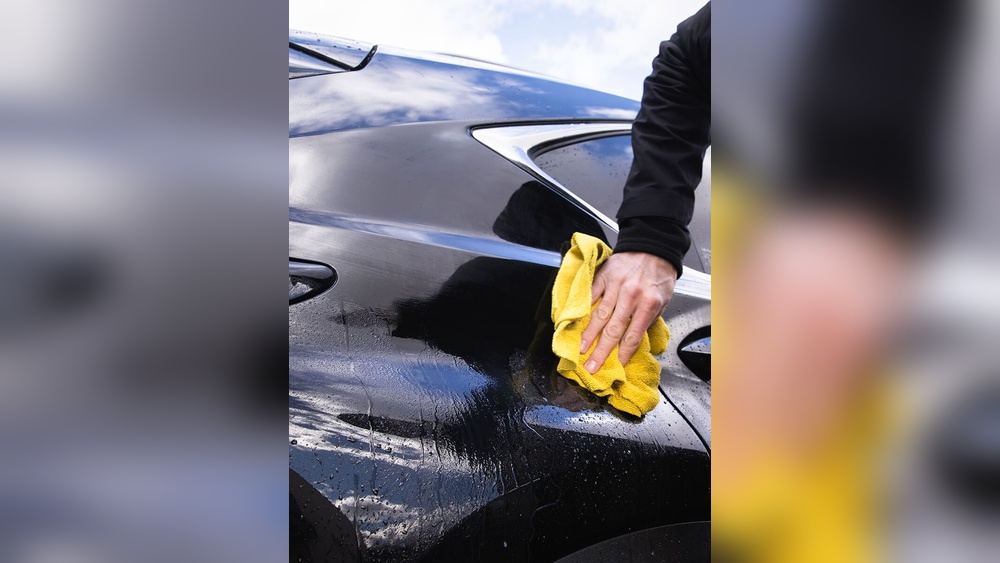
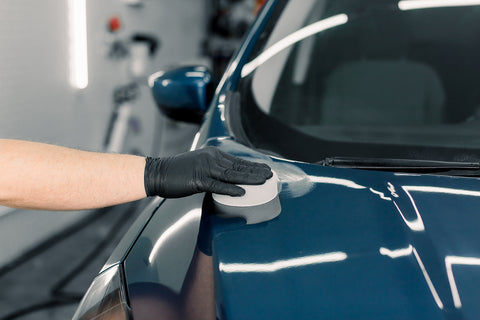
Apply wax in small, circular motions with a soft cloth or foam applicator. Work on one section at a time, about two square feet. Let the wax dry until it looks hazy or dull. Then, buff it off gently with a clean microfiber cloth. Use light pressure to avoid scratching the paint.
Frequency Of Application
Wax your car every three to four months. This keeps the protective layer fresh and strong. In harsh weather, wax more often to guard against damage. Regular waxing helps maintain a deep shine and prevents paint fading.
Common Myths
Many people have wrong ideas about car wax and how it protects paint. These myths can cause confusion and stop car owners from using wax properly. Understanding the truth helps keep your car’s paint safe and looking good.
Wax Vs. Sealant
Some think wax and sealant are the same. They are not. Wax comes from natural ingredients and gives a warm shine. Sealants are made from synthetic materials and last longer. Wax is easier to apply but wears off faster. Sealants protect paint for a longer time but may not have the same deep shine.
Wax And Scratch Protection
Many believe wax stops all scratches. Wax can protect against light scratches and swirl marks. It creates a thin layer that acts like a barrier. But wax cannot stop deep scratches or chips. Proper care and gentle washing also help reduce scratches on your car.
Instant Vs. Long-term Benefits
Wax gives a quick shine, making the car look clean and fresh. This is an instant benefit. The protection wax offers lasts a few weeks. For long-term protection, reapply wax regularly. Some waxes last longer, but no wax protects forever. Regular waxing keeps paint safe and shiny over time.
Credit: www.torquedetail.com
Choosing The Right Wax
Choosing the right wax is key to protecting your car’s paint well. Different waxes suit different cars and conditions. Knowing what wax fits your needs keeps your car looking fresh and shiny. Here are some important points to consider before picking a wax.
Car Paint Types
Car paints vary from one vehicle to another. Some have clear coats, others do not. Soft paint needs gentle wax to avoid damage. Hard paint can handle stronger waxes. Check your car’s paint type before buying wax. This helps protect your car’s finish better and lasts longer.
Environmental Considerations
Your local environment affects how wax works. Cars in sunny places need wax that blocks UV rays. In rainy areas, pick water-resistant wax to repel moisture. Dusty or salty places require wax that shields from dirt and salt. Choose wax that fits your climate for best paint protection.
Budget And Performance
Wax prices vary from cheap to premium. Expensive wax may last longer but costs more. Affordable wax can protect well for shorter times. Think about how often you want to wax your car. Pick wax that fits your budget and meets your performance needs.

Credit: autodetailstl.com
Frequently Asked Questions
How Does Car Wax Protect Paint From Uv Damage?
Car wax forms a protective layer that shields paint from harmful UV rays. This prevents fading and oxidation, keeping the paint vibrant longer. It acts as a barrier against sun exposure, reducing damage and maintaining the car’s glossy appearance.
Can Car Wax Prevent Scratches On Vehicle Paint?
Yes, car wax creates a smooth, slippery surface that reduces friction. This minimizes minor scratches and swirl marks caused by dirt or washing. However, it cannot fully protect against deep or sharp scratches.
How Often Should I Wax My Car For Paint Protection?
For optimal paint protection, wax your car every 3 to 4 months. Regular waxing maintains the protective barrier and keeps the paint looking fresh. Frequency depends on weather and usage conditions.
Does Car Wax Protect Paint From Water And Contaminants?
Car wax repels water and prevents contaminants from sticking to the paint. This reduces water spots, dirt buildup, and chemical damage. Wax helps keep the paint clean and easier to wash.
Conclusion
Car wax acts like a shield for your car’s paint. It keeps dirt and water from sticking to the surface. The wax also protects against sun damage and fading. It helps your car look shiny and new longer. Regular waxing saves money by reducing the need for paint repairs.
Simple to apply and effective, wax is a smart choice. Keep your car’s paint safe and beautiful with wax.