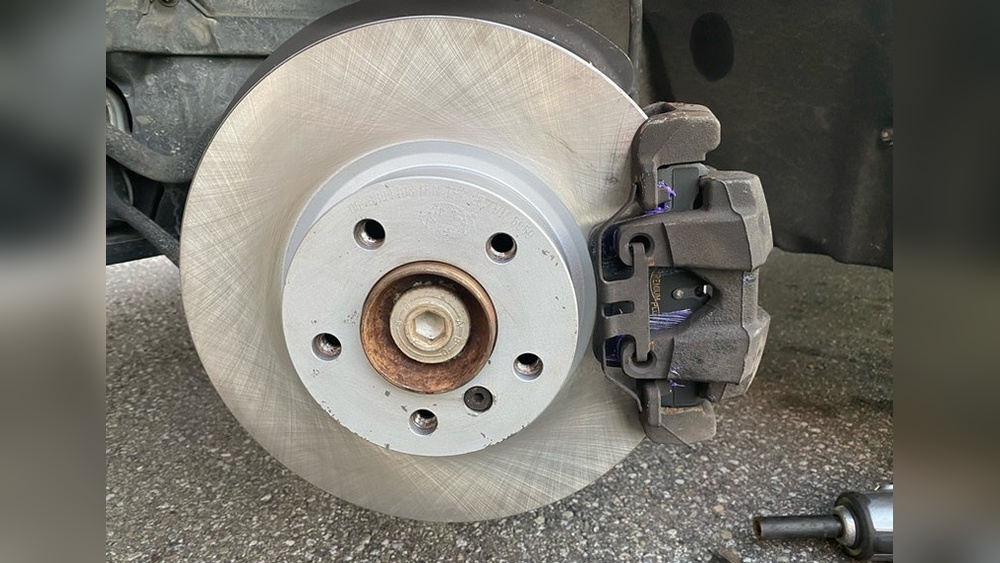
Have you ever wondered how long the rotors on your car actually last? Knowing this can save you money and keep you safe on the road.
Your rotors play a key role in stopping your car smoothly, so understanding their lifespan helps you avoid unexpected repairs. You’ll discover the factors that affect rotor life and simple signs that tell you when it’s time for a change.
Keep reading to protect your car and drive with confidence.
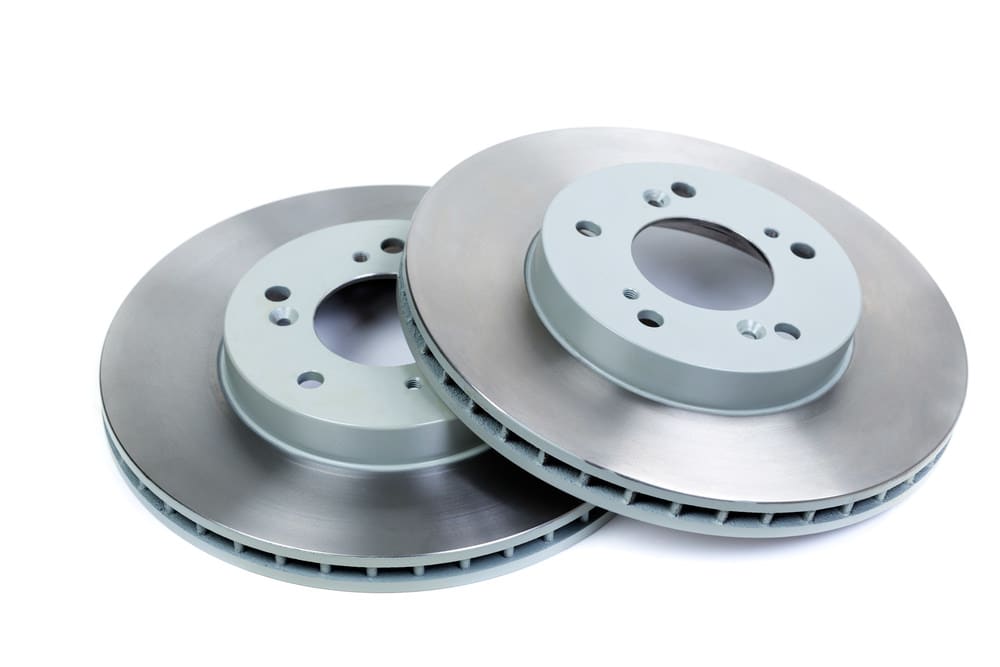
Credit: www.yourmechanic.com
Rotor Lifespan Factors
The lifespan of car rotors depends on several important factors. These factors affect how long your rotors last before needing replacement. Understanding these can help you maintain your car better and avoid costly repairs.
Rotors wear out differently based on their material, how you drive, the type of vehicle, and where you live. Each factor plays a big role in the rotor’s durability and performance.
Material Types
Rotors come in different materials like cast iron, steel, and carbon composite. Cast iron rotors are common and affordable but wear faster. Steel rotors last longer but cost more. Carbon composite rotors are the most durable and found on high-end cars. The material affects heat resistance and wear rate.
Driving Habits
How you drive impacts rotor life a lot. Hard braking and frequent stops wear rotors quickly. Smooth, gentle braking helps rotors last longer. Driving in heavy traffic with many stops also reduces rotor lifespan. Highway driving causes less wear than city driving.
Vehicle Type
Heavy vehicles like trucks and SUVs put more stress on rotors. They wear out faster because of the extra weight. Sports cars often have special rotors designed for high performance. The type of vehicle affects the size and strength of the rotors.
Environmental Conditions
Weather and road conditions influence rotor durability. Roads with salt or sand cause corrosion and faster wear. Wet or humid climates can lead to rust. Dusty or dirty environments increase rotor wear. Clean, dry areas help rotors last longer.
Signs Of Worn Rotors
Rotors are a key part of your car’s braking system. Over time, they wear out and cause problems. Recognizing the signs of worn rotors helps keep you safe. It also prevents more costly repairs later. Watch for these common signs to know when your rotors need attention.
Vibration And Pulsation
Feeling a shaking or pulsing in the brake pedal is a warning. Worn rotors often cause this sensation. It happens because the rotor surface becomes uneven. These vibrations grow stronger when braking hard or at high speeds. Ignoring this can lead to more damage.
Squeaking Or Squealing Noises
High-pitched noises while braking usually mean rotor wear. The sound comes from metal rubbing on metal. This happens when the rotor’s surface is rough or damaged. These noises get louder as the rotors wear down more. Don’t ignore strange sounds from your brakes.
Visible Damage
Check the rotors if you see grooves, cracks, or rust. These signs show the rotor is worn out or damaged. Deep grooves reduce braking efficiency. Cracks can cause rotor failure. Rust weakens the rotor’s surface and structure. Visual checks help spot problems early.
Brake Performance Issues
Worn rotors reduce how well your brakes work. Your car may take longer to stop. The brake pedal might feel soft or spongy. Sometimes, the brakes grab or pull to one side. These issues make driving unsafe. Fix worn rotors to restore good brake performance.
Average Rotor Lifespan
Rotors are crucial parts of a car’s brake system. They help your vehicle stop safely. Knowing their average lifespan helps you plan maintenance. Rotor life varies by use and care. This section explains typical rotor life using mileage, time, and maintenance.
Mileage Estimates
Most rotors last between 30,000 and 70,000 miles. Some last longer with gentle driving. Heavy braking or towing lowers rotor life. City driving can wear rotors faster. Highway driving usually causes less wear.
Time-based Lifespan
Rotors do not last forever, even if unused. Many last about 3 to 5 years. Moisture and rust can damage rotors over time. Cars parked outside may see faster rotor wear. Regular checks help catch time-related issues early.
Influence Of Maintenance
Good maintenance extends rotor life significantly. Regular brake inspections spot early problems. Changing brake pads on time reduces rotor wear. Avoiding harsh braking protects rotors. Clean rotors and calipers keep brakes efficient.
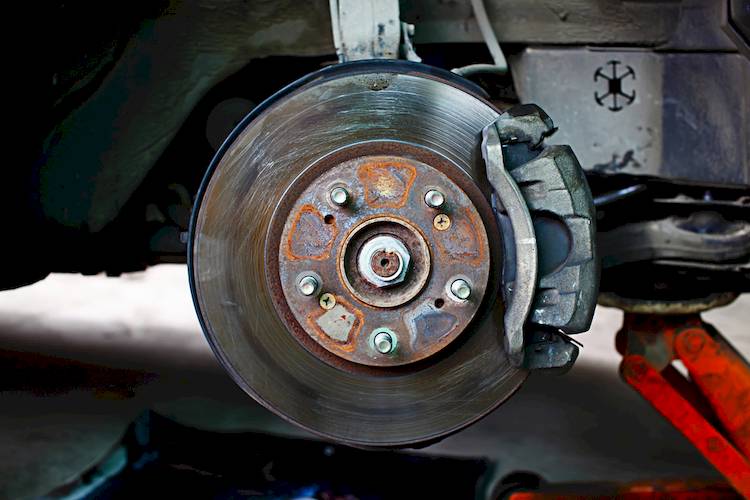
Credit: www.yourmechanic.com
Rotor Maintenance Tips
Proper rotor maintenance helps keep your brakes safe and effective. Rotors wear down over time from heat and friction. Regular care extends their life and improves car safety. Follow these simple tips to maintain your rotors well.
Regular Inspections
Check your rotors every few months for damage or wear. Look for grooves, cracks, or rust on the surface. Listen for unusual noises when braking. Early detection helps avoid costly repairs and ensures smooth stops.
Brake Pad Replacement
Replace brake pads before they wear out completely. Worn pads can damage rotors quickly. Changing pads on time prevents rotor warping and scoring. Use quality pads to improve braking and rotor life.
Cleaning And Servicing
Keep rotors clean from dirt and debris. Use brake cleaner spray and a soft brush for cleaning. Avoid harsh chemicals that can damage rotor material. Regular servicing by a mechanic ensures rotors stay in good shape.
When To Replace Rotors
Knowing when to replace your car’s rotors is key for safe driving. Rotors wear down over time and affect braking. Watch for signs that show it’s time for new rotors. Below are key points to check before replacing them.
Thickness Measurements
Rotors get thinner as they wear out. Measure thickness with a micrometer or caliper. Compare the measurement to the minimum thickness in your owner’s manual. Thinner rotors can cause poor braking and heat damage. Replace rotors that are below the minimum thickness.
Warping And Cracking
Warped rotors cause vibrations when braking. Cracks can appear from heat and stress. Both affect brake performance and safety. Inspect rotors regularly for uneven surfaces or visible cracks. Swap out rotors that show warping or cracks immediately.
Manufacturer Recommendations
Check your vehicle’s manual for rotor replacement guidelines. Some manufacturers suggest replacing rotors every 30,000 to 70,000 miles. Follow these guidelines to keep brakes working well. Using manufacturer advice helps avoid damage and costly repairs.
Cost Of Rotor Replacement
Replacing car rotors is a necessary maintenance task that comes with certain costs. These costs depend on several factors like parts, labor, and the type of vehicle. Understanding these costs helps you budget and decide the best way to replace your rotors.
Parts And Labor
Rotor replacement involves two main costs: parts and labor. Rotors themselves can vary in price based on quality and brand. Labor charges depend on the mechanic’s hourly rate and the time needed to complete the job. Usually, labor costs can be as high as or higher than the parts.
Cost Variations By Vehicle
The cost to replace rotors varies by vehicle make and model. Luxury cars and trucks often have more expensive rotors. Some vehicles require special tools or more time for replacement, which raises labor costs. Compact cars usually have lower rotor replacement costs.
Diy Vs Professional Replacement
Replacing rotors yourself can save money on labor. It requires basic tools and some mechanical knowledge. Doing it wrong might cause damage or safety issues. Professional mechanics guarantee proper installation but charge more. Choose based on your skill level and budget.
Extending Rotor Life
Rotors are a key part of your car’s braking system. Keeping them in good shape saves money and keeps you safe. Extending the life of your rotors means using simple habits every day. These habits reduce wear and prevent damage.
Smooth Driving Techniques
Drive gently to protect your rotors. Avoid sudden stops and hard braking. Gradual slowing helps rotors cool down evenly. This reduces stress and wear. Smooth driving also cuts down on heat build-up. Your rotors will last longer with careful control.
Avoiding Overheating
Overheating is a main cause of rotor damage. Heavy braking on long hills heats rotors fast. Let your engine help slow the car instead. Use lower gears to reduce brake use. Take breaks on long drives to cool brakes. Cooler rotors resist warping and cracking.
Proper Brake Usage
Use brakes only when needed. Avoid riding the brake pedal. This constant pressure wears rotors quickly. Press brakes firmly but not too hard. Give the brakes time to recover between stops. Proper brake use keeps rotors smooth and strong.

Credit: www.clarksgarage.com.au
Frequently Asked Questions
How Often Should Car Rotors Be Replaced?
Car rotors typically last 30,000 to 70,000 miles. Replace them when warped, cracked, or below minimum thickness. Regular inspection ensures safety and optimal braking performance.
What Factors Affect Rotor Lifespan?
Rotor lifespan depends on driving habits, vehicle type, and road conditions. Frequent hard braking or heavy loads wear rotors faster. Proper maintenance can extend their life significantly.
Can Worn Rotors Cause Brake Problems?
Yes, worn rotors can cause vibrations, noise, and reduced braking efficiency. Ignoring them risks safety and may damage brake pads and calipers.
How To Tell If Rotors Need Replacement?
Signs include brake pedal pulsation, squealing noises, and visible grooves on rotors. A professional brake inspection can confirm rotor condition and replacement needs.
Conclusion
Rotors usually last between 30,000 and 70,000 miles. Driving style and road conditions affect their lifespan. Regular checks help spot wear early. Worn rotors can cause noise and poor braking. Replacing them on time keeps your car safe. Pay attention to any changes in brake feel.
Proper care saves money and prevents accidents. Stay aware and maintain your rotors well. Your safety depends on good brake performance.