Have you ever wondered how long your car’s brakes and rotors actually last? Knowing this can save you money and keep you safe on the road.
If you wait too long to replace them, you risk costly repairs or even accidents. But replacing them too soon means wasting your hard-earned cash. You’ll discover the key signs to watch for and how to make your brakes and rotors last longer.
Keep reading to protect your car and your wallet.
Credit: amarz.ca
Brake Components And Their Roles
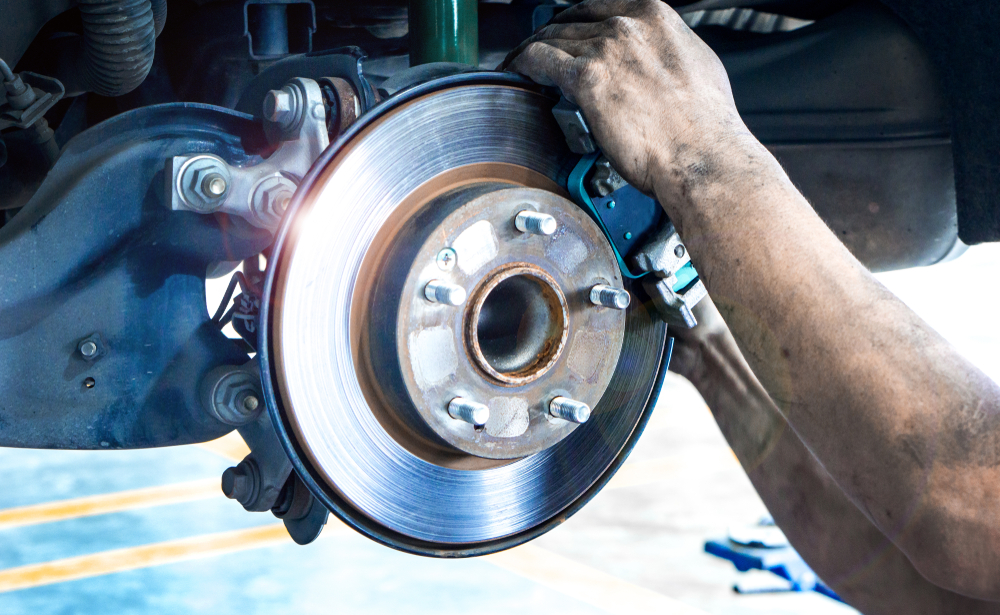
Brakes have many parts that work together to stop a car safely. Each part has a specific job. Knowing these parts helps understand how long brakes and rotors last. Some parts wear out faster than others. This section explains key brake components and their roles.
Brake Pads Function
Brake pads press against the rotors to slow the car. They create friction that stops the wheels. Pads wear out over time because of this friction. Softer pads wear faster but stop the car smoothly. Harder pads last longer but may be noisier. Replacing brake pads regularly keeps brakes working well.
Rotor Purpose And Types
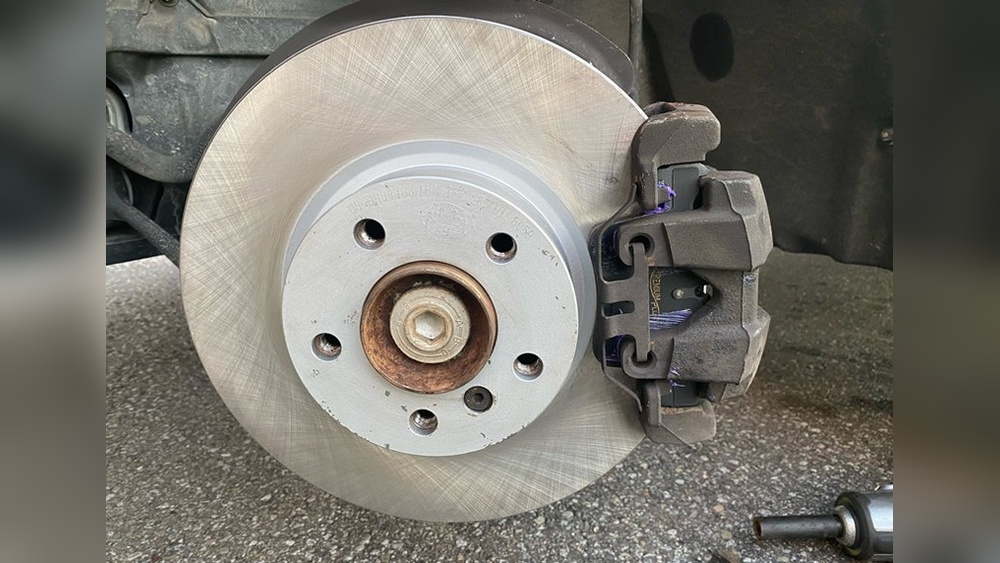
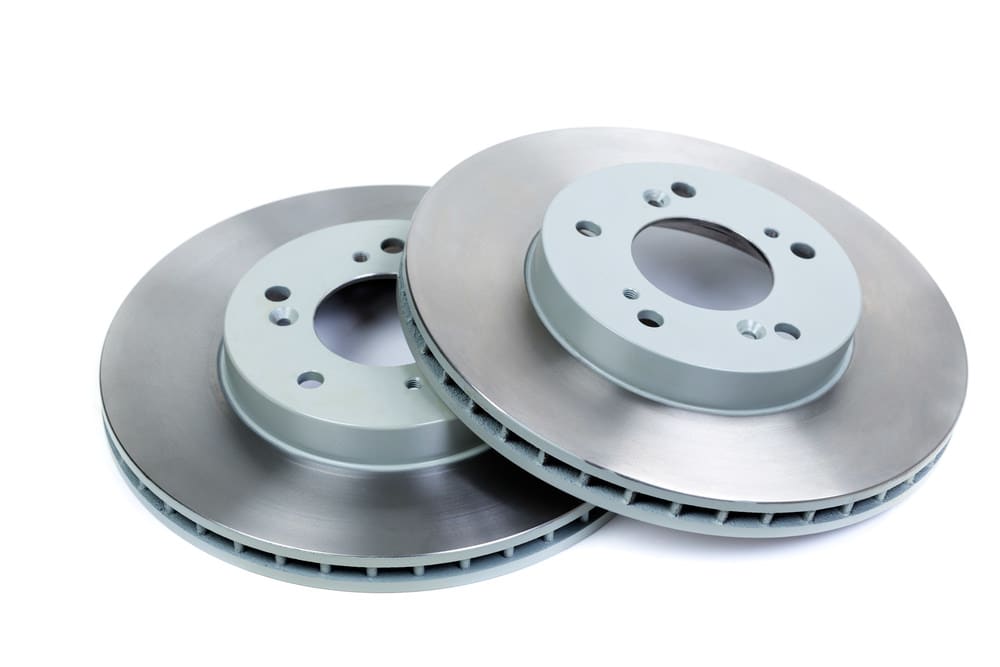
Rotors are metal discs attached to the wheels. Brake pads squeeze the rotors to stop the car. Rotors handle a lot of heat and stress. There are two main types: solid and vented. Solid rotors are simple but get hot quickly. Vented rotors have air channels for better cooling. Well-maintained rotors last longer and improve braking.
Other Brake Parts Impacting Wear
Calipers hold and push the brake pads. If calipers stick, pads wear unevenly. Brake fluid transfers pressure from the pedal to the brakes. Old fluid can cause brake problems. Brake lines carry the fluid and must stay leak-free. Worn or damaged parts affect brake life and safety. Regular checks help spot these issues early.
Credit: www.yourmechanic.com
Factors Affecting Brake And Rotor Lifespan
Brake and rotor lifespan depends on many factors. These factors change how fast your brakes wear out. Knowing them helps you keep your car safe and avoid extra costs.
Driving Habits And Conditions
Hard braking wears brakes and rotors faster. Frequent stops in traffic add extra wear. Driving on hills causes more brake use. Smooth, gentle braking extends brake life. Wet or dusty roads also affect brake parts.
Vehicle Type And Load
Heavy vehicles wear brakes faster than small cars. Carrying heavy loads puts extra stress on brakes. Trucks and SUVs often need brake checks more often. Light vehicles usually have longer brake life.
Quality Of Brake Parts
High-quality brake pads last longer. Cheap parts wear out quickly and may damage rotors. OEM parts fit better and work well. Choosing good brake parts saves money over time.
Maintenance Practices
Regular brake inspections catch problems early. Cleaning brake parts prevents dirt build-up. Timely replacement of pads protects rotors. Ignoring brake care shortens their lifespan.
Average Lifespan Of Brakes
Brakes are a key safety part of any car. Knowing their lifespan helps keep driving safe and smooth. Brake parts wear out over time. How long they last depends on many things. These include driving style, car type, and road conditions.
Typical Mileage For Brake Pads
Brake pads usually last between 30,000 and 70,000 miles. Some last longer if you drive gently. Heavy traffic or mountain roads make pads wear faster. New brake pads give better stopping power. Regular checks keep your brakes in good shape.
Signs Brake Pads Need Replacement
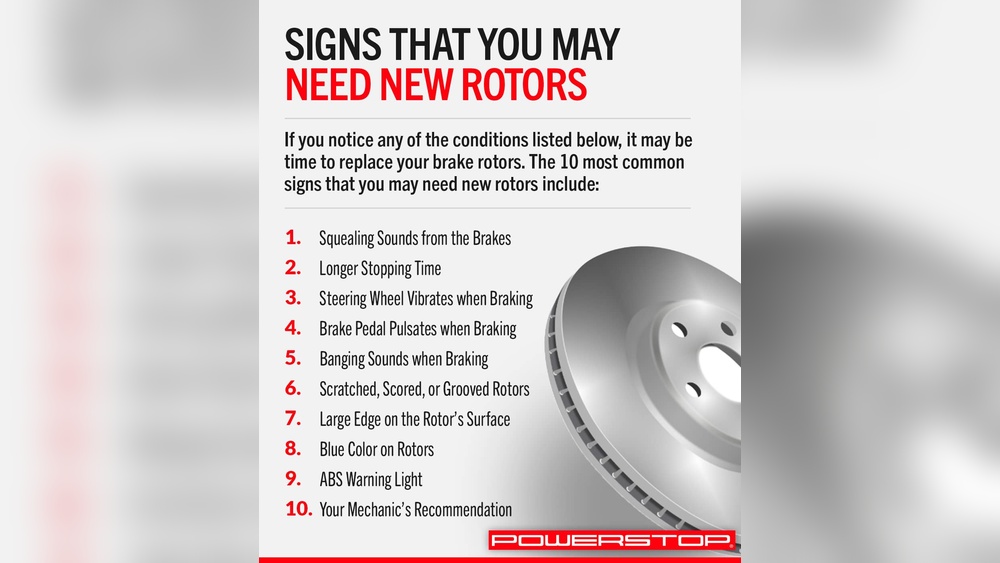
Listen for squeaking or grinding sounds when braking. These noises mean pads are thin or worn out. A soft or spongy brake pedal feels different. It could mean pads or brake fluid need help. If your car pulls to one side, check the brakes. Warning lights on the dashboard also signal brake issues.

Credit: www.clarksgarage.com.au
Average Lifespan Of Rotors
Rotors play a vital role in a car’s braking system. They work with brake pads to stop your vehicle safely. Knowing the average lifespan of rotors helps you plan maintenance. It also ensures your car stays safe on the road. Rotors wear down over time due to heat and friction. How long they last depends on driving habits and road conditions.
Mileage Expectancy For Rotors
Most rotors last between 30,000 and 70,000 miles. This range varies by car type and driving style. Heavy braking or driving in hilly areas shortens rotor life. Smooth driving and regular maintenance help rotors last longer. Some high-quality rotors can exceed 70,000 miles. Always check your car’s manual for specific recommendations.
When To Replace Or Resurface Rotors
Rotors need replacement if they are too thin or cracked. Warped rotors cause vibrations while braking. These signs mean it’s time to replace or resurface. Resurfacing removes a thin layer to smooth the surface. It only works if the rotor thickness is safe. If rotors are too worn, replacement is safer. Regular inspections help catch rotor problems early.
Tips To Extend Brake And Rotor Life
Extending the life of your car’s brakes and rotors saves money and ensures safety. Proper care reduces wear and tear. Simple habits and timely checks make a big difference. Follow these tips to keep brakes and rotors working longer.
Driving Techniques To Reduce Wear
Drive smoothly to protect brakes and rotors. Avoid sudden stops and hard braking. Use engine braking by downshifting on slopes. Keep a safe distance to reduce frequent braking. Slow down early before stopping. These habits lower heat and friction on parts.
Regular Inspection And Maintenance
Check brakes and rotors regularly for signs of wear. Look for squeaking, grinding, or vibrations. Inspect brake pads thickness and rotor surface. Replace worn parts before damage gets worse. Clean brake components to remove dust and dirt. Routine maintenance helps spot problems early.
Choosing Quality Replacement Parts
Select high-quality brake pads and rotors for replacements. Good parts last longer and perform better. Avoid cheap, low-grade components that wear quickly. Use parts recommended by your car’s manufacturer. Quality parts ensure safety and smooth braking. Proper fit and material extend brake life.
Cost Implications Of Brake And Rotor Replacement
Replacing brakes and rotors affects your car maintenance budget. Knowing the costs helps you plan better. Brake parts vary by car model and quality. Labor charges differ by mechanic and location. Understanding these costs avoids surprises and stress.
Typical Replacement Costs
Brake pads usually cost between $30 and $100 per set. Rotors range from $40 to $150 each. High-performance or luxury cars may need pricier parts. Labor fees can add $80 to $150 per hour. Most brake jobs take one to two hours. Total replacement costs often fall between $150 and $400. Costs rise if you replace both front and rear brakes. Regular checks can extend the life of parts and save money.
Diy Vs Professional Service
Doing brake work yourself saves labor costs. You only pay for parts and tools. This suits those with some mechanical skill. Mistakes can cause safety risks and costly repairs. Professional services ensure correct installation. Mechanics provide warranties on parts and labor. They have experience handling different car models. Shops use proper tools and diagnostic equipment. DIY might be cheaper but requires time and care. Professionals offer peace of mind and faster service.
Frequently Asked Questions
How Long Do Brake Pads Typically Last?
Brake pads usually last between 30,000 to 70,000 miles. This depends on driving habits, road conditions, and pad quality. Regular inspections help ensure timely replacements and optimal braking performance.
When Should Rotors Be Replaced On A Car?
Rotors generally need replacement every 50,000 to 70,000 miles. Signs include vibrations, noise, or visible wear. Proper maintenance and timely rotor replacement ensure safety and smooth braking.
Can Worn Brakes Damage Rotors?
Yes, worn brake pads can damage rotors. Metal-on-metal contact causes grooves and scoring on rotors. Replacing pads promptly prevents rotor damage and costly repairs.
How Do Driving Habits Affect Brake Lifespan?
Aggressive braking and frequent stops reduce brake and rotor lifespan. Gentle braking and maintaining safe distances extend their durability. Driving style directly impacts maintenance frequency and costs.
Conclusion
Brakes and rotors wear out over time and use. Regular checks help keep your car safe. Driving habits affect how long parts last. Avoid hard stops to extend brake life. Replace worn parts to prevent damage and accidents. Knowing when to change brakes saves money and stress.
Stay alert to noises or vibrations while driving. Timely maintenance keeps your car running smoothly. Take care of brakes and rotors for safe trips. Simple steps protect you and others on the road.