
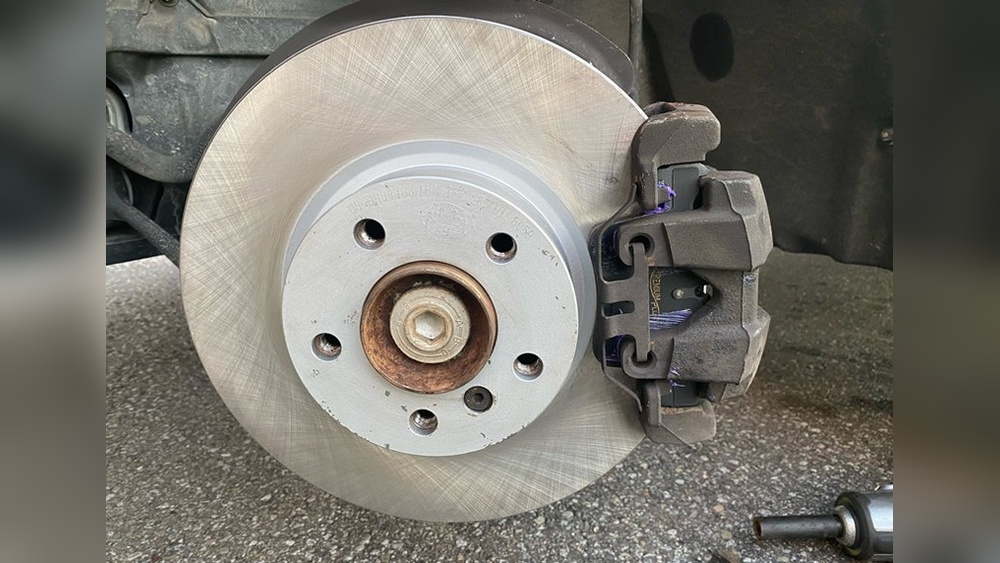
Have you ever wondered how long your brakes and rotors can safely last? Knowing this can save you money, keep you safe, and prevent unexpected car troubles.
Your brakes and rotors work hard every time you hit the road. But when do they need replacing? Understanding their lifespan helps you avoid risky situations and unnecessary repairs. Keep reading to discover the signs of wear, factors that affect their durability, and tips to make your brakes and rotors last longer.
This knowledge puts you in control of your car’s safety and performance.
Brake Lifespan Factors
Brakes and rotors do not last the same for every car. Many factors affect how long they work well. Knowing these factors helps you keep your car safe. It also saves money by avoiding early replacements.
Driving Habits Impact
Hard braking wears brakes faster. Frequent stops shorten brake life. Smooth and gentle braking helps brakes last longer. Driving in heavy traffic means more brake use. Long trips on highways cause less brake wear.
Vehicle Type Influence
Heavy vehicles stress brakes more. Trucks and SUVs often need brake parts replaced sooner. Small cars put less pressure on brakes. Sports cars may wear brakes quickly due to fast speeds. Each vehicle type changes brake lifespan.
Brake Material Differences
Brake pads come in different materials. Ceramic pads last longer and are quiet. Organic pads wear faster but cost less. Semi-metallic pads offer strong stopping power. Rotor material quality also affects durability.
Environmental Conditions
Driving in hills or mountains wears brakes faster. Wet or salty roads cause more rotor rust. Dusty or sandy areas increase brake dust buildup. Hot weather can make brakes wear out quicker. Conditions around you change brake lifespan.

Credit: www.clarksgarage.com.au
Rotor Lifespan Influences
The lifespan of brake rotors depends on many factors. These factors affect how long the rotors stay in good condition. Knowing what influences rotor life helps you keep your brakes safe and effective.
Rotors wear out over time, but some things can make them last longer or shorter. Understanding these influences helps you plan maintenance and avoid costly repairs.
Quality And Material
Rotors come in different materials. Cheap rotors wear out faster. High-quality rotors last longer and handle heat better. Cast iron rotors are common and affordable. Performance rotors use special alloys. These alloys resist wear and heat more effectively.
Driving Style Effects
Hard braking wears rotors quickly. Smooth, gentle braking helps rotors last longer. Driving in city traffic means more braking. This causes faster rotor wear. Highway driving uses less brake force, saving rotor life.
Maintenance Practices
Regular brake checks extend rotor life. Changing brake pads on time prevents rotor damage. Ignoring pad wear can cause rotor grooves. Cleaning rotors removes dirt that causes wear. Proper care keeps rotors working well longer.
Heat And Wear
Braking produces heat that wears rotors. High heat can cause warping and cracks. Rotors cool down slower in heavy traffic. This adds to wear and tear. Good quality rotors resist heat damage better.
Signs Of Worn Brakes
Brakes are one of the most important parts of your car. They keep you safe by helping you stop. Over time, brakes and rotors wear out. Knowing the signs of worn brakes can prevent accidents and save money. Early detection helps you get repairs before problems get worse.
Squeaking And Squealing Noises
A high-pitched sound when braking often means brake pads are worn. This noise comes from a small metal strip that alerts you to replace pads. Do not ignore these sounds. They warn that your brakes need attention.
Reduced Braking Performance
If your car takes longer to stop, brakes may be failing. You might press the pedal harder than usual. This can be dangerous on busy roads. Reduced braking means your pads or rotors are thin or damaged.
Vibrations And Pulsations
Feel vibrations in the brake pedal or steering wheel? Warped rotors often cause this. Pulsations during braking mean the rotor surface is uneven. This makes stopping less smooth and less safe.
Brake Warning Lights
Your dashboard may show a brake warning light. This light signals issues with your brake system. It could mean low brake fluid or worn brake pads. Do not ignore this light. Check your brakes immediately.

Credit: www.reddit.com
Rotor Wear Indicators
Rotor wear indicators help you know when your brake rotors need attention. These signs show how much the rotors have worn down. Watching these indicators can keep your brakes safe and working well. Understanding these signs helps prevent costly repairs and keeps your car stopping smoothly.
Visible Grooves And Scoring
Grooves and scoring appear as lines on the rotor surface. They happen from dirt or worn brake pads rubbing on the rotor. Deep grooves reduce braking power and cause noise. Light grooves may be normal but deep ones mean rotor replacement. Check rotors regularly for these visible signs.
Warping And Vibrations
Warped rotors cause vibrations when braking. You may feel shaking in the brake pedal or steering wheel. Warping happens from heat buildup during hard stops. It makes braking uneven and less safe. If you notice vibrations, have the rotors inspected soon.
Thickness Measurement
Rotors get thinner as they wear out. Mechanics measure rotor thickness with a special tool. When rotors are below the minimum thickness, they must be replaced. Thin rotors can crack or fail under pressure. Measuring thickness is a key step in brake maintenance.
Brake Pad Compatibility
Rotors and brake pads work as a team. Some pads wear rotors faster than others. Using the right pads keeps rotors in better shape longer. Always match brake pads to your rotor type. This helps avoid uneven wear and extends rotor life.
Extending Brake And Rotor Life
Extending the life of your brakes and rotors saves money and keeps you safe. Simple habits and regular care help your braking system last longer. Taking small steps today avoids costly repairs later.
Regular Inspections
Check your brakes often to spot problems early. Look for unusual noises, vibrations, or longer stopping times. Early detection prevents damage to rotors and pads. Visit a mechanic regularly for a thorough brake check.
Proper Driving Techniques
Drive smoothly to protect brakes and rotors. Avoid hard stops and sudden braking. Use engine braking when going downhill instead of the brake pedal. Gentle driving reduces wear and tear on brake parts.
Timely Replacement Of Pads
Replace brake pads before they wear out completely. Worn pads can damage rotors and increase repair costs. Follow the manufacturer’s recommendations on replacement intervals. Fresh pads ensure better braking performance and rotor protection.
Quality Parts Selection
Choose high-quality brake pads and rotors for durability. Cheap parts wear out faster and may cause damage. Use parts designed for your vehicle model. Quality parts improve safety and extend the lifespan of your braking system.
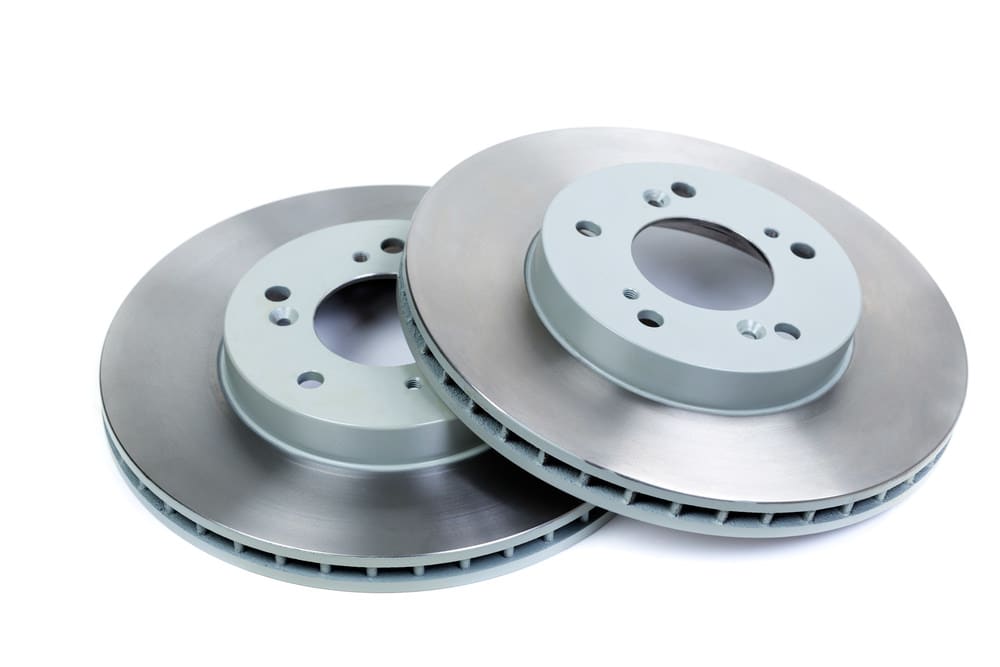
Credit: www.yourmechanic.com
Replacement Timeframes
Knowing when to replace brakes and rotors keeps driving safe. Parts wear down over time. Timing their replacement helps avoid accidents and costly repairs. Understanding how long these parts last guides proper car care.
Average Brake Pad Lifespan
Brake pads usually last between 30,000 and 70,000 miles. This range depends on the pad quality and driving style. City driving with frequent stops shortens lifespan. Highway driving tends to wear pads slower.
Typical Rotor Replacement Intervals
Rotors often need replacement every 50,000 to 70,000 miles. Some last longer if well maintained. Rotors wear from heat and friction. Warping or deep grooves signal replacement time. Rotors can sometimes be resurfaced instead of replaced.
Factors Accelerating Wear
Hard braking speeds up brake pad wear. Driving in hilly areas adds stress to brakes and rotors. Heavy loads increase pressure on braking parts. Poor road conditions can cause uneven wear. Lack of regular maintenance worsens damage.
Professional Service Recommendations
Get brakes checked every 10,000 miles or yearly. A mechanic measures pad thickness and rotor condition. They suggest replacement before parts fail. Timely service prevents accidents and saves money. Trust skilled technicians for accurate advice.
Frequently Asked Questions
How Long Do Brake Pads Typically Last?
Brake pads usually last between 30,000 and 70,000 miles. Factors like driving habits and vehicle type affect their lifespan. Regular inspection helps ensure timely replacement and safe braking performance.
When Should Rotors Be Replaced?
Rotors should be replaced every 50,000 to 70,000 miles or if they show signs of warping, cracking, or severe wear. Proper rotor maintenance ensures smooth braking and extends brake system life.
Can Worn Brakes Damage Rotors?
Yes, worn brake pads can damage rotors by causing grooves and uneven wear. Replacing pads promptly protects rotors and maintains effective braking performance.
What Affects Brake And Rotor Lifespan?
Brake and rotor lifespan depends on driving style, road conditions, vehicle weight, and maintenance frequency. Aggressive driving and frequent braking reduce their durability.
Conclusion
Brakes and rotors wear out over time and use. Their lifespan depends on driving habits and road conditions. Regular checks help catch problems early. Replacing parts on time keeps you safe on the road. Pay attention to noises, vibrations, or longer stopping distances.
Good maintenance extends the life of your brake system. Stay aware and act quickly to avoid bigger repairs. Safe driving starts with reliable brakes and rotors. Keep your vehicle in top shape for peace of mind.


