

Are your brakes making noise or feeling less responsive? You might be wondering, how much do rotors and brake pads cost to fix or replace?
Knowing the price upfront can save you from surprises and help you make smart decisions about your car’s safety and budget. You’ll discover the real costs behind rotors and brake pads, what affects those prices, and how to get the best value without compromising quality.
Keep reading to protect your ride and your wallet.
Credit: www.ebay.com
Brake Pads Price Range
Brake pads come in different types and prices. Knowing the price range helps you choose the best fit. Prices depend on material, quality, and brand. Understanding these ranges can save money and ensure safety.
Economy Brake Pads
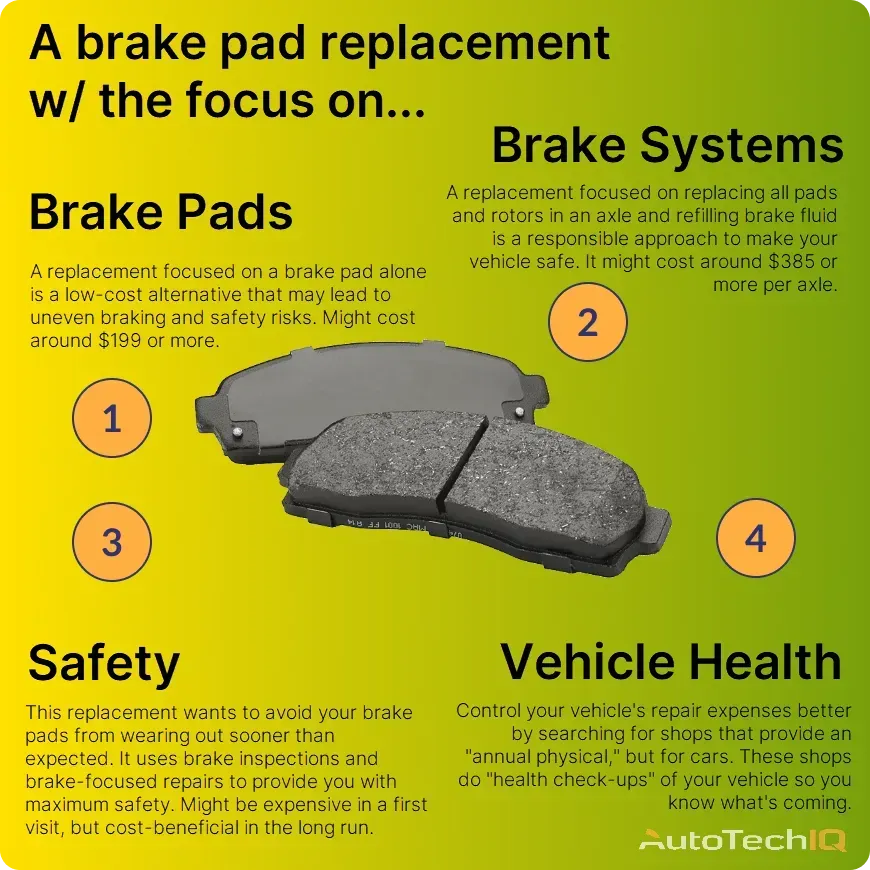
Economy brake pads cost between $20 and $50 per set. They suit daily driving with low to moderate use. Made from basic materials, they last shorter than others. Good for budget buyers and older cars.
Mid-range Brake Pads
Mid-range brake pads usually cost $50 to $100 per set. They offer better stopping power and durability. Made from semi-metallic or ceramic materials, they balance price and performance. Ideal for regular drivers who want quality and value.
Premium Brake Pads
Premium brake pads can cost $100 to $150 or more per set. They use advanced materials for maximum performance and low noise. Designed for heavy use and high-speed driving. Perfect for those who demand the best braking experience.
Credit: www.autotechiq.com
Rotor Price Overview
The cost of rotors varies widely based on type, quality, and brand. Understanding different rotor options helps you plan your budget better. This overview breaks down common rotor categories and their price ranges.
Standard Rotors
Standard rotors are the most common type. They serve everyday driving needs well. Prices usually range from $30 to $75 per rotor. These rotors offer reliable performance for most cars and light trucks.
They are made from cast iron or similar materials. Standard rotors are easy to find and replace. They work fine for normal city and highway driving.
Performance Rotors
Performance rotors are designed for better braking power. They use advanced materials like carbon or ceramic blends. Prices start around $80 and can go above $200 per rotor.
These rotors handle heat better and reduce brake fade. Drivers who want sporty or heavy-duty performance choose these rotors. They last longer but cost more upfront.
Oem Vs Aftermarket Rotors
OEM rotors come from your vehicle’s manufacturer. They match original parts exactly. OEM prices tend to be higher, usually $70 to $150 per rotor.
Aftermarket rotors are made by third-party companies. They often cost less, between $30 and $90 per rotor. Quality varies, so choose trusted brands. Aftermarket options offer more variety and price points.
Factors Affecting Costs
The cost of rotors and brake pads varies widely. Several key factors influence the final price. Understanding these helps you plan your budget better. Below, we explore the main elements that affect the cost.
Vehicle Make And Model
Different cars need different parts. Luxury or sports cars usually have more expensive rotors and pads. Common models tend to have cheaper parts. Some vehicles require special sizes or designs. These unique parts often cost more. The brand and model year also change the price.
Material Quality
Brake parts come in various materials. Standard pads are less expensive but wear out faster. High-quality materials last longer and perform better. Ceramic pads cost more but produce less dust and noise. Rotors made from premium metals resist warping. Choosing better materials means spending more upfront.
Labor Charges
Labor costs vary by location and shop. Dealerships usually charge higher rates. Independent mechanics may offer cheaper service. Complex brake systems take longer to fix. More time means higher labor fees. Always ask for a clear estimate before work starts.
Diy Vs Professional Installation
Deciding between DIY and professional brake repair affects your wallet and safety. Installing rotors and brake pads yourself saves money but demands skill and tools. Professionals cost more but ensure the job is done right. Weighing pros and cons helps you choose the best option for your car and budget.
Cost Savings Of Diy
Doing brake repairs yourself cuts labor costs. You pay only for parts like rotors and pads. Basic tools and a repair manual are needed. This option suits those with some car knowledge. Saving money is possible, but expect to spend time and effort.
Risks And Considerations
Incorrect installation risks brake failure and accidents. Lack of experience may lead to damage or injury. Quality tools and safety gear are essential. Mistakes can increase future repair costs. Always follow safety steps carefully. Know your limits before starting.
When To Hire A Mechanic
Choose a mechanic for complex brake systems or lack of tools. Professionals have experience and proper equipment. They spot hidden problems you might miss. Hiring experts saves time and ensures safety. Opt for professional help if unsure about your skills.
Additional Expenses To Consider
Replacing rotors and brake pads involves more than just those parts. Several other costs may appear during brake service. These additional expenses affect the total price. Understanding them helps plan your budget better.
Brake Fluid Replacement
Brake fluid wears out over time. It needs to be replaced to keep brakes working well. Changing brake fluid costs extra. The price depends on fluid type and service shop rates. Skipping this step can cause brake problems later.
Hardware And Accessories
New brake pads sometimes require new clips, pins, or springs. These small parts ensure the brakes work safely and quietly. Mechanics often replace hardware to avoid noise or uneven wear. These extras add to the overall bill but are important for good brake performance.
Resurfacing Rotors
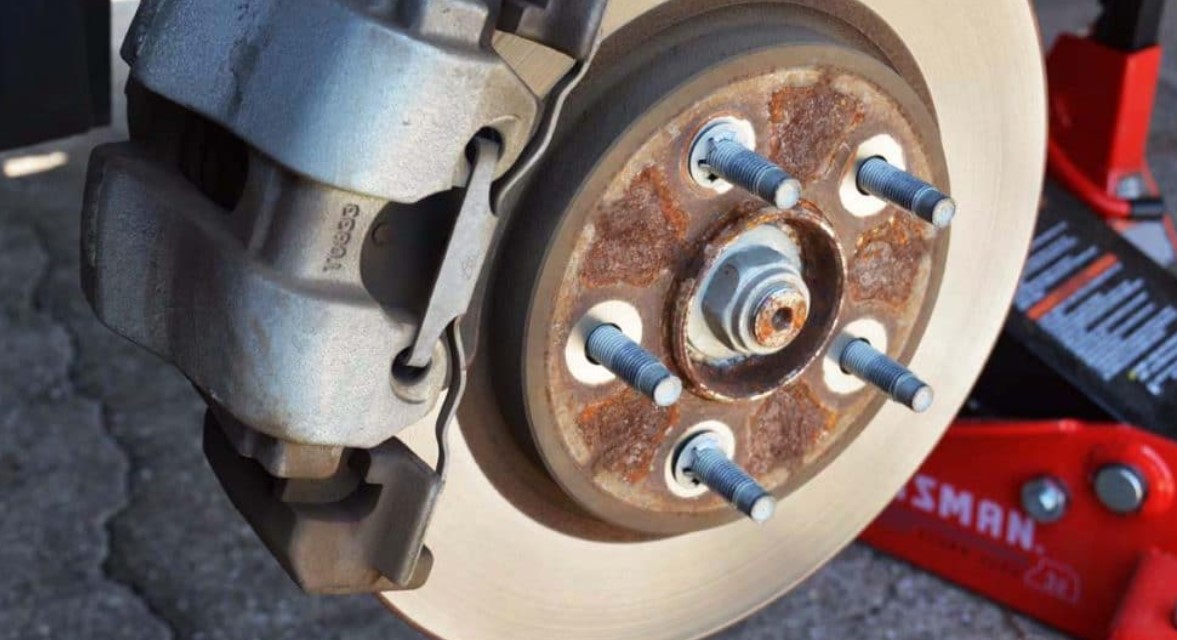
Rotors can be resurfaced instead of replaced. This process smooths out rough surfaces. Resurfacing costs less than new rotors but takes extra labor time. Not all rotors can be resurfaced. If done, it adds a small cost to the brake job.
Credit: omegaautocare.com
Tips To Save On Brake Repairs
Brake repairs can be costly, especially for rotors and brake pads. Choosing quality parts and comparing prices helps save money. Regular maintenance also reduces the need for expensive fixes.
Buying Parts Online
Buying brake parts online can save you money. Online stores often have lower prices than local shops. You can compare many brands and prices in minutes. Check reviews to ensure quality and reliability. Shipping costs can be low or free. This option helps you find good deals without leaving home.
Seasonal Discounts
Many auto shops offer discounts during certain times of the year. Look for sales in spring or fall. These seasons are common for car maintenance promotions. Save money by planning brake repairs during discount periods. Sign up for newsletters from local shops. They often announce special offers to subscribers.
Choosing The Right Shop
Choosing a repair shop affects your total cost. Some shops charge more for labor or parts. Find a shop with fair prices and good reviews. Ask about warranty on parts and labor. A trustworthy shop can prevent extra expenses later. Getting quotes from multiple shops helps you find the best deal.
Frequently Asked Questions
How Much Do Rotors And Brake Pads Cost Together?
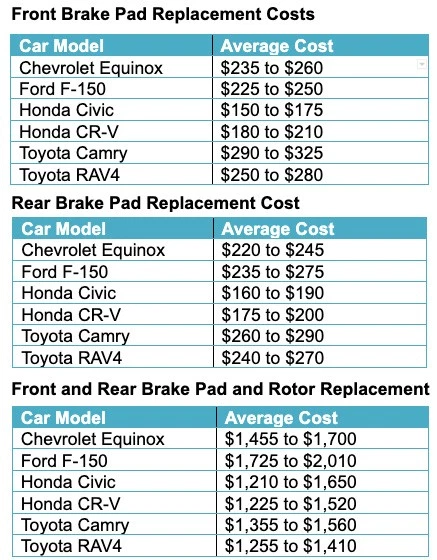
The combined cost of rotors and brake pads ranges from $150 to $300. Prices vary by vehicle type and part quality. Labor costs may increase total expenses. OEM parts tend to be pricier than aftermarket options.
What Factors Affect Rotor And Brake Pad Prices?
Prices depend on vehicle make, part brand, material quality, and location. High-performance or specialty parts cost more. Labor fees and additional repairs also influence total costs. Seasonal demand can slightly impact prices.
Can I Save Money By Replacing Rotors And Brake Pads Myself?
DIY replacement saves labor costs but requires tools and skills. Improper installation risks safety and vehicle damage. Beginners should consult guides or professionals. Quality parts are essential for effective braking and durability.
How Often Should Rotors And Brake Pads Be Replaced?
Brake pads usually last 30,000 to 70,000 miles; rotors last longer. Signs like squealing, vibration, or reduced braking indicate replacement need. Regular inspections help prevent costly damage. Driving habits significantly impact wear rates.
Conclusion
Rotors and brake pads cost can vary by car and quality. Choosing the right parts keeps your vehicle safe and smooth. Regular checks help spot wear early and save money. Repair shops may charge different prices, so compare well. Knowing costs helps plan your budget for car care.
Don’t delay brake repairs; safety comes first. Keep your brakes in good shape for peace of mind. Simple steps ensure better driving and longer brake life.


