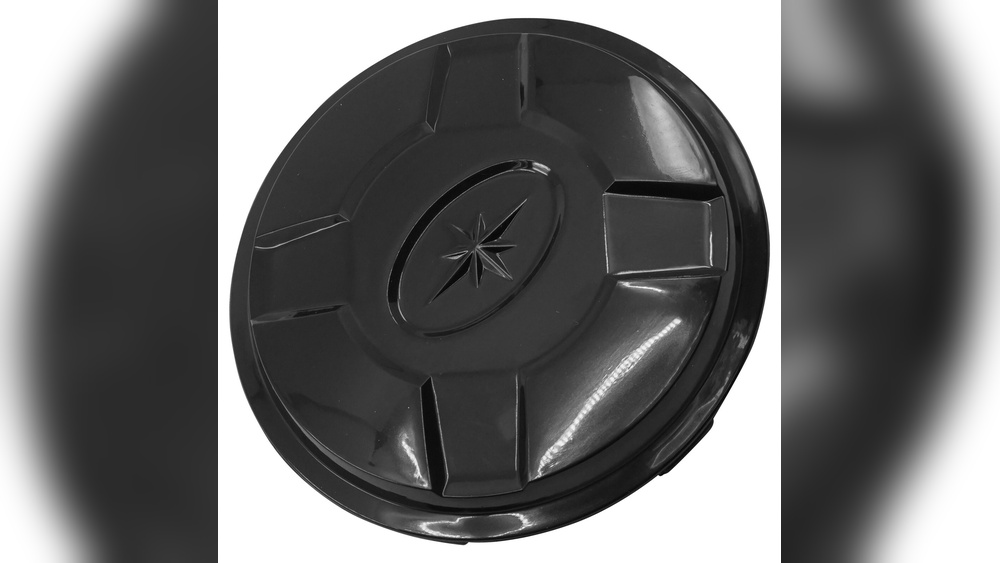
Have you ever wondered what keeps the hub covers firmly attached to your wheel, even when you’re driving down rough roads? It might seem like a small detail, but those hub covers play an important role in protecting your wheels and enhancing your car’s look.
Understanding how they stay in place can help you take better care of your vehicle and avoid unexpected problems. Keep reading, and you’ll discover the simple yet clever ways these covers stay secure—and why it matters for your ride.
Purpose Of Hub Covers
Hub covers serve important roles on vehicle wheels. They keep parts safe and add style. These covers hold tight and fit well. Understanding their purpose helps to see why they matter on every wheel.
Protecting Wheel Components
Hub covers shield the wheel’s center from dirt and moisture. This stops rust and damage to key parts. They keep dust and grime away from bearings and nuts. These covers help parts last longer and work better. Without covers, dirt could cause costly repairs.
Enhancing Vehicle Appearance
Hub covers give wheels a neat and finished look. They hide ugly bolts and rough parts. Many covers have shiny or colorful designs that catch the eye. This small detail can improve the vehicle’s overall style. Drivers often choose covers to match their taste and car color.
Credit: treefruitresearch.org
Common Attachment Methods
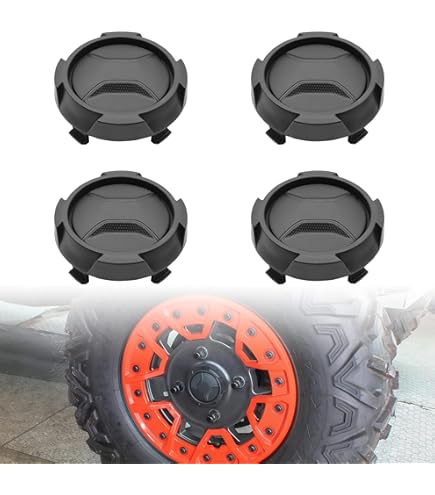
Hub covers stay on wheels using several common attachment methods. These methods keep the covers secure during driving. Each design offers a simple way to hold the cover firmly in place. Understanding these methods helps you choose the right cover for your wheel.
Snap-on Mechanism
Snap-on hub covers use small tabs that click into place. These tabs fit tightly around the wheel rim. They hold the cover firmly without extra tools. Snap-on designs are easy to install and remove. This method works well for quick changes and maintenance.
Screw-on Fasteners
Screw-on fasteners use screws to hold the hub cover. The screws go through holes in the cover and into the wheel. This method creates a strong, secure hold. It prevents the cover from falling off during rough rides. Screw-on covers may take more time to install but offer durability.
Clip-on Designs
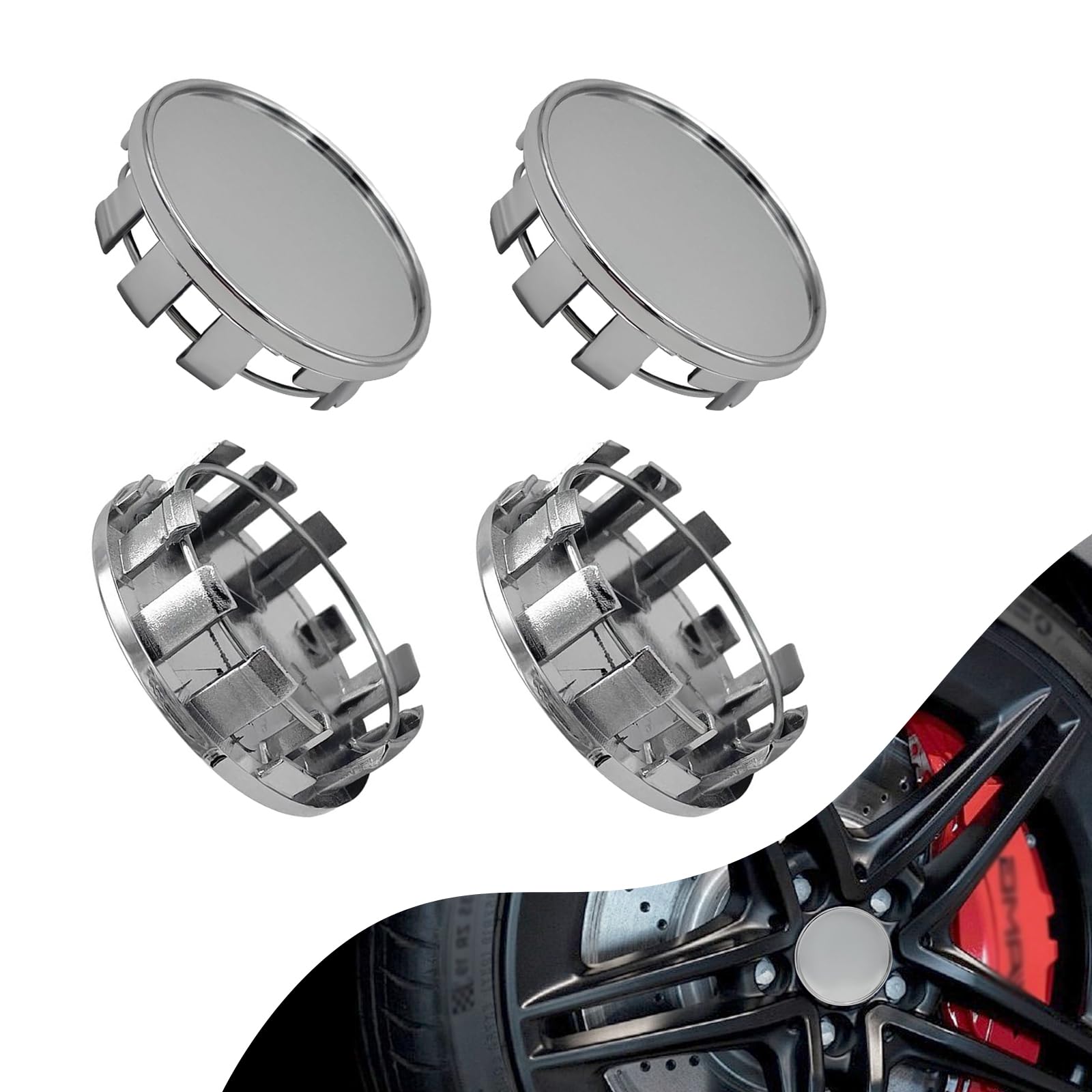
Clip-on hub covers use metal or plastic clips. These clips grab the wheel edge tightly. Clips provide a reliable grip without tools or screws. They allow fast removal and replacement of the cover. This method balances ease of use and secure attachment.
Materials Used For Hub Covers
Hub covers protect the wheel’s central part from dirt and damage. They also add style and finish to the wheel. The material of hub covers affects their durability and appearance. Different materials offer various benefits for strength, weight, and cost. Understanding these materials helps you choose the right hub cover for your needs.
Plastic Variants
Plastic hub covers are common and lightweight. They resist rust and corrosion well. These covers are easy to mold into many shapes and designs. Plastic is cost-effective, making it popular for many vehicles. Some plastic covers have UV protection to avoid fading. They offer good protection but can crack under strong impact.
Metal Options
Metal hub covers are strong and durable. Common metals include aluminum and stainless steel. These metals resist dents and harsh weather well. Metal covers add a premium look to the wheel. They are heavier than plastic but last longer. Metal hub covers often have a polished or brushed finish for style.
Signs Of A Loose Hub Cover
Hub covers protect the wheel’s center and add style. They stay in place through clips or screws. Sometimes, these covers become loose. Recognizing signs of a loose hub cover is important. It helps prevent damage and keeps your wheel looking good.
Rattling Sounds
A loose hub cover often causes rattling sounds. You might hear clicking or tapping noises while driving. These sounds come from the cover moving against the wheel. It is a clear sign that the cover is not secure.
Visible Gaps
Look closely at the hub cover edges. Gaps between the cover and the wheel mean it is loose. These spaces let dirt and moisture enter. Gaps also affect the wheel’s appearance and can lead to further damage.
Frequent Loss
Loose hub covers can fall off during driving. Losing covers often means they are not fitting correctly. It can be costly and dangerous if covers drop on the road. Checking tightness regularly helps avoid this problem.
Tips To Secure Hub Covers
Hub covers protect the wheel hub from dirt, moisture, and damage. Keeping them secure is important to avoid loss while driving. Simple steps help hold hub covers firmly in place. These tips make sure your hub covers stay safe and work well.
Proper Installation Techniques
Clean the wheel hub surface before placing the cover. Dirt and grease reduce grip and cause slipping. Align the cover carefully with the wheel. Press the cover firmly until it snaps into place. Avoid forcing it, which may cause cracks or breaks.
Using Adhesives Or Retainers
Use mild adhesive tape designed for automotive parts. This adds extra grip without damage. Some hub covers come with plastic retainers or clips. Make sure these are intact and fit tightly. Replace damaged retainers to keep the cover secure.
Regular Maintenance Checks
Check hub covers during routine car washes or tire changes. Look for looseness, cracks, or missing parts. Tighten or replace covers showing signs of wear. Quick fixes prevent covers from falling off on the road.

Credit: colonyglamping.com
Replacing Hub Covers
Replacing hub covers is a simple way to keep your wheels looking good. Over time, hub covers can get damaged or worn out. Changing them can protect the wheel hub and improve the car’s look. This guide helps you choose and install the right hub covers.
Choosing The Right Fit
Measure your wheel hub diameter first. Hub covers come in many sizes, so exact fit is important. Check the style and color to match your vehicle. Some covers snap on, others use clips or screws. Pick a cover that suits your wheel type and driving needs.
Installation Steps
Start by cleaning the wheel hub area. Remove any dirt or rust for better fit. Align the new hub cover with the hub center. Press firmly to snap it in place or secure with clips. Make sure it is tight and does not wobble. Test by spinning the wheel slowly. A secure hub cover stays on during driving.
Credit: eco-web.fr
Frequently Asked Questions
What Mechanism Holds Hub Covers On The Wheel?
Hub covers are held by clips, friction, or retention rings. These components secure the cover tightly to the wheel hub, preventing it from falling off during motion or impact.
How Do Clips Keep Hub Covers Attached?
Clips snap into grooves on the wheel or hub cover. They provide a firm grip, ensuring the cover remains in place under various driving conditions.
Can Hub Covers Stay Without Adhesives?
Yes, many hub covers rely on mechanical fasteners, not adhesives. This allows easy removal for maintenance while ensuring a secure fit.
Why Do Some Hub Covers Use Retention Rings?
Retention rings create tension that holds the hub cover firmly. They offer a reliable and durable attachment method that resists vibrations and road shocks.
Conclusion
Hub covers stay on wheels thanks to clips, friction, and tight fitting. These parts hold the cover firm during driving. Regular checks keep them secure and prevent loss. Proper installation helps avoid damage to the wheel. Understanding how hub covers stay in place can save you time and money.
Keep your wheels looking good with simple care. Small details matter for safe and smooth rides.