Have you ever wondered what kind of plastic makes up the wheel covers on your car? These simple accessories do more than just improve your vehicle’s look—they protect your wheels from dirt, damage, and wear.
But not all plastics are the same. Knowing the material behind your wheel covers can help you understand their durability, how they handle weather, and why they cost what they do. Keep reading to discover the types of plastic used and how they affect your car’s performance and style.
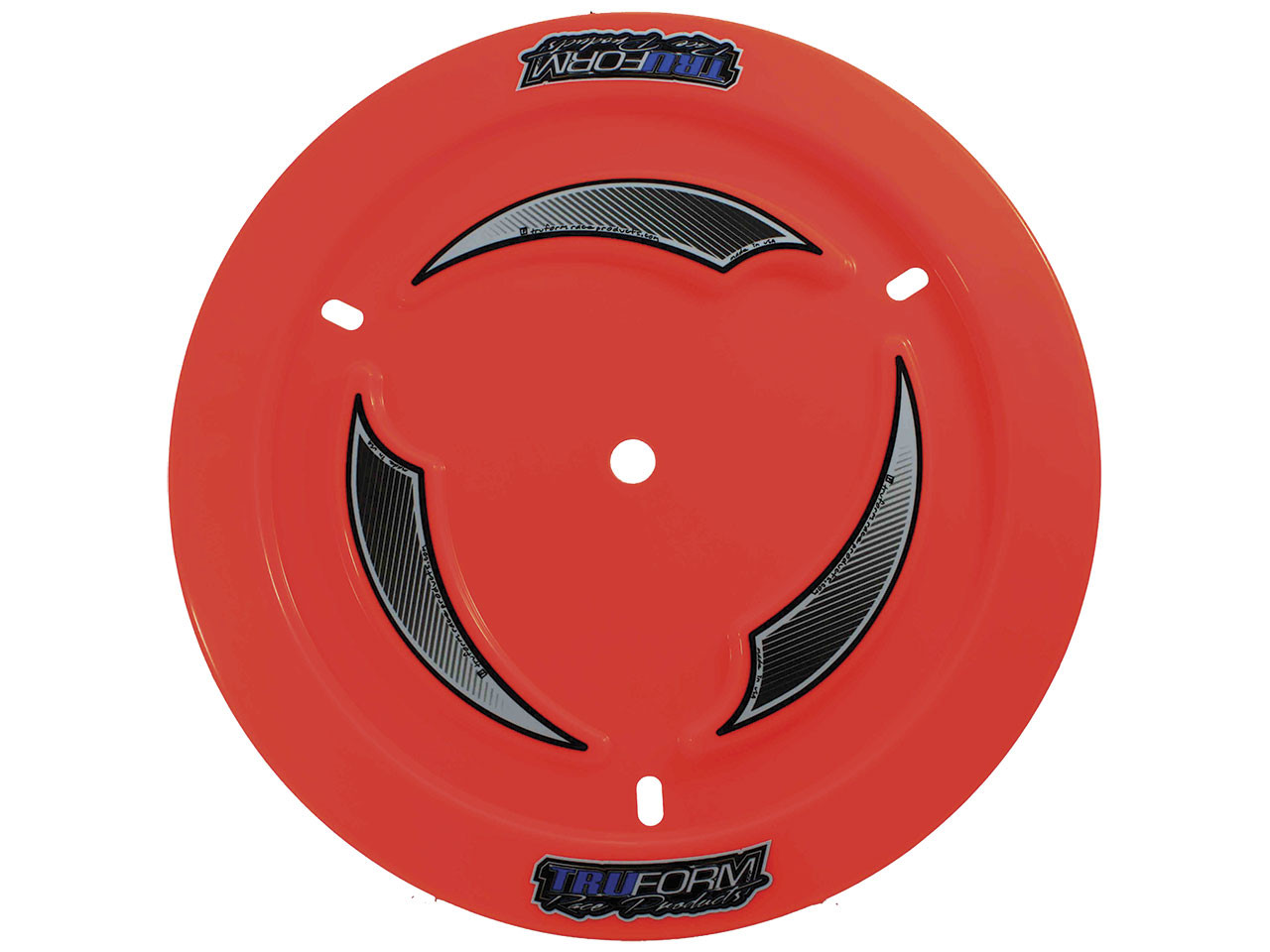
Credit: hammondmotorsports.com
Common Plastics In Wheel Covers
Wheel covers are mostly made from certain types of plastic. These plastics are chosen for their strength, light weight, and cost. They also resist weather and road damage well. Below are the common plastics used in wheel covers.
Abs Plastic
ABS plastic is tough and impact-resistant. It handles heat and cold without breaking. This plastic is easy to mold, so it can create many shapes. ABS gives a smooth, shiny finish to wheel covers. It is also affordable and durable.
Polycarbonate
Polycarbonate is very strong and clear. It is harder than ABS and resists scratches better. This plastic can absorb shocks from bumps and stones on the road. Polycarbonate is a bit more expensive but lasts longer on wheel covers.
Polypropylene
Polypropylene is lightweight and flexible. It does not crack easily under pressure. This plastic resists chemicals and moisture well. It is cheaper than ABS and polycarbonate. Polypropylene is common in budget-friendly wheel covers.
Durability Factors
Wheel covers must be strong and long-lasting. Their durability depends on several important factors. These factors help wheel covers resist damage and keep their look over time. Understanding these helps in choosing the right wheel cover.
Impact Resistance
Plastic wheel covers face bumps and hits on roads. Impact resistance means they can absorb shocks without breaking. High-quality plastics like ABS and polycarbonate offer good impact resistance. This keeps wheel covers safe from stones and minor crashes.
Weather Resistance
Wheel covers face rain, snow, and heat daily. Weather resistance means they do not crack or warp in these conditions. Some plastics are treated to handle moisture and temperature changes. This keeps covers from fading or deforming over time.
Uv Protection
Sunlight can damage plastic materials fast. UV protection means the plastic can block harmful sun rays. This stops colors from fading and plastic from becoming brittle. Wheel covers with UV protection last longer in sunny climates.
Lightweight Properties
Wheel covers must be light to help cars run smoothly. Lightweight wheel covers reduce the overall weight of a vehicle. This helps save fuel and improves driving comfort. Plastics used for wheel covers have special properties to keep them light yet strong.
Material Density
Material density means how heavy a material is for its size. Plastics like ABS and polycarbonate have low density. They weigh less than metals but stay tough. Low density plastics help make wheel covers light. This keeps the car’s wheels easy to spin. It also lowers stress on suspension parts. Lightweight materials support better vehicle performance.
Design Efficiency
Design efficiency means using less material while keeping strength. Wheel covers have thin walls and hollow parts. This design uses plastic smartly without adding weight. Efficient shapes add style and cut down weight. Designers think about airflow and balance too. This helps reduce wind drag and noise. Light wheel covers improve speed and handling. Smart design makes plastics work best for wheel covers.

Credit: www.coast2coastinternational.com
Manufacturing Techniques
Wheel covers are shaped using specific manufacturing techniques. These methods help form the plastic into strong, detailed designs. The choice of technique affects the cover’s quality and cost. Two common methods used are injection molding and thermoforming.
Injection Molding
Injection molding is a popular method for making wheel covers. It starts by melting plastic pellets until they become liquid. The liquid plastic is then pushed into a mold under high pressure. The mold has the exact shape of the wheel cover.
Once cooled, the plastic hardens and takes the mold’s form. This process allows for precise shapes and fine details. It produces strong covers that fit well on wheels. Injection molding is fast and good for large production runs.
Thermoforming
Thermoforming uses heated plastic sheets instead of melted pellets. The plastic sheet is warmed until soft and then placed over a mold. Air pressure or vacuum pulls the sheet tightly around the mold.
The plastic cools and hardens in the shape of the mold. This method is simpler and less costly than injection molding. It works well for less detailed covers. Thermoforming is often used for lightweight and budget-friendly wheel covers.
Environmental Impact
Wheel covers are mostly made from plastic materials like ABS and polypropylene. These plastics affect the environment in different ways. Understanding their impact helps us make better choices for our planet.
Recyclability
Many wheel covers use plastics that can be recycled. ABS and polypropylene plastics are accepted by some recycling centers. Recycling reduces waste and saves energy. But not all wheel covers reach recycling plants. Some end up in landfills, where they take years to break down. Proper disposal is important to minimize harm.
Sustainable Alternatives
Some companies now use eco-friendly plastics for wheel covers. These materials come from renewable sources or recycled content. They reduce pollution and waste. Biodegradable wheel covers also exist. They break down faster in the environment. Choosing these options helps lower the carbon footprint of vehicles.
Credit: www.parkingzone.com
Comparing Plastic To Other Materials
Wheel covers come in various materials, each with unique features. Plastic is common, but metal and composite options also exist. Comparing these materials helps understand their benefits and drawbacks. This knowledge aids in choosing the right wheel cover for your vehicle.
Metal Wheel Covers
Metal wheel covers are sturdy and durable. They resist damage from road debris better than plastic. Metal covers often add a classic or premium look to wheels. They weigh more, which can affect fuel efficiency slightly. Rust and corrosion may occur without proper care. Metal covers usually cost more than plastic ones.
Composite Materials
Composite wheel covers blend different materials like plastic and fiberglass. They offer good strength and lighter weight than metal. Composites resist dents and scratches well. These covers often have a modern design appeal. They cost more than basic plastic but less than metal. Composite materials balance durability and style effectively.
Frequently Asked Questions
What Types Of Plastic Are Used For Wheel Covers?
Wheel covers are commonly made from ABS (Acrylonitrile Butadiene Styrene) plastic. ABS is durable, lightweight, and impact-resistant, making it ideal for automotive parts like wheel covers.
Why Is Abs Plastic Preferred For Wheel Covers?
ABS plastic offers excellent strength and heat resistance. It withstands road debris and weather conditions, ensuring wheel covers remain intact and visually appealing over time.
Are Wheel Covers Made From Recyclable Plastic Materials?
Yes, many wheel covers use recyclable plastics like ABS. This helps reduce environmental impact and supports sustainability in automotive manufacturing.
How Does Plastic Wheel Cover Material Affect Vehicle Performance?
Plastic wheel covers are lightweight, improving fuel efficiency. They also provide protection to wheels without adding significant weight to the vehicle.
Conclusion
Wheel covers mainly use durable plastics like ABS and polypropylene. These materials keep covers light and strong. They resist weather and wear well over time. Choosing the right plastic helps covers last longer. This protects your wheels and adds style.
Understanding the plastics helps you make smart choices. It also shows why quality matters in wheel covers. Simple materials make a big difference in performance. Knowing this can guide your next purchase. Quality plastic means better protection and lasting looks.